
 Pevita Pearce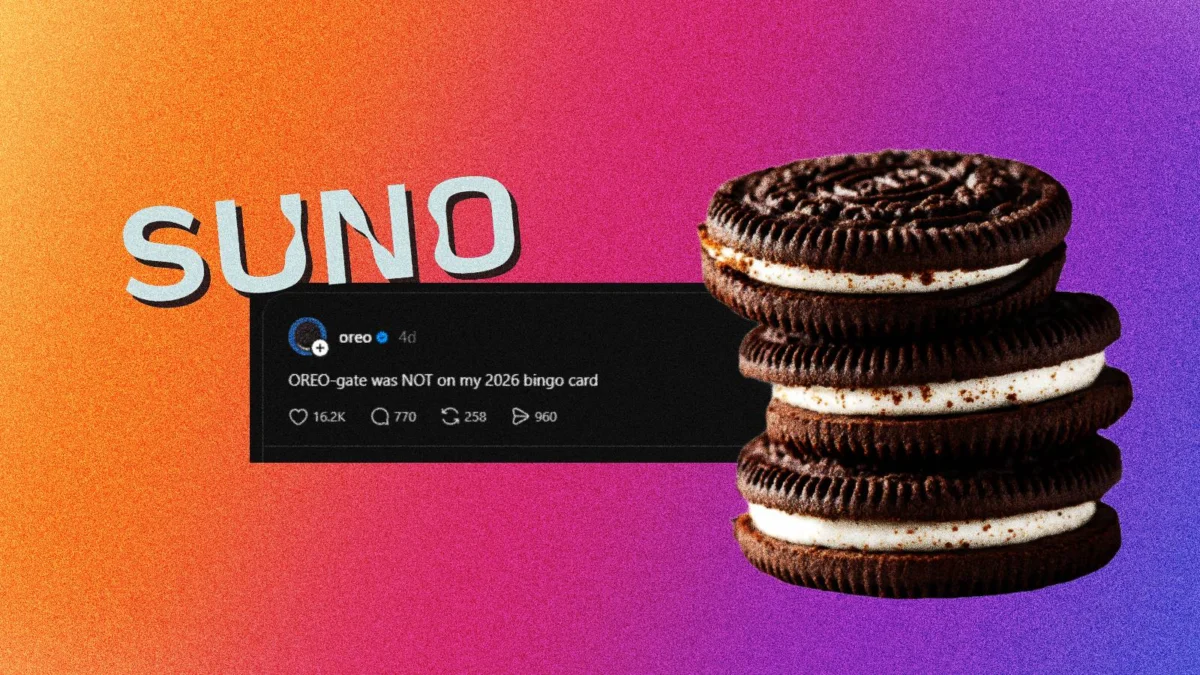
The viral digital narrative known as "Oreogate," which captivated millions of Instagram users through a series of dramatic videos detailing a kindergarten snack dispute, has been officially confirmed as a paid partnership with the artificial intelligence music company Suno. The saga, which centered on a mother’s controversial attempt to ban Oreo cookies from her daughter’s classroom, initially appeared to be a genuine leak of private WhatsApp messages. However, the revelation that the content was part of a coordinated marketing effort has sparked a broader debate regarding the transparency of AI-generated content and the ethics of "rage-bait" storytelling in the influencer economy.
The series was produced and shared by Instagram creator @ashleighjamz across 13 distinct video installments. The narrative structure relied on a specific format: screenshots of a purported parent-teacher group chat were set to upbeat, high-quality songs generated by Suno’s AI platform. This combination of relatable parental drama and catchy, algorithmically produced music proved highly effective. The first video in the series alone garnered more than 10 million views, triggering a massive wave of engagement from parents, medical professionals, and corporate brands.
The Narrative Arc of the Oreogate Conflict
The drama began with a series of messages from a mother identified as "Michelle," who petitioned other parents in a kindergarten WhatsApp group to stop packing Oreos, chocolate, and various candies in their children’s lunchboxes. Michelle’s rationale was that her daughter, Ava, was prohibited from eating such treats at home and would become emotionally distressed upon seeing her peers consuming them at school.
As the 13-part series progressed, the conflict escalated significantly. The screenshots depicted other parents reacting with a mixture of confusion and outright refusal, citing their rights to provide their children with snacks of their choosing. The narrative reached a peak when the messages claimed that Michelle had formally complained to the school administration, requested that her daughter be seated at a separate table during lunch, and allegedly attempted to search other children’s lunchboxes for "contraband" snacks.
The final installments of the saga introduced a plot twist: it was revealed that Ava had been covertly trading her own healthy snacks for the very Oreos her mother was attempting to ban. This resolution provided a sense of "karmic justice" that is common in viral storytelling, further fueling the video’s reach across social media platforms.
Chronology of the Viral Event and Brand Involvement
The Oreogate phenomenon did not exist in a vacuum; it was bolstered by the participation of major corporate entities and internet culture commentators. As the videos trended, the official Oreo account engaged with the narrative on the social media platform Threads. "OREO-gate was NOT on my 2026 bingo card," the brand posted, a move that signaled to many users that the event was a real-world cultural moment.
The timeline of the event’s exposure followed a predictable pattern of viral skepticism:
- Initial Explosion (Early 2026): The first three videos went viral, with the comments section divided between those supporting Michelle’s nutritional stance and those defending parental autonomy.
- Professional Weigh-in: Pediatricians and nutritionists began creating "duet" or "reaction" videos, discussing the psychological implications of banning specific foods and the dynamics of "forbidden fruit" syndrome in children.
- Investigative Skepticism: Internet culture journalists, most notably Stephanie McNeal, began investigating the origin of the @ashleighjamz account. McNeal pointed out that the account was less than a month old and featured exclusively sponsored content for Suno.
- Confirmation of Partnership: Business Insider confirmed via Suno that the creator was a paid partner.
- The Creator’s Silence: Following the confirmation of the partnership, @ashleighjamz declined to verify the authenticity of the messages, leading to a stalemate regarding whether the drama was based on real events or was entirely fabricated.
Technological Underpinnings: The Role of Suno AI
At the heart of the Oreogate controversy is Suno, an AI music generator that allows users to create full-length songs with vocals and instrumentation based on simple text prompts. In the case of Oreogate, the "lyrics" were the text messages from the WhatsApp group. Suno’s technology has become a focal point in the debate over AI’s role in creative industries, particularly as it can mimic specific genres and emotional tones with startling accuracy.
A spokesperson for Suno clarified to the media that while @ashleighjamz is a paid creator partner, the company did not dictate the specific content of the Oreogate storyline. "Our creator partners have the freedom to use Suno however they want," the spokesperson stated. This hands-off approach to content creation allows brands to benefit from viral "organic-feeling" drama while maintaining a degree of separation from the potentially deceptive nature of the narrative.
Oreo also distanced itself from the production of the series. Despite their participation in the online conversation, a representative for the cookie brand confirmed they had no prior involvement or knowledge of the campaign before it went viral.
Supporting Data on Viral Marketing and Authenticity
The success of Oreogate highlights a growing trend in digital marketing: the use of "simulated reality" to drive engagement. According to industry data, social media posts that trigger high-arousal emotions—such as anger, indignation, or shock—are significantly more likely to be shared than neutral or purely informative content. This "rage-bait" strategy is particularly effective in parental communities, where topics like nutrition, school safety, and discipline are highly polarized.
Furthermore, the "Dead Internet Theory"—the idea that a significant portion of internet content and engagement is generated by AI or bots—has gained renewed traction in the wake of this event. The fact that a brand-new account could generate tens of millions of views using AI-generated assets suggests that the barrier to entry for high-impact, potentially misleading content has reached an all-time low.
Official Responses and Creator Deflection
When questioned by Business Insider and other outlets about the reality of the parent-group messages, @ashleighjamz remained evasive. The creator noted that she had intentionally avoided "getting into the specifics" of the story’s authenticity while the audience was still actively following the installments. This refusal to confirm or deny the reality of the messages has led many to conclude that the saga was likely a work of "sponsored fiction."
The use of the hashtag #sunopartner in the captions was the only technical indicator that the content was a paid advertisement. However, as many media critics have noted, a hashtag is often overlooked by casual viewers who are deeply invested in the interpersonal drama of the narrative.
Broader Implications for Digital Media and Ethics
The Oreogate saga serves as a case study for the future of influencer marketing and the challenges of maintaining truth in a digital age. Several key implications arise from this event:
1. The Erosion of Trust in "Leaked" Content:
For years, social media users have found entertainment in "leaked" screenshots of private conversations. As AI makes it easier to fabricate these exchanges and turn them into multimedia experiences, the baseline for what audiences accept as "real" is shifting. This creates a "liar’s dividend," where even real events may be dismissed as AI-generated fabrications.
2. Disclosure Standards for AI Content:
While the creator used a partnership hashtag, the debate continues over whether AI-generated narratives require more explicit labeling. If a story is presented as a real-life event to garner sympathy or outrage, does a simple brand-partner hashtag satisfy ethical requirements?
3. The Commercialization of Social Conflict:
Oreogate demonstrates how real-world social anxieties—such as the pressures of modern parenting and the politics of the school lunchroom—are being commodified. By turning a sensitive topic like childhood nutrition into a catchy AI-generated song, the campaign prioritized algorithmic reach over the nuances of the subject matter.
4. The Evolution of "Infotainment":
The crossover between AI music, viral drama, and corporate branding represents a new frontier in entertainment. As AI tools like Suno, Sora (video), and ChatGPT (scripting) become more integrated, the line between a "real person sharing a story" and a "one-person production studio" will continue to blur.
In conclusion, while the Oreogate saga may have ended with a revelation of its corporate ties, the impact of the campaign lingers. It has demonstrated the immense power of AI to amplify traditional storytelling tropes and has left the digital public with a lingering question: in an era of seamless AI integration, how can we tell where the story ends and the advertisement begins? As of now, neither the creator nor the sponsoring platform has provided a definitive answer on the authenticity of the messages, leaving Oreogate as a landmark example of the "post-truth" era of social media marketing.

 Joko Widodo
 admin
admin
 Nila Kartika Wati
 Lina Irawan
 Eva Lovia