
 Lina Irawan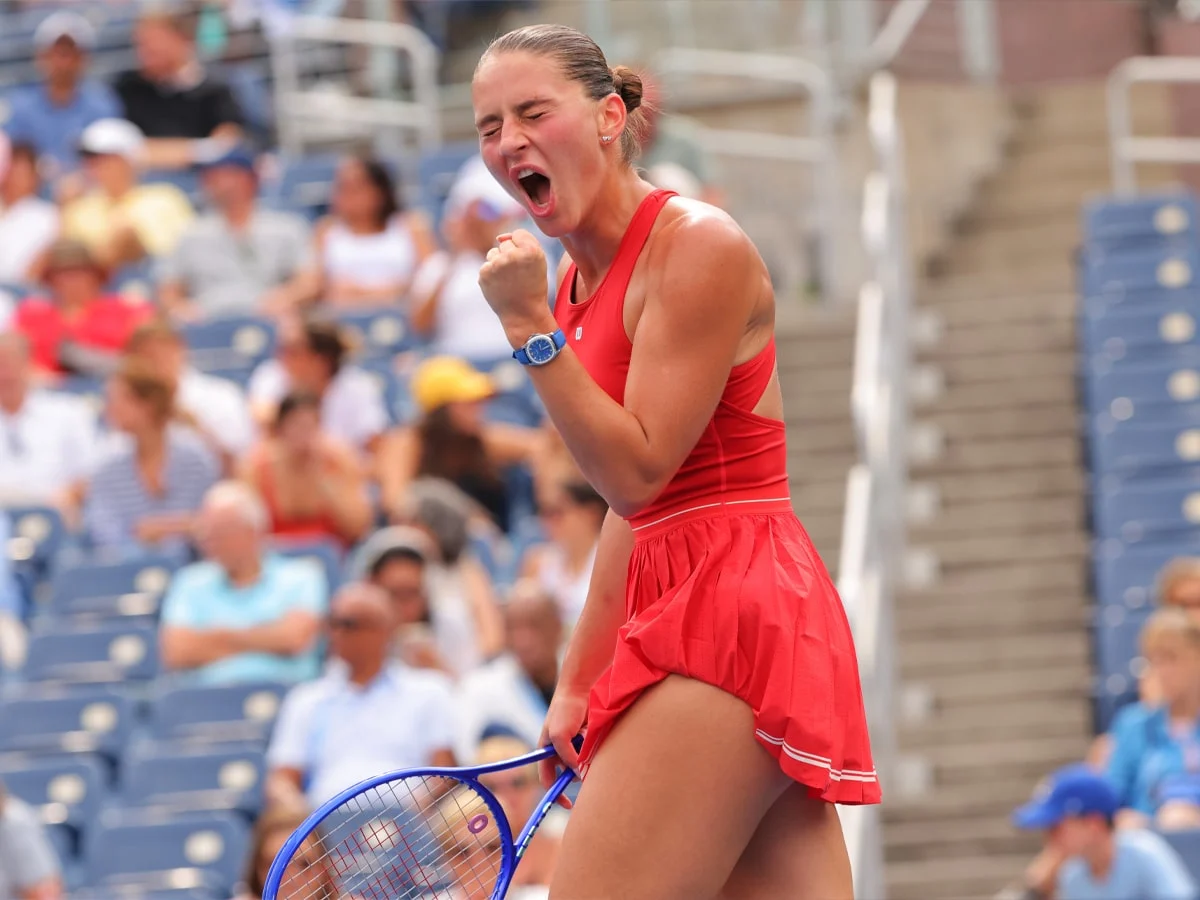
The 2026 US Open Tennis Championship at the USTA Billie Jean King National Tennis Center serves as the definitive intersection of elite athletic prowess and high-luxury lifestyle. As the final event in the Grand Slam calendar, the tournament has evolved into a premier destination for watch enthusiasts and style critics alike. With a record-breaking total prize pool of USD $108 million, the stakes in New York have never been higher, attracting not only the world’s top-ranked players but also a global elite whose wristwear often rivals the intensity of the matches on court. Unlike the rigid tradition and all-white dress codes of Wimbledon, the US Open encourages a vibrant, contemporary aesthetic. In the humid late-summer heat of Flushing Meadows, the fashion narrative is defined by casual tailoring, bold colors, and a diverse array of timepieces ranging from vintage rarities to cutting-edge horological innovations.
The Evolution of the US Open as a Luxury Showcase
The transition of the US Open into a high-fashion event is a phenomenon that has accelerated over the past decade. The 2026 tournament saw a significant increase in celebrity attendance, with VIP suites becoming de facto runways for brand ambassadors and private collectors. The sheer scale of the event—drawing over 700,000 spectators over two weeks—provides a massive platform for watch manufacturers to showcase their flagship models. The 2026 season was particularly notable for a shift in horological trends, moving away from oversized "statement" pieces toward more nuanced, compact, and historically significant designs.
The economic impact of the tournament extends beyond the $108 million prize purse. Industry analysts suggest that the "halo effect" of seeing a luxury timepiece on a winning athlete or a front-row celebrity can result in a measurable uptick in secondary market demand. This year, the focus remained on the versatility of the watches—pieces that could transition from the high-impact environment of the court to the exclusive after-parties in Manhattan.
Roger Federer and the Rolex ‘Celebration’ Dial
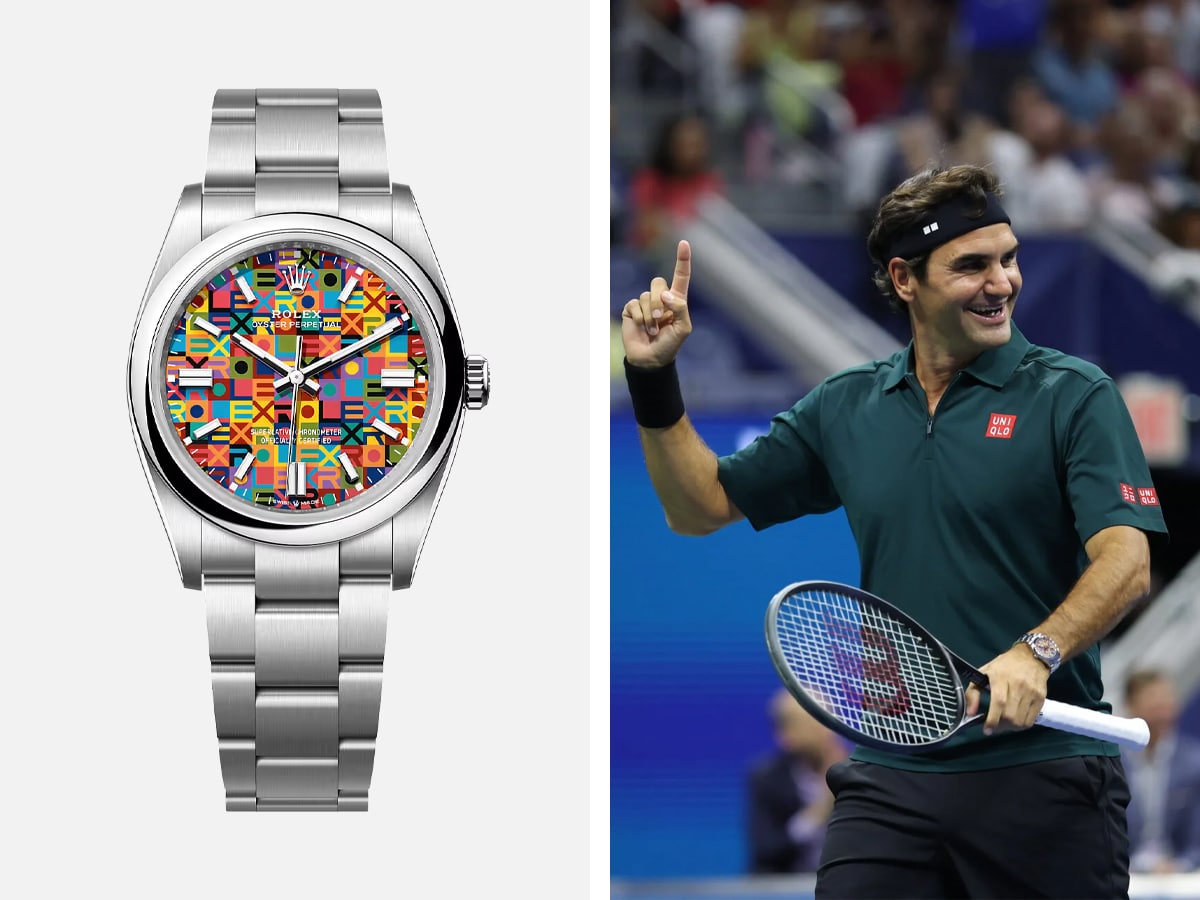
Perhaps no figure is more synonymous with tennis and horology than Roger Federer. Although retired from professional play, his presence at the 2026 US Open for his "Roger Federer: An Icon Returns to New York" event was a highlight for watch spotters. Federer, a long-time Rolex ambassador, opted for a piece that surprised many: the Rolex Oyster Perpetual 36 with the ‘Celebration’ motif dial (ref. 126000).
This choice was significant for several reasons. Retailing at approximately AUD $11,200, the watch bypasses the more obvious professional models like the Daytona or GMT-Master II in favor of a 36mm steel silhouette. The ‘Celebration’ dial is a technical marvel, featuring the "Jubilee Motif" originally introduced in the late 1970s. The dial displays the Rolex name in a vibrant interplay of ten different colors, a process that requires extreme precision in lacquering to ensure every letter and shape is perfectly aligned.

The 36mm case size is a deliberate nod to the "small watch trend" currently dominating the industry. Forged from 904L Oystersteel, the case provides superior corrosion resistance, essential for the New York humidity. Under the dial lies the Calibre 3230, a self-winding mechanical movement that offers a 70-hour power reserve and the brand’s Superlative Chronometer certification. Federer’s decision to wear a relatively accessible, yet artistically complex, model reinforces the trend of "quiet luxury" with a playful, modern twist.
Marta Kostyuk: High-Stakes Horology on the Court
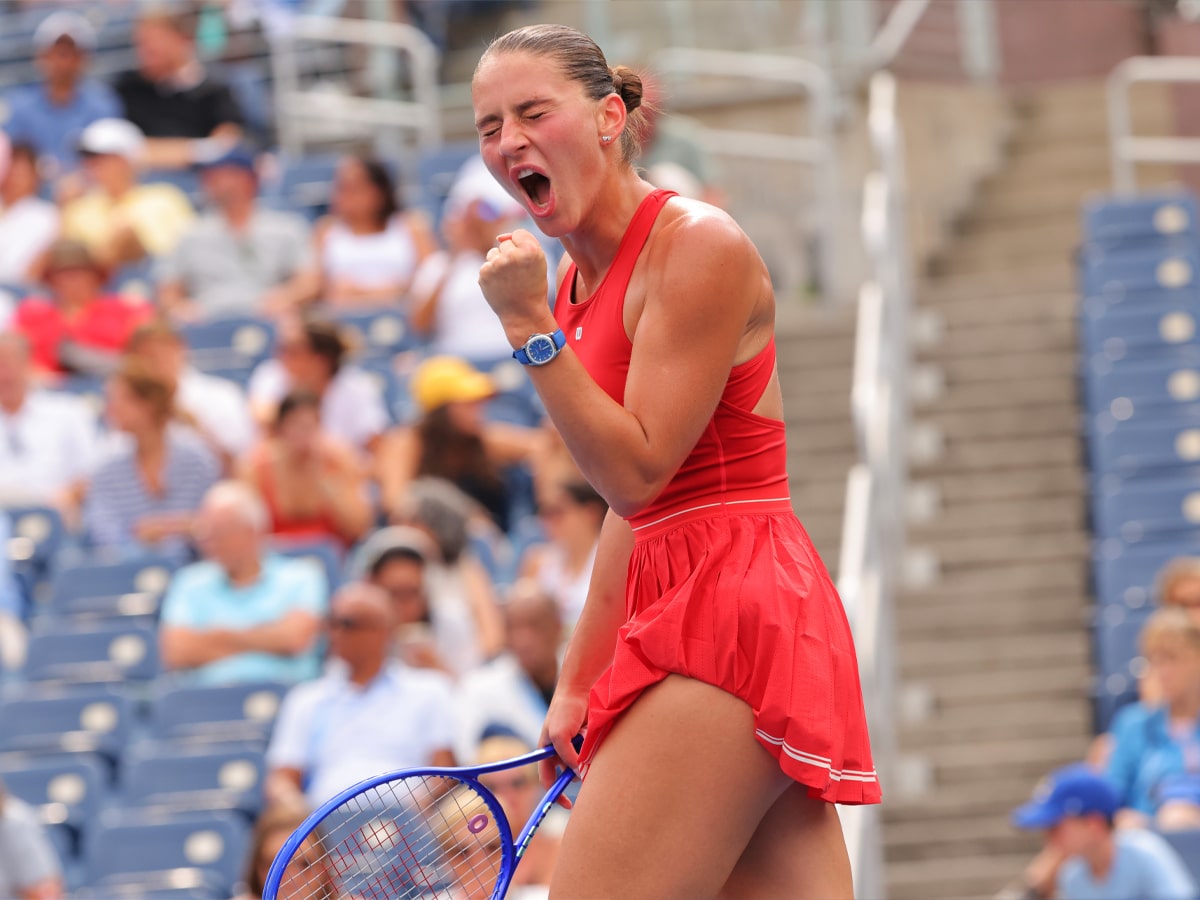
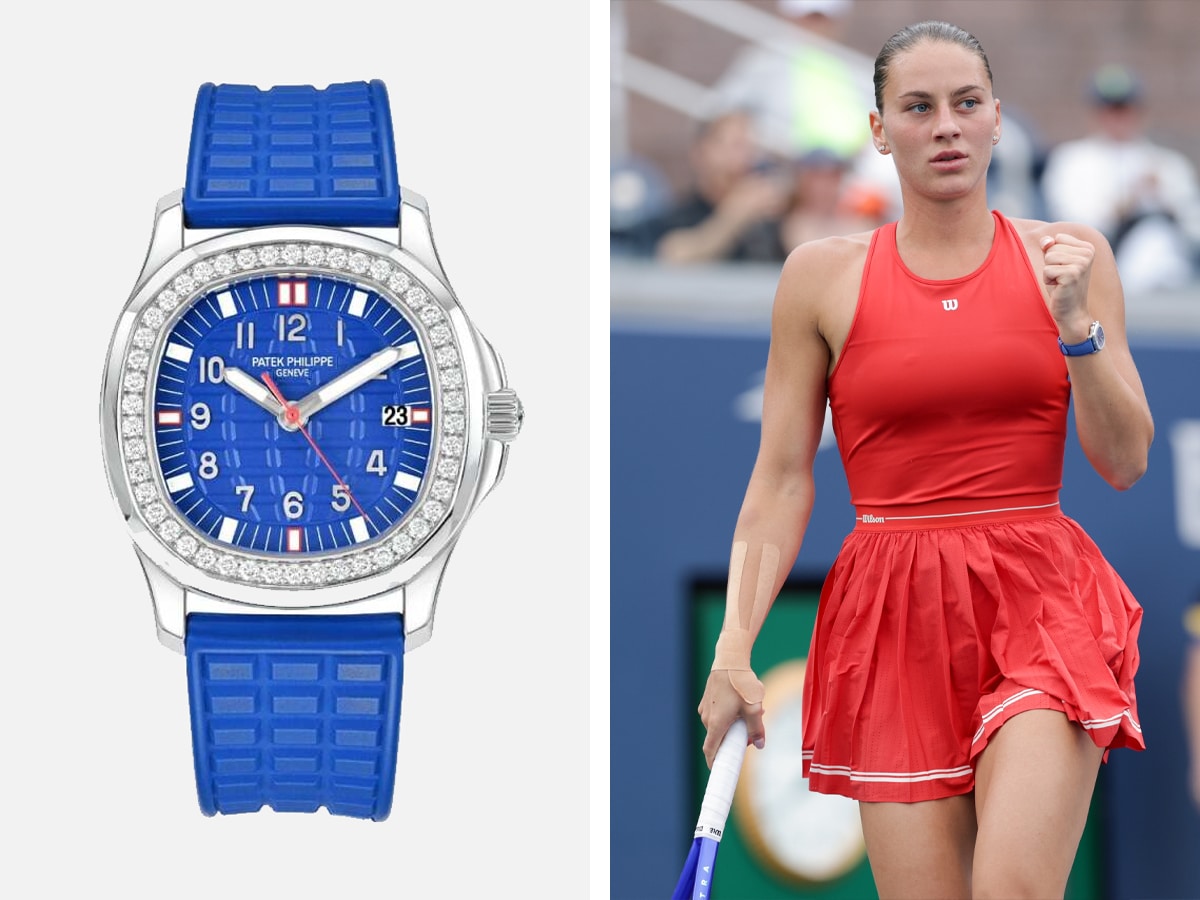
While most athletes leave their luxury timepieces in the locker room, Marta Kostyuk made headlines during her first-round victory by competing while wearing a Patek Philippe Aquanaut ‘Luce’ (ref. 5067A-014). This specific model, a discontinued reference from approximately 2005, currently commands a market price of around AUD $65,000.
The decision to wear a diamond-set Patek Philippe during professional play is a rare display of confidence in the watch’s durability. The Aquanaut ‘Luce’ features a 35.6mm stainless steel case and a bezel set with 46 brilliant-cut diamonds. The choice of a quartz movement—the Calibre E23-250 S C—is technically sound for the tennis court. Unlike mechanical movements, which contain delicate balance wheels and hairsprings that can be disrupted by the violent shocks of a 100mph serve, a quartz movement is far more resilient to G-forces and vibrations. The matching blue polymer strap not only coordinated with Kostyuk’s athletic apparel but also provided the necessary ergonomics for high-intensity movement.
Kaia Gerber and the Resurgence of Yellow Gold
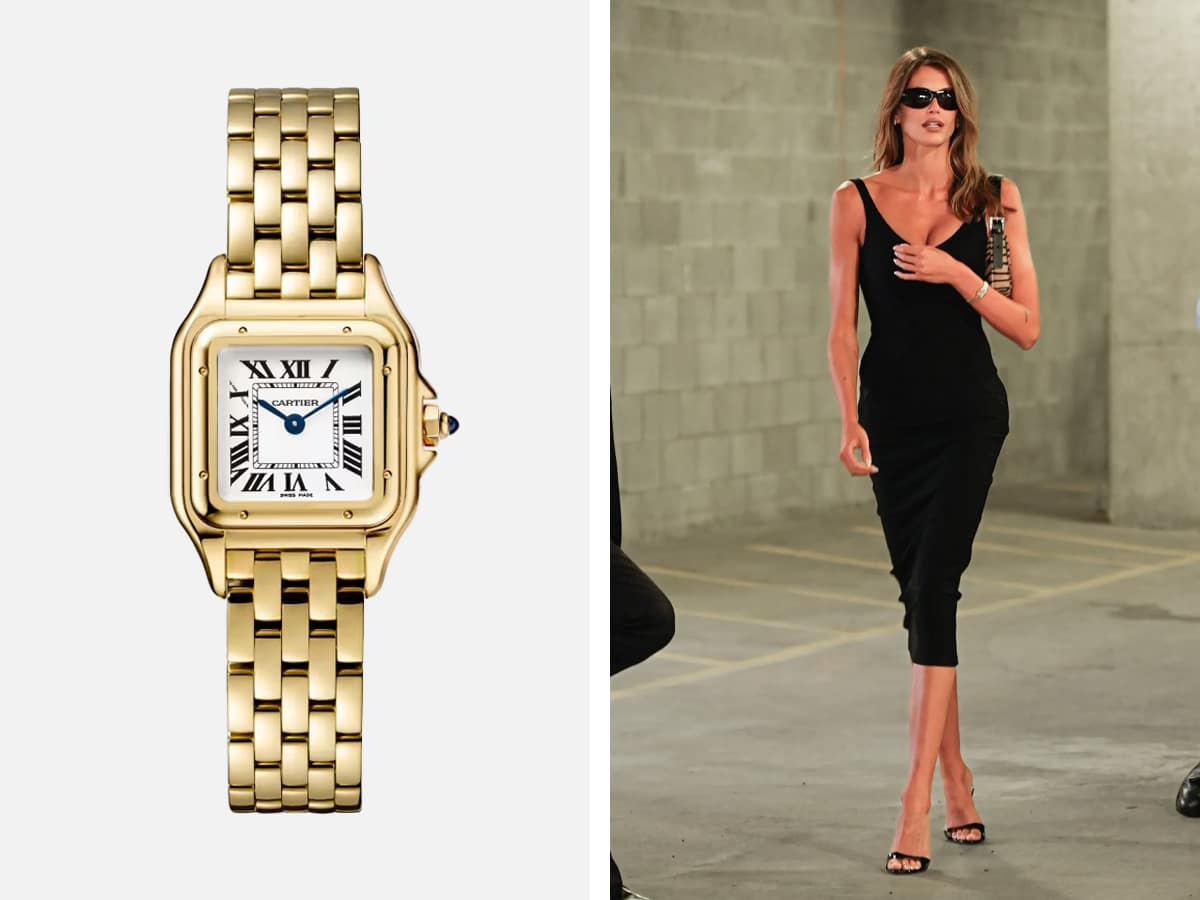
In the VIP suites, model Kaia Gerber represented the shift toward jewelry-focused horology. She was spotted wearing a Panthère de Cartier in solid 18k yellow gold. This piece, retailing for AUD $42,600, exemplifies the "watch as jewelry" philosophy that has regained immense popularity among female collectors.
The Panthère de Cartier is characterized by its square case (30.3mm x 22.0mm) and its ultra-flexible link bracelet, designed to mimic the fluid movement of the brand’s feline mascot. The watch features Cartier’s signature design codes: a silvered dial, blued-steel sword-shaped hands, and bold Roman numerals. By pairing this vintage-inspired gold piece with a minimalist black dress, Gerber highlighted the industry-wide return to precious metals and smaller case diameters. The use of a high-precision quartz movement allows the watch to maintain an incredibly slim profile, ensuring it sits flush against the wrist as a sophisticated accessory rather than a bulky instrument.
Orlando Bloom: Automotive Engineering and Stealth Design
Representing the technical and masculine side of the spectrum, actor and Porsche Design ambassador Orlando Bloom attended the tournament wearing the Chronograph 1 – All Black Numbered Edition. Retailing at AUD $18,137, this watch is a direct descendant of the world’s first all-black wristwatch, designed by Professor Ferdinand Alexander Porsche in 1972.
The Chronograph 1 is a study in functional clarity. The matte black titanium case and bracelet provide a lightweight yet incredibly durable structure. The dial is designed for maximum legibility, inspired by the dashboard instruments of the Porsche 911. Bloom’s choice reflects a growing interest in "stealth wealth"—timepieces that prioritize engineering and heritage over flashy precious stones. The watch is powered by the COSC-certified Porsche Design Calibre WERK 01.140, an automatic movement that features a specialized winding rotor shaped like a Porsche wheel rim. Bloom’s visit to the manufacturer’s Swiss facility earlier in the year underscores his genuine connection to the brand’s mechanical philosophy.
Chronology of the 2026 US Open Horological Sightings
The timeline of watch sightings during the 2026 US Open followed the rhythm of the tournament’s progression:
- Week 1 (Opening Rounds): The focus was on on-court durability. Marta Kostyuk’s Patek Philippe appearance set the tone for the first three days, sparking debates among collectors about the appropriateness of wearing "holy trinity" brands during professional matches.
- The "Icon Returns" Event: Mid-tournament, Roger Federer’s appearance with the Rolex ‘Celebration’ dial shifted the conversation toward the 36mm trend and the use of color in high-end watchmaking.
- Quarter-Finals and Semi-Finals: As the stakes increased, the celebrity presence in the Arthur Ashe Stadium intensified. This period saw a high concentration of Cartier and integrated-bracelet sports watches, such as the Audemars Piguet Royal Oak and Vacheron Constantin Overseas, appearing in the front rows.
- The Finals: The closing weekend featured the most prestigious pieces, with ambassadors for Richard Mille and Rolex appearing in full force to support the finalists.
Market Analysis and Broader Implications
The 2026 US Open confirmed several key trends that are likely to define the luxury watch market for the remainder of the decade. First is the "unisex" appeal of mid-sized watches. Federer’s 36mm Rolex and Gerber’s compact Cartier demonstrate that the industry is moving away from gender-specific sizing in favor of historical proportions.
Second, the tournament highlighted the increasing importance of brand ambassadors who possess genuine passion for the craft. Orlando Bloom’s technical knowledge of Porsche Design and Federer’s long-standing relationship with Rolex provide a level of authenticity that resonates with modern consumers who are skeptical of traditional celebrity endorsements.
Finally, the presence of high-value watches like the Patek Philippe Aquanaut on the court suggests a new era of "extreme testing." As luxury brands continue to innovate with materials like titanium, ceramic, and shock-resistant movements, the boundary between a "dress watch" and a "tool watch" continues to blur.
Conclusion
The 2026 US Open was more than a display of world-class tennis; it was a masterclass in modern horology. From the playful colors of Federer’s Rolex to the diamond-set resilience of Kostyuk’s Patek Philippe, the timepieces seen at Flushing Meadows reflect a global market that values heritage, precision, and personal expression. As the $108 million prize pool was distributed among the athletes, the watches on their wrists and in the stands told a parallel story of success, style, and the enduring allure of fine watchmaking. The tournament remains a vital barometer for the luxury industry, proving that in the world of high-stakes sports, timing—and the instrument used to measure it—is everything.

 Joko Widodo
 admin
admin
 Jia Lissa
 Yuyun Lusiyani
 Pevita Pearce