
 admin
admin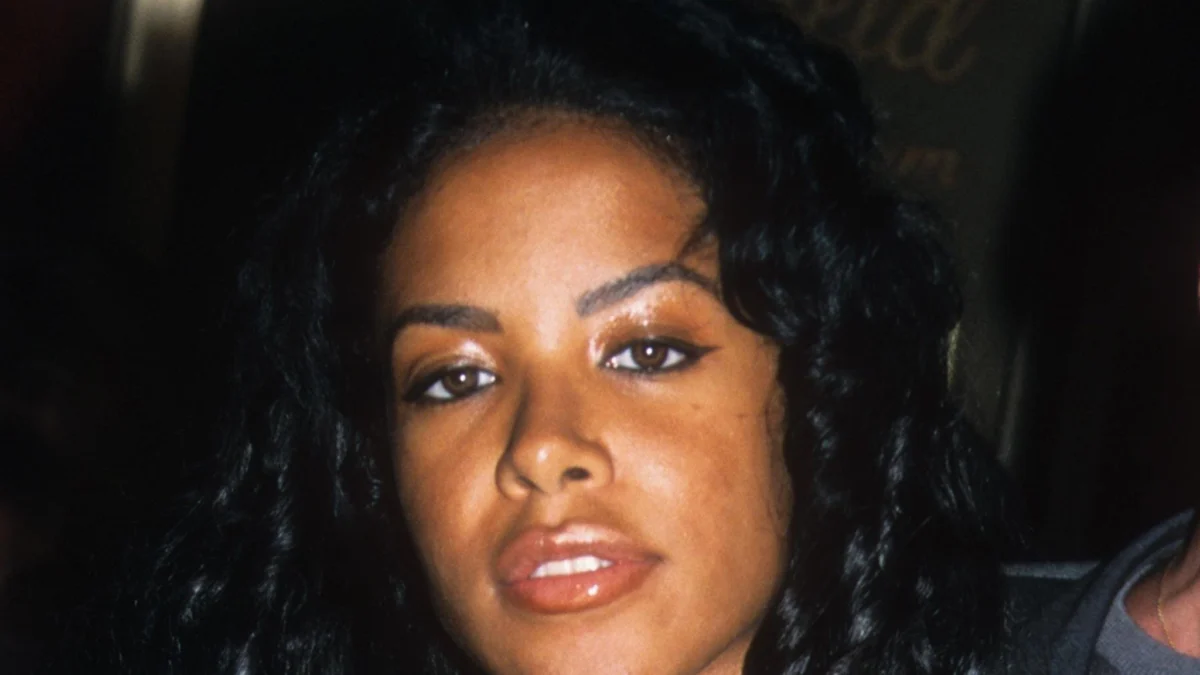
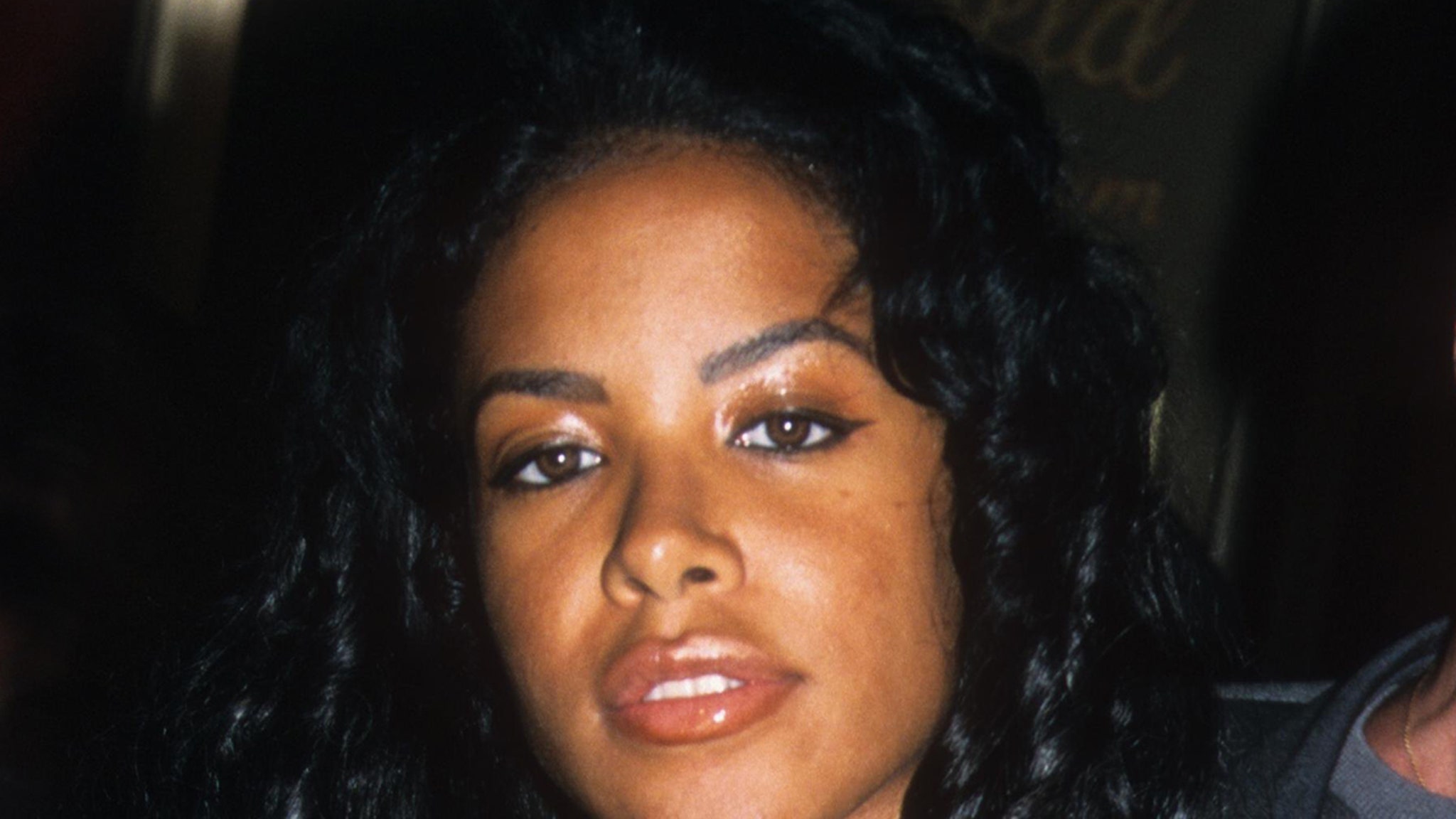
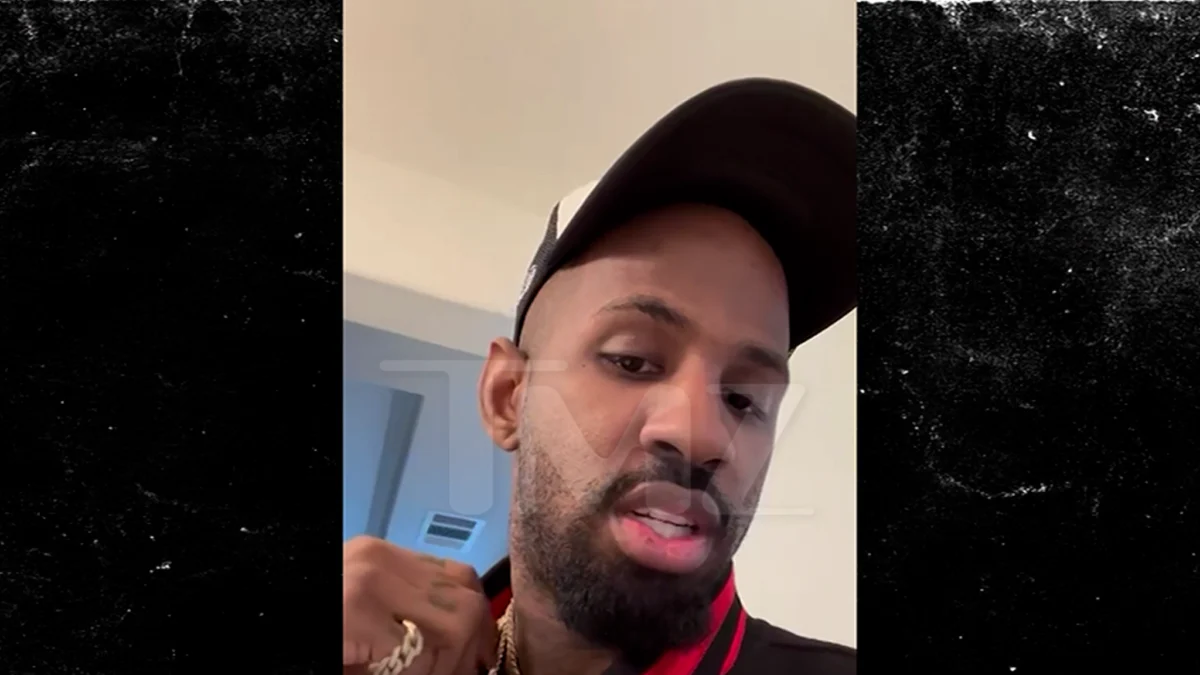
In a dramatic legal development that reignites two decades of grief and speculation surrounding the tragic death of R&B superstar Aaliyah, her uncle and long-time manager, Barry Hankerson, has publicly accused his own son, Jomo Hankerson, of being partly responsible for the fatal 2001 plane crash. This bombshell allegation comes to light as the two men are locked in a contentious legal battle over millions of dollars in music rights and catalog assets stemming from Aaliyah’s celebrated career, as well as the work of other prominent artists like Toni Braxton, DMX, and Timbaland.
The accusation, unearthed from court documents obtained by TMZ, places Jomo Hankerson at the center of the travel coordination for Aaliyah’s ill-fated trip to the Bahamas in August 2001. According to Barry Hankerson, Jomo was compensated to arrange the logistics for Aaliyah and her entourage as they traveled to film the music video for her hit single "Rock the Boat." However, Barry alleges that Jomo "failed in his responsibility" to properly manage these travel plans, leading to a series of events that culminated in Aaliyah boarding the private jet that ultimately crashed, killing everyone on board.
The Weight of Allegations: Travel Coordination and the Crash
Barry Hankerson’s legal filing explicitly states that the fatal crash, which claimed the lives of Aaliyah and eight others, "may have been avoided had [Jomo] followed through on his compensated task of travel coordination." This claim suggests that if alternative, presumably safer, travel arrangements had been made or overseen more diligently, the catastrophe could have been averted. The specific nature of Jomo’s alleged failure is tied to the choice and oversight of the private aircraft. Barry Hankerson claims that his relationship with his son has been irrevocably damaged since Aaliyah’s death, implying a long-simmering resentment that has now surfaced in the public domain through this high-stakes lawsuit. The gravity of such an accusation, particularly one linking a family member directly to a loved one’s death, underscores the deep fractures within the Hankerson family.
The Core of the Financial Dispute: Music Rights and Millions
While the plane crash accusation is undoubtedly the most shocking element, it is embedded within a broader, complex financial dispute initiated by Jomo Hankerson. Jomo has filed a lawsuit against his father, Barry Hankerson, and Blackground Records, the label founded by Barry that was home to Aaliyah’s groundbreaking catalog, as well as significant works by Toni Braxton, DMX, and Timbaland.
Jomo Hankerson’s complaint alleges a breach of a prior settlement agreement concerning the highly valuable recording masters and music publishing copyrights for these artists. According to Jomo, he is contractually owed 12% of the revenue Barry Hankerson has generated from these music assets. However, Jomo claims that his father has systematically used Blackground Records to obscure financial dealings, engaging in practices designed to "hide money" and "manufacture expenses that have nothing to do with the music assets." These alleged actions, Jomo contends, were specifically designed "for the purpose of pressuring [him] into accepting less than what he is owed." Jomo Hankerson is seeking over $1.2 million in damages, a figure that highlights the significant financial stakes involved in the family feud.
Counter-Allegations and Denials
Barry Hankerson has vehemently denied all allegations of wrongdoing in Jomo’s lawsuit. In his defense, Barry claims that the settlement agreement Jomo is referencing is not valid, asserting that it was "executed under fraud." This counter-claim introduces another layer of complexity to the legal proceedings, suggesting that the very foundation of Jomo’s financial claim is illegitimate.
Adding to the contentious nature of the dispute, Barry Hankerson has also made a serious counter-allegation against his son. He claims that Jomo once threatened to release previously unreleased Aaliyah music if his financial demands were not met. This allegation, if proven true, would represent a significant ethical breach and a potential violation of intellectual property rights, particularly given the sensitive nature of Aaliyah’s posthumous catalog. Such a threat could be seen as an attempt to leverage Aaliyah’s legacy for personal gain. Jomo Hankerson, in turn, has denied all claims of wrongdoing made by his father, establishing a clear line of opposition between the two parties. The case remains ongoing, promising further revelations as it progresses through the legal system.
A Tragic History: Aaliyah’s Enduring Legacy and the 2001 Crash
To fully grasp the profound impact of Barry Hankerson’s recent allegations, it is essential to revisit the tragic events of August 25, 2001. Aaliyah Dana Haughton, known mononymously as Aaliyah, was at the zenith of her career, celebrated for her innovative R&B sound and burgeoning acting career. She had just completed filming the music video for "Rock the Boat" in the Abaco Islands, Bahamas. Desperate to return to Miami ahead of schedule, Aaliyah and her entourage boarded a Cessna 402B twin-engine light aircraft at Marsh Harbour Airport. Shortly after takeoff, the plane crashed approximately 200 feet from the runway, instantly killing Aaliyah, then 22, and seven others onboard. The ninth victim succumbed to injuries shortly after.
The subsequent investigation by the U.S. National Transportation Safety Board (NTSB) and Bahamian authorities revealed a horrifying chain of negligence and illicit activity. The NTSB report concluded that the aircraft was severely overloaded, exceeding its maximum takeoff weight by an estimated 700 pounds, and was improperly balanced. More critically, the pilot, Luis Morales III, was found to have a revoked FAA private pilot’s license and had falsified his flight hours to obtain his air transport pilot certificate. Toxicology reports later confirmed the presence of cocaine and alcohol in Morales’s system, raising serious questions about his fitness to fly. The NTSB’s findings unequivocally pointed to pilot error, aircraft overloading, and the unauthorized nature of the flight as primary causes of the crash.
In the years following the crash, Aaliyah’s parents, Diane and Michael Haughton, filed a wrongful death lawsuit against Blackground Records and the airline, among others. These lawsuits were ultimately settled out of court, ensuring that the precise details and financial terms remained private. The lingering questions surrounding the travel arrangements and the pressure to fly in potentially unsafe conditions have always been a somber undertone to Aaliyah’s otherwise celebrated legacy. Barry Hankerson’s current allegations against Jomo directly tap into these unresolved questions, suggesting that negligence in travel coordination played a pivotal role in the tragic outcome.
A Family Divided: The Hankerson Dynasty and Blackground Records
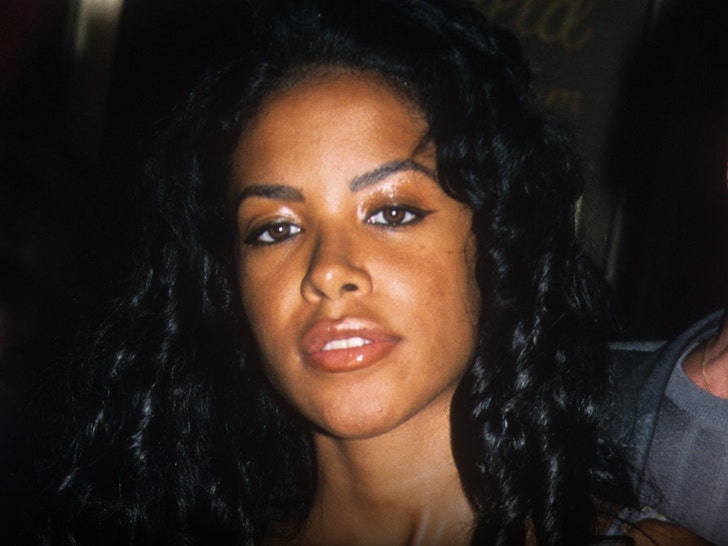
The Hankerson family has long been intertwined with Aaliyah’s career. Barry Hankerson, Aaliyah’s maternal uncle, played a crucial role in launching and managing her career from a young age. He founded Blackground Records in 1993, signing Aaliyah as its flagship artist. The label was instrumental in shaping her distinct sound, collaborating with producers like Timbaland and Missy Elliott, and releasing her critically acclaimed albums, Age Ain’t Nothing but a Number, One in a Million, and Aaliyah.
Blackground Records also boasted a roster of other influential artists, including Toni Braxton, DMX, and Timbaland, cementing its status as a significant player in late 1990s and early 2000s R&B and hip-hop. The label’s catalog, therefore, represents a substantial financial asset, particularly in the current music industry landscape where streaming has revitalized interest in back catalogs. The recent re-release of Aaliyah’s music on streaming platforms in 2021, after years of being largely unavailable due to rights disputes, underscored the immense value and demand for her work. It is against this backdrop of significant financial worth that the current legal battle between Barry and Jomo Hankerson is unfolding.
Jomo Hankerson’s role in the family business, while less publicly prominent than Barry’s, was nonetheless significant. As Barry’s son and Aaliyah’s cousin, he was reportedly involved in various aspects of Blackground Records and Aaliyah’s career, including, as Barry alleges, travel coordination. This intergenerational and intra-family dynamic, where business and personal relationships are deeply intertwined, adds a layer of complexity and emotional intensity to the legal proceedings. The accusations flying between father and son speak volumes about the potential for family enterprises, especially in the high-stakes music industry, to become fertile ground for conflict and resentment when financial interests clash.
Legal Landscape and Broader Implications
The ongoing lawsuit between Barry and Jomo Hankerson presents a challenging legal landscape. Jomo’s claim for breach of settlement agreement will require a detailed examination of the original contract, the financial records of Blackground Records, and the valuation of the music assets in question. The allegations of "hiding money" and "manufacturing expenses" will necessitate forensic accounting and potentially extensive discovery processes. Barry’s defense of "fraud" regarding the settlement’s execution will place the burden on him to prove that Jomo engaged in deceptive practices when the agreement was made.
However, the most emotionally charged and potentially damaging aspect of the lawsuit remains Barry’s accusation regarding the plane crash. Proving a direct causal link between Jomo’s alleged failure in travel coordination and the crash, two decades after the event and with comprehensive NTSB findings already attributing blame elsewhere (pilot error, overloading), will be an immense legal hurdle. While Barry’s statement may serve to explain the breakdown of his relationship with his son and potentially influence the court’s perception of Jomo’s character, its direct impact on the financial claims related to music rights is less clear. It could be seen as an attempt to discredit Jomo or to introduce an emotional element into a financial dispute.
Beyond the immediate legal ramifications for the Hankersons, this case carries broader implications for the music industry, particularly concerning artist estates, catalog management, and the often-fraught relationships between artists, their families, and their business managers. The valuation of music rights, especially for iconic artists like Aaliyah, has skyrocketed in recent years, making disputes over ownership and revenue increasingly common and financially significant. This case highlights the need for clear, legally sound agreements and transparent financial practices within artist management and record labels to prevent such devastating family and business breakdowns.
Furthermore, the public nature of these accusations inevitably casts a new, somber shadow over Aaliyah’s legacy. While her music and artistry remain celebrated, the ongoing familial strife and the re-examination of the circumstances surrounding her death serve as a stark reminder of the personal and professional complexities that can continue to unfold long after a star has departed. The resolution of this lawsuit will not only determine the financial fate of the Hankerson family but also, in some measure, shape the narrative surrounding one of R&B’s most beloved figures. The case is ongoing, and the music world watches to see how these deeply personal and financially significant allegations will ultimately be resolved.



 Joko Widodo
 Lina Irawan
 Jia Lissa
 Yuyun Lusiyani
 Pevita Pearce