Yuyun Lusiyani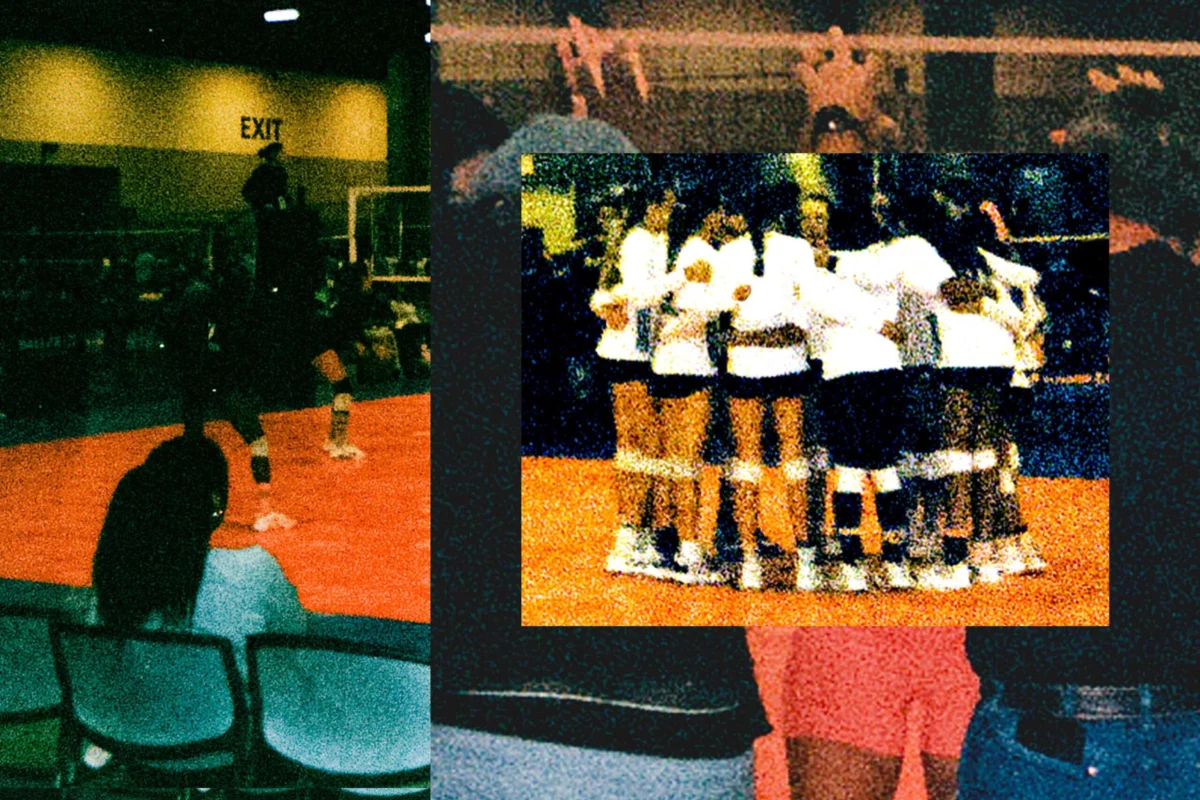
For more than a year, a deep-dive investigation has meticulously uncovered critical systemic failures within youth sports organizations, revealing profound gaps that have permitted coaches banned for misconduct to continue working with young athletes. This ongoing journalistic endeavor has brought to light alarming deficiencies in safeguarding children, prompting renewed calls for accountability and more robust protective measures across the vast landscape of amateur athletics. The findings underscore a troubling disconnect between national protective mandates and their on-the-ground implementation, leaving countless young participants vulnerable.
The Genesis of a Crisis: Unmasking Systemic Vulnerabilities
The investigation commenced with a focus on understanding the intricate web of policies, or often the lack thereof, that govern child protection in youth sports. It sought to identify how and why individuals, deemed unfit to coach due to serious misconduct, manage to sidestep bans and re-engage with vulnerable populations. The initial phase concentrated on major nonprofit sports organizations, recognizing their significant influence and reach within the youth athletic community. The core premise was to examine whether existing frameworks, notably those established by the U.S. Center for SafeSport, were adequately enforced by the very organizations they were designed to oversee.
The U.S. Center for SafeSport, often referred to simply as SafeSport, was established by Congress in 2017. Its creation was a direct response to a series of high-profile sexual abuse scandals that rocked the sports world, most notably the widespread abuse within USA Gymnastics perpetrated by former team doctor Larry Nassar. SafeSport’s mandate is broad and critical: to serve as an independent national body to prevent and respond to emotional, physical, and sexual abuse in sport. It develops universal policies, provides education and training, and most importantly, investigates allegations of misconduct and issues disciplinary sanctions, including bans. A cornerstone of its operation is the Centralized Disciplinary Database (CDD), a publicly accessible list of individuals who have been suspended or banned from participating in sports activities. The expectation was that this database would act as a critical deterrent and a vital tool for organizations to vet coaches and staff, preventing known offenders from moving between different sports or clubs. However, the investigation’s findings suggest that this crucial mechanism is not consistently or effectively utilized by all organizations.
The Amateur Athletic Union: A "Haven" for Banned Coaches?
A significant revelation from the ongoing inquiry points to the Amateur Athletic Union (AAU) as a prominent example of an organization where systemic failures appear to have created a permissive environment. The AAU, one of the largest and oldest multi-sport amateur athletic organizations in the United States, boasts millions of participants and thousands of volunteers and coaches across numerous sports. Its decentralized structure, with many individual clubs and teams operating under the AAU banner, presents unique challenges for centralized oversight and enforcement of protective policies.
The investigation specifically identified eight coaches who, despite being explicitly banned by SafeSport and listed on its public database, were reportedly still actively working with young athletes under the AAU’s purview. This finding raises serious questions about the AAU’s internal vetting processes, its communication protocols with SafeSport, and the efficacy of its compliance department. The very existence of a publicly accessible ban list, designed for organizations like the AAU to consult, makes the continued employment of these individuals particularly troubling. It suggests either a deliberate disregard for SafeSport’s directives, a severe lapse in organizational due diligence, or a fundamental flaw in how information is disseminated and acted upon within the AAU’s extensive network.
In response to these allegations, the AAU has issued a statement asserting its commitment to child protection. The organization stated that it is "committed to protecting its athletes through comprehensive protection policies overseen by our Compliance Department." While such a statement affirms a dedication to safety in principle, the investigation’s findings challenge the practical effectiveness of these policies and the vigilance of the compliance department. The discrepancy between the AAU’s stated commitment and the documented instances of banned coaches operating within its framework highlights a critical gap that demands immediate and thorough internal review and external scrutiny. The implications are profound, suggesting that even with a national body like SafeSport in place, the responsibility for safeguarding children ultimately rests with individual sports organizations, and some are demonstrably failing to meet this crucial obligation.
The Ryan Richardson Case: A Chilling Illustration of Systemic Gaps
The broader systemic issues are starkly personified in the case of Ryan Richardson, a Texas volleyball coach whose story serves as a chilling illustration of how banned individuals can continue to operate within youth sports. Richardson’s journey from a recognized coach to an individual under federal investigation underscores the severity of the problem and the persistent loopholes that enable such dangerous conduct.
Richardson was initially banned by SafeSport, a decisive action intended to remove him from any coaching capacity involving young athletes. Despite this clear directive, he reportedly continued his coaching activities, actively circumventing the ban. This ability to evade a national prohibition demonstrates a significant vulnerability in the enforcement ecosystem. It suggests that while SafeSport can issue bans, the onus of enforcing these bans often falls to disparate local clubs, organizations, and even vigilant parents, rather than a cohesive, universally applied system.
The severity of Richardson’s alleged actions and his continued defiance of the SafeSport ban eventually drew the attention of federal authorities. He is now under investigation by the Department of Homeland Security, elevating the matter from a sports governance issue to a serious criminal inquiry. This federal involvement underscores the potential criminal dimensions of such misconduct and the broader societal implications when safeguards fail.
Richardson himself has publicly denied the allegations. When first suspended in 2024, local news outlet MyRGV reported his claims that the complaints against him were an effort to "retaliate and defame someone’s character." He further asserted that he "would never do anything to risk the physical or mental wellbeing of these strong young ladies." These statements, while offering his defense, stand in stark contrast to the findings of SafeSport and the ongoing federal investigation. His refusal to respond to multiple requests for comment from ProPublica and The Washington Post regarding their reporting, or an email concerning the Homeland Security investigation, further shrouds the specifics of his case in a veil of unanswered questions. The Richardson case is a powerful testament to the challenges of accountability, the determination of some individuals to flout protective measures, and the critical need for robust, unyielding enforcement across all levels of youth sports.
A Chronology of Oversight and Failure: The Evolution of Safeguards
The current crisis in youth sports did not emerge in a vacuum. Its roots lie in decades of decentralized oversight, fragmented policies, and a historical tendency for sports organizations to self-regulate, often with inadequate results.
- Pre-2017 Era: Fragmented Oversight: Prior to the establishment of SafeSport, the landscape of child protection in youth sports was highly fragmented. Each national governing body (NGB) for a sport (e.g., USA Gymnastics, USA Swimming, USA Volleyball) was largely responsible for establishing and enforcing its own athlete safety policies. This led to inconsistencies in reporting, investigation standards, and disciplinary actions. Critically, there was no centralized database, allowing individuals banned by one NGB to easily move to another sport or organization without detection. This "revolving door" phenomenon was a significant vulnerability that allowed predators to persist in youth sports.
- 2017: The Ted Stevens Olympic and Amateur Sports Act Amendments: Spurred by the Nassar scandal and other revelations, Congress amended the Ted Stevens Olympic and Amateur Sports Act to establish the U.S. Center for SafeSport. This landmark legislation granted SafeSport exclusive jurisdiction over alleged sexual abuse and misconduct within the U.S. Olympic and Paralympic Movement and its member organizations. It mandated universal policies, a code of conduct, and an independent reporting and investigation mechanism.
- 2018-Present: Implementation and Challenges: Since its inception, SafeSport has worked to establish its authority, develop its policies, and build its investigative capacity. The creation of the Centralized Disciplinary Database (CDD) was a pivotal step, providing a transparent record of sanctions. However, as the ongoing investigation reveals, the mere existence of these structures does not guarantee compliance. Challenges have included resistance from some organizations, difficulties in harmonizing policies across diverse sports, and the sheer scale of monitoring millions of participants. The current investigation’s findings, highlighting organizations like the AAU and individuals like Ryan Richardson, indicate that while the framework for protection exists, significant enforcement and compliance gaps persist, allowing the pre-SafeSport era "revolving door" problem to continue in new forms.
The Broader Impact: Data, Vulnerabilities, and the Call for Action
The implications of these systemic failures extend far beyond individual cases. Youth sports in the United States is a massive enterprise, involving tens of millions of children and adolescents, supported by millions of coaches, volunteers, and parents. This vast ecosystem, while offering immense benefits in terms of physical activity, teamwork, and character development, also presents a significant environment for potential abuse when safeguards are weak.
The reliance of parents on organizations to vet their staff is immense. Many parents assume that if a coach is affiliated with a recognized organization, they have undergone thorough background checks and are safe. The findings of this investigation shatter that assumption, revealing that even national bans are not always sufficient to prevent access to children. The psychological and emotional toll on young victims of abuse is devastating and long-lasting, often impacting their trust, self-esteem, and ability to form healthy relationships for years to come.
This ongoing journalistic effort serves as a critical public service, illuminating these hidden dangers and demanding accountability. The investigation is actively seeking further information from the public, acknowledging the sensitive nature of these topics but emphasizing their critical importance. Individuals who possess knowledge about coaches listed on the SafeSport database who are still working with children, or who have personal experiences with how youth sports organizations have handled abuse allegations, are encouraged to come forward. This call for public input is not merely an appeal for stories but a strategic move to gather more data points, identify patterns, and ultimately strengthen the case for systemic reform.
The specific areas of interest for the investigation include, but are not limited to, instances of banned coaches continuing to operate, details of organizational responses (or lack thereof) to abuse allegations, and any experiences that shed light on the mechanisms through which individuals circumvent protective measures. Assurance of strict privacy protocols for all submissions is a cornerstone of this outreach, recognizing the immense courage required to share such experiences.
Toward Enhanced Accountability and a Safer Future
The findings of this investigation necessitate a multi-pronged approach to foster greater accountability and ensure a safer environment for young athletes. This includes:
- Rigorously Enforcing SafeSport Bans: All youth sports organizations, regardless of size or affiliation, must be held strictly accountable for adhering to SafeSport’s directives and utilizing the CDD as a mandatory vetting tool.
- Strengthening Background Checks: Beyond initial checks, there is a need for continuous monitoring and re-vetting mechanisms to ensure that coaches do not become disqualified post-employment.
- Mandatory Information Sharing: Establishing clear protocols for cross-organizational sharing of disciplinary actions is crucial to close loopholes that allow banned individuals to move between sports or clubs.
- Increased Public Awareness: Educating parents, athletes, and volunteers about SafeSport, its resources, and the importance of reporting misconduct is vital.
- Legal and Legislative Review: A review of existing laws and regulations may be necessary to empower SafeSport with greater enforcement capabilities and to impose harsher penalties on organizations that fail to comply.
- Organizational Culture Change: Fostering a culture within sports organizations where athlete safety is paramount, reporting is encouraged, and allegations are taken seriously and acted upon swiftly, is essential.
The ongoing investigation into the failures of youth sports organizations to protect children from sexual abuse serves as a stark reminder of the continuous vigilance required to safeguard the most vulnerable members of society. The goal is not merely to expose wrongdoing but to catalyze fundamental changes that will create a truly safe and nurturing environment for every child who dreams of playing sports. The work is far from over, and the collective effort of journalists, advocates, policymakers, and the public will be indispensable in ensuring that the lessons learned from these painful revelations lead to lasting and effective reforms.


 admin
admin
 Lina Irawan
 Nana Wu
 Joko Widodo