
 Lina Irawan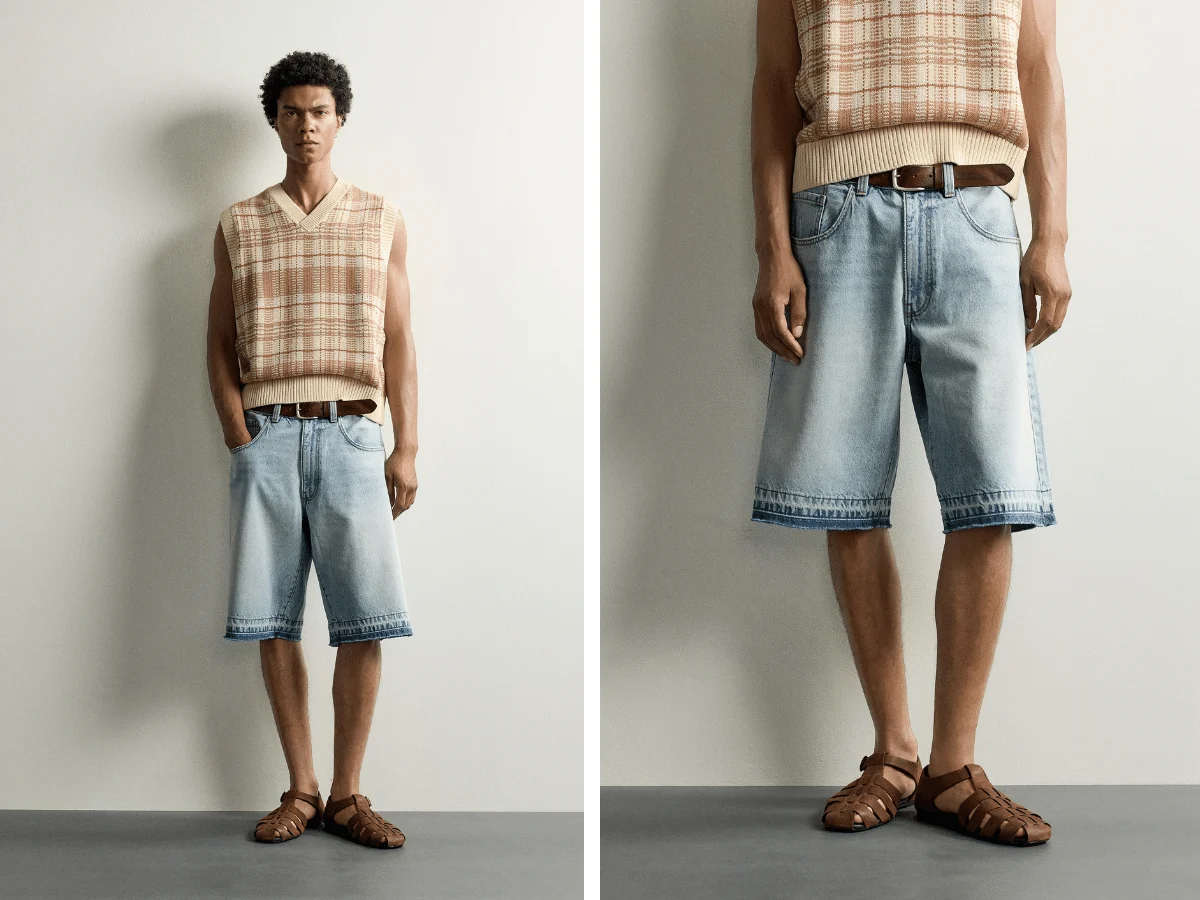
The global men’s footwear market, valued at approximately $170 billion in 2023, is currently witnessing a significant structural shift as traditional boundaries between casual and formal attire continue to dissolve. For decades, open-toed footwear was relegated to the periphery of men’s fashion, viewed almost exclusively as utilitarian equipment for the beach or the locker room. However, recent data from retail analytics firms indicates a 25% year-over-year increase in searches for "luxury men’s sandals," signaling that the open-toed shoe has successfully migrated from the boardwalk to the boardroom and the high-end bistro. This evolution reflects a broader cultural embrace of "relaxed elegance," where comfort is no longer sacrificed for style, but rather integrated into a sophisticated aesthetic through premium materials and architectural silhouettes.
The Chronological Evolution of the Men’s Sandal
The history of the sandal is as old as civilization itself, with the earliest examples dating back nearly 10,000 years to the Fort Rock Cave in Oregon. For millennia, sandals were the default footwear for men in ancient Egypt, Greece, and Rome, serving as indicators of social status and military rank. However, the rise of industrialization and the subsequent formalization of Western dress codes in the 19th and 20th centuries saw the sandal marginalized in favor of the leather boot and Oxford shoe.
The mid-20th century saw a brief resurgence through the "Beatnik" and "Hippie" movements, but it wasn’t until the "Normcore" trend of the early 2010s that sandals began to be reconsidered by the fashion elite. By 2020, the global pandemic accelerated this shift; as remote work became the standard, the demand for "house shoes" and comfortable alternatives to traditional dress shoes skyrocketed. Today, the men’s sandal is a staple of the Spring/Summer runway collections of major fashion houses, including Loewe, Prada, and Studio Nicholson, proving that the open-toed look is a permanent fixture in the modern wardrobe.
Market Analysis and the Premiumization of Casual Footwear
The shift in consumer behavior is supported by a "premiumization" trend within the footwear industry. While mass-market rubber flip-flops remain a commodity, the luxury segment—defined by sandals retailing between $300 and $1,500—is expanding. Consumers are increasingly prioritizing "investment pieces" made from vegetable-tanned leathers, nubuck, and high-tech synthetic materials.
According to industry analysts, this trend is driven by three primary factors:

- Versatility: Modern sandals are designed to transition from day to night, reducing the need for multiple pairs of shoes during travel.
- Sustainability: Premium leather sandals are often repairable and age with a patina, appealing to the environmentally conscious "slow fashion" consumer.
- Celebrity Endorsement: The visibility of high-profile male icons wearing sandals with tailored suits has normalized the look for the general public.
Essential Categories of Modern Open-Toed Footwear
To successfully navigate this trend, men must understand the distinct categories of open-toed shoes and the specific contexts in which they operate.
The Leather Sandal: The New Standard for Sophistication
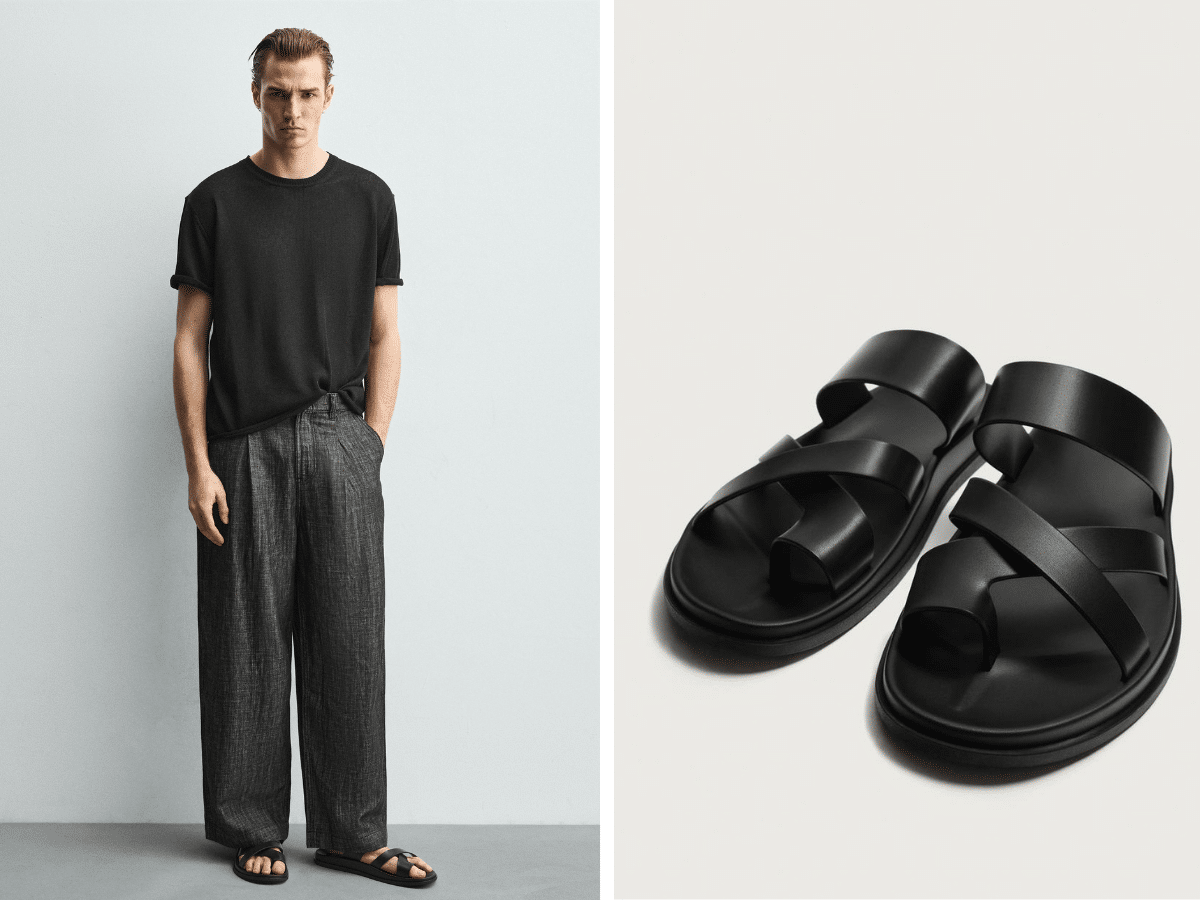
Leather sandals are the cornerstone of the elevated summer look. Experts suggest opting for simple, wide straps and substantial soles. "A minimalist design in high-quality leather can be dressed up or down with ease," notes stylist Charlie Rincon. The key is the material; while rubber or plastic can appear as an afterthought, deep brown or black leather suggests intentionality. These shoes are suitable for casual dinners, gallery openings, and summer weddings when paired with the right tailoring.
The Fisherman Sandal: Architectural Utility
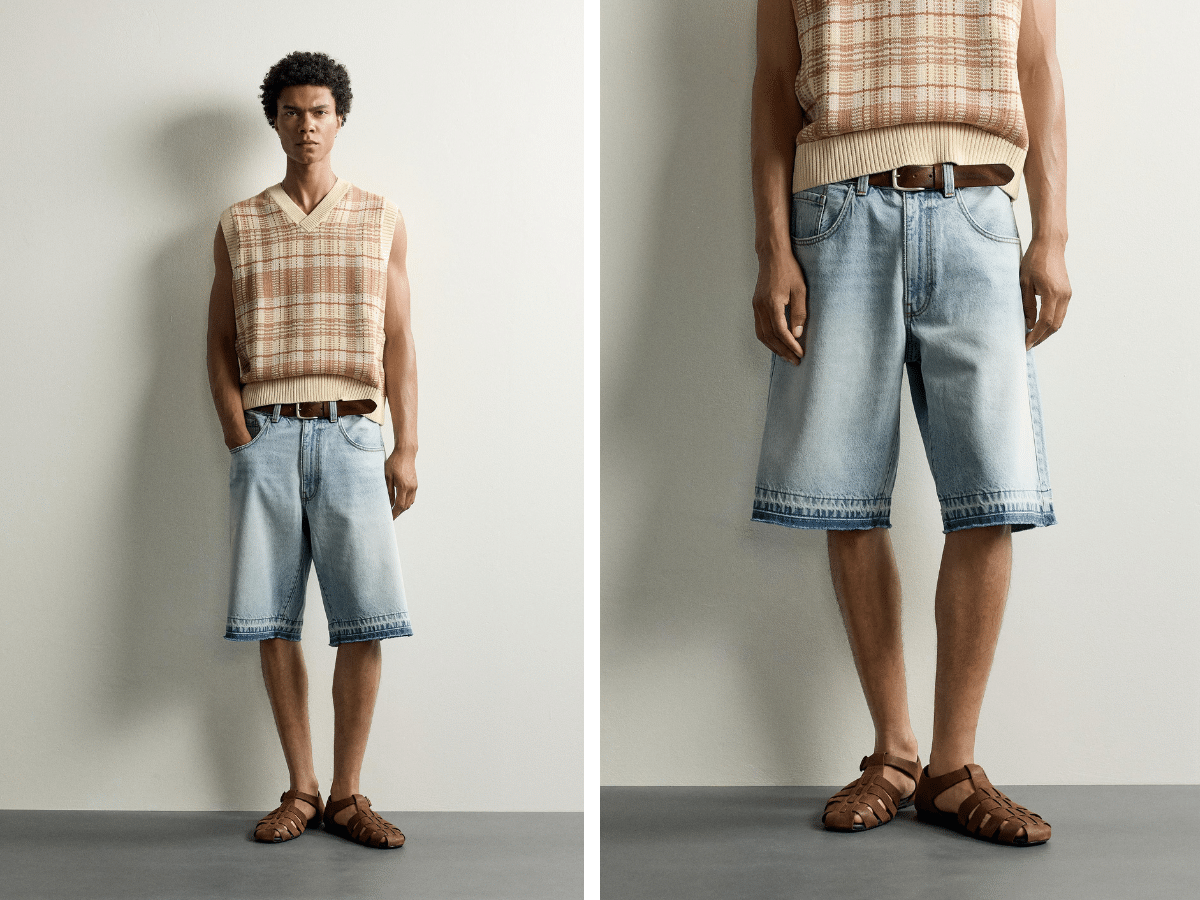
Characterized by a series of interwoven leather straps that enclose the foot while remaining breathable, the fisherman sandal (or "cage" sandal) offers more structure than a standard flip-flop. Historically rooted in the practical needs of Mediterranean mariners, the modern version is a favorite among those who prefer a more "architectural" or "rugged" aesthetic. It provides the coverage of a shoe with the ventilation of a sandal, making it an ideal entry point for men who are hesitant to show too much skin.
The Sport Sandal: The Gorpcore Influence
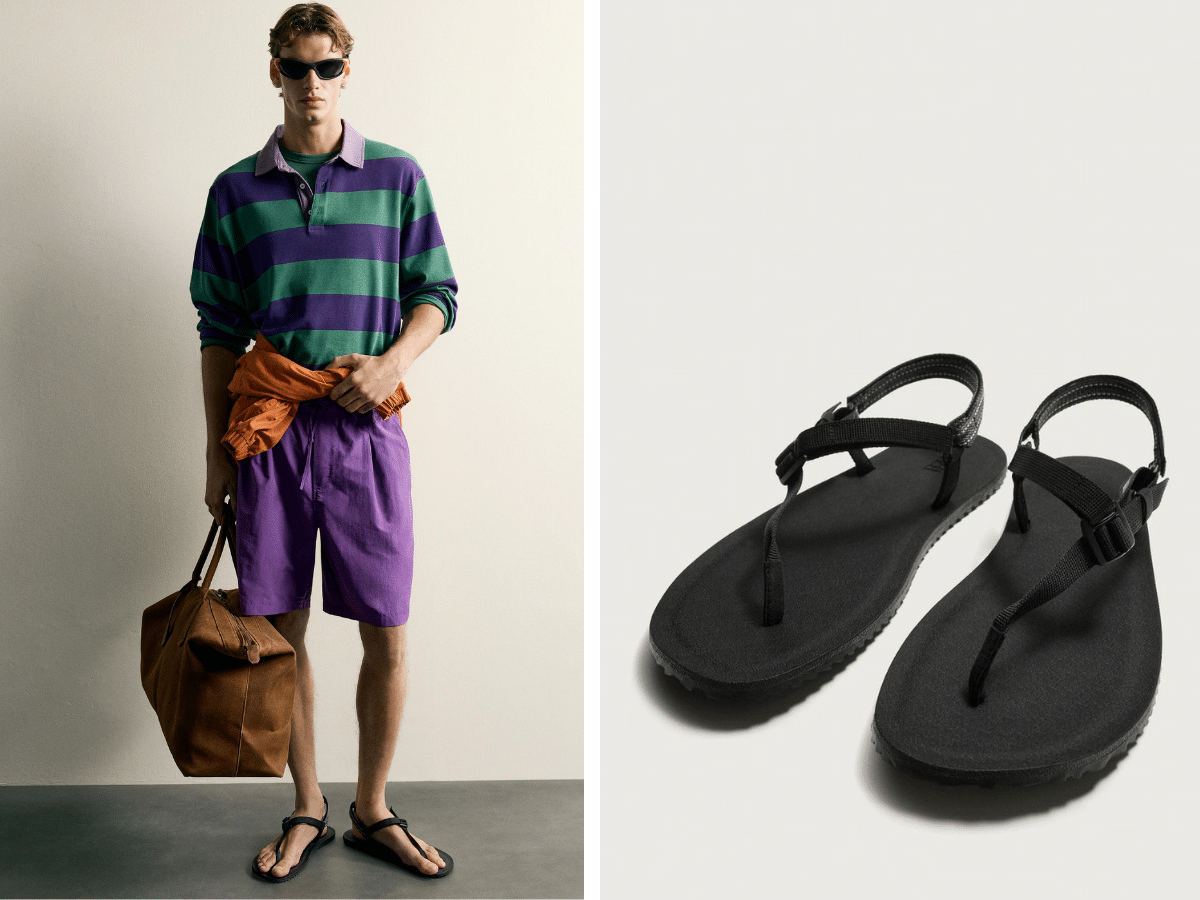
Driven by the "Gorpcore" movement—which blends outdoor utility gear with urban fashion—the sport sandal has become a street-style staple. Utilizing nylon webbing, Velcro closures, and ergonomic Vibram soles, brands like Teva and Suicoke have redefined the "dad sandal." These are inherently casual and should be styled within a streetwear or utilitarian context, often paired with technical fabrics and oversized silhouettes.
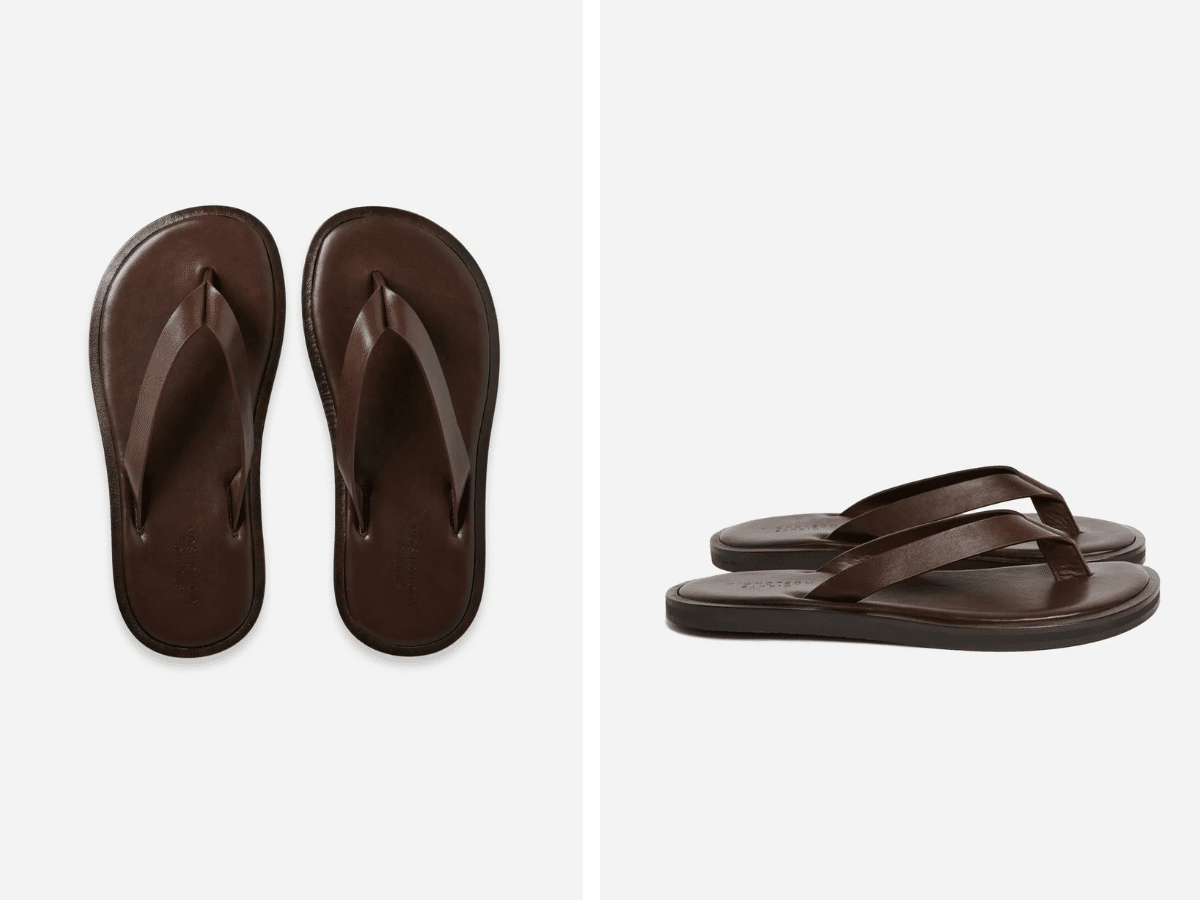
The Elevated Thong: Beyond the Beach
The traditional rubber flip-flop remains an Australian and American coastal staple, but its fashion utility is limited. The "elevated thong," constructed from premium leather with thick, cushioned straps, changes the narrative. While still casual, the leather finish allows these shoes to be worn to weekend brunches or social gatherings without appearing unkempt.
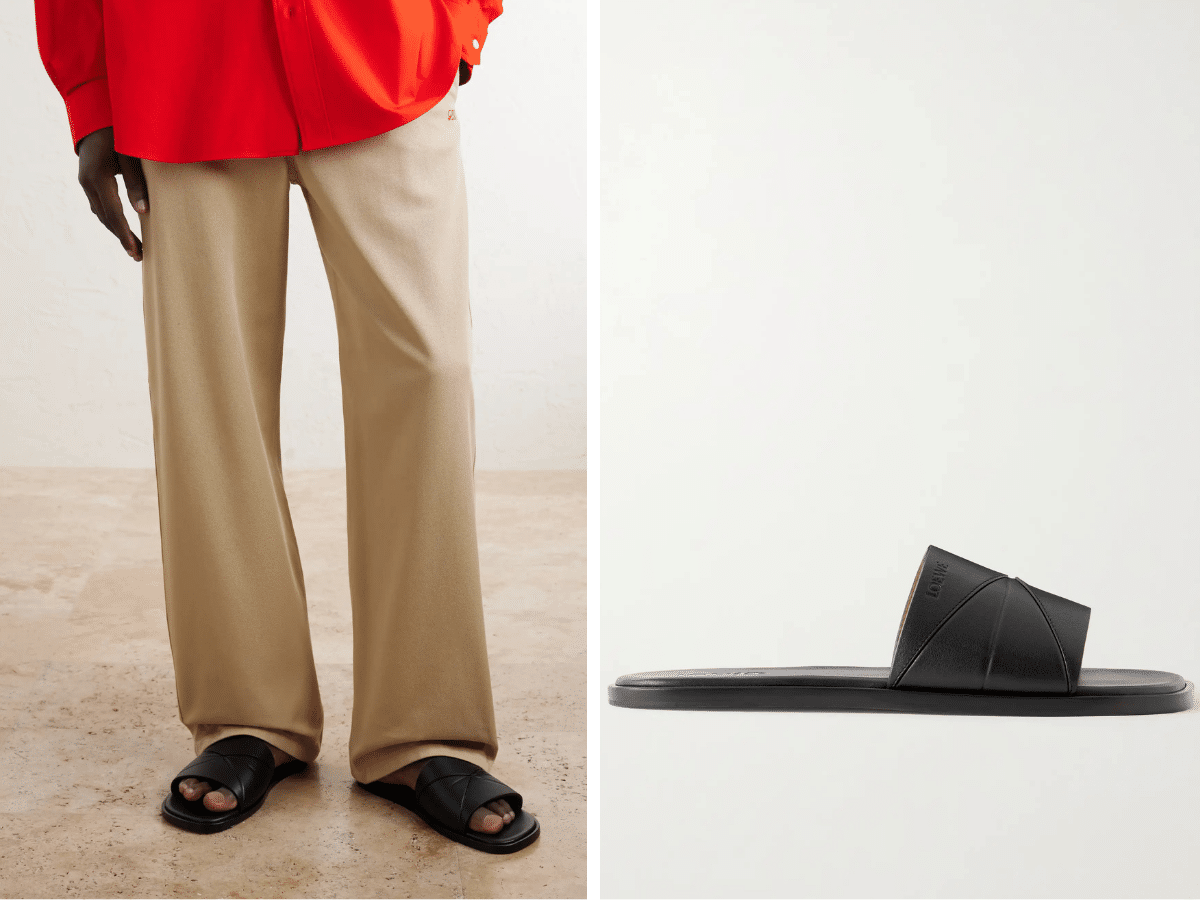
The Slide: Minimalist Convenience
The slide has evolved from a poolside necessity to a versatile fashion tool. While plastic slides remain functional for athletic environments, leather or suede versions offer a sleek, minimalist profile that complements wide-leg trousers and linen shirts. The Birkenstock "Arizona" remains the gold standard in this category, offering orthopedic support alongside a timeless aesthetic.
Strategic Styling: Integrating Sandals into the Wardrobe
The primary challenge for men styling open-toed shoes is maintaining a sense of "intent." As Rincon emphasizes, the outfit must look like it was designed around the footwear, rather than the footwear being a last-minute compromise.
Pairing with Trousers
Styling sandals with trousers is often more effective than pairing them with shorts, as the contrast between the formal fabric and the casual shoe creates a compelling visual tension.
- Fabric Choice: Linen, relaxed cotton chinos, and lightweight denim are the preferred choices.
- The Silhouette: Slim or skinny pants should be avoided. A wider, more relaxed leg allows the sandal to sit naturally. The hem should either hit just above the ankle or fall cleanly onto the shoe without excessive bunching.
- The Palette: Neutral tones—cream, navy, olive, and charcoal—provide a sophisticated foundation for leather sandals.
Pairing with Shorts
To avoid the "tourist" trope, sandals should be paired with tailored shorts rather than athletic or board shorts.
- Length: A Bermuda-length short (sitting just above the knee) provides a balanced proportion when worn with chunky sandals.
- Upper Body: Balance the casual nature of the shorts and sandals with a more structured top, such as a knit polo, a camp-collar shirt, or a boxy, heavyweight T-shirt.
The Cultural Debate: Socks with Sandals
Perhaps no topic in menswear is as divisive as the combination of socks and sandals. Historically considered a major fashion faux pas, the look has been reclaimed by Gen Z and the high-fashion community.
- The "Yay" Argument: Proponents argue that white crew socks paired with chunky sport sandals or slides add a layer of "ugly-cool" personality to an outfit. It is a hallmark of Japanese street style and offers a way to wear sandals in transitional weather.
- The "Nay" Argument: Traditionalists like Rincon remain steadfast: "Not in my book, no. Never." For those aiming for a classic, sophisticated look, the bare foot remains the only option.
The Professional Context: Sandals in the Workplace
The "casualization" of the office, accelerated by the post-2020 shift in work culture, has opened the door for sandals in professional environments. However, this is highly dependent on the industry.
- Creative and Tech Sectors: Leather sandals or fisherman sandals paired with tailored trousers are increasingly acceptable.
- Traditional Sectors (Finance, Law): Open-toed shoes remain inappropriate.
- The Rule of Thumb: If the office culture permits a T-shirt and sneakers, it likely permits a high-quality leather sandal. Slides and sport sandals, however, remain strictly weekend wear.
Grooming: The Non-Negotiable Requirement
The transition to open-toed footwear necessitates a commitment to personal grooming. Fashion experts and podiatrists alike agree that the aesthetic success of a sandal is entirely dependent on the condition of the wearer’s feet.
- Maintenance: Toenails must be kept short and clean.
- Skin Care: Moisturizing is essential to prevent cracked heels, which can detract from even the most expensive footwear.
- Professional Care: Routine pedicures (without polish) are increasingly common among men as part of a standard grooming regimen.
Broader Impact and Future Outlook
The rise of men’s sandals is more than a fleeting trend; it is a reflection of a global move toward "soft dressing." As climate change leads to warmer summers in traditionally temperate regions, the demand for breathable, open-toed footwear is expected to grow. Furthermore, the blurring of gender lines in fashion has allowed men to experiment with styles—such as the gladiator sandal or the heeled slide—that were previously reserved for women’s collections.
As the market continues to mature, expect to see further innovations in sustainable materials, such as mushroom leather and recycled ocean plastics, ensuring that the men’s sandal remains a relevant, stylish, and ethical choice for the modern consumer. The ultimate success of the look lies in the balance of comfort, quality, and confidence. By choosing the right style and maintaining a high standard of grooming, the modern man can finally embrace the freedom of the open-toed shoe without compromising his sartorial integrity.



 Joko Widodo
 admin
admin
 Jia Lissa
 Yuyun Lusiyani
 Pevita Pearce