
 Lina Irawan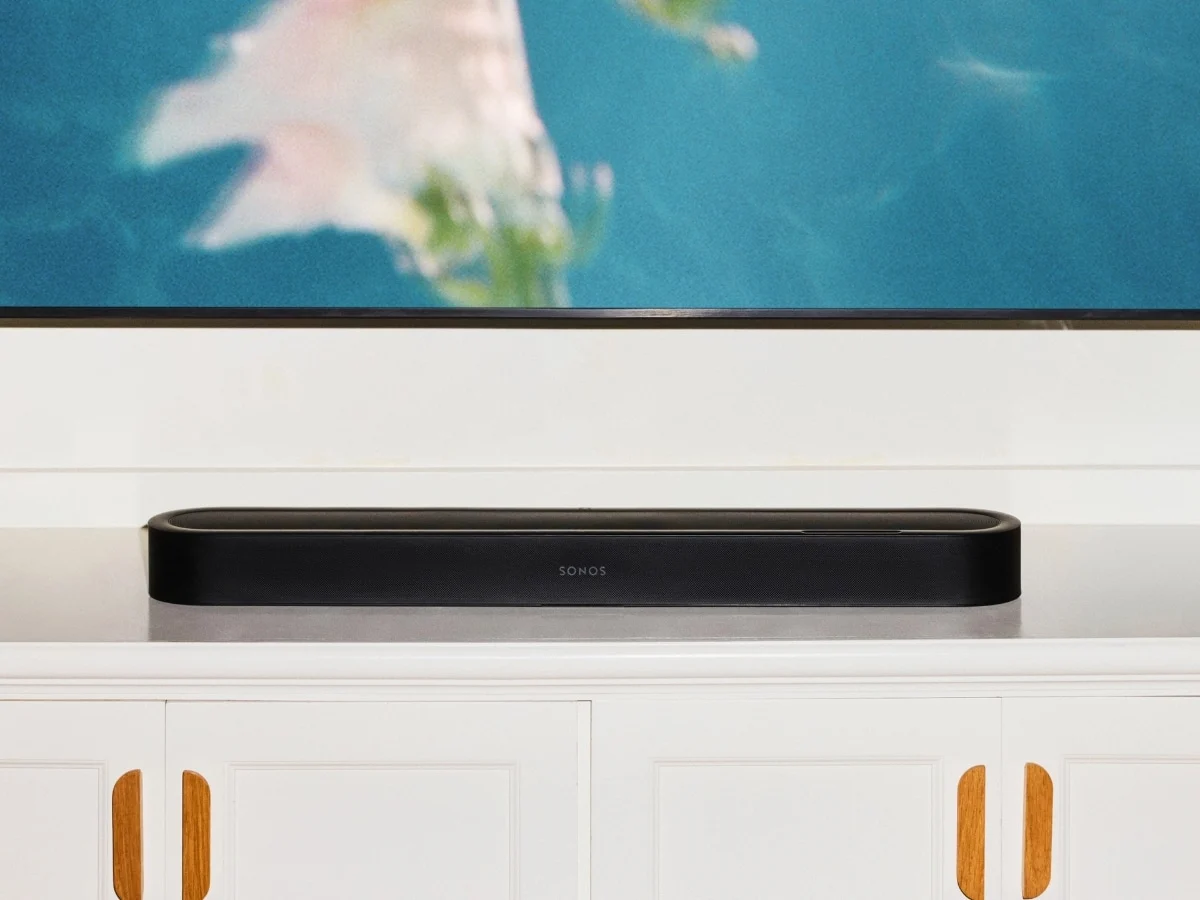
Sonos has officially announced a significant expansion of its premium audio portfolio with the global unveiling of two new flagship products: the Beam Ultra soundbar and the Sonos Ace Ultra headphones. Positioned as high-performance successors to their respective predecessors, these devices represent a strategic pivot for the California-based audio giant, emphasizing hardware-driven spatial audio and deeper ecosystem integration. The Beam Ultra is set to retail for AUD$1,099, while the Ace Ultra headphones enter the market at AUD$699. Both products are currently available for pre-order, with a scheduled global release date of 29 September 2026. This announcement coincides with the introduction of Sonos 27, a comprehensive update to the company’s proprietary operating system designed to enhance device autonomy and interoperability.
The introduction of the "Ultra" moniker signals a departure from the company’s traditional naming conventions, which previously relied on generational numbering or "Pro" designations. Industry analysts suggest this shift is intended to align Sonos with broader consumer electronics trends, where "Ultra" signifies a tier of hardware that goes beyond standard premium features. For Sonos, this means addressing long-standing hardware limitations in its compact soundbar line and correcting connectivity oversights that hampered the initial reception of its first-ever headphone product.
The Beam Ultra: A Hardware-Driven Approach to Dolby Atmos
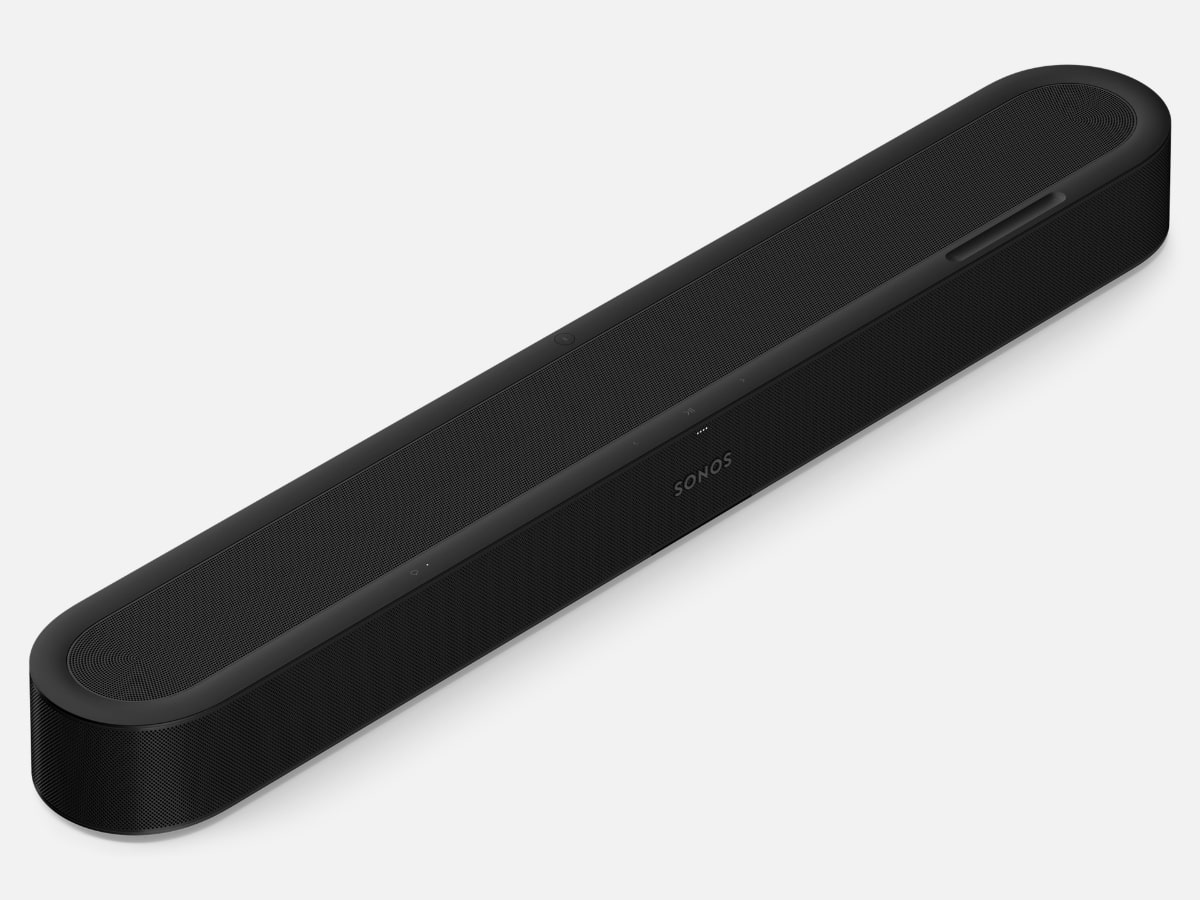
The Sonos Beam Ultra represents a substantial engineering overhaul of the compact soundbar format. While the previous Beam Gen 2 achieved Dolby Atmos compatibility through advanced digital signal processing (DSP) and virtualization, the Beam Ultra transitions to a dedicated hardware-based configuration. The new unit is equipped with nine custom-designed drivers, most notably including two dedicated upward-firing drivers. This hardware addition allows the Beam Ultra to deliver a native 7.1.2 Dolby Atmos experience, featuring seven ear-level channels, one dedicated bass channel, and two discrete height channels that reflect sound off the ceiling to create an overhead auditory canopy.
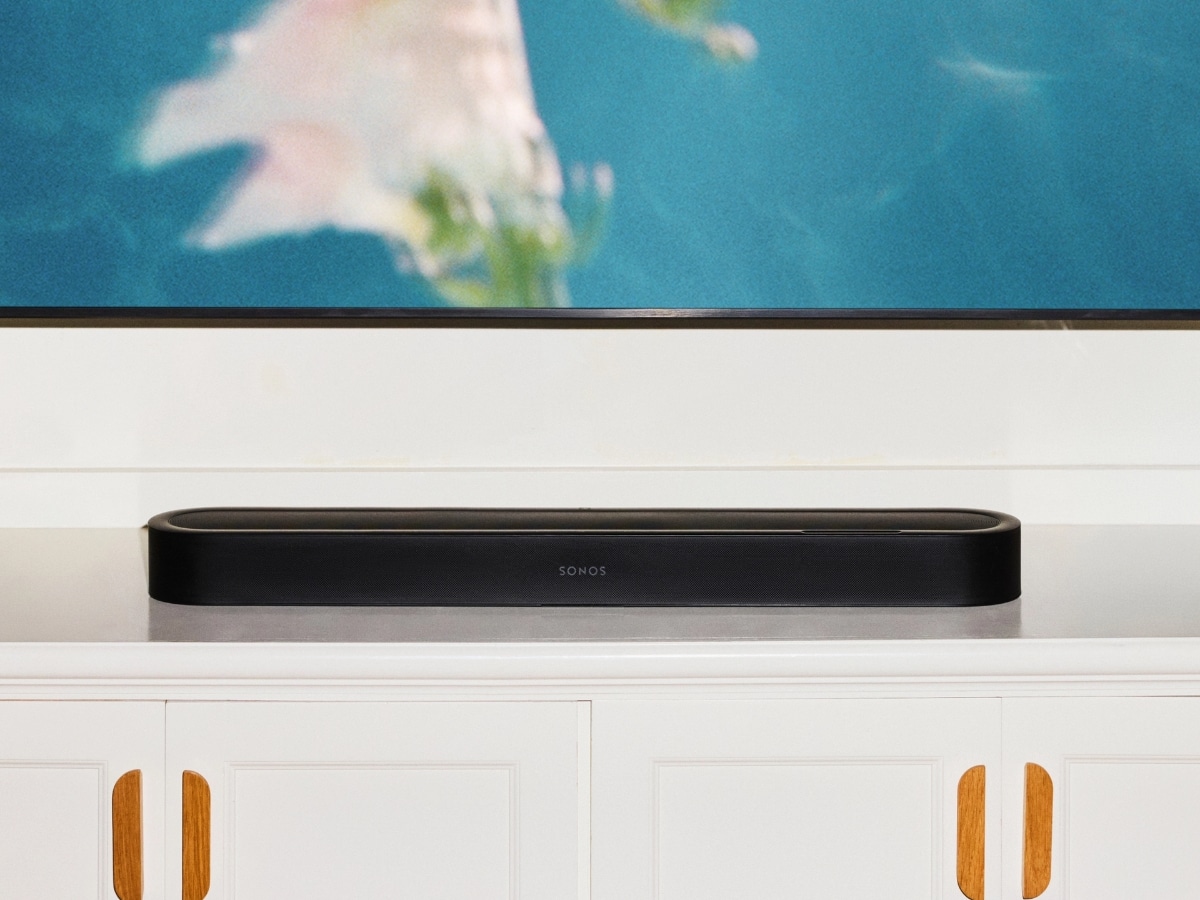
This architectural change necessitates a larger physical footprint. The Beam Ultra measures approximately 750mm in width, a 100mm increase over the 650mm width of the Beam Gen 2. Despite this growth, the device remains significantly more compact than the flagship Sonos Arc, positioning it as a high-performance solution for consumers who require premium spatial audio in smaller living spaces or beneath mid-sized televisions.
Beyond the driver array, Sonos has focused heavily on dialogue clarity, a common pain point for home theater enthusiasts. The Beam Ultra features a redesigned center channel and introduces four distinct levels of AI-driven Speech Enhancement. These algorithms are designed to isolate and elevate vocal frequencies within complex audio mixes, reducing the necessity for subtitles during action-heavy sequences. Additionally, the "Night Sound" feature has been refined to compress the dynamic range of audio, ensuring that loud transients—such as explosions—are suppressed while quiet dialogue remains audible, preventing disturbances to other household members.
Connectivity remains a cornerstone of the Beam Ultra’s value proposition. The device supports HDMI eARC for high-bandwidth audio transmission, alongside Wi-Fi and Bluetooth capabilities. It also integrates seamlessly with the broader Sonos ecosystem, allowing for the addition of a Sonos Sub and rear satellite speakers to create a fully immersive 7.1.4 or 5.1.2 surround sound environment.
The Sonos Ace Ultra: Correcting the Connectivity Gap
The launch of the original Sonos Ace headphones earlier this year was met with a polarized reception. While the hardware was praised for its build quality and acoustic performance, many loyal Sonos users were frustrated by the lack of integration with the brand’s signature multi-room Wi-Fi system. The Ace Ultra is a direct response to those critiques.

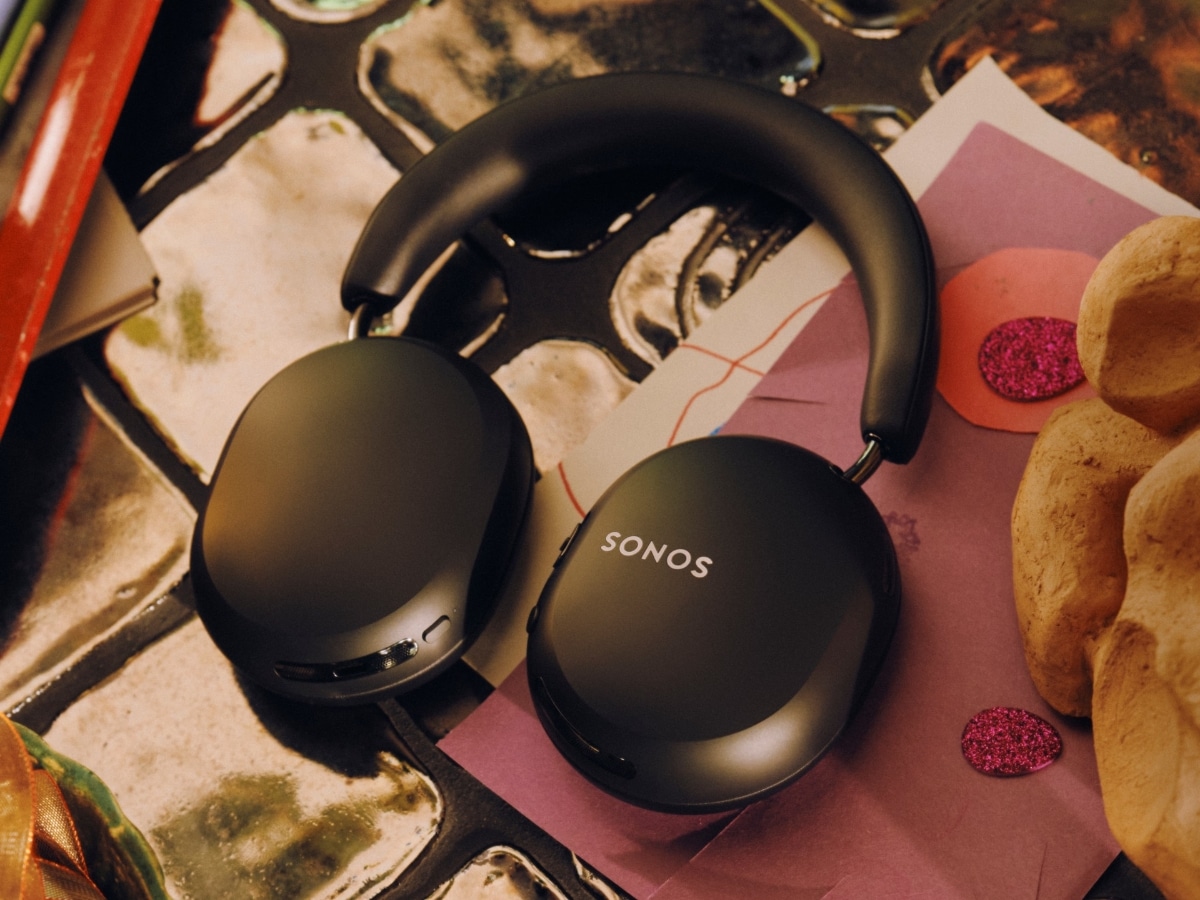
Built on the new "Headphone Engine 2" hardware platform, the Ace Ultra is the first personal audio product from the brand to function as a fully integrated node within the Sonos ecosystem. The standout feature is "Headphone Linking," which allows for a seamless, one-touch transition of audio streams. Users can move music or television audio from their home speakers directly to the headphones by pressing a physical button on the ear cup, and vice versa. This functionality operates independently of a smartphone, utilizing the internal hardware to manage the handover within the local network.
Acoustically, the Ace Ultra features a new Sonos-designed 40mm driver optimized for high-fidelity playback. The Active Noise Cancellation (ANC) system has also seen a significant upgrade, now utilizing a 10-microphone array to sample environmental noise. Sonos claims this new system provides up to double the noise attenuation of the original Ace, particularly in the mid-to-high frequency ranges where traditional ANC often struggles.
Battery life has been extended to 35 hours with ANC engaged, a five-hour increase over the previous model. The headphones also support "TrueCinema" technology. When paired with a compatible Sonos soundbar, the system analyzes the unique acoustics of the user’s room and applies a custom spatial profile to the headphones. This process ensures that the transition from soundbar to headphones maintains the perceived acoustic dimensions of the room, preventing the "closed-in" sensation typical of standard headphone listening.
Sonos 27: The Intelligence Behind the Hardware
Accompanying the new hardware is Sonos 27, the next generation of the company’s audio operating system. This software update introduces "Sonos Positioning Technology," a sophisticated system that uses high-frequency acoustic pulses to allow speakers to map their physical environment. By understanding their proximity to walls, furniture, and other speakers, devices can automatically adjust their EQ settings and functional roles.
A primary application of this technology is the "Portable Surround" feature. With Sonos 27, compatible portable speakers like the Move 2 can be placed behind a listener and automatically designated as rear surround channels for a soundbar. Once the movie ends and the speaker is moved back to its charging base, it automatically reverts to its standard standalone playback mode. This "Sonos Fabric" framework is designed to make the home audio system more autonomous, reducing the need for manual configuration through the Sonos app.
Furthermore, Sonos 27 introduces "Sonos 27mcp," a protocol that enables third-party AI assistants, including ChatGPT, to interface with the audio system. This allows for more natural language processing and complex command execution, such as requesting specific playlists based on mood or asking for detailed information about the track currently playing. The company has also confirmed that "Sonos 27voice," an updated version of its privacy-focused proprietary voice control, will roll out shortly after the initial OS release.
Market Context and Pricing Strategy
The pricing of the new Ultra line suggests that Sonos is moving further into the luxury audio segment. At AUD$1,099, the Beam Ultra sits in a price bracket previously occupied by full-sized flagship soundbars from competitors like Samsung and Sony. However, Sonos justifies this premium through its ecosystem lock-in and the promise of long-term software support.
The Ace Ultra, priced at AUD$699, positions Sonos directly against the Apple AirPods Max and the Bose QuietComfort Ultra. By adding the Wi-Fi-based system connectivity that its competitors lack, Sonos is betting that its existing user base—which often owns multiple speakers across different rooms—will see the value in a pair of headphones that truly "belongs" to the home network.
Timeline of Availability and Software Rollout
The release schedule for the new products and software is structured as follows:
- 8 September 2026: The initial rollout of Sonos 27 begins, introducing the "Portable Surround" feature and "Sonos 27mcp" (AI integration) in Early Access.
- 29 September 2026: The Beam Ultra soundbar and Ace Ultra headphones become available for purchase and shipping worldwide.
- 29 September 2026: "Headphone Linking" functionality is activated for Ace Ultra users.
- Q4 2026: "Sonos 27voice" and additional "Sonos Fabric" automation features are expected to be deployed via over-the-air updates.
Broader Industry Implications
The launch of the Ultra series is a pivotal moment for Sonos as it seeks to stabilize its market position following a period of software-related challenges. By focusing on tangible hardware improvements—such as physical height channels in the Beam Ultra and system-wide connectivity in the Ace Ultra—the company is doubling down on its core identity as a premium, integrated audio solution.
The move toward autonomous, "location-aware" speakers via Sonos 27 represents a significant step forward in the smart home sector. If successful, the ability for audio hardware to self-configure based on spatial awareness could set a new industry standard, moving away from the cumbersome manual calibration processes that have historically defined high-end home theater setups. As the 29 September release date approaches, the industry will be watching closely to see if these hardware "course corrections" are enough to maintain Sonos’s dominance in the increasingly competitive premium audio landscape.




 Jia Lissa
 Yuyun Lusiyani
 Pevita Pearce
 Eva Lovia
 Nana Wu