
 Yuyun Lusiyani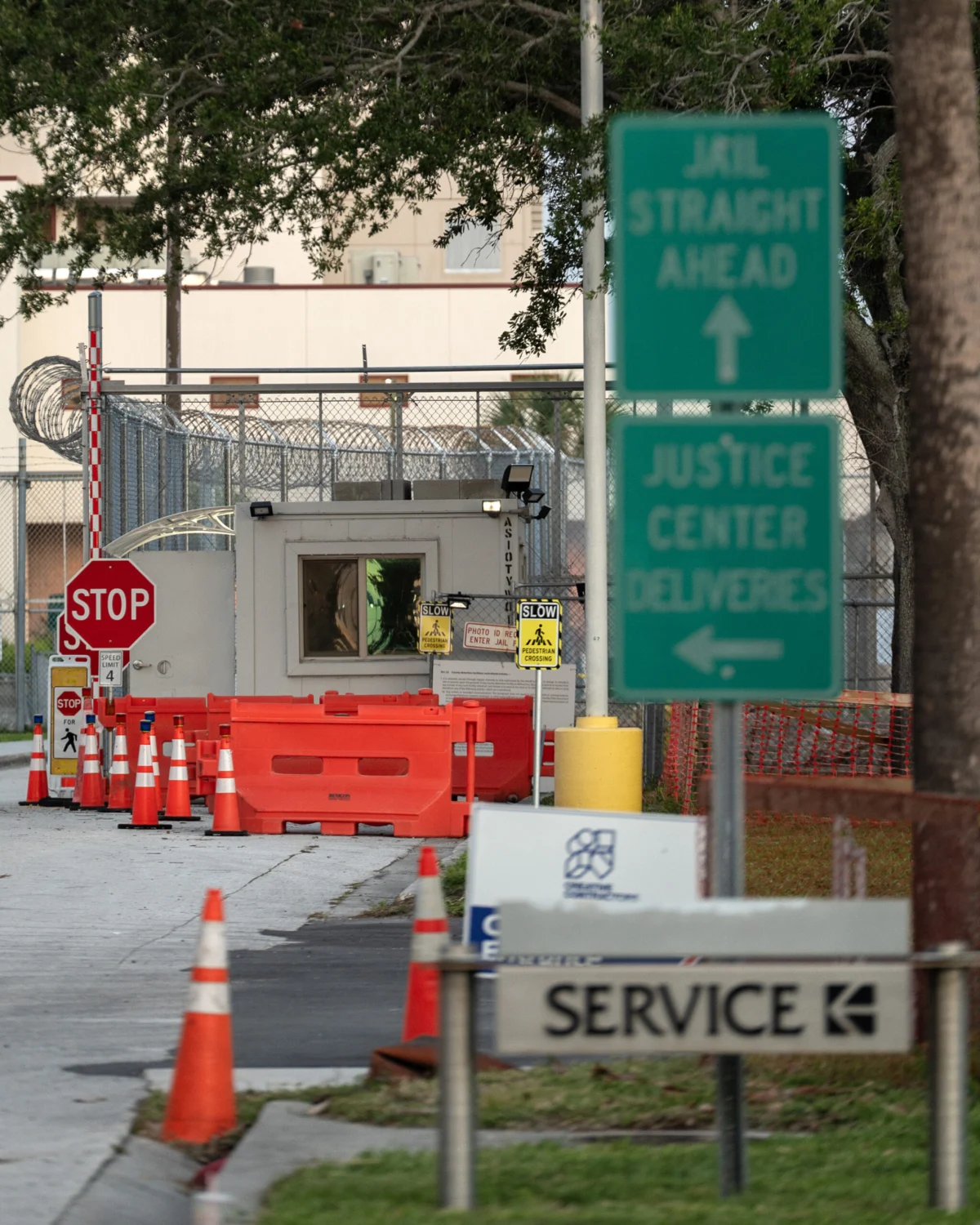
Soumia Bensalah’s mornings were a brutal ritual. Every third dawn, before the first hint of light, she was roused from her cell in the Pinellas County Jail. Shackled at her hands and feet, she would be herded onto a bus, enduring the drive over Tampa Bay to a cramped hold room at a U.S. Immigration and Customs Enforcement (ICE) office. There she would sit, still in shackles, for the entire day. As evening fell, the process reversed: back to the jail, hours of waiting in a hallway, photographed, strip-searched, questioned, and finally, led back to her cell. This grueling routine unfolded five times in December of last year, leaving Bensalah, a French Moroccan with a pending green card application, physically exhausted and deeply humiliated.
Bensalah’s experience was far from an isolated incident. An investigation by ProPublica reveals that her repetitive releases and readmissions – a practice known as rebooking – were not coincidental. They were a calculated maneuver, executed at regular 72-hour intervals, precisely the maximum duration that county jails like Pinellas’ are permitted to hold immigrants on behalf of ICE. This limit is critical; it exists to prevent individuals detained on civil immigration charges from being held indefinitely in facilities primarily designed for those accused of criminal offenses.
The System Exposed: Circumventing Federal Rules
The clandestine nature of these rebookings underscores their questionable legality. According to eight legal experts interviewed by ProPublica, this practice typically occurs in secret and serves to circumvent established federal rules and regulations governing immigration detention. The Pinellas County Jail initially refused to release logs documenting Bensalah’s journeys, citing federal immigration regulations that purportedly shield such records, despite jail records typically being public. ProPublica, however, managed to obtain an unredacted copy of Pinellas jail’s booking logs from an anonymous source, fearing workplace reprisal, and cross-referenced them with anonymized federal immigration data collected by the Deportation Data Project. This meticulous analysis brought to light a systemic evasion of detention standards.
The root cause of this widespread rebooking phenomenon lies in a critical shortage of detention space within the federal government’s immigration system. ICE and its local law enforcement partners, aggressively rounding up immigrants, often find themselves without adequate facilities to house them. This scarcity is particularly acute in Florida, a state where the vast majority of law enforcement agencies have entered into collaborative agreements with ICE for immigration enforcement. These agreements, while ostensibly designed to enhance public safety, have instead contributed to a system ripe for such circumventions.
Florida’s Role: A Hub for Repeat Detentions
ProPublica’s extensive analysis of data from the Deportation Data Project paints a stark picture of Florida as a national outlier in this practice. Over the past year, jails in both Pinellas County, located in the Tampa Bay area, and Orange County, home to Orlando, exhibited an unusually high frequency of repeat rebookings of immigrants held for ICE, far exceeding figures from other jails nationwide. From July 2025 until early February 2026, Orange County Jail rebooked 559 individuals two or more times. In Pinellas, 174 immigrants were rebooked at least twice between July 2025 and July 2026. The scale in these two Florida counties is unparalleled; other jails across the country rebooked no more than 10 immigrants two or more times during the same period.
Crucially, ProPublica’s analysis focused exclusively on immigrants held solely for ICE, meaning they were not simultaneously detained on local criminal charges. A person was counted as rebooked only if their cumulative time spent in jail reached at least 72 hours, excluding weekends and holidays, which do not count toward the federal stay limit.
Breaching Detention Standards and Due Process
The implications of these prolonged and repetitive detentions extend beyond mere inconvenience. Emily Ryo, a Duke University law professor specializing in ICE detention, highlights the severe shortcomings of county jails in providing adequate care for immigration detainees. These facilities often lack the capacity for comprehensive medical screenings, space for confidential legal consultations, or even access to outdoor areas – all provisions that, according to ICE’s own detention standards, should be guaranteed to individuals in its custody.
Two former Department of Homeland Security officials, speaking with ProPublica, unequivocally described the repeated rebookings as a deliberate attempt to evade these very detention standards. Michelle Brané, a former DHS immigration detention ombudsperson, stated, "What it shows is that they were very aware that they were breaking a rule." This sentiment underscores a troubling pattern of institutional knowledge regarding the impropriety of the practice.

Soumia Bensalah’s entry into this system began tragically. After her U.S. citizen husband allegedly assaulted her, she called the police. Both were subsequently booked into Polk County Jail on battery charges, which were later dropped. Despite posting bond, Bensalah was not released due to an ICE detainer – a request from the federal government for a jail to hold an individual for up to 48 hours beyond their release date, typically to allow ICE to initiate deportation proceedings. Instead of being transferred to a longer-term immigration detention facility, ICE moved Bensalah two counties away to Pinellas, where her cycle of rebookings commenced three days later. Jennifer Chacón, a Stanford University law professor, minced no words: "There’s no argument that this is a lawful detention."
Official Responses and Accountability
In response to ProPublica’s detailed inquiries about the rebookings, a DHS spokesperson issued a statement asserting, "ICE is NOT breaking any laws by making custody determinations based on bed space and ensuring detainees’ presence for immigration proceedings or removal from the United States." Regarding Bensalah’s specific case, the department claimed, "she received due process." The spokesperson further added a politically charged statement, "Under President Trump and Secretary [Markwayne] Mullin, if you break the law, you will face the consequences. Criminal illegal aliens are not welcome in the U.S." This response not only dismissed the legal concerns raised by experts but also framed the issue within a broader political narrative regarding immigration enforcement under the Trump administration.
The human cost of these rebookings is profound. All individuals rebooked at least twice in Pinellas and Orange counties ended up behind bars for more than the 72-hour limit. One Mexican woman, whose identity was withheld by ProPublica due to her declining interview requests, was rebooked into Pinellas a staggering 10 times, accumulating a total of 26 days in the county jail. She was eventually transferred to an ICE facility and later released on a $2,000 bond. However, her case was an exception; only 65 of the 423 immigrants rebooked two or more times in these counties through June 2026 were ultimately released on bond.
A significant portion of these detainees had minimal or no criminal history. Of the 423 immigrants rebooked at least twice in Pinellas and Orange counties through December 2025, 115 – or 27% – had no criminal charges or convictions beyond traffic-related offenses. This finding aligns with recent data indicating a growing trend under the Trump administration where an increasing percentage of ICE detentions involve individuals with no prior criminal record or charges, shifting the focus of enforcement away from serious criminals to a broader population of undocumented immigrants.
Intensified Practices and Legal Challenges
The rebooking practices in Orange County demonstrated an extreme level of manipulation. Between September 2025 and February 2026, 30 immigrants were rebooked within 15 minutes or less of their previous 72-hour stay expiring, with five individuals being rebooked in as little as one minute. This rapid turnaround time leaves no doubt that these actions were specifically designed to restart the clock on detention limits.
Beyond rebookings, Pinellas County Jail also extended single detentions beyond the legal limit. Since the start of President Donald Trump’s second term in January 2025, ProPublica’s analysis found that the Pinellas County Jail held at least 157 immigrants for ICE for longer than three business days in a single booking. This is a dramatic increase compared to the two years prior, when only five immigrants were held for such extended periods. In one notable instance in July, a Brazilian immigrant, who had not been charged with any crime, challenged her nine-day detention in federal court. ICE subsequently released her, labeling her prolonged jail stay a "procedural error." Despite this admission, DHS reiterated its commitment to "due process" and upholding the "rule of law" in response to questions about her case.
For immigrants subjected to repeated rebookings or prolonged detentions in local jails, the primary recourse is to file an emergency petition for relief from illegal detainment in federal court, known as a habeas corpus claim. ProPublica identified at least 29 such petitions filed by immigrants held in Orange or Pinellas counties. The Pinellas County Sheriff’s Office, in response to the Brazilian woman’s habeas petition, controversially claimed she was in federal custody and beyond their power to release. However, federal appeals courts have consistently ruled otherwise, affirming that jails indeed possess the authority to release ICE detainees once a hold expires and can be held liable for unlawful detentions. This legal precedent was notably reinforced in November when a federal jury ordered Suffolk County, New York, to pay $112 million to over 600 immigrants found to have been wrongly held – a decision currently under appeal.
Local Action and Divergent Outcomes
The differing political landscapes of Orange and Pinellas counties contributed to vastly different outcomes in addressing these controversial practices. Corporal Jamie Miller, a spokesperson for the Pinellas County Sheriff’s Office, told ProPublica that their facility holds individuals for ICE for only up to 72 hours before releasing them. The office declined further comment or an interview with the sheriff after being presented with ProPublica’s findings. In contrast, a spokesperson for the Orange County Jail stated it had "eliminated multiple bookings" and referred further questions to ICE.
Orange County, a majority-Democratic area, witnessed widespread public opposition. Religious groups, attorneys, and a coalition of activists galvanized community members, who presented compelling testimonies at county commission meetings, detailing the plight of immigrants held in the jail. They also highlighted the financial burden on the county, which was losing money each time it held someone for ICE. Caught between a state legislative mandate to cooperate with ICE, a national mass deportation push filling their jails, and a vocal electorate demanding change, county officials grappled with how to respond.

In August 2025, the Orlando Sentinel first reported on a handful of rebookings in the Orange County Jail. Months later, in late January, a defense attorney publicly described the ongoing rebooking practice at a county commission hearing, citing multiple clients illegally detained on behalf of ICE and asserting violations of due process. Just a week later, County Mayor Jerry Demings sent a decisive letter to ICE, declaring that "ICE inmates will be limited to one continuous housing period of up to 72 hours per immigration matter." Following this intervention, ProPublica’s analysis confirmed a cessation of rebookings.
The same day Mayor Demings sent his letter, Orlando federal judge Paul Byron sharply criticized the rebooking practice during a hearing for an immigrant claiming illegal detention. "If the government is pulling a detainee out of jail to artificially reset the clock, that is wildly inappropriate," Judge Byron admonished Assistant U.S. Attorney Phillip Ragler, demanding an explanation. Ragler, unable to provide one, saw the judge order the immigrant’s immediate release. Ragler later confided to ProPublica that the experience led to a "crisis of conscience," causing "significant moral and ethical conflicts" as he was forced to defend ICE’s actions without justification, particularly for individuals with no criminal record. He resigned shortly after, ending nearly a decade in the office.
Ultimately, Orange County renegotiated its contract with ICE, limiting immigrant detentions to a maximum of two days. This action led to a dramatic plummet in the number of immigrants booked into the jail under ICE custody, from a high of 692 in January to just two in July.
Pinellas County, however, followed a different trajectory. While its rebookings began to decrease around the same time as Orange County’s, Pinellas then started holding more immigrants for longer than three business days in single, continuous stays. The overall number of immigrants it booked saw no dip. By July, ProPublica’s analysis indicated that Pinellas appeared to have ceased repeat rebookings, but that same month, at least 12 immigrants were held for over three business days in a single booking, including one Honduran man who remained for at least eight days.
Pinellas County, trending Republican in recent elections, has a sheriff, Bob Gualtieri, who has been a vocal proponent of local-federal collaboration on immigration enforcement. Over the past decade, he helped develop contracts with ICE designed to shield local jails from legal liability for holding detainees, and also facilitated federal-local agreements allowing jail staff to serve ICE detainers. In a 2017 ICE press release, Gualtieri was quoted saying, "For years, sheriffs have had to choose between releasing criminal illegal aliens from their jails back into the community, or exposing themselves to potential civil liability." In the August 2025 Orlando Sentinel article, he attributed rebookings at his facility to a "capacity issue" at the federal detention facility.
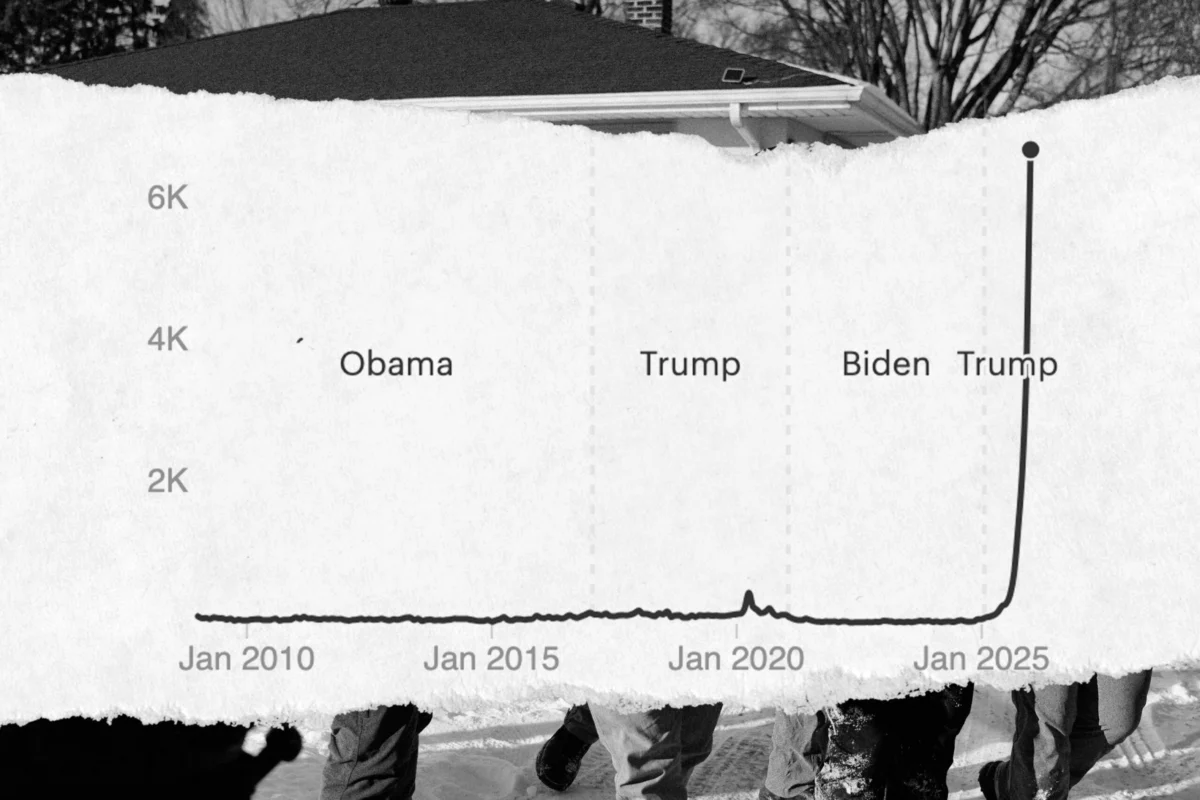
In the summer of 2025, Sheriff Gualtieri was part of a group of Florida sheriffs proposing to allow ICE to utilize unused jail beds across Florida, with state police transporting detainees. Under the Trump administration, his own jail began housing a historically high number of immigrants. During the first 564 days of Trump’s second term, more than 7,000 immigrants were detained for ICE in the Pinellas County Jail – over four times the number held during the last two years of the Biden administration. The proportion of ICE detainees among Pinellas’ total bookings steadily rose from under 7% at the start of 2025 to 18% in December, hovering around 20% from January through July 2026.
Broader Implications and Constitutional Concerns
The vast majority of immigrants tracked by ProPublica in Pinellas and across the country, including Soumia Bensalah, ultimately faced deportation. After her fifth rebooking, Bensalah was transferred through a series of four ICE detention centers before being deported to France.
Paul Chavez, litigation director for Americans for Immigrant Justice, a legal nonprofit dedicated to immigrant rights, asserts that repeat rebookings unequivocally constitute unconstitutional detention. He drew a powerful analogy, stating, "If it was that easy to thwart, all we would have to do to thwart the Fourth Amendment was throw somebody in the backseat of a car, drive them to McDonald’s and then drive back. I don’t know that the drafters of the Fourth Amendment would have found solace in that." This stark comparison highlights the profound legal and ethical challenges posed by a system that appears to manipulate procedural loopholes to prolong detention, undermining fundamental constitutional protections against arbitrary confinement.
Methodology: Uncovering the Hidden Practice
ProPublica’s investigation meticulously identified individuals repeatedly rebooked into county jails by analyzing multiple federal and local detention databases. Utilizing federal immigration detention data obtained by the Deportation Data Project, which assigns a unique ID to each detainee and records booking and release timestamps, researchers calculated the duration of each stay and the interval between leaving and returning to a single facility. To ensure accuracy and focus on deliberate rebookings, the analysis counted a person as rebooked only if their return to the same facility occurred within 24 hours. The detention data spanned from October 1, 2022, through August 6, 2026, focusing on local jails where the 72-hour federal limit is most pertinent. Weekends and holidays were excluded from the 72-hour limit calculation, and only immigrants with a cumulative stay of at least 72 hours were counted as rebooked. The proportion of detainees without criminal charges was determined using ICE detention data released via the Freedom of Information Act, which concluded in mid-December 2025. Pinellas County Jail’s booking data was verified against its online search tool and federal datasets.



 Joko Widodo
 admin
admin
 Lina Irawan
 Jia Lissa
 Pevita Pearce