
 Yuyun Lusiyani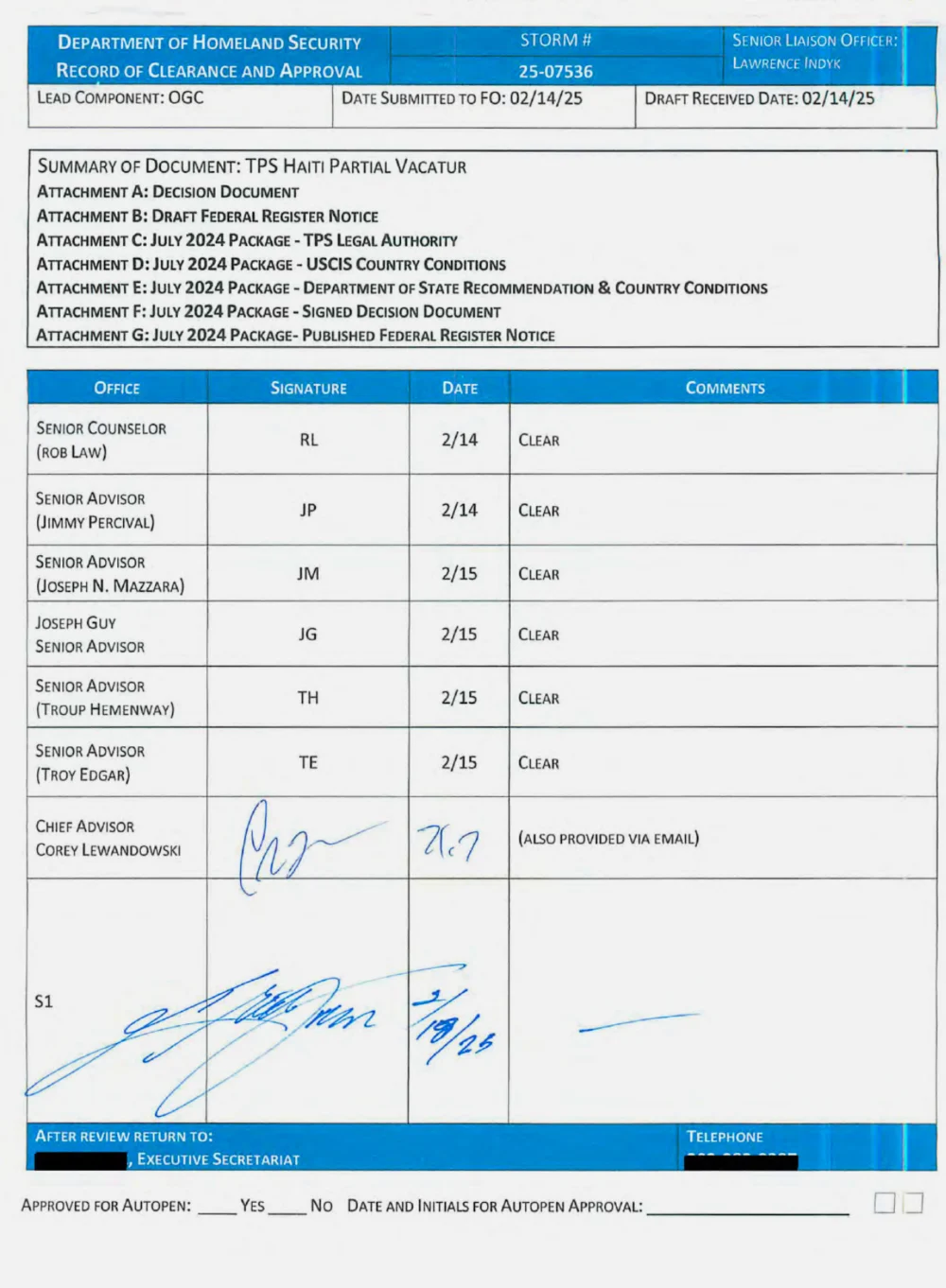
Homeland Security Secretary Kristi Noem faces serious allegations of misleading Congress regarding the scope of power wielded by her controversial top aide, Corey Lewandowski. Records meticulously reviewed by ProPublica, corroborated by insights from four current and former Department of Homeland Security (DHS) officials, directly contradict Noem’s sworn testimony delivered before the Senate Judiciary Committee on Tuesday. The core of the controversy centers on Lewandowski’s unusual and largely undefined role within the sprawling federal agency, particularly his alleged involvement in approving significant government contracts despite not being a paid federal employee.
The Senate Hearing: A Direct Question, A Flat Denial
The public confrontation unfolded during a Senate Judiciary Committee hearing dedicated to agency oversight. Senator Richard Blumenthal (D-Conn.) pressed Secretary Noem directly on Lewandowski’s duties, specifically inquiring whether he held "a role in approving contracts" at DHS. Secretary Noem’s response was unequivocal: "No." This categorical denial, delivered under the scrutiny of a congressional committee, set the stage for immediate factual challenges that would emerge in subsequent reporting. The gravity of such testimony is underscored by federal law, which makes it a crime to "knowingly and willfully" make a false statement to Congress, although prosecutions for such offenses remain exceedingly rare in practice.
ProPublica’s Investigation Uncovers Contradictory Evidence
However, ProPublica’s extensive investigation swiftly brought to light internal DHS records that appear to directly refute the Secretary’s assertion. These documents reportedly demonstrate that Corey Lewandowski personally approved a multimillion-dollar equipment contract for the agency during the previous summer. This was not an isolated incident, according to current and former department employees who spoke on condition of anonymity due to the sensitivity of the matter. These sources allege that Lewandowski has given his imprimatur to numerous contracts within DHS, and his sign-off is frequently a prerequisite for substantial financial disbursements. The revelation of such direct involvement in procurement decisions by an unpaid, non-official staff member raises significant questions about transparency, accountability, and the proper chain of command within a critical government agency.
The Genesis of Centralized Contract Control and Lewandowski’s Placement
The context for Lewandowski’s alleged contractual influence lies in a sweeping policy change implemented by Secretary Noem last year. In a move aimed at consolidating power and, according to DHS, saving taxpayer money, Noem mandated that she and her closest aides would personally review and approve all contracts exceeding $100,000. This represented a significant shift from previous protocols, which typically allowed for broader delegation of approval authority to lower-level officials within the various components of DHS. The Department of Homeland Security, with its vast responsibilities ranging from border security and immigration enforcement to cybersecurity, disaster relief, and aviation security, manages an annual budget that routinely exceeds $50 billion and awards billions of dollars in contracts each year to support its diverse missions.
Under this new centralized review process, contracts undergo a multi-stage approval journey. They must first be cleared by a series of political appointees, each of whom signs or initials a document often referred to internally as a "routing sheet." Critically, according to DHS officials, Lewandowski’s name typically appears as the final approver on this checklist before the contract reaches Secretary Noem for her ultimate sign-off. This places him in a pivotal gatekeeping position, effectively granting him significant influence, if not outright authority, over substantial federal spending decisions. The "multimillion-dollar equipment contract" identified by ProPublica serves as a concrete example of this alleged workflow, highlighting the tangible impact of his involvement.
The Enigmatic Role of a "Special Government Employee"
Corey Lewandowski operates under the designation of a "special government employee" (SGE). This classification, designed to allow outside experts to serve in government for limited periods without severing their external professional ties, has been a recurring point of contention throughout various administrations. Historically, SGEs might include scientists advising on specific projects, academics lending expertise to policy development, or industry leaders contributing to specialized task forces. They are generally subject to a reduced set of ethics rules compared to full-time federal employees, allowing them to maintain sources of outside income and avoid some of the more stringent disclosure requirements. For instance, at the onset of the Trump administration, figures like Elon Musk were briefly designated as SGEs.

However, Lewandowski’s role extends far beyond typical SGE duties, which usually involve advisory capacities rather than direct operational or financial approval. His deep involvement in the day-to-day administration and, crucially, the financial decisions of DHS, an agency with approximately 260,000 employees and a gargantuan budget, blurs the lines between advisory capacity and executive authority. The fact that he is not a paid government employee, as reiterated by a DHS spokesperson, further complicates the matter. While the spokesperson stated, "Mr. Lewandowski does NOT play a role in approving contracts" and "He volunteers his time to serve the American people," this directly conflicts with the internal records and official testimonies. Lewandowski himself has not publicly disclosed whether he receives payment from any outside entities, adding another layer of opacity to his unusual position and potential conflicts of interest.
Broader Implications: Delays, Efficiency, and Accountability
The new centralized contract approval process, with Lewandowski allegedly positioned within its critical path, has not been without its critics. Numerous news outlets, including The Wall Street Journal, Politico, and The New York Times, have previously reported on widespread delays impacting various DHS components. These delays have reportedly affected everything from procurement of essential equipment for border patrol to disaster relief supplies, potentially hindering the agency’s ability to execute its vital missions efficiently. While DHS has publicly defended the new review process, asserting that it has led to "billions of dollars" in taxpayer savings, the reported operational slowdowns present a stark contrast to claims of improved efficiency.
The integration of an unpaid, non-official SGE into such a critical approval mechanism raises fundamental questions about government accountability and transparency. Full-time federal employees are subject to a robust framework of ethics regulations, performance reviews, and public scrutiny. An SGE, particularly one with such broad influence, may not be held to the same standards, creating potential vulnerabilities for undue influence, conflicts of interest, and a lack of clear lines of authority.
A Pattern of Influence Beyond Contracts
Lewandowski’s alleged involvement extends beyond just contracts. A similar sign-off process has been observed for other significant policy decisions within DHS. For example, a checklist concerning the rollback of protections for Haitian immigrants in the U.S. emerged in litigation last year. This document reportedly featured the signatures of several top DHS advisers, followed by Lewandowski’s signature, and then Secretary Noem’s. This indicates a consistent pattern of Lewandowski being a key intermediary in the decision-making hierarchy, placing him in a de facto executive role despite his SGE designation and unpaid status.
The Legal and Ethical Framework of Congressional Testimony
The accusation that Secretary Noem misled Congress carries significant legal and ethical weight. Federal law (18 U.S.C. § 1001) criminalizes knowingly and willfully making false statements or representations in any matter within the jurisdiction of the executive, legislative, or judicial branch of the U.S. government. While direct prosecution for false statements to Congress is rare, often reserved for high-profile cases involving obstruction of justice or perjury, the act itself is considered a severe breach of public trust and an undermining of Congress’s oversight authority. Senators rely on truthful testimony from agency heads to effectively legislate, allocate funds, and hold the executive branch accountable. Any perceived falsehood can erode the foundation of this critical relationship.
Ongoing Scrutiny and Future Implications
The revelations from ProPublica and the conflicting accounts from Secretary Noem and DHS officials ensure that scrutiny over Corey Lewandowski’s role and the department’s contract approval processes will intensify. Members of Congress, particularly those on oversight committees, are likely to demand further clarification, documentation, and potentially launch investigations into the extent of Lewandowski’s authority and the accuracy of Noem’s testimony. Ethics watchdogs and transparency advocates are also expected to weigh in, calling for stricter guidelines for SGEs, especially those operating in such influential capacities.
The controversy highlights a recurring challenge in government: how to balance the need for external expertise with the imperative for robust accountability, transparency, and adherence to established ethical standards. As DHS continues to navigate its complex missions in a dynamic global environment, the questions surrounding Corey Lewandowski’s influence and Secretary Noem’s candor before Congress will undoubtedly shape public perception and potentially impact the agency’s operational effectiveness and its relationship with the legislative branch. The resolution of these allegations will be crucial for reinforcing public trust in federal governance and ensuring that all individuals wielding significant power within government, regardless of their official designation or salary, are held to the highest standards of integrity and accountability.




 Joko Widodo
 Eva Lovia
 Jia Lissa
 Pevita Pearce
 admin
admin