
 Lina Irawan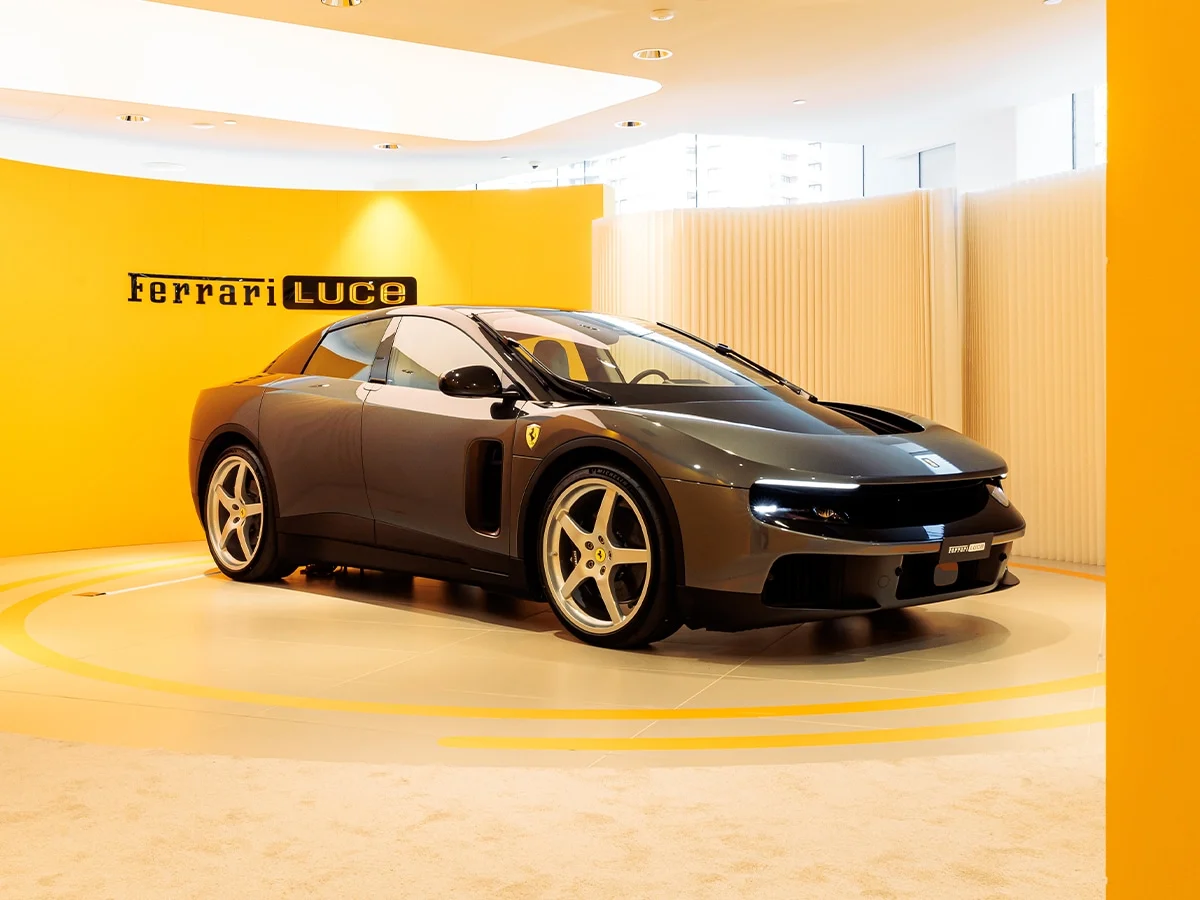
The arrival of the Ferrari Luce in Sydney this week marks a definitive pivot in the storied history of the Maranello-based manufacturer, representing the official Southern Hemisphere presentation of its first fully electric production road car. As the automotive industry grapples with the transition from internal combustion to sustainable powertrains, Ferrari has introduced a vehicle that seeks to reconcile the visceral expectations of the "Prancing Horse" faithful with the silent, instantaneous requirements of the electric era. The four-door, all-electric grand tourer was showcased to a select group of stakeholders and media, highlighting a design and engineering philosophy that departs radically from the mid-engine supercars that have defined the brand for eight decades.
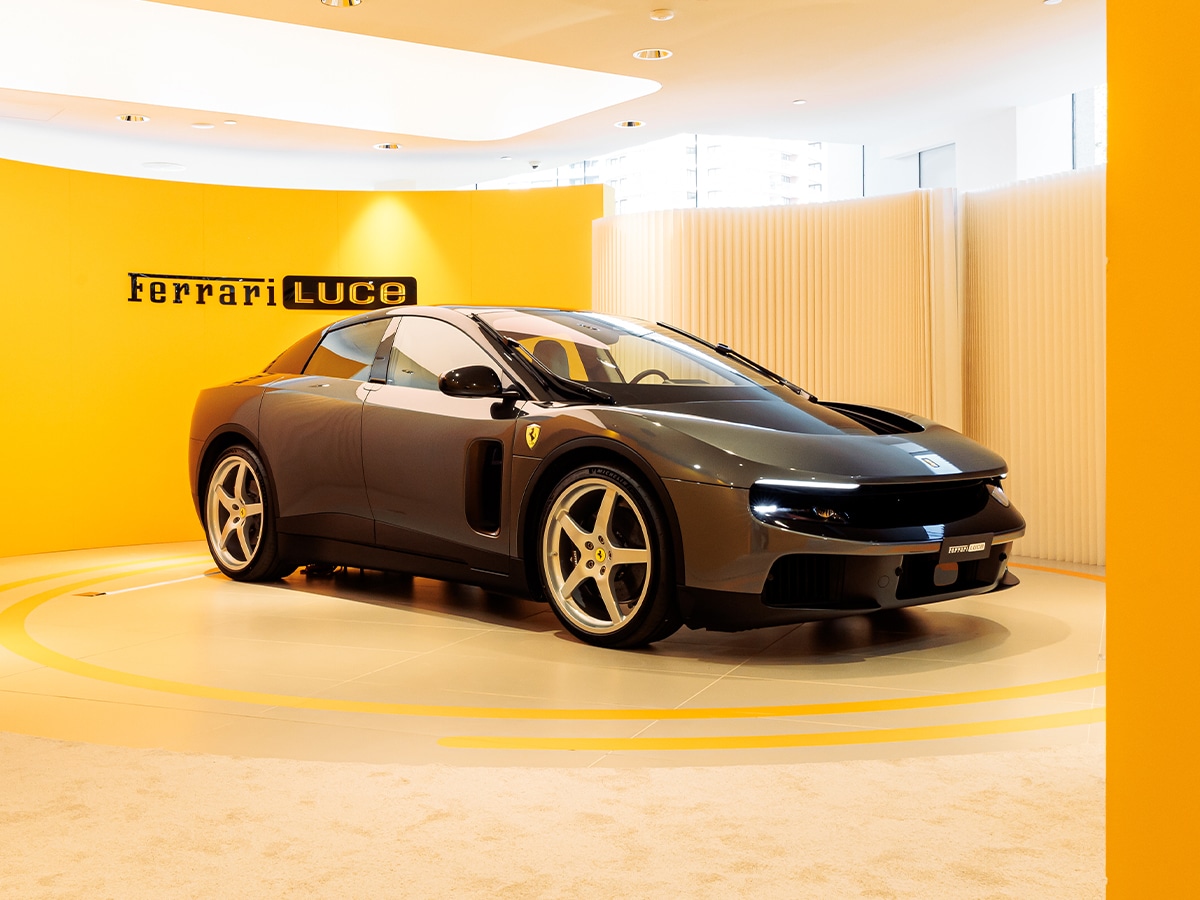
The Ferrari Luce enters the Australian market with a starting price of AUD$991,446 before on-road costs. This premium positioning places the Luce in a unique bracket within the local Ferrari lineup, situated between the hardcore 296 Speciale, priced at $984,020, and the track-oriented 849 Testarossa Assetto Fiorano, which commands $1,010,485. Notably, the Luce carries a $150,000 premium over the V12-powered Purosangue, signaling Ferrari’s intent to market electrification as its most advanced and exclusive technological tier. While global order books have already seen significant activity, Australian deliveries are not expected to commence until the fourth quarter of 2027, following a meticulous production rollout at Ferrari’s new "e-building" in Italy.
Architectural Innovation and the LoveFrom Collaboration
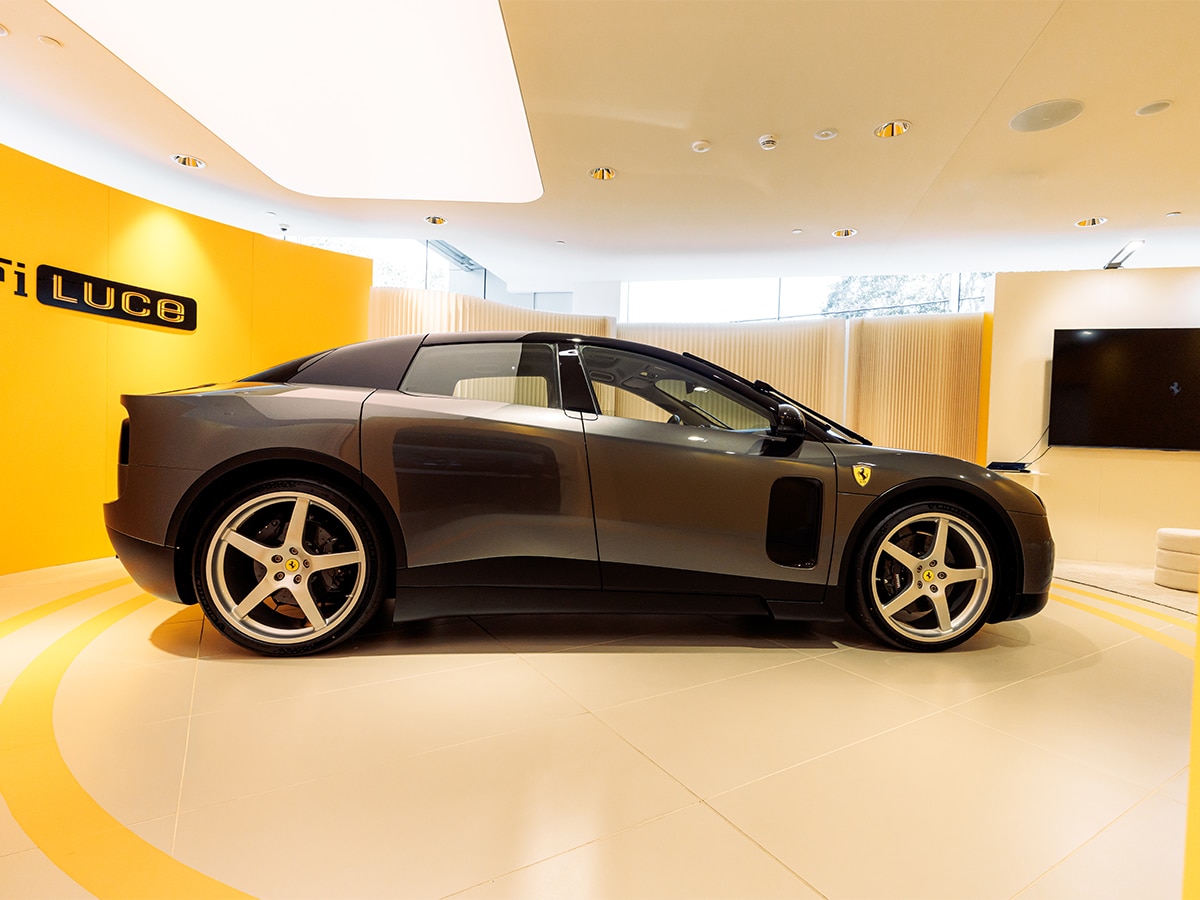
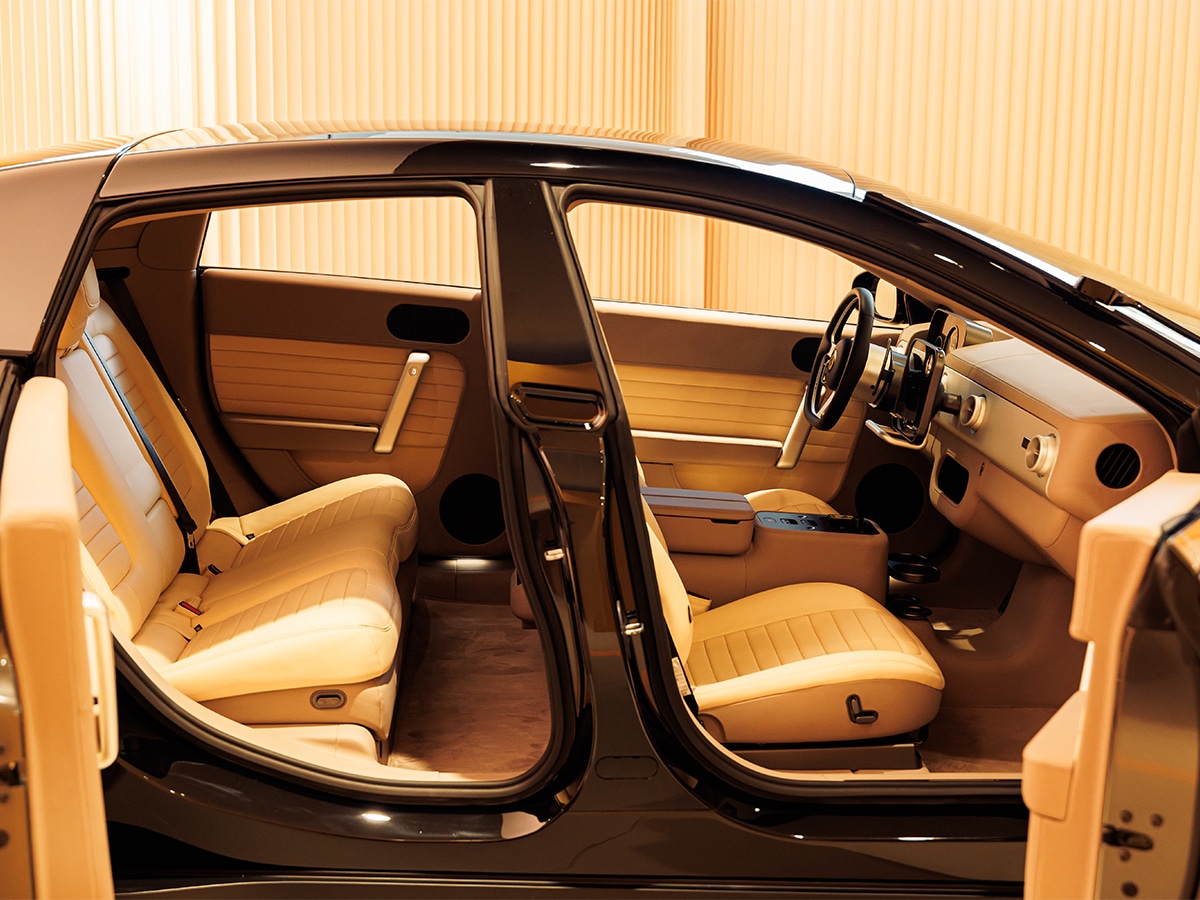
The aesthetic and structural identity of the Luce is the result of an unconventional creative partnership. Ferrari’s internal design team, led by Flavio Manzoni, collaborated with LoveFrom, the design collective founded by former Apple design chief Sir Jony Ive and renowned industrial designer Marc Newson. This partnership sought to apply a philosophy of "geometric clarity" and "extreme simplification" to the vehicle’s exterior. The result is a silhouette defined by a continuous glasshouse that extends significantly below the traditional belt line, creating an airy, transparent cabin environment that contrasts with the aggressive, enclosed cockpits of Ferrari’s combustion models.

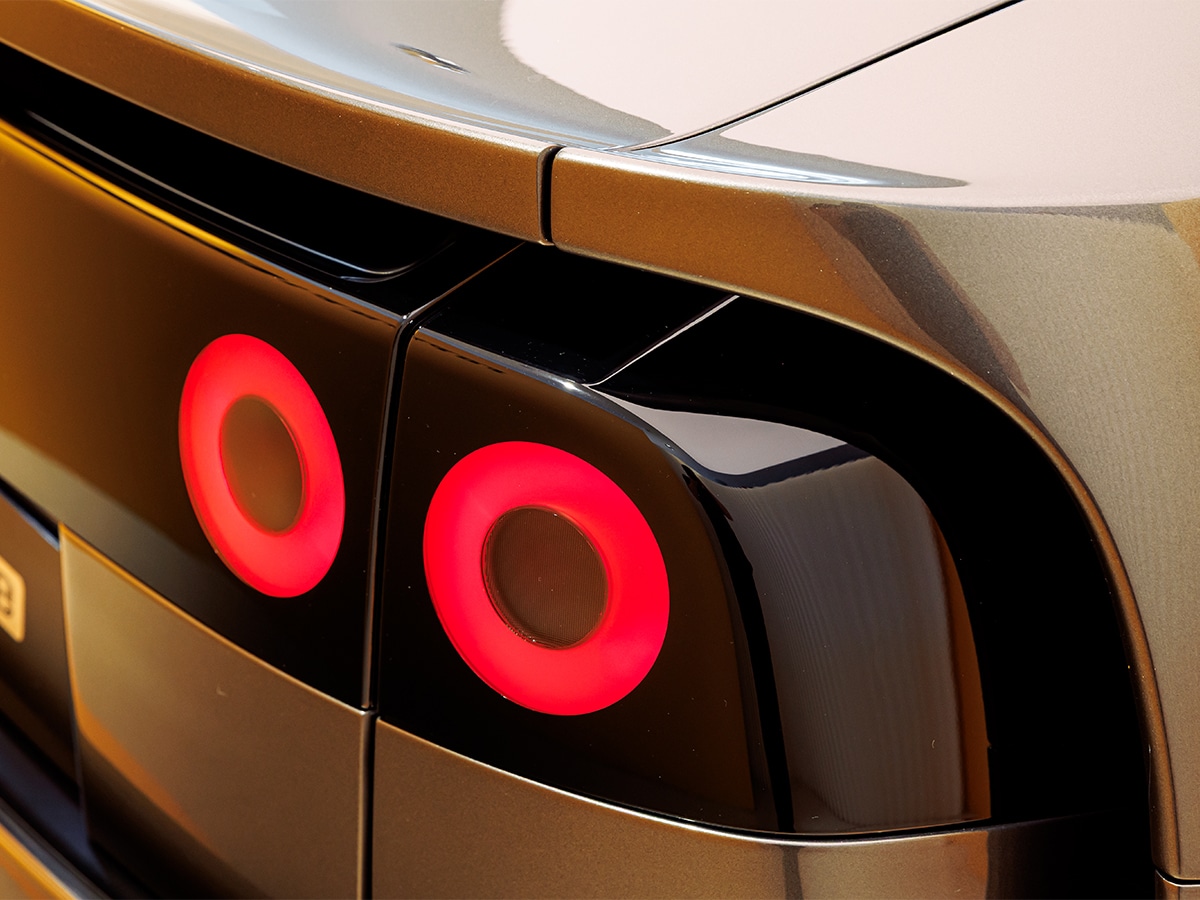
The exterior architecture features floating front and rear aerodynamic wings that wrap around the central passenger shell. These elements are not merely stylistic; they are the product of five years of intensive aerodynamic refinement, including over 6,000 Computational Fluid Dynamics (CFD) simulations and 250 hours of wind-tunnel testing. The goal was to achieve the lowest drag coefficient in Ferrari road-car history while maintaining the downforce necessary for high-speed stability. The lighting systems are integrated directly into the bodywork surfaces, remaining invisible when deactivated to preserve the vehicle’s unbroken outline. However, the rear design pays homage to heritage, utilizing circular halo tail lights that evoke the design language of the 360 Modena and 458 Italia.
To ground the vehicle’s futuristic proportions, Ferrari has equipped the Luce with the largest wheel diameters ever fitted to a series-production road car: 23 inches at the front and 24 inches at the rear. Buyers are offered a choice between a traditional forged five-spoke layout and a turbine-style design optimized for aerodynamic efficiency.
Technical Specifications and Performance Metrics
Underpinning the Luce is a bespoke electric architecture engineered from the ground up to support a four-motor configuration. Each wheel is powered by an independent permanent magnet synchronous radial-flux electric motor, a technology derived from Ferrari’s experience with the F80 hypercar and the SF90 Stradale. This setup allows for unprecedented levels of torque vectoring and traction control.
The total power output is rated at 1050 cv (772 kW), with a combined torque of 990 Nm. This allows the Luce to accelerate from 0 to 100 km/h in a mere 2.5 seconds, reaching 200 km/h in 6.8 seconds. The vehicle’s top speed is electronically limited to over 310 km/h, placing it at the pinnacle of electric grand tourer performance. The 122 kWh battery pack utilizes an 800V architecture with 210 cells in series, enabling DC fast charging at rates of up to 350 kW. Under the WLTP testing cycle, the Luce offers a driving range of 530 km.
The integration of the battery pack serves a dual purpose. Beyond storing energy, the battery housing is a structural component of the chassis, contributing to a 25 percent increase in bending rigidity and a 35 percent increase in torsional rigidity compared to Ferrari’s previous four-door platforms. Despite a kerb weight of 2260 kg—approximately 400 kg heavier than the Purosangue—the floor-mounted battery lowers the center of gravity by 95 mm, which engineers claim provides the agility of a much lighter vehicle.
The Cabin: A Fusion of Tactile Tradition and Digital Maturity
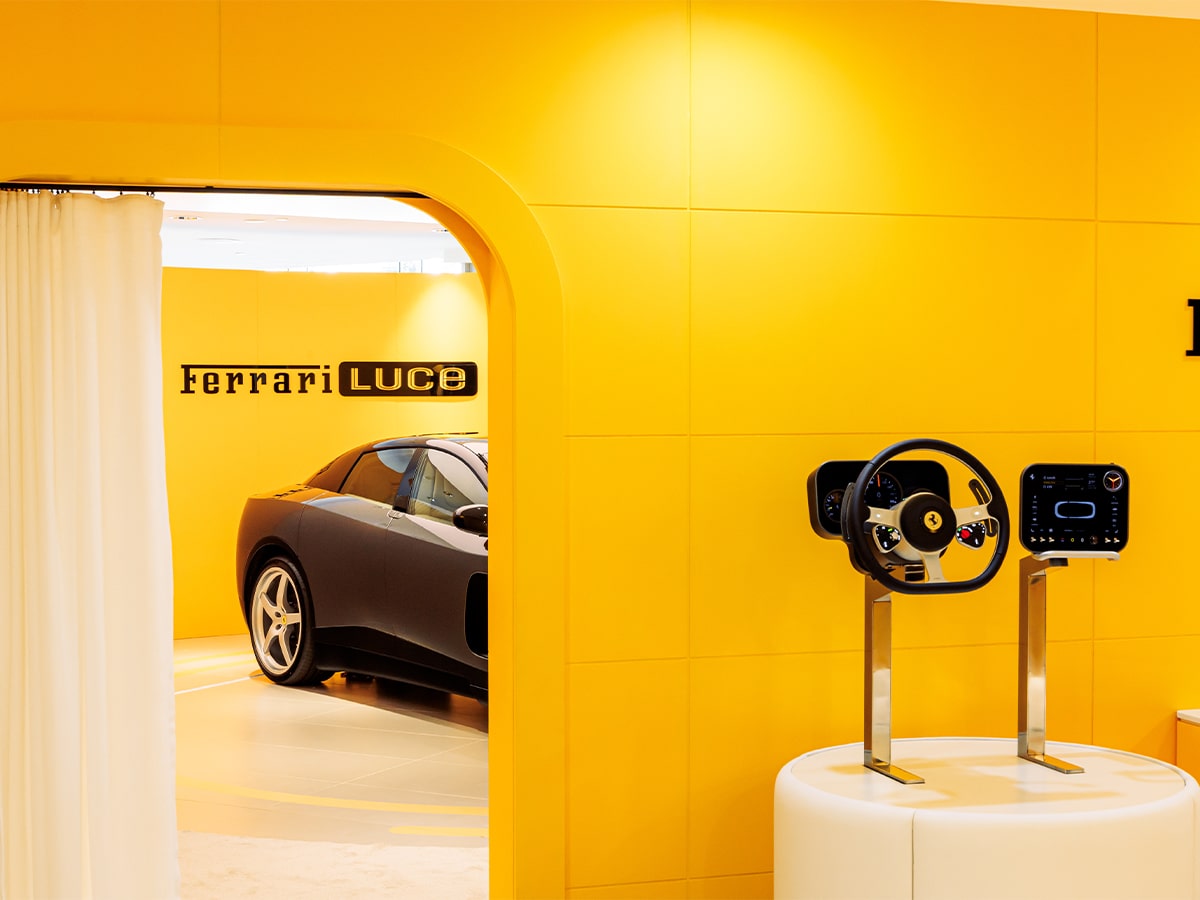
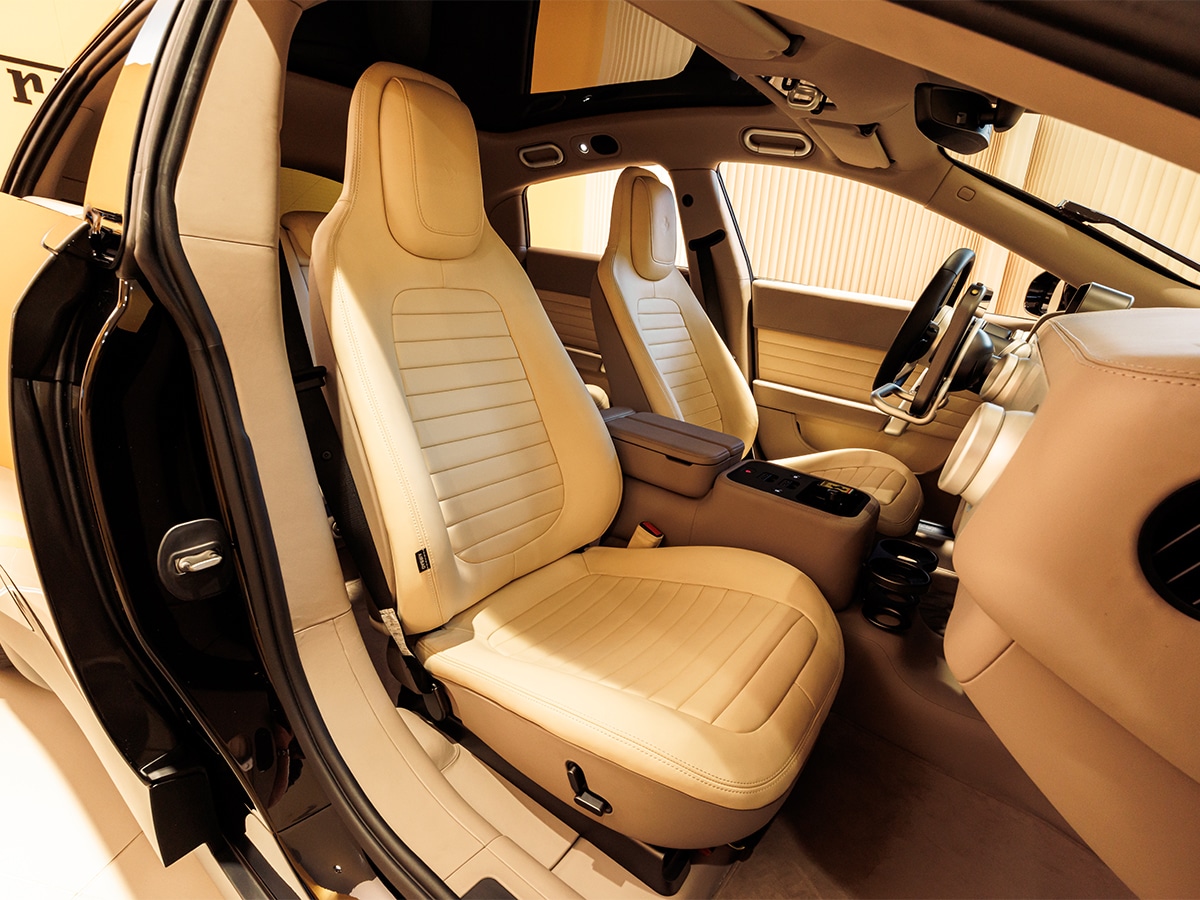
The interior of the Luce represents a significant shift in how Ferrari approaches cabin technology. Eschewing the industry trend toward massive, screen-dominated dashboards, the Luce focuses on tactile, physical controls. Many of the interior components are machined from recycled anodized aluminum and wrapped in premium Italian leather, offering a haptic experience that rivals ultra-luxury marques such as Bentley and Rolls-Royce.
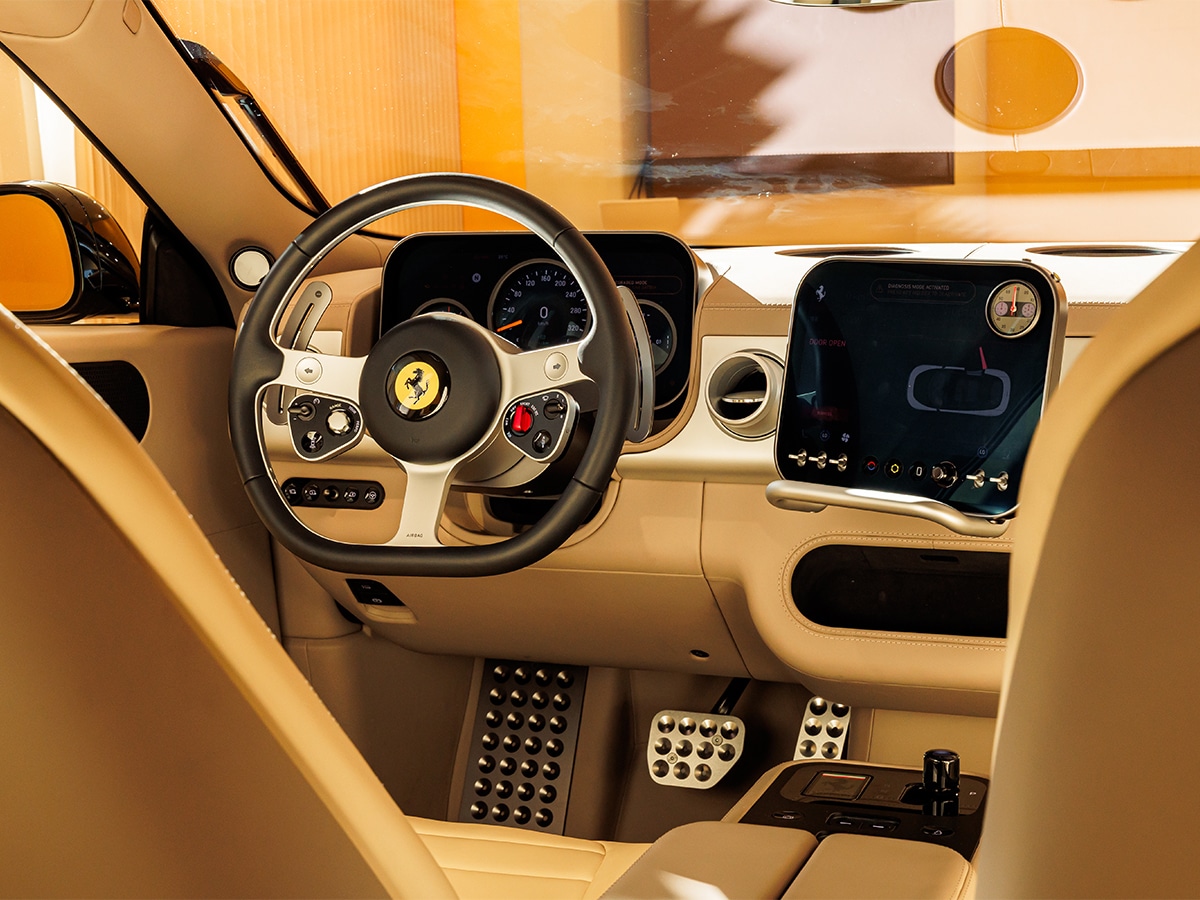
A central feature of the user experience is the vehicle’s key, crafted from Corning Gorilla Glass. The key includes an integrated E-Ink display that requires power only when changing states. When docked in the center console, the key initiates a startup sequence that illuminates the digital displays with a "Ferrari yellow" wave. The digital interface consists of custom multi-layered OLED screens developed in partnership with Samsung Display, positioned behind mechanical glass lenses.
The steering assembly moves as a single unit, ensuring that the primary instrument binnacle remains in the driver’s direct line of sight regardless of steering wheel adjustment. Driving functions, climate control, and media are managed through physical toggles and switches, supplemented by an articulating central touchscreen. For audio, Ferrari has implemented a 21-speaker, 3000-watt system powered by a Class-D amplifier, utilizing a proprietary "Audio Director" platform to optimize sound quality for each of the five seats.
Market Reception and the Weight of Tradition
The announcement and subsequent reveal of the Luce have not been without controversy. Ferrari’s decision to move into the fully electric space was met with public skepticism from some of the brand’s most prominent figures. Former Ferrari chairman Luca di Montezemolo famously suggested that the car should not carry the Prancing Horse badge, arguing that the soul of a Ferrari is inextricably linked to the sound and character of an internal combustion engine.
This sentiment was reflected in the financial markets immediately following the global reveal, as Ferrari stock dipped over 8 percent. However, the market reaction proved temporary. As global order books opened, demand from technology entrepreneurs in the United States, as well as buyers in China, Australia, and New Zealand, surged. The stock subsequently rebounded by more than 24 percent to €353.60 per share, as investors recognized the potential for the Luce to attract a new demographic of ultra-high-net-worth individuals who prioritize sustainability alongside performance.
Ferrari CEO Benedetto Vigna has remained steadfast in the company’s "technological neutrality" strategy. Vigna has emphasized that Ferrari will continue to offer a mix of fully electric, hybrid, and internal combustion architectures, allowing the market to dictate the transition. The Luce, which incorporates over 60 new patents, is the flagship of this strategy.
Engineering the "Ferrari Sound" for the EV Age
One of the primary challenges for Ferrari engineers was the absence of a traditional engine note. Rather than utilizing synthetic, "space-age" sounds often found in other electric vehicles, Ferrari developed a patented acoustic system designed to capture the authentic mechanical vibrations of the car.
Precision accelerometers are mounted directly to the axles to monitor the dynamic vibrations of the driveline. This raw mechanical data is then filtered, equalized, and amplified through a series of internal and external speakers. The resulting sound note scales naturally with the speed of the motors and driver inputs via the steering-mounted paddles. While the Luce does not feature a traditional gearbox, the right-hand paddle provides a "torque shift" sensation—a progressive surge of acceleration designed to mimic the feeling of a gear change—while the left paddle manages the regenerative braking force, which can absorb up to 0.5 MW of power.
Implications for the Australian Luxury Landscape
The introduction of the Luce to the Australian market is a significant indicator of the region’s importance to Maranello. Australia has historically been a strong market for Ferrari’s grand tourers and limited-edition models. By pricing the Luce at nearly $1 million, Ferrari is positioning the vehicle as a statement of technological leadership rather than a high-volume entry.
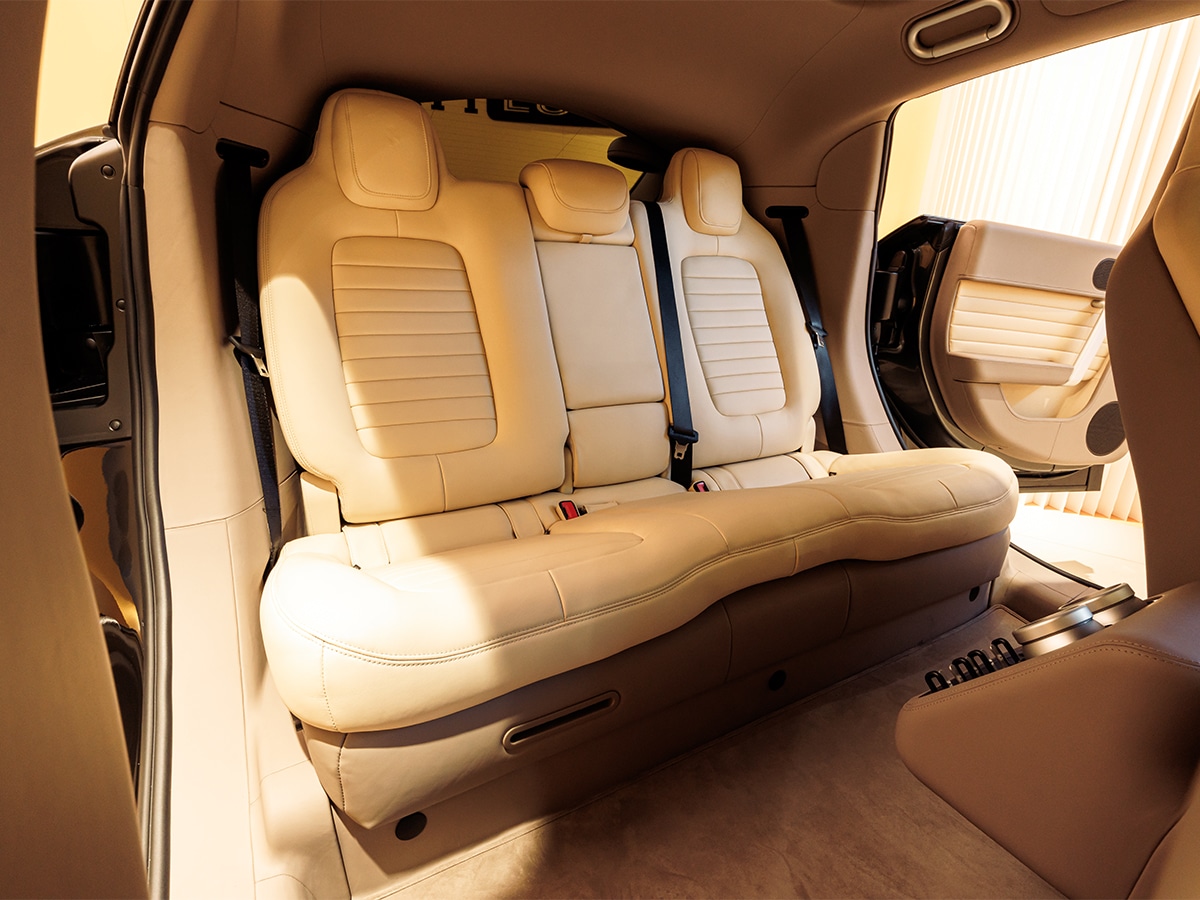
The Q4 2027 delivery timeline provides a window for the local charging infrastructure to mature, particularly in the ultra-fast charging segment required to support the Luce’s 350 kW capacity. As the first of its kind, the Luce will face competition from the likes of the Rolls-Royce Spectre and high-performance variants of the Porsche Taycan, though its four-motor setup and bespoke Maranello-built battery pack aim to set it apart as a more driver-centric alternative in the luxury EV space.
Ferrari President John Elkann summarized the vehicle’s mission during its global debut, stating that the Luce is intended to "inaugurate a chapter that turns vision into reality." For the Australian market, that reality begins with a vehicle that is as much a piece of high-tech industrial design as it is a high-performance sports car, signaling that the future of Ferrari in the Southern Hemisphere will be defined by its ability to innovate without losing the exclusivity that has sustained the brand for nearly a century.


 Pevita Pearce
 Eva Lovia
 Nana Wu
 Amara Maple
 Joko Widodo