
 admin
admin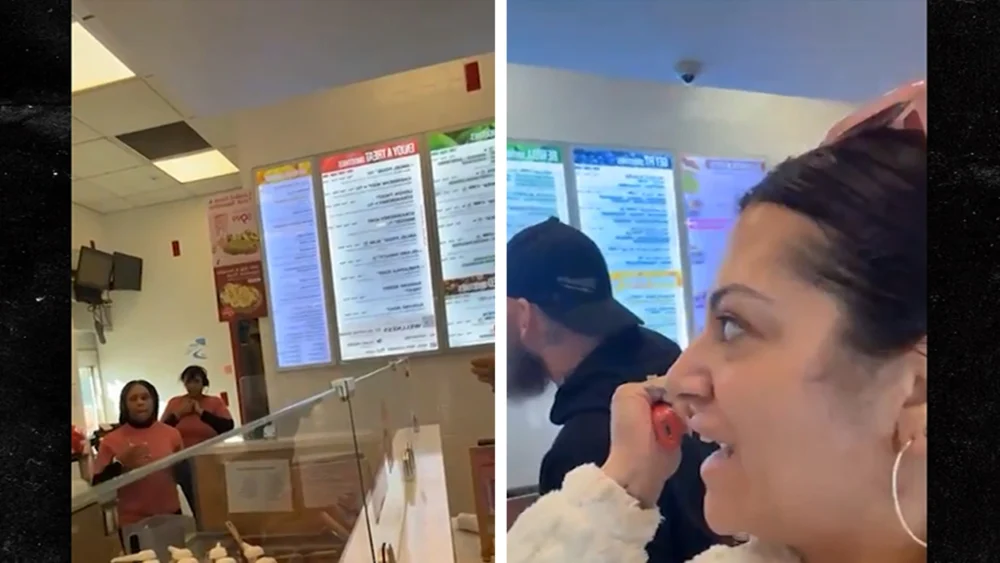
Ann Arbor, Michigan – A contentious incident at a Smoothie King franchise in Ann Arbor, Michigan, on March 4, 2026, has ignited a nationwide debate concerning political discrimination in public accommodations, the boundaries of employee conduct, and the rights of consumers. The event, captured on video by one of the customers, shows two employees refusing service to a couple identified as supporters of former President Donald Trump, leading to their swift termination by the franchise owner and a public apology from Smoothie King corporate. This incident underscores the escalating political polarization that increasingly spills into everyday commercial interactions, forcing businesses to navigate complex issues of personal belief, customer service, and legal compliance. The viral spread of the video prompted immediate reactions across social media platforms, drawing sharp divisions between those who defended the employees’ right to refuse service based on their personal convictions and those who condemned the action as discriminatory and unprofessional.
Incident Sparks Controversy at Ann Arbor Smoothie King
The confrontation began when Erika Lindemyer and her husband, identified as supporters of Donald Trump, entered the Smoothie King establishment in Ann Arbor. While the specific cues that indicated their political affiliation were not explicitly detailed in initial reports, it is widely understood that visible merchandise or attire, such as hats or shirts bearing political slogans, often serves as the catalyst for such encounters. The couple intended to purchase smoothies, a routine transaction that quickly devolved into a heated exchange. According to Lindemyer’s recording, a female employee behind the counter explicitly stated her discomfort with serving individuals who supported Trump. The employee reportedly justified her refusal by asserting that Trump did not support her, implying a reciprocal lack of willingness to serve his proponents. This direct confrontation, captured in vivid detail by Lindemyer’s phone, quickly became the central piece of evidence in the subsequent fallout.
The customer, Erika Lindemyer, challenged the employee’s stance, labeling it as "illegal discrimination." Her husband reportedly joined the protest, expressing a sarcastic wish for the employee’s job security in light of her actions. Despite the customers’ objections and warnings, the employee remained resolute, continuing to motion for them to exit the premises. This unwavering stance by the employee, prioritizing personal political conviction over customer service, set the stage for the corporate intervention that would follow. The video’s raw footage vividly depicted the tension in the store, highlighting the growing friction between personal political expression and the expectations of professional conduct in a service-oriented environment.
A Detailed Account: Confrontation Unfolds
The Patrons and Their Political Affiliation
Erika Lindemyer and her husband entered the Ann Arbor Smoothie King expecting a typical customer experience. While the specific indicators of their political affiliation were not detailed, it is common for individuals to wear apparel or accessories—such as "Make America Great Again" (MAGA) hats or Trump-branded clothing—that openly declare their political allegiance. In an increasingly polarized society, such visual cues can sometimes provoke strong reactions, both positive and negative, from those around them. The couple’s expectation of standard service was quickly upended when their political leanings, however communicated, became a point of contention for the store’s staff. This scenario is not isolated; similar incidents have been reported across the country, reflecting a broader trend where political identities transcend traditional boundaries and permeate commercial spaces.
Employee’s Refusal and Justification
The core of the dispute lay in the employees’ direct refusal of service. The female employee, whose identity was not immediately released but later confirmed to be one of the two terminated individuals, articulated her reasoning on video. She stated that "Trump doesn’t support her," and therefore, she felt uncomfortable serving those who supported him. This justification, while stemming from a personal belief, directly challenged the conventional understanding of customer service, which typically dictates that businesses serve all patrons without prejudice, provided their conduct is not disruptive. The employee’s statement implied a direct link between a customer’s political alignment and her capacity to perform her job duties impartially. This incident raises questions about the extent to which employees can infuse their personal political beliefs into their professional roles, especially in customer-facing positions. It also highlights the emotional toll and deeply personal nature of political affiliation for many individuals, affecting their interactions even in mundane settings.
Escalation and Recording
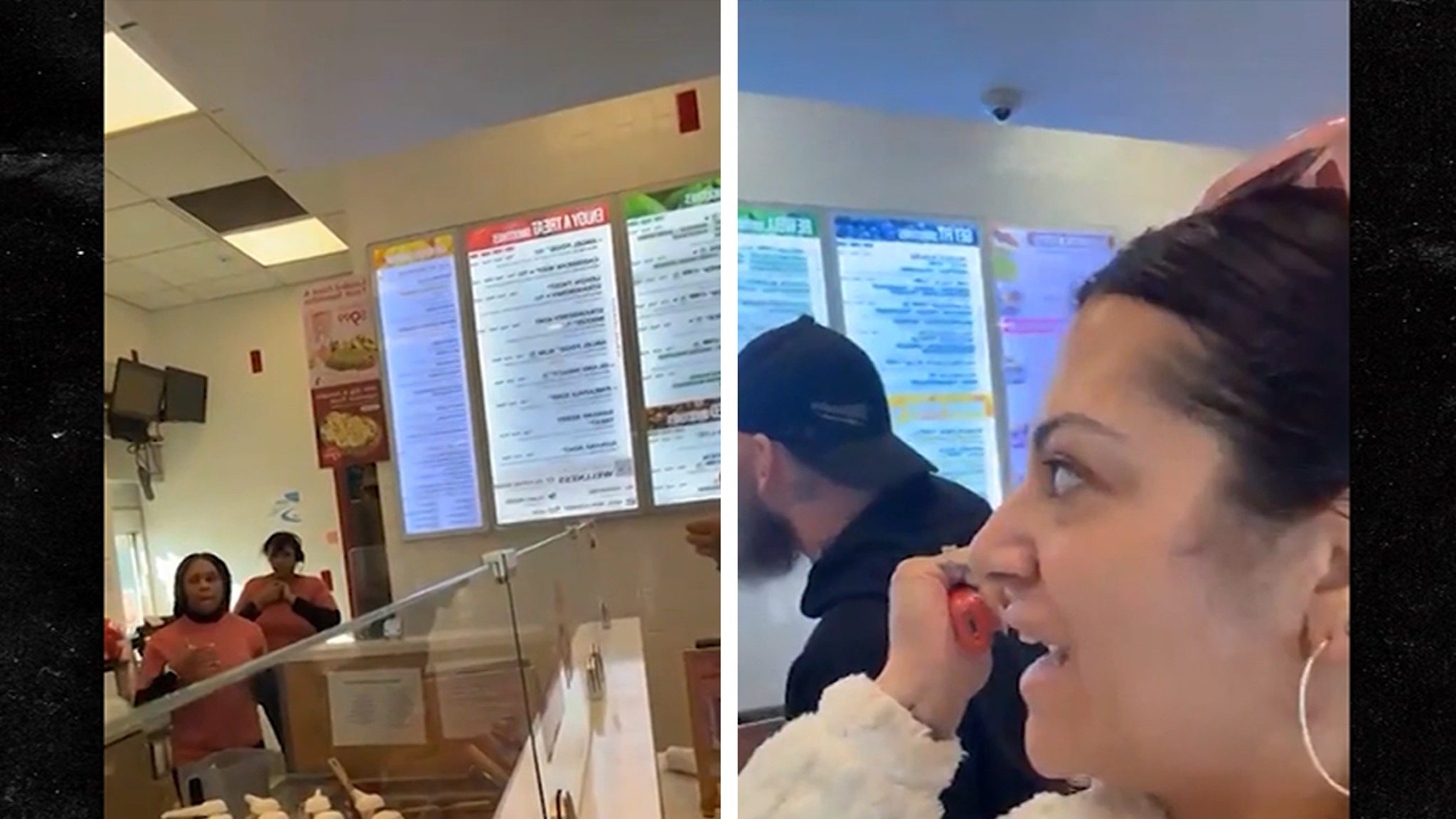
As the verbal exchange intensified, Erika Lindemyer began recording the interaction on her phone, a common practice in modern disputes that often provides irrefutable evidence of an event. Lindemyer vocally protested the refusal, asserting that it constituted "illegal discrimination." Her husband echoed these sentiments, sarcastically wishing the employee "luck with keeping her job after this ordeal." Despite these warnings and the ongoing recording, the employee stood her ground, continuing to signal for the couple to leave the establishment. The recording thus captured the entire trajectory of the dispute, from the initial refusal to the customers’ forced exit. The immediate dissemination of such videos across social media platforms like X (formerly Twitter), TikTok, and YouTube has become a powerful mechanism for publicizing such incidents, often leading to rapid corporate responses and widespread public discourse. The recording served as the primary catalyst for Smoothie King’s subsequent investigation and disciplinary actions, demonstrating the profound influence of citizen journalism in holding individuals and corporations accountable.
Corporate Response and Swift Action
Smoothie King’s Official Statement
Upon learning of the incident and the widespread circulation of the video, Smoothie King’s corporate leadership swiftly initiated an internal review. The company issued a public statement confirming that the two employees involved in the refusal of service had been terminated. The statement emphasized that the actions of the employees did not align with Smoothie King’s core values or its commitment to providing an inclusive and welcoming environment for all customers. "At Smoothie King, we are committed to providing a welcoming and inclusive environment for all guests," the statement read, adding, "The actions of the team members in Ann Arbor do not reflect our brand’s values, and we have taken swift action in response." The company also indicated that it had "reached out to the guest several times to apologize," underscoring its efforts to mend the relationship with the affected customers and to reinforce its commitment to customer satisfaction. This immediate and decisive action by Smoothie King aimed to mitigate potential brand damage and reassure its broader customer base that such discriminatory practices are not tolerated within its franchise system.
Mandated Retraining and Policy Reinforcement
Beyond the terminations and apologies, Smoothie King announced further measures to prevent similar incidents in the future. The local franchise owner was directed to implement mandatory retraining for all employees. This retraining program is expected to cover critical aspects of customer service, anti-discrimination policies, and appropriate employee conduct, particularly concerning the expression of personal beliefs while on duty. Such training initiatives are crucial for reinforcing corporate standards and ensuring that all employees understand their obligations to serve every customer respectfully, regardless of political affiliation or other non-protected characteristics. The retraining would likely focus on scenarios involving contentious interactions, de-escalation techniques, and the importance of maintaining a neutral and professional demeanor. This proactive step by Smoothie King illustrates the company’s commitment not only to addressing the immediate incident but also to strengthening its operational protocols and employee education to uphold its brand reputation and ensure consistent service quality across its franchise network.
The Legal Landscape: Understanding "Right to Refuse Service"
Federal and State Anti-Discrimination Laws
The assertion by Erika Lindemyer that the refusal of service constituted "illegal discrimination" highlights a common misunderstanding of anti-discrimination laws. Federally, the Civil Rights Act of 1964 prohibits discrimination in public accommodations based on race, color, religion, national origin, and sex. Over time, interpretations and subsequent legislation have expanded "sex" to include sexual orientation and gender identity in some contexts. However, political affiliation is not a federally protected class under the Civil Rights Act. This means that, at the federal level, businesses are generally not legally prohibited from refusing service based on a customer’s political views, provided such refusal does not inadvertently discriminate against a federally protected class.
At the state level, laws vary. Michigan’s Elliott-Larsen Civil Rights Act, for example, prohibits discrimination based on religion, race, color, national origin, age, sex, height, weight, familial status, or marital status. Similar to federal law, political affiliation is not explicitly listed as a protected characteristic under Michigan state law. Some municipalities, however, may have local ordinances that offer broader protections. Ann Arbor, known for its progressive policies, has comprehensive non-discrimination ordinances, but typically these also do not extend to political affiliation in commercial settings, focusing instead on areas like housing, employment, and public accommodations for traditionally marginalized groups. Therefore, while the employees’ actions were certainly unprofessional and against company policy, labeling them "illegal discrimination" in the strictly legal sense, absent a specific local ordinance, might be an overstatement based on current federal and state frameworks.
Distinguishing Legitimate Refusal from Discrimination
It is critical to distinguish between a legitimate right to refuse service and illegal discrimination. Businesses generally retain the right to refuse service to customers who are disruptive, violate store policies, pose a threat to staff or other customers, or are otherwise engaging in behavior that interferes with the business’s operations. For example, a restaurant can refuse service to an intoxicated patron or someone engaging in vandalism. However, this right becomes legally problematic when the refusal is based on a protected characteristic.
In the Smoothie King case, the refusal was explicitly tied to the customers’ political affiliation. Since political affiliation is not a protected class under federal or Michigan state law, the refusal, while ethically questionable and certainly a breach of customer service standards, might not technically fall under the purview of "illegal discrimination" as defined by broad civil rights statutes. The key here is the basis of the refusal. If the refusal was based on the customers’ race, for instance, it would be unequivocally illegal. When it’s based on political views, the legal landscape is far less clear-cut, leading to a reliance on corporate policy and public opinion to resolve such disputes. This legal ambiguity often creates a gray area where personal convictions clash with commercial expectations.
Precedent and Public Accommodations
The legal debate surrounding public accommodations and personal beliefs has been a recurring theme, particularly in cases involving religious freedom and LGBTQ+ rights (e.g., bakeries refusing to make cakes for same-sex weddings). These cases often hinge on whether the service being provided constitutes an "expressive act" and whether compelling a business owner to provide such a service infringes on their First Amendment rights. However, the Smoothie King incident is different. It involves an employee’s personal political views rather than a business owner’s deeply held religious beliefs.
Generally, employees of public accommodations are expected to provide service uniformly, regardless of their personal opinions about a customer’s background, beliefs, or affiliations. The expectation is that the business transaction is separate from personal ideology. Allowing employees to refuse service based on political affiliation could set a precedent where political tests are applied to commercial interactions, potentially leading to a chaotic and discriminatory marketplace. This is precisely why most corporations, including Smoothie King, have clear policies against such actions, prioritizing a neutral and universally accessible service environment over individual employees’ political expressions while on the clock.
Broader Context: Political Polarization in Public Spaces
Ann Arbor’s Socio-Political Climate
Ann Arbor, Michigan, is widely recognized as a liberal and progressive stronghold, home to the University of Michigan, one of the nation’s leading public universities. The city’s demographic and political landscape often translates into a social environment where progressive viewpoints are prevalent and openly expressed. This context is crucial for understanding the employee’s perspective in the Smoothie King incident. While it doesn’t excuse the breach of professional conduct, it provides a backdrop against which an employee might feel empowered or justified in expressing strong political opposition, even in a customer service role. In such an environment, the presence of visibly identifiable Trump supporters might be perceived differently than in more politically diverse or conservative areas, potentially leading to heightened tensions and more frequent ideological clashes in public spaces.
The Impact of Social Media
The role of social media in amplifying incidents like the Ann Arbor Smoothie King confrontation cannot be overstated. Once Erika Lindemyer uploaded her video, it rapidly went viral, attracting millions of views and sparking intense debate across various platforms. Social media acts as both a rapid dissemination tool and a public forum, allowing individuals to share their experiences instantaneously and garner widespread attention. This immediate and often emotional public scrutiny puts immense pressure on corporations to respond quickly and decisively. The velocity with which such videos spread means that companies often have mere hours to formulate a response before an incident can significantly damage their brand reputation. In this case, the viral video undoubtedly accelerated Smoothie King’s investigation and led to the swift terminations, demonstrating the power of citizen journalism in holding individuals and businesses accountable in the digital age.
Challenges for Service Industries
The Ann Arbor incident is indicative of a growing challenge for service industries in an era of heightened political polarization. Frontline workers, who are often paid hourly wages and interact directly with a diverse public, are increasingly finding themselves at the intersection of personal conviction and professional duty. Companies must navigate the delicate balance of respecting employees’ free speech rights while ensuring that business operations remain impartial and non-discriminatory. This often requires clear, unambiguous corporate policies regarding employee conduct, especially concerning political expression during work hours. Furthermore, comprehensive training is essential to equip employees with the tools to de-escalate potentially confrontational situations and to understand the boundaries of appropriate workplace behavior. The Smoothie King incident serves as a stark reminder of the complexities businesses face in maintaining a neutral commercial environment amidst a deeply divided society.
Implications for Business and Consumer Rights
Brand Reputation and Customer Trust
For a national franchise like Smoothie King, an incident of this nature carries significant implications for its brand reputation and customer trust. In the immediate aftermath, the company faced calls for boycotts from some Trump supporters, while others praised the company for its swift action against the employees. The challenge for Smoothie King is to reaffirm its commitment to inclusivity and customer service without alienating any segment of its diverse customer base. Brand trust is built on consistency, reliability, and a perceived commitment to fairness. When an incident like this occurs, it can erode that trust, making it imperative for the company to demonstrate that it has taken corrective measures and reinforced its core values. The mandatory retraining and public apologies are key components of this reputation management strategy, aiming to reassure customers that such incidents are aberrations and not reflective of the brand’s overall ethos.
Employee Conduct and Corporate Policy
This incident highlights the critical need for robust corporate policies regarding employee conduct, particularly concerning political expression in the workplace. While employees generally have the right to their political beliefs, expressing those beliefs in a manner that obstructs business operations or discriminates against customers is typically not protected within a professional setting. Companies must establish clear guidelines that delineate acceptable and unacceptable behaviors, especially for customer-facing roles. These policies should emphasize the importance of professionalism, impartiality, and treating all customers with respect, regardless of personal disagreements or political differences. The terminations at Smoothie King serve as a cautionary tale for employees that personal political stances, when expressed in a discriminatory manner during work hours, can have severe professional consequences.
The Future of Public Accommodation in a Divided Society
The Ann Arbor Smoothie King incident is more than just a localized dispute; it is a microcosm of a larger societal challenge: how to maintain civil and equitable public accommodations in a deeply divided political landscape. As political polarization intensifies, the potential for ideological clashes in everyday settings—restaurants, shops, and service centers—is likely to increase. This places a greater burden on businesses to act as neutral grounds, ensuring that their services are accessible to all members of the public without prejudice. It also prompts a broader societal reflection on the limits of political expression and the importance of civility and mutual respect in commercial interactions. The ongoing tension between individual rights, corporate responsibilities, and consumer expectations will continue to shape the future discourse on public accommodation in a world where political identities increasingly define public and private spheres.

 Jia Lissa
 Yuyun Lusiyani
 Joko Widodo
 Eva Lovia

 Pevita Pearce