
 Eva Lovia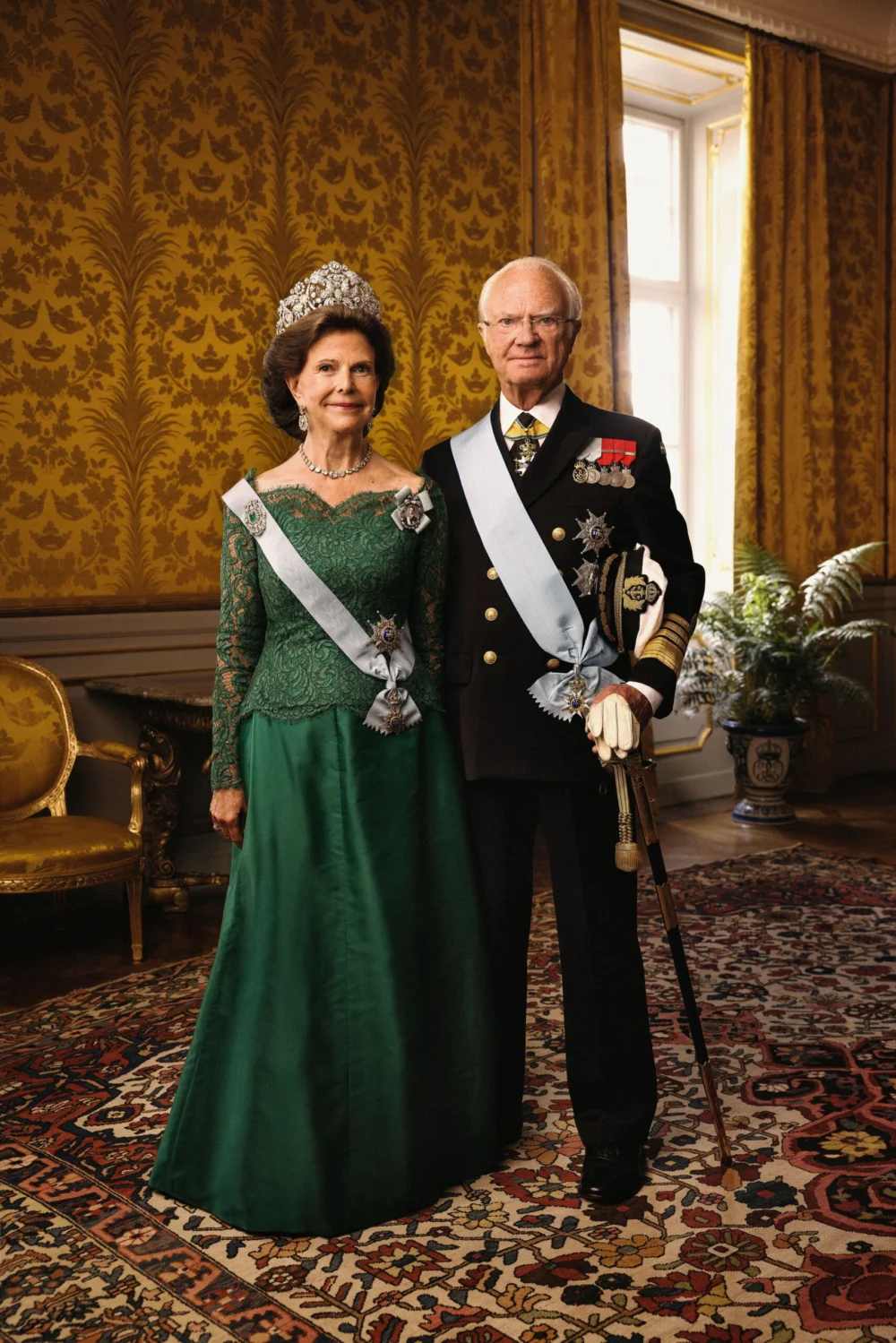
The fascinating journey of Queen Silvia of Sweden from a commoner to a beloved royal consort is set to be brought to life on screen in an upcoming German-Swedish co-production titled "German Queen." This ambitious series promises to delve into the early life of Silvia Sommerlath, the pivotal moment of her meeting with Crown Prince Carl Gustaf at the 1972 Munich Summer Olympics, and the subsequent evolution of their relationship against the backdrop of public scrutiny and royal duty. Adding a layer of aristocratic resonance to the production, the actress slated to portray Queen Silvia is herself a member of Bavarian nobility, Countess Alicia von Rittenberg.
The announcement of "German Queen" signifies a growing trend of television series exploring the lives of European royalty, offering audiences an intimate glimpse into the personal histories and public pressures faced by monarchs and their consorts. This particular project aims to illuminate the formative years of Queen Silvia, a figure who has captured the admiration of many for her grace, dedication to humanitarian causes, and her seamless integration into the Swedish monarchy.
The Genesis of a Royal Romance: From Munich to the Throne
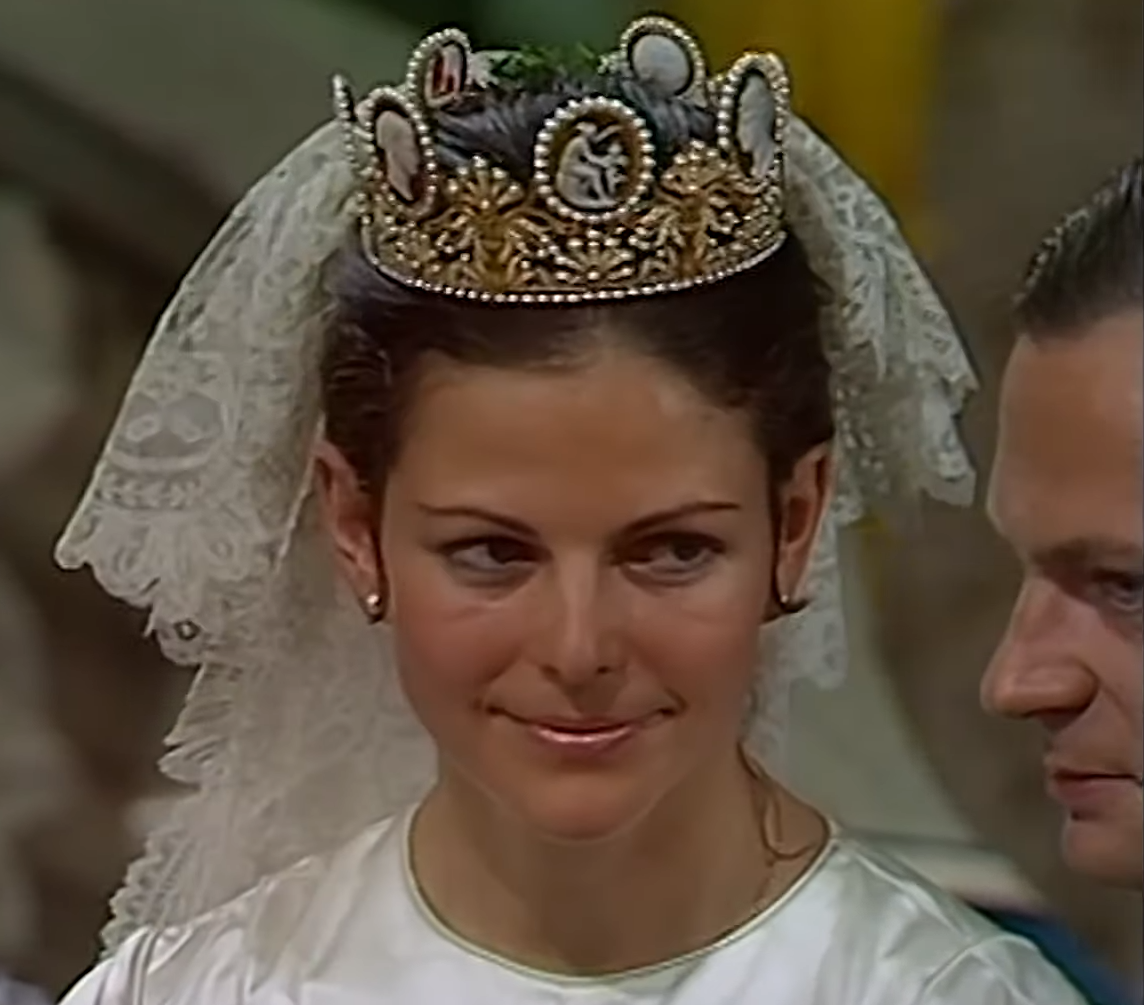
The narrative of "German Queen" is centered on the serendipitous encounter that would forever alter the destinies of Silvia Sommerlath and Carl Gustaf Folke Hubertus Bernadotte. The 1972 Munich Olympics, a global spectacle of athletic achievement and cultural exchange, provided the unlikely stage for their meeting. Silvia Sommerlath, then a young woman of German-Brazilian heritage, was working as a hostess at the Games, a role that brought her into contact with numerous dignitaries and international figures. It was amidst this vibrant atmosphere that she crossed paths with the then Crown Prince of Sweden, who was also in attendance.
Their initial connection, reportedly sparked by shared interests and mutual admiration, blossomed into a courtship that navigated the complexities of international romance and the stringent expectations of a royal family. The series is expected to explore the challenges they faced, including Silvia’s status as a commoner, the cultural differences, and the intense media attention that accompanied their burgeoning relationship. The transition from a private life to the public spotlight of the Swedish court would have been a significant undertaking, and "German Queen" aims to capture the nuances of this transformation.
Casting a Royal: Countess Alicia von Rittenberg Takes the Helm
The casting of Countess Alicia von Rittenberg as Queen Silvia is a particularly intriguing aspect of the production. While she does not professionally utilize her title, von Rittenberg hails from a distinguished Bavarian noble family. This personal connection to aristocracy, albeit a different branch of European nobility, may offer her a unique perspective and depth in portraying the complexities of royal life.
Von Rittenberg is no stranger to portraying historical figures, having previously starred as Queen Elizabeth I in the historical drama series "Becoming Elizabeth." Although that series was ultimately canceled after its first season, it showcased von Rittenberg’s ability to inhabit regal roles and convey the gravitas associated with significant historical personages. Her previous experience in a royal-themed drama suggests a comfort and aptitude for the genre, making her a compelling choice to embody Queen Silvia. The fact that she is a member of nobility herself could lend an authentic, lived-in understanding to the portrayal of the pressures and privileges that come with such a lineage, even if her own experience is distinct from that of a reigning queen.
Filming and Production Details: A European Collaboration
According to reports from German tabloids, filming for "German Queen" is scheduled to commence this year, with scenes set to be shot in Munich, the very city where the real-life romance of Silvia and Carl Gustaf began. This choice of location adds a layer of historical authenticity and thematic resonance to the production. While a specific release date has not yet been announced, the commencement of filming signals that the series is moving forward with considerable momentum.
The co-production between Germany and Sweden underscores the international appeal of the story and suggests a collaborative effort to ensure a nuanced and authentic depiction of both Queen Silvia’s life and the Swedish cultural context. The series is expected to draw on historical accounts and potentially interviews or insights from those close to the Swedish Royal Family, although official collaboration with the Royal Family has not been explicitly stated for this particular project.
A Royal Subject: The Growing Trend of Royal Biographies on Screen
The television treatment of Queen Silvia’s life is part of a broader trend that has seen numerous royal figures become the subjects of biographical dramas and docu-series. Productions like "The Crown" have achieved global success by dramatizing the reign of Queen Elizabeth II and the British Royal Family, setting a high bar for historical royal storytelling.
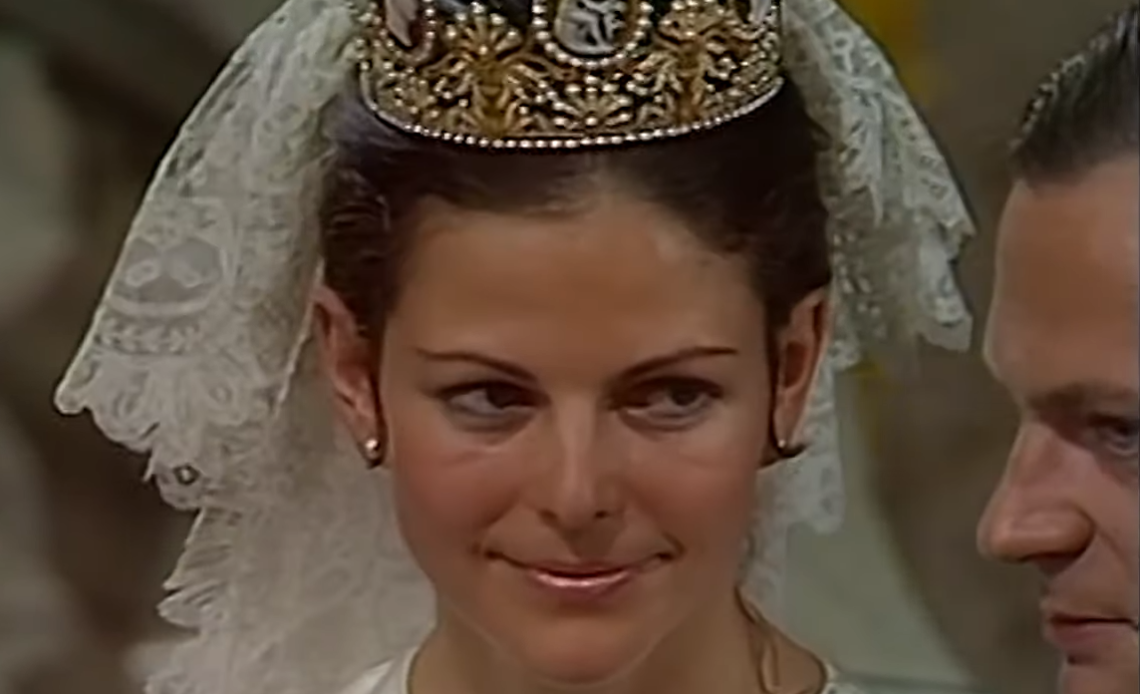
More recently, other European royal families have also been the focus of television narratives. "Máxima," a series chronicling the early life and journey of Queen Máxima of the Netherlands, has captivated audiences. The first season concluded with the engagement of Máxima Zorreguieta and then Prince Willem-Alexander, and the upcoming second season is set to cover their wedding and Máxima’s subsequent adjustment to life as queen consort. Similarly, "The Commoner" explored the challenging courtship of King Harald V and Queen Sonja of Norway in the 1960s, highlighting the societal pressures and familial objections they faced before their eventual marriage.
These series collectively demonstrate a public appetite for understanding the human element behind royal titles and traditions. They explore themes of love, duty, sacrifice, and the often-unseen challenges of navigating life in the public eye.
Swedish Royal Family and Previous Television Endeavors
It is worth noting the Swedish Royal Family’s past engagement with the concept of a televised depiction of their lives. In 2022, a Swedish series titled "Monarki" was announced, intended to cover the early years of King Carl XVI Gustaf’s life and his subsequent reign, with potential for further seasons. This six-episode series, written by Åsa Lantz, was said to have begun filming. However, updates on its progress have been scarce since its initial announcement.
While the Swedish Royal Family did not officially collaborate on "Monarki," they reportedly did engage with writer Åsa Lantz, answering questions to assist in the writing process. Crown Princess Victoria, when asked about the series, expressed a degree of apprehension, stating, "I would rather not be portrayed. Maybe I’ll be away for the whole season." This sentiment highlights the delicate balance royal families must strike when their lives are subject to dramatization – a desire for privacy often juxtaposed with the public’s fascination.
The approach to "German Queen" remains to be fully elucidated in terms of direct collaboration, but the choice of Munich as a filming location and the focus on Queen Silvia’s formative years suggest a narrative that could resonate deeply with both Swedish and international audiences. The series has the potential to shed light on the personal qualities and choices that have shaped Queen Silvia into the respected figure she is today.
The Broader Impact and Implications of Royal Biographies
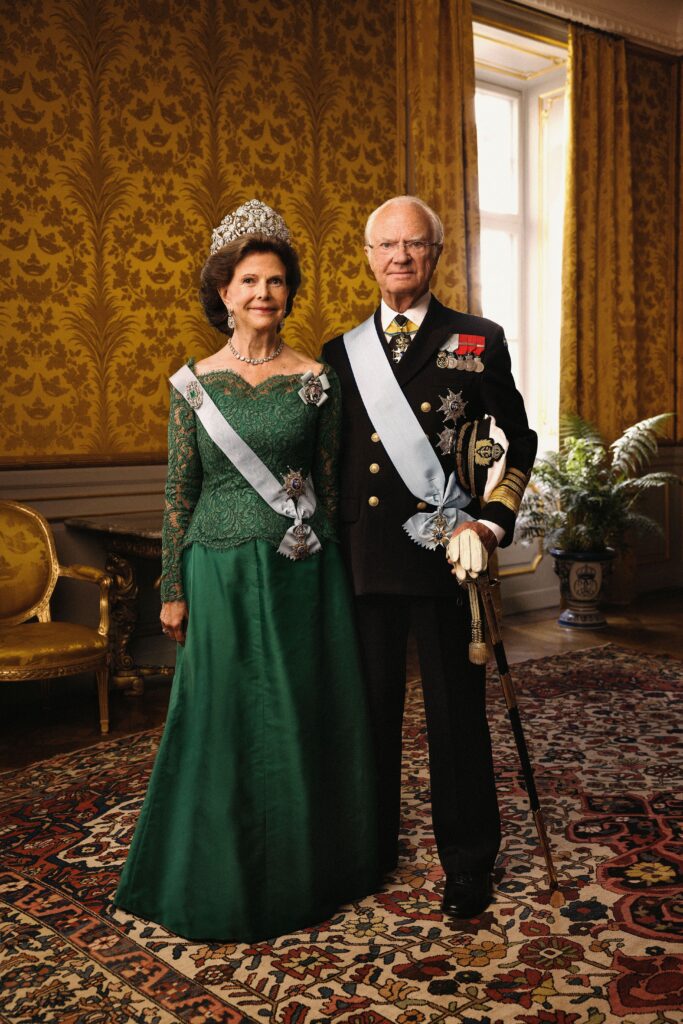
The proliferation of royal biographies on television reflects a confluence of factors. Firstly, the inherent mystique and historical significance surrounding monarchies continue to captivate the public imagination. Secondly, advancements in storytelling and production techniques allow for more immersive and compelling portrayals of historical events and personal lives.
For figures like Queen Silvia, these series offer an opportunity to present their narratives in a controlled environment, potentially shaping public perception and providing context to their roles. For audiences, these dramatizations serve as educational tools, offering insights into history, culture, and the enduring relevance of royal institutions in contemporary society.
The casting of Countess Alicia von Rittenberg adds a unique dimension, suggesting that the series may explore not only Queen Silvia’s journey but also the broader societal and aristocratic contexts from which she emerged and within which she has thrived. As "German Queen" prepares to begin production, anticipation is building for a compelling exploration of a modern royal fairytale, grounded in historical events and brought to life by a cast that adds its own layer of aristocratic connection to the narrative. The success of such productions often lies in their ability to balance historical accuracy with engaging storytelling, humanizing figures who are often perceived through the lens of tradition and ceremony. The upcoming series about Queen Silvia has the potential to do just that, offering a fresh perspective on a beloved royal consort.



 Yuyun Lusiyani
 Joko Widodo
 Jia Lissa
 Pevita Pearce
 admin
admin