
 Pevita Pearce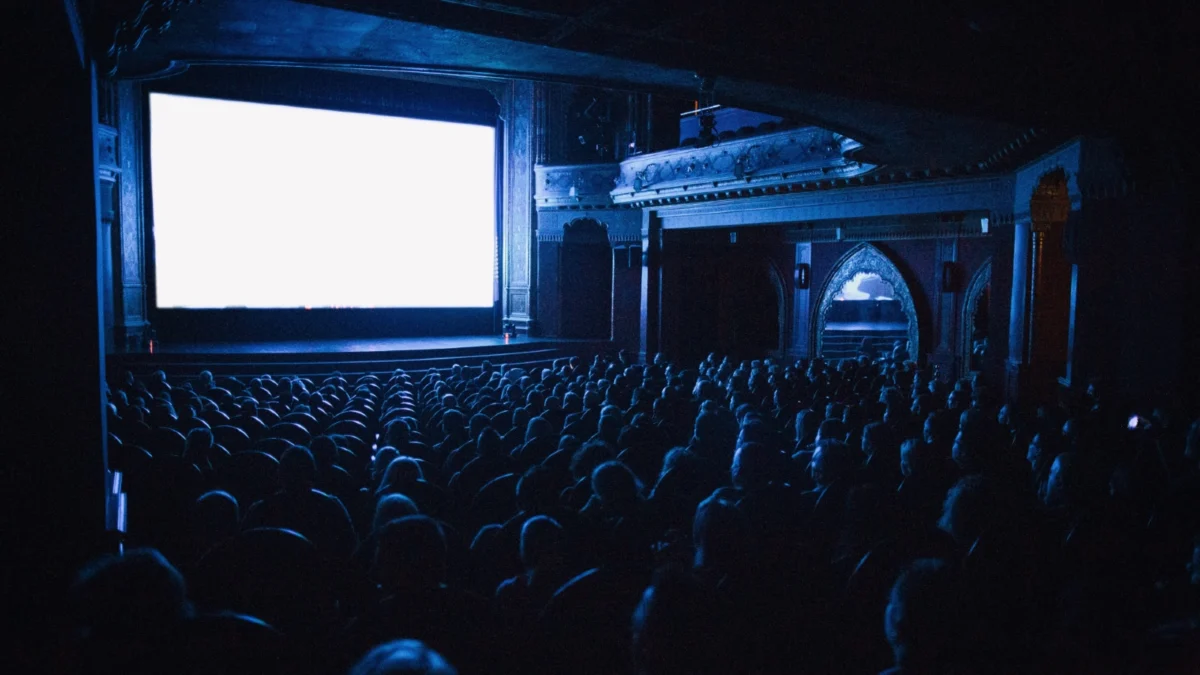
Neon, the independent film distributor renowned for its avant-garde promotional tactics and high-caliber genre acquisitions, has recently concluded a unique marketing event in New York City designed to test the psychological and physical limits of horror enthusiasts. The event, an endurance-based screening of the new horror feature It Ends, required a selected group of participants to view the film on a continuous loop for a period of 36 hours. This "marathon of terror" served as a calculated promotional stunt for the directorial debut of Alexander Ullom, positioning the film as a grueling sensory experience both on and off the screen. By merging the narrative themes of the film—which concerns a group of individuals trapped in a repetitive, inescapable environment—with the real-world experience of the audience, Neon has once again demonstrated its commitment to immersive, "stunt-style" marketing that targets the dedicated cinephile demographic.
The Cinematic Context: Alexander Ullom’s Directorial Debut
At the center of this endurance test is It Ends, a psychological horror film that marks the first feature-length project for director Alexander Ullom. The film explores a narrative rooted in the "liminal space" subgenre of horror, following four recent college graduates who find themselves trapped on a stretch of highway that seemingly has no exit. As the characters navigate the psychological toll of their isolation and the mounting dread of their situation, the film utilizes atmospheric tension and repetitive visual motifs to convey a sense of hopelessness.
Industry analysts note that It Ends arrives at a time when horror cinema is increasingly leaning into conceptual and experimental storytelling. By focusing on the "never-ending highway" trope, Ullom taps into common anxieties regarding stagnation and the loss of control. Neon’s decision to distribute the film suggests a high level of confidence in Ullom’s vision, as the distributor has a history of championing distinctive voices in the genre, including the directors of recent hits like Longlegs and the Academy Award-winning Parasite.
The Mechanics of the Endurance Contest
The marketing event, staged in a New York City cinema, was not open to the general public through standard ticketing. Instead, Neon employed a rigorous selection process, requiring hopeful participants to submit video applications demonstrating their passion for horror and their perceived ability to withstand prolonged periods of isolation and repetition. From these applicants, a small group of cinephiles was handpicked and organized into teams of four. This team-based structure was intended to mirror the four-person protagonist group in It Ends, creating a thematic bridge between the audience and the characters on screen.
The rules of the competition were stringent. Participants were required to remain inside the screening room for the duration of the 36-hour window. The film played on a continuous loop, with no breaks between screenings except for strictly timed restroom intervals. To sustain themselves, contestants were permitted to bring personal items such as blankets and pillows. Furthermore, Neon provided each participant with a $250 credit for theater concessions. However, the consumption of alcohol was strictly prohibited to ensure the safety of the participants and the integrity of the endurance challenge.
Financial Incentives and Compensation Structure
To motivate the participants through the grueling 36-hour period, Neon established a tiered compensation model. Contestants earned a baseline rate of 25 cents per minute for every minute they remained in the theater and awake during the screening. This accumulated to a maximum of $540 for the duration of the event. To further incentivize completion, those who successfully remained for the entire 36-hour period were awarded a $500 "survival bonus."
For those who reached the finish line, the total payout amounted to $1,040. While the financial reward was a significant draw, many participants indicated that the primary motivation was the prestige of completing such a high-profile challenge and the opportunity to be among the first to witness Ullom’s debut in such an extreme fashion. The structured payout highlights a growing trend in promotional "gamification," where audiences are compensated for their engagement, turning a standard movie viewing into a competitive performance.
The Physical and Psychological Toll: A "Nuclear Bunker" Atmosphere
Participants described the environment within the screening room as increasingly oppressive as the hours progressed. One contestant likened the setting to a "nuclear bunker," noting the lack of natural light, the recycled air of the cinema, and the psychological impact of hearing the same dialogue and score on a loop for over a day. The sensory deprivation associated with staying in a darkened theater, combined with the sensory overload of the film’s horror elements, created a unique psychological state for the viewers.
Fola Olusanya, a 27-year-old participant, arrived prepared with a survival kit that included water bottles, cough drops, Tylenol, a handheld fan, and blankets. Despite these preparations, the physical reality of the event proved challenging. Olusanya reported suffering from a severe headache during the night, a common symptom of eye strain and disrupted sleep cycles. The "wall" of exhaustion typically hit participants during the second night, where the repetition of the film’s imagery began to blur the lines between the narrative on screen and the reality of their confinement.
Another winner, 24-year-old Veronica Giligan, emphasized the importance of the team dynamic. Giligan’s group made a pact at the beginning of the event that they would not leave until the 36 hours had elapsed. This social contract proved vital in overcoming the urge to quit. Giligan successfully completed 24 consecutive viewings of It Ends, securing the full $1,040 prize. Her experience underscores the communal aspect of the challenge, suggesting that the shared "trauma" of the endurance test was a key factor in the high completion rate among the selected teams.
A History of Stunt Marketing in the Horror Genre
Neon’s 36-hour marathon is the latest entry in a long history of "stunt marketing" within the horror genre. This tradition dates back to the 1950s and 60s with producers like William Castle, who famously installed vibrating devices in theater seats for The Tingler and offered "fright insurance" to audience members for Macabre. In the modern era, distributors have sought more immersive and digital-first ways to engage audiences.
Neon itself has become a leader in this field. For the release of the 2024 film Longlegs, the company utilized cryptic billboards and a mysterious phone number that played a disturbing recording of the film’s antagonist. Such tactics are designed to create "earned media"—organic buzz generated by news outlets and social media users discussing the unconventional nature of the campaign. By hosting a physical endurance test for It Ends, Neon has moved from digital mystery to physical experience, forcing the audience to live out the themes of the movie.
Implications for Film Distribution and Audience Engagement
The success of the It Ends endurance challenge suggests a shift in how independent distributors view audience engagement. In an era where streaming services offer instant access to content, theatrical distributors are looking for ways to make the cinema experience feel like an "event" that cannot be replicated at home. The 36-hour marathon transformed a movie screening into a news-worthy spectacle, ensuring that the film’s title remained in the public consciousness leading up to its wider release.
Furthermore, the event provides valuable data on the "rewatchability" of horror content. While It Ends is a narrative film, the act of watching it 24 times in a row allows the distributor to observe which elements of the film remain effective after repeated viewings. It also creates a core group of "super-fans" who are now deeply invested in the film’s success, having literally suffered to see it through to the end.
Conclusion: The Endurance of the Horror Fan
The conclusion of Neon’s 36-hour challenge marks a victory for both the distributor and the participants who survived the ordeal. For Alexander Ullom, the event provides a dramatic launchpad for his directorial career, associating his name with a film so intense that it required a "survival bonus" for viewers. For the participants, the event was a test of willpower and a testament to the enduring appeal of the horror genre, which continues to find new ways to unsettle and captivate its audience.
As the film industry continues to evolve, it is likely that more distributors will look to Neon’s model of experiential marketing. By turning the act of watching a film into a feat of endurance, Neon has successfully blurred the line between the fiction of the "never-ending highway" and the reality of the New York City screening room. It Ends is no longer just a movie; for those who sat through 36 hours of it, it is a memory of psychological resilience and a unique chapter in the history of cinematic promotion.



 Eva Lovia
 Nana Wu
 Amara Maple
 Joko Widodo
 admin
admin