Jia Lissa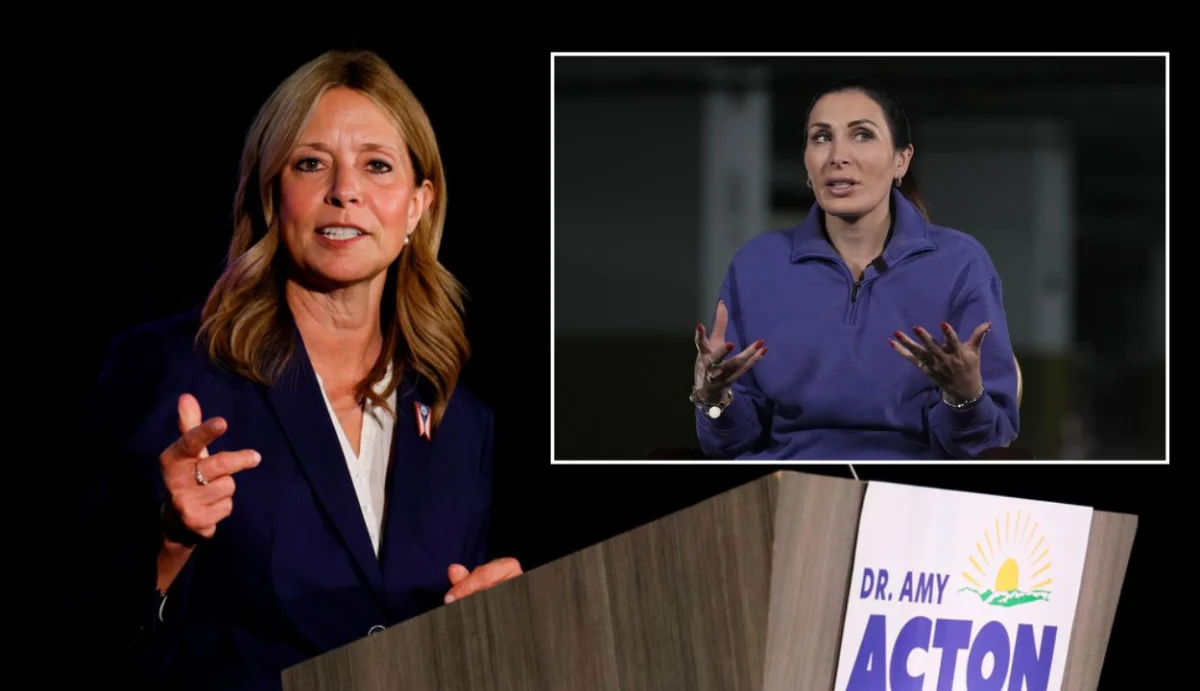
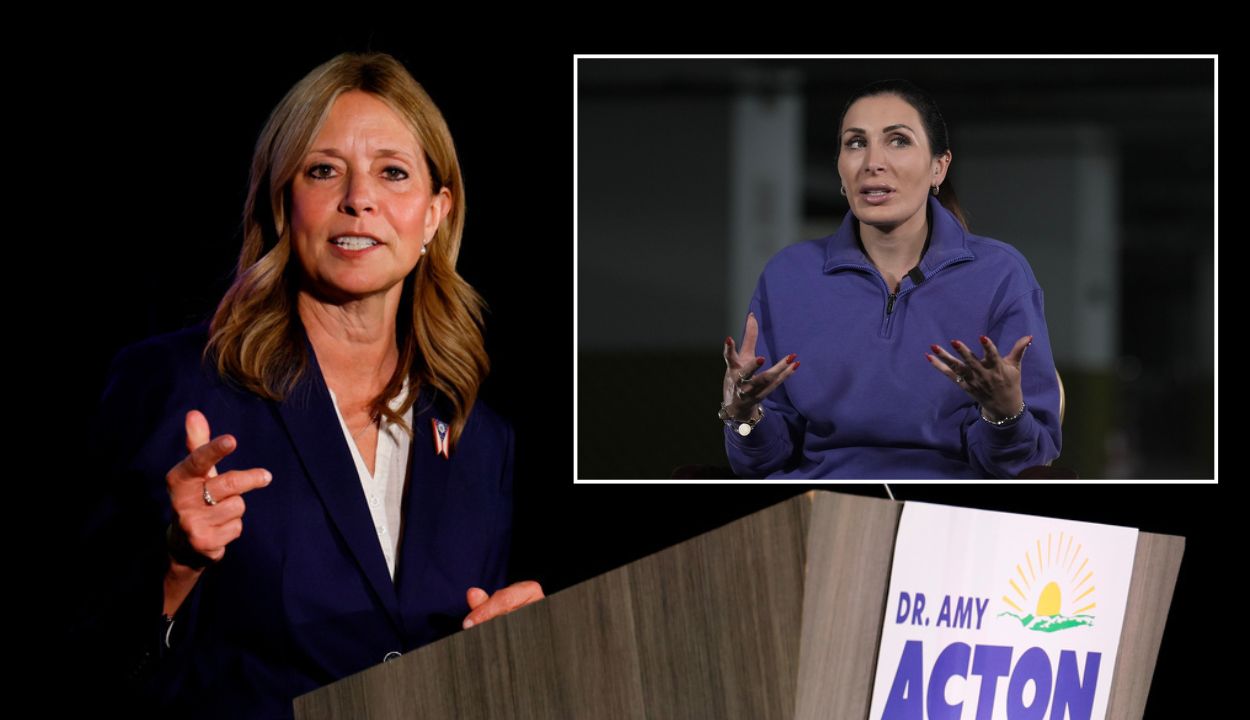
The 2026 Ohio gubernatorial race, already marked by intense ideological divides, faced a security crisis on Sunday afternoon when an armed individual allegedly lunged at Democratic candidate Dr. Amy Acton during a campaign appearance at the Canfield Fair. The incident, which resulted in the arrest of a 38-year-old man, has quickly become a flashpoint for political debate, with right-wing provocateur Laura Loomer claiming the event was exaggerated or falsified to mask allegations regarding the candidate’s personal conduct. While law enforcement officials confirmed the presence of weapons and physical altercations at the scene, the narrative surrounding the event has split along partisan lines, reflecting the volatile nature of modern political campaigning.
Details of the Confrontation at the Canfield Fair
The incident occurred during a peak period of activity at the Canfield Fair, located approximately 60 miles east of Akron in Mahoning County. Dr. Amy Acton, the former Director of the Ohio Department of Health and current Democratic gubernatorial hopeful, was engaging with constituents when the atmosphere turned chaotic. According to eyewitness accounts and subsequent police reports, a man identified as Patrick Havas, 38, began aggressively pushing through the crowd gathered to hear Acton speak.
Witnesses reported that Havas appeared intent on reaching the candidate, allegedly shoving two bystanders to the ground in his efforts to penetrate the security perimeter. As he moved toward Acton, Havas was observed holding a cellphone, appearing to record the encounter. Security personnel and local law enforcement intervened before the suspect could make direct physical contact with the candidate. Acton was quickly escorted to a secure location and remained uninjured, though the physical struggle in the crowd resulted in minor injuries to several attendees who were knocked down during the scuffle.
Upon detaining Havas, officers with the Canfield Police Department discovered that he was heavily armed. Authorities confirmed that Havas was in possession of two loaded handguns and a pair of brass knuckles at the time of the incident. He was taken into custody and transported to the Mahoning County Jail, where he faces charges of assault and disorderly conduct.
Legal Proceedings and Suspect Identification
Patrick Havas has been identified as the primary suspect in the disruption. Following his arrest, local news outlets, including WLWT5, confirmed the specifics of the weaponry found on his person. Despite the gravity of the situation—involving a candidate for the state’s highest office and a suspect carrying multiple lethal weapons—reports indicated that Havas was initially released shortly after processing.
The decision to release the suspect has drawn scrutiny from both sides of the political aisle, though for different reasons. Supporters of Dr. Acton expressed concern over the potential for further violence, while critics, led by figures like Laura Loomer, pointed to the release as evidence that the threat was not as severe as Democrats have portrayed. Law enforcement officials have not yet released a formal motive for Havas’s actions, though they noted his behavior was consistent with a "disturbing and aggressive" intent to disrupt the political event.
Laura Loomer’s Counter-Narrative and Allegations
Shortly after news of the incident broke, Laura Loomer took to the social media platform X (formerly Twitter) to challenge the mainstream reporting of the event. Loomer, known for her aggressive and often controversial political commentary, accused the Democratic Party of "lying" about the nature of the assault. She suggested that the focus on the suspect’s weapons was a tactical maneuver designed to garner sympathy and distract from rumors regarding Acton’s behavior during the fair.
Loomer’s posts characterized the event as a "blatant lie," arguing that because Ohio is a state with permissive firearm laws, the mere presence of guns should not be equated with an attempted assassination or mass shooting. She further invoked the name of Jussie Smollett—the actor convicted of staging a hate crime in 2019—labeling the candidate "Amy Smollett" and implying that the incident was a staged "false flag" operation.
Central to Loomer’s argument was the allegation that Acton appeared intoxicated during her campaign stops. Loomer shared video footage from the event, questioning Acton’s sobriety and referencing a past police report involving a domestic issue where Acton’s daughter allegedly mentioned her mother’s drinking. Loomer argued that the Democratic strategy was to "pretend like someone planned a mass shooting at her event to get people to stop talking about her drinking." These claims have not been substantiated by independent medical or legal reports from the day of the fair, yet they have gained significant traction within Loomer’s digital following.
The 2026 Ohio Gubernatorial Context
The security breach comes at a critical juncture in the 2026 election cycle. With incumbent Governor Mike DeWine (R) reaching his term limit, the race for the governor’s mansion is expected to be one of the most competitive and expensive in the state’s history. Dr. Amy Acton, a pediatrician who gained national prominence for her leadership during the early stages of the COVID-19 pandemic, is seen as the Democratic frontrunner. Her opponent, Republican Vivek Ramaswamy, is a high-profile entrepreneur and former presidential candidate who has maintained a strong lead in conservative polling.
Recent polling data suggests that Acton and Ramaswamy are locked in a statistical dead heat, with voters sharply divided over issues such as healthcare, economic policy, and the legacy of pandemic-era restrictions. Acton’s candidacy is built on her reputation as a public health expert, while Ramaswamy has campaigned on a platform of dismantling administrative bureaucracy and reversing many of the policies Acton championed as Health Director.
The incident at the Canfield Fair highlights the physical risks faced by candidates in a deeply polarized state. Ohio, which has shifted significantly toward the Republican Party over the last decade, remains a battleground for cultural and political identity. The fair itself, a venerable institution in Northeast Ohio, typically serves as a neutral ground for political outreach, making the violence and subsequent rhetorical fallout particularly jarring for local residents.
Amy Acton’s Public Health Legacy and Controversies
To understand the intensity of the reaction to the Canfield incident, one must look at Dr. Acton’s history in Ohio politics. Appointed by Governor DeWine in 2019, Acton became the face of the state’s COVID-19 response. While she was initially praised for her calm demeanor and data-driven approach, she eventually became a lightning rod for criticism from those opposed to lockdowns and mask mandates.
During her tenure, Acton faced significant harassment, including protesters gathering outside her private residence, some of whom were armed. This history of threats led to her eventual resignation from the health department in June 2020, though she remained an advisor to the governor for a short period afterward. Her transition into elective politics has revived these old grievances.
In her social media critique, Loomer touched upon this legacy, stating, "Let’s talk about all of the people Amy Acton injured in Ohio during her COVID lockdowns." This sentiment echoes a broader narrative within the Republican base that views Acton’s past public health orders as an overreach of government power. By linking the recent security incident to Acton’s pandemic-era decisions, critics are attempting to pivot the conversation from candidate safety to government accountability.
Security Trends and Political Violence in Modern Campaigning
The confrontation in Canfield is part of a documented increase in threats against public officials in the United States. Data from the Department of Homeland Security and the FBI suggest that politically motivated violence and harassment have surged over the last five years. Candidates for office, particularly those with high public profiles like Acton and Ramaswamy, are increasingly requiring professional security details even at local community events.
The presence of multiple firearms and brass knuckles at a county fair underscores the challenges of securing open-air events in states with "constitutional carry" laws. In Ohio, legal firearm owners are permitted to carry concealed weapons without a permit, though private property owners and certain public event organizers can still prohibit weapons on their premises. The Canfield Fair’s specific security protocols regarding firearms have come under scrutiny following the Havas arrest, as the ease with which an armed individual approached a candidate raises questions about the efficacy of current protection measures.
Broader Impact and Implications for the Campaign
As the investigation into Patrick Havas continues, the political fallout is likely to intensify. For the Acton campaign, the incident serves as a grim reminder of the personal risks involved in her bid for office. Her campaign has yet to release a detailed statement regarding Loomer’s specific allegations of intoxication, choosing instead to focus on the bravery of the bystanders and the professionalism of the local police.
Conversely, the narrative pushed by Loomer and her associates suggests a new phase of the campaign where the personal character and past "baggage" of the candidates will be scrutinized through a lens of extreme skepticism. The "Smollett" comparison is a potent rhetorical tool in conservative media, designed to sow doubt about the authenticity of any event that might generate sympathetic coverage for a Democratic candidate.
The 2026 Ohio gubernatorial race is now moving forward under a cloud of heightened security and deepening distrust. With Acton and Ramaswamy neck-and-neck in the polls, every incident—whether it be a physical confrontation at a fair or a viral social media post—has the potential to sway undecided voters or further entrench the existing partisan divide. As the state prepares for the official start of the primary season, the events in Canfield serve as a harbinger of a primary and general election season that will likely be defined as much by security concerns and character attacks as by policy debates.


 Pevita Pearce
 Joko Widodo
 admin
admin
 Lina Irawan