admin
admin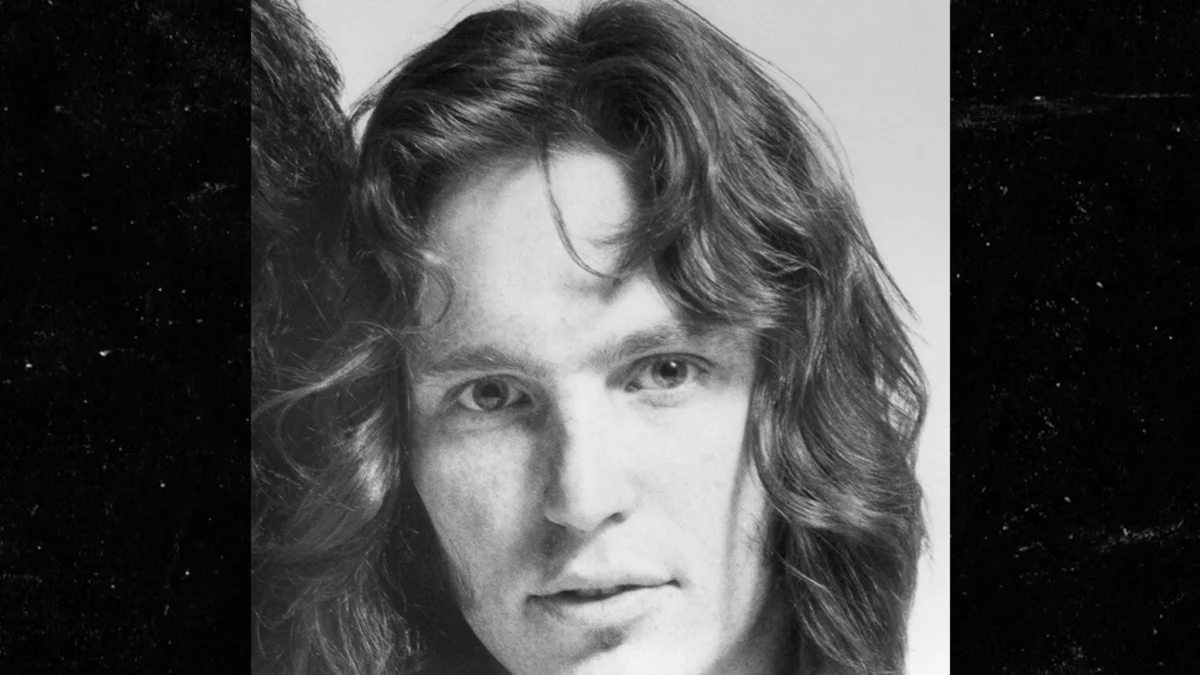
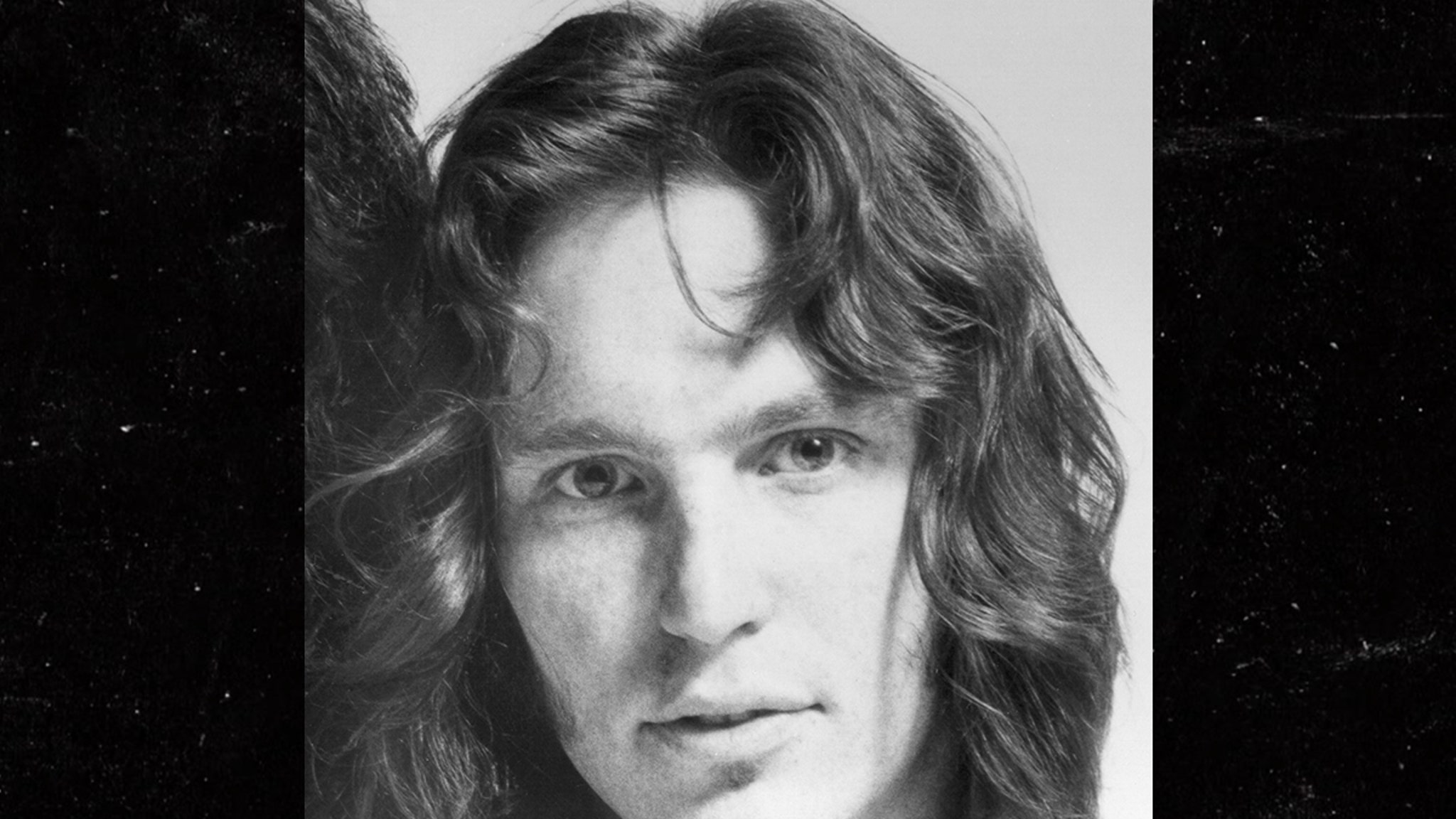
Jon Small, a pivotal figure in Billy Joel’s formative musical years, a drummer, and later a highly respected music video and concert director, passed away on Friday, September 5, 2026, at the age of late 70s. The news of his death was initially shared through a Facebook announcement by a longtime friend, prompting a concise but heartfelt tribute from Billy Joel himself, who posted "RIP Jon Small" on his Instagram account on Monday, September 8, 2026. While the cause of death has not been publicly disclosed, Small’s passing marks the end of a remarkable career and a profoundly complex personal and professional relationship that spanned over six decades, leaving an indelible mark on the music industry.
The Genesis of a Musical Partnership: The Hassles and Attila
Small’s musical journey began in the vibrant, experimental landscape of the 1960s. His initial significant collaboration with Billy Joel blossomed within The Hassles, a rhythm and blues-rock band formed in Long Island, New York. Joel, a burgeoning keyboardist and vocalist, and Small, a dynamic drummer, joined forces in 1967. The band, signed to United Artists Records, released two albums, The Hassles (1967) and Hour of the Wolf (1969). Despite their energetic performances and a sound that blended soulful vocals with psychedelic rock influences, commercial success largely eluded them. The band toured extensively, primarily along the East Coast, cultivating a dedicated local following but struggling to break into the national mainstream dominated by the British Invasion and the burgeoning counterculture scene. Their work laid crucial groundwork for both Joel and Small, refining their musicianship and exposing them to the rigors of the music industry.
Following the dissolution of The Hassles, Joel and Small embarked on a more unconventional musical venture in 1970, forming the hard-rock duo Attila. This project saw Joel on Hammond organ and vocals, with Small providing the thunderous drumbeats. The duo’s self-titled album, Attila, released in 1970, was a departure from The Hassles’ sound, leaning heavily into a raw, aggressive, and often experimental rock style. Joel’s organ work was distorted and powerful, complemented by Small’s percussive prowess, creating a sound that was ahead of its time for a duo. Though critically panned upon its release and a commercial failure, Attila remains a cult curiosity in Joel’s discography, showcasing his early explorations into heavier music and the deep musical bond he shared with Small. This period, while not yielding mainstream success, cemented their artistic connection and mutual respect for each other’s talents, forming the bedrock of a relationship that would endure unexpected trials.
A Profound Personal Rift and Unexpected Reconciliation
The intense professional collaboration between Jon Small and Billy Joel took a dramatic and deeply personal turn when Joel fell in love with Small’s wife, Elizabeth Weber. Weber, a crucial figure in Joel’s early career, served as his manager during the nascent stages of his solo career, notably helping to negotiate his initial recording contracts and providing significant emotional and professional support. Her relationship with Joel, while professional, eventually evolved into a romantic one, leading to her divorce from Small and subsequent marriage to Joel in 1973. This event, understandably, caused a profound rupture in the friendship between Small and Joel. The betrayal was significant enough to potentially end any possibility of future collaboration, let alone friendship. The emotional toll on all parties involved was immense, a testament to the complex human dynamics often intertwined with the high-stakes world of music and celebrity.
Remarkably, despite this deeply personal and painful history, Jon Small and Billy Joel eventually reconciled. The timeline and specifics of their reconciliation are not fully public, but the fact that they managed to bridge such a chasm speaks volumes about the enduring respect and perhaps even affection they harbored for one another. Their complicated past was revisited with candor in the 2025 HBO documentary, "Billy Joel: And So It Goes." In the documentary, Joel openly acknowledged the profound wrong he committed, famously stating that he deserved the punch in the nose that Small delivered upon discovering the affair. This candid admission in the documentary highlighted the raw emotion and the difficult path to forgiveness and understanding that characterized their relationship. The documentary provided a rare glimpse into the human side of their story, moving beyond the public perception of rock star antics to reveal a narrative of friendship, betrayal, and eventual, albeit hard-won, reconciliation.
A New Chapter: Small’s Directorial Vision and Joel’s Live Legacy
Following the personal upheaval, Jon Small pivoted his career, transitioning from musician to a highly successful and sought-after music video and concert director. This career shift not only provided him with a new avenue for creative expression but also, perhaps unexpectedly, paved the way for a renewed professional partnership with Billy Joel. Small’s keen eye for visual storytelling and his deep understanding of live performance dynamics made him an ideal choice for documenting Joel’s electrifying stage presence.
His directorial prowess was instrumental in shaping the visual legacy of Billy Joel’s most iconic live performances. Small directed several key projects for Joel, capturing the essence of the Piano Man’s live shows. These included "Live From Long Island" (1983), a seminal concert film that showcased Joel at the height of his early 80s popularity, delivering hits to a rapturous home crowd. He also helmed "Live at Yankee Stadium" (1990), a monumental concert event that captured Joel performing to a sold-out legendary venue, an achievement for any artist. Small’s direction for this film skillfully conveyed the grandeur of the setting and the intimacy of Joel’s connection with his audience. Later, he directed "Live at Shea Stadium" (2011), documenting Joel’s historic farewell concerts at the iconic stadium before its demolition. These projects were not merely recordings; they were meticulously crafted cinematic experiences that immortalized Joel’s performances, allowing millions to witness the magic of his concerts for years to come. Small’s ability to translate the energy of a live show onto screen, his understanding of pacing, lighting, and camera angles, made these films essential components of Billy Joel’s enduring appeal and his reputation as a formidable live performer. His work helped define the visual standard for concert films of the era, making them more immersive and engaging for viewers.
Beyond Joel: A Director’s Diverse Portfolio
Jon Small’s talent as a director was not confined to his work with Billy Joel. He forged an impressive and diverse career, collaborating with a wide array of musical superstars across various genres, solidifying his reputation as a versatile and innovative filmmaker in the music industry. His portfolio showcased a remarkable adaptability, moving effortlessly from rock anthems to hip-hop beats and country ballads.
In the realm of hip-hop, Small worked with groundbreaking artists like Run-DMC, contributing to the visual narrative of their revolutionary sound. His ability to capture the raw energy and cultural significance of their music in video form helped to define the aesthetic of early hip-hop music videos. For rock giants Aerosmith, Small brought his expertise to their powerful stage presence, translating their explosive performances into dynamic visual content that resonated with their massive fanbase. His work with Aerosmith underscored his capacity to handle the theatricality and sheer force of stadium rock.
Small also made significant inroads into the country music scene, collaborating with legends such as Garth Brooks and Reba McEntire. For Garth Brooks, an artist known for his spectacular and elaborate live shows, Small’s directorial skills were perfectly suited to capturing the scale and emotional depth of his concerts. His understanding of how to convey the intimate storytelling inherent in country music, even within a massive arena setting, was invaluable. Similarly, his work with Reba McEntire, a queen of country music known for her powerful vocals and engaging stage persona, further demonstrated his versatility. Small’s videos and concert films for these artists were often praised for their crisp visuals, emotional resonance, and ability to highlight the unique strengths of each performer. Through these diverse collaborations, Jon Small established himself as a highly respected and sought-after director, contributing significantly to the visual landscape of popular music for several decades. His unique background as a musician likely gave him an intrinsic understanding of performance that many directors without that experience might lack, allowing him to connect more deeply with the artists he filmed.
"Billy Joel: And So It Goes" – A Legacy Reexamined
The 2025 HBO documentary, "Billy Joel: And So It Goes," provided a comprehensive look at the life and career of Billy Joel, delving into the intricate layers of his personal and professional relationships, with a particular focus on his enduring, albeit complicated, bond with Jon Small. The documentary, released just a year prior to Small’s passing, served as a poignant pre-eulogy, allowing for a public reflection on their shared history. It brought into sharp relief the extraordinary trajectory of their relationship: from teenage bandmates dreaming of stardom, to a bitter personal fallout over an affair, and ultimately, to a decades-long professional collaboration built on mutual respect and an unspoken understanding.
The film’s candid exploration of the Elizabeth Weber affair, and Joel’s aforementioned acknowledgment of deserving a physical reprisal for his actions, offered viewers a rare glimpse into the human complexities behind the music. It humanized both figures, showing the raw emotions and the difficult journey of reconciliation. The documentary highlighted that despite the profound personal betrayal, their professional partnership was not only rekindled but thrived, producing some of the most memorable visual records of Joel’s career. This narrative arc resonated deeply with audiences, illustrating the power of forgiveness, the complexities of human relationships, and the ability of art to transcend personal grievances. "Billy Joel: And So It Goes" didn’t just tell the story of a musician; it told the story of two men whose lives were inextricably linked by music, love, betrayal, and ultimately, a unique form of enduring camaraderie. The documentary’s timing, just before Small’s death, makes it an even more vital historical document, preserving their story for future generations.
The Enduring Impact of a Complex Legacy
Jon Small’s passing marks the end of an era for those who knew him personally and for the countless fans whose musical experiences were enriched by his contributions. His life story is a compelling narrative of resilience, adaptability, and the enduring power of human connection, even in the face of profound adversity. From his foundational role as a drummer in Billy Joel’s early bands, helping to shape the nascent sound of a future superstar, to his later transformation into a visionary director, Small’s career was characterized by an unwavering dedication to music and its visual presentation.
His legacy extends beyond individual projects. Small’s work as a director set a high bar for music video and concert film production, influencing how live music is captured and consumed. He understood that a concert film should not merely document a performance but elevate it, creating an immersive experience for the viewer. His collaborations with a diverse roster of artists, from Run-DMC to Garth Brooks, underscore his versatility and his profound impact across multiple genres, earning him widespread respect within the industry.
The unique trajectory of his relationship with Billy Joel, from bandmates to bitter rivals and ultimately to trusted professional partners, stands as a testament to the complexities of life in the public eye and the possibility of reconciliation. It illustrates that even the deepest personal wounds can, with time and effort, give way to professional respect and a renewed, albeit altered, form of friendship. This narrative arc, so openly discussed in "Billy Joel: And So It Goes," offers a powerful lesson in human forgiveness and the ability of individuals to move past profound personal grievances for the sake of shared passions and professional excellence.
Jon Small’s contributions to music, both as a performer and as a director, are undeniable. He leaves behind a rich catalogue of work that not only captured the essence of some of music’s biggest stars but also helped define the visual language of the industry for decades. As the music world mourns his passing, his innovative spirit, his profound talent, and his uniquely interwoven history with Billy Joel will undoubtedly be remembered and celebrated. He truly had one hell of a road, and his legacy will resonate for years to come.




 Joko Widodo
 Lina Irawan
 Yuyun Lusiyani
 Eva Lovia