
 Lina Irawan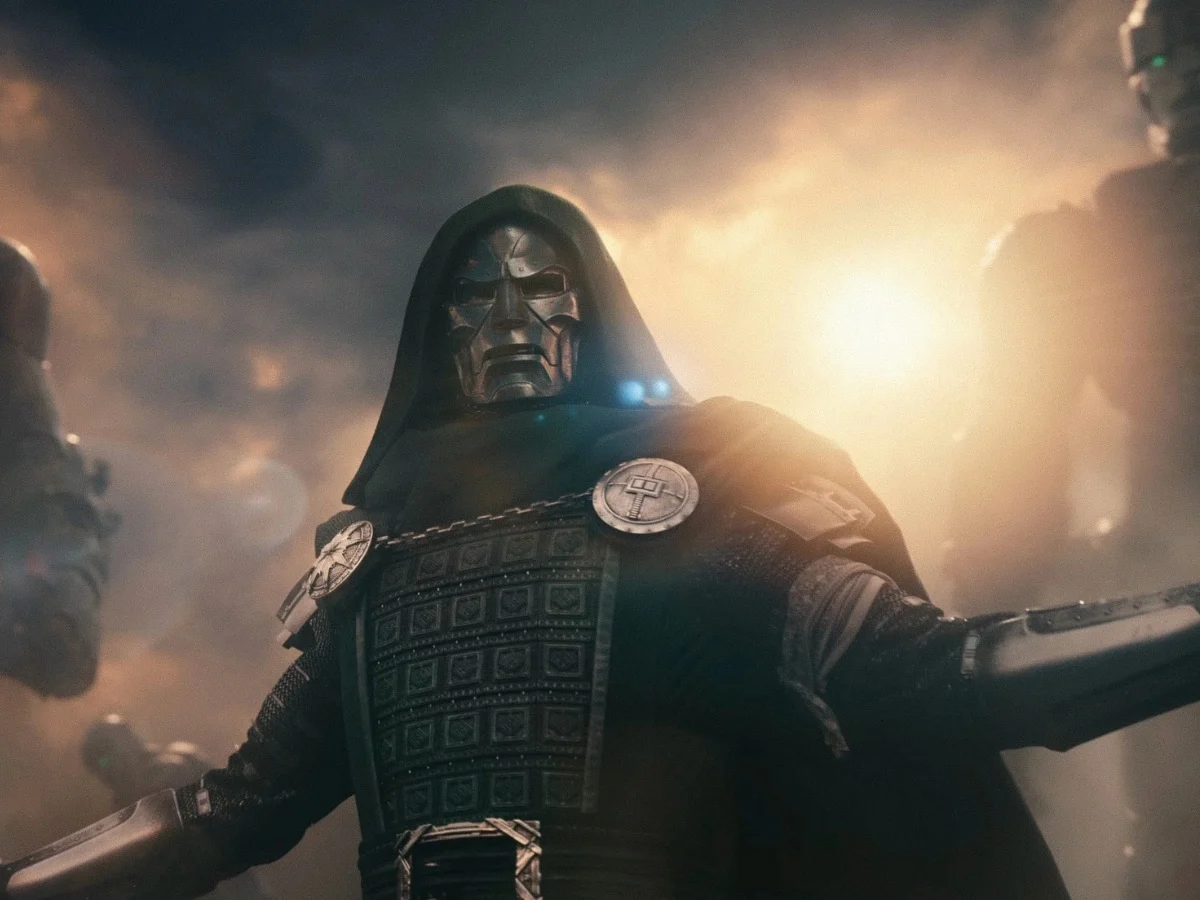
Marvel Studios president Kevin Feige has officially confirmed that the Marvel Cinematic Universe (MCU) will undergo a strategic "soft reboot" following the conclusion of Phase Six, a move designed to streamline nearly two decades of complex continuity and lower the barrier to entry for new viewers. This transition will culminate with the release of Avengers: Secret Wars in late 2027, marking the end of the Multiverse Saga and the beginning of a restructured narrative landscape. The studio’s roadmap for the next three years highlights a pivot toward a more focused release schedule, balancing high-stakes cinematic events with character-driven streaming series. As Disney CEO Bob Iger continues to emphasize "quality over quantity" in the company’s content output, the upcoming slate represents a critical juncture for the world’s most successful film franchise.
The Bridge to the Reboot: 2026 and Early 2027 Releases
The path toward the soft reboot begins with a series of projects that bridge the gap between the existing multiverse narrative and the street-level grit that has seen a resurgence in fan interest. These releases are designed to resolve long-standing character arcs while setting the stage for the dimensional shifts expected in the upcoming Avengers titles.
VisionQuest: A Psychological Exploration of Identity
Scheduled for release on October 14, 2026, VisionQuest serves as a direct spiritual successor to the critically acclaimed WandaVision. The series will see Paul Bettany return as the titular android, exploring the existential fallout of his restoration by S.W.O.R.D. and his subsequent merger with the "Hex" version of himself. The production features a notable cast, including James Spader reprising his role as the voice of Ultron, Diane Morgan, Emily Hampshire, and Ruaridh Mollica.
The series is expected to delve into the philosophical roots of the character, tracing his lineage from Tony Stark’s J.A.R.V.I.S. AI to the Mind Stone-powered Avenger. Industry analysts suggest that VisionQuest will be pivotal in establishing the status of the Maximoff lineage within the MCU, particularly regarding the potential reality of Billy and Tommy Maximoff, who have been teased as future members of the Young Avengers.
Avengers: Doomsday and the Return of Robert Downey Jr.
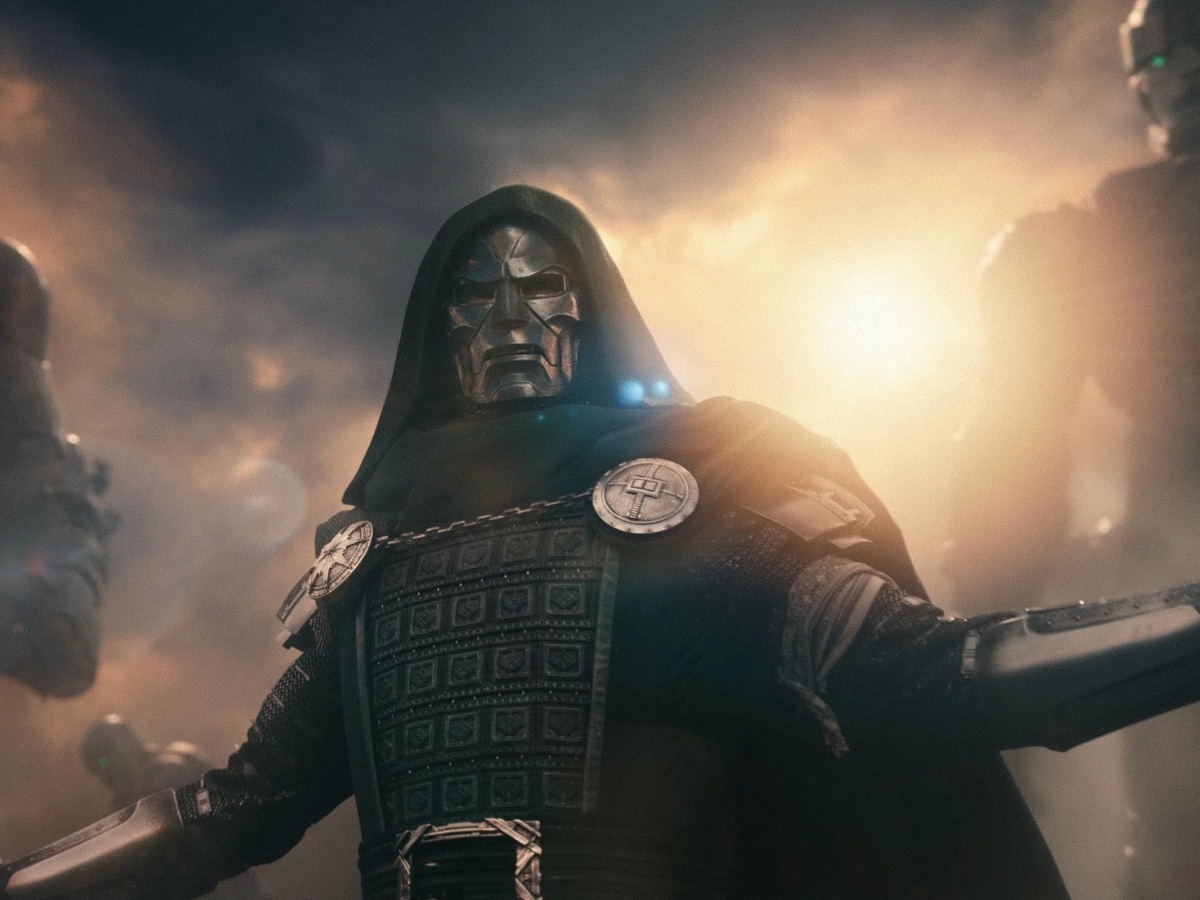
Perhaps the most significant shift in the MCU’s current trajectory is the pivot from Kang the Conqueror to Victor von Doom as the primary antagonist of the Multiverse Saga. Avengers: Doomsday, set for a December 18, 2026, release, will feature Robert Downey Jr. in a radical departure from his role as Tony Stark. Under the direction of the Russo Brothers, the film aims to unite the disparate threads of Phases Four and Five.
The narrative will reportedly focus on a looming dimensional incursion, a concept introduced in Doctor Strange in the Multiverse of Madness. Doom’s plan is said to involve Franklin Richards, the son of Reed Richards and Sue Storm, following the character’s introduction in Fantastic Four: First Steps. This crossover event is projected to include a massive ensemble cast, including Pedro Pascal, Chris Hemsworth, Vanessa Kirby, and legacy actors such as Patrick Stewart and Ian McKellen, signaling a final celebration of the Fox-era Marvel characters before the reboot.
Daredevil: Born Again Season 3: The Street-Level Epic
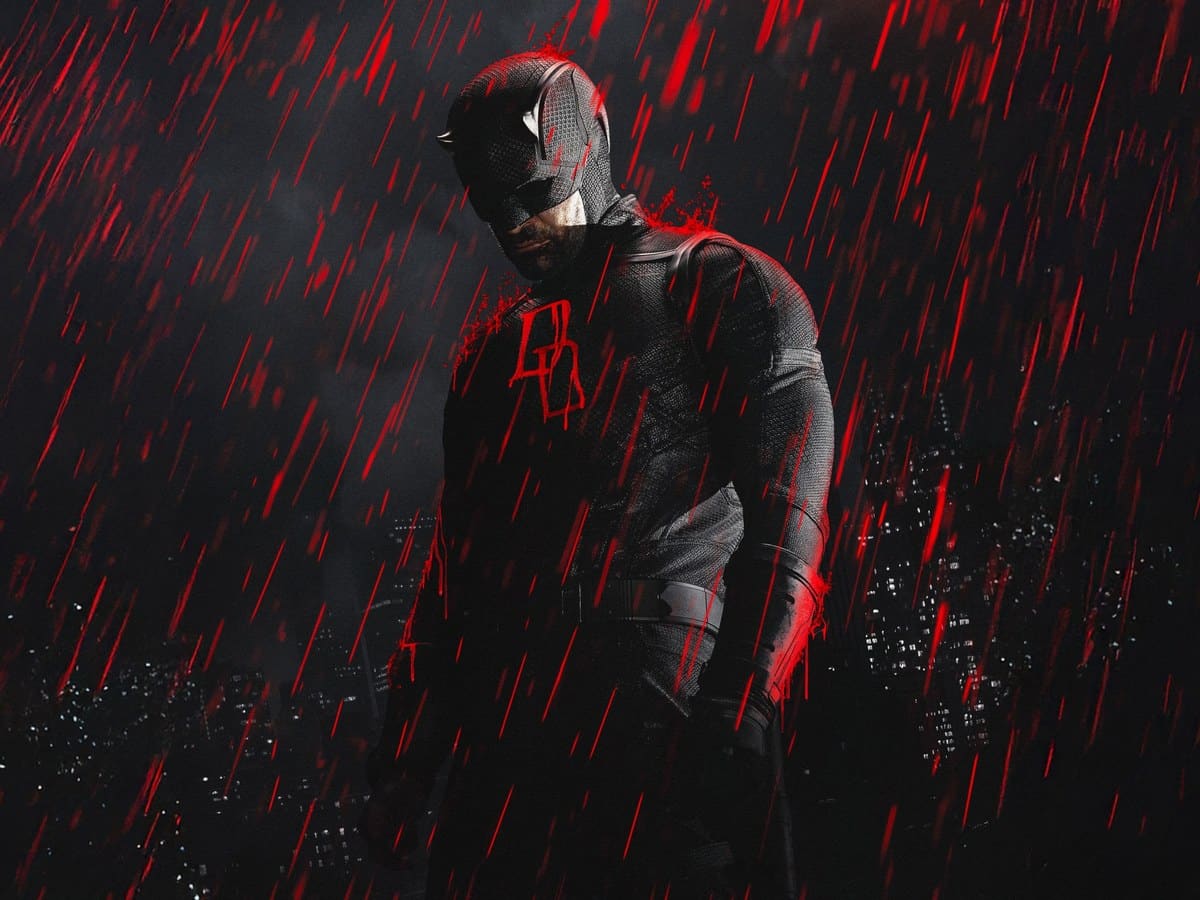
Arriving in March 2027, the third season of Daredevil: Born Again represents the culmination of Marvel’s "street-level" crossover initiative. Showrunner Dario Scardapane has indicated that this season will move beyond the traditional rivalry between Matt Murdock (Charlie Cox) and Wilson Fisk (Vincent D’Onofrio). Instead, it will explore the broader implications of Fisk’s mayoral term and Murdock’s full-time commitment to his vigilante persona.

This series is unique in its role as a connective tissue for the former Netflix-era characters, officially integrating Jessica Jones, Luke Cage, and Iron Fist into the mainline MCU continuity. By establishing a grounded, high-stakes environment in New York City, Marvel is diversifying its tonal offerings ahead of the cosmic-scale events of Secret Wars.
The Convergence Point: Avengers: Secret Wars
The December 2027 release of Avengers: Secret Wars is positioned as the most ambitious project in the studio’s history. Drawing inspiration from the 1984 and 2015 comic book events of the same name, the film will depict the collapse of the multiverse into a single "Battleworld." This narrative device allows Marvel Studios to selectively retain popular characters while retiring others whose stories have reached a natural conclusion.
The "soft reboot" mechanism provided by Secret Wars is a strategic response to "superhero fatigue" and the increasingly high "homework" requirement for new fans. By merging alternate timelines into a single, cohesive reality, Marvel can reintroduce core concepts—such as the X-Men and the Fantastic Four—into a world where they have always existed, without the need for convoluted multiverse explanations. This film is widely expected to be the final appearance for several original Avengers, including Chris Evans’ Captain America and Chris Hemsworth’s Thor, paving the way for a new generation of leads.
Phase Seven: The Post-Reboot Era (2028)
Following the seismic shifts of Secret Wars, the MCU will enter Phase Seven with a revitalized focus. The 2028 slate introduces a new hierarchy of power, led by the long-awaited arrival of the X-Men and the expansion of established franchises.
X-Men: A New Foundation
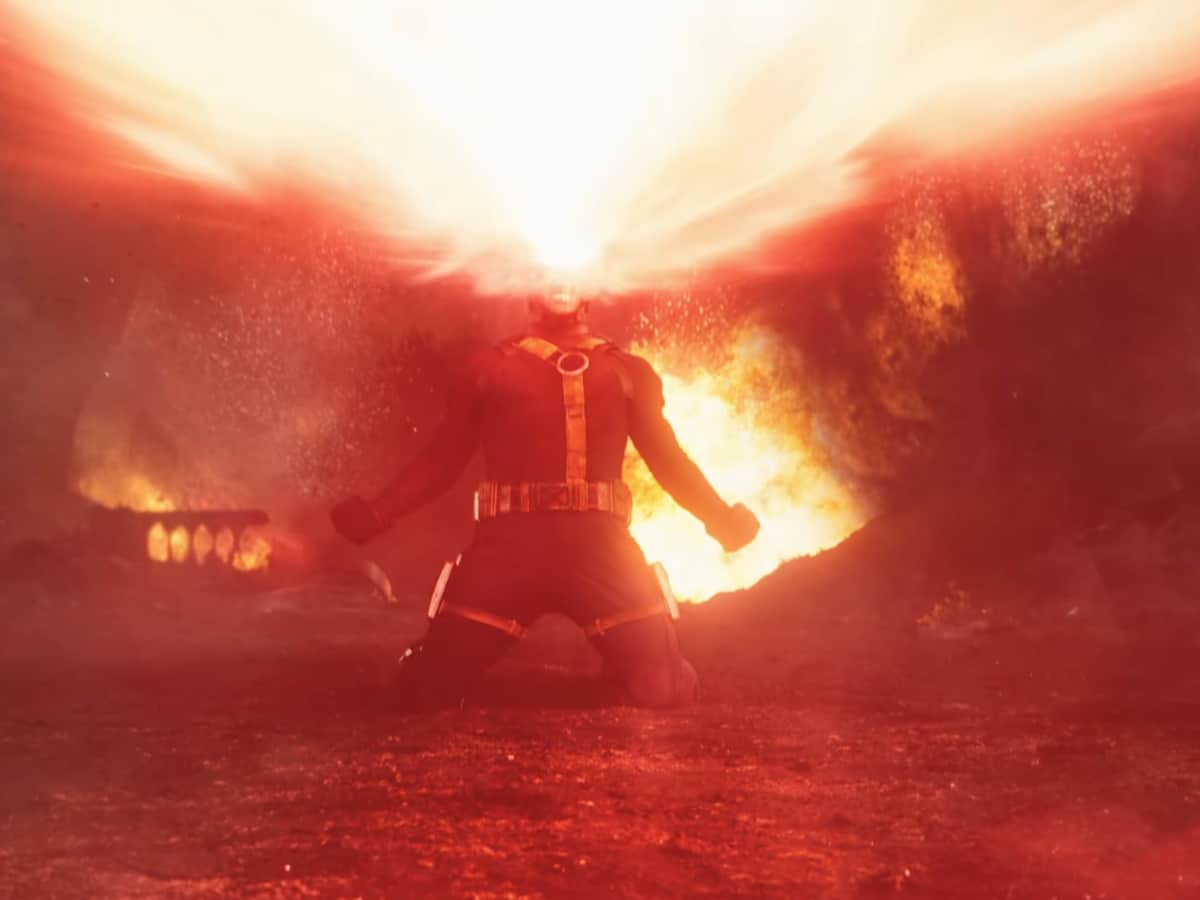
On May 5, 2028, the MCU will officially launch its X-Men reboot. Moving away from the Fox-era continuity, this film features a younger cast led by Sadie Sink as Jean Grey. The roster includes Kit Connor as Cyclops, Samara Weaving as Emma Frost, Inde Navarrette as Rogue, and Christopher Abbott as Professor X. In a departure from the traditional Magneto-centric conflict, the team will face Mr. Sinister, portrayed by Adam Driver.
Kevin Feige has noted that the mutants will be a "long-term pillar" of the post-reboot MCU. This suggests that the X-Men will take the central role previously held by the Avengers, focusing on themes of social integration and evolutionary conflict that defined the original comics.
Black Panther III: The Legacy of T’Challa II
The Black Panther franchise returns on December 15, 2028, with a story focused on the next generation of Wakandan leadership. David Jonsson, known for his breakout role in Alien: Romulus, has been cast as T’Challa II (Toussaint), the son of the late King T’Challa. Ryan Coogler returns to the director’s chair, with the legendary Denzel Washington joining the cast in a high-profile, undisclosed role.
The film is expected to explore the burden of legacy in a world that has been fundamentally altered by the events of Secret Wars. As Wakanda continues to navigate its role as a global superpower, the introduction of a new T’Challa provides a focal point for the franchise’s emotional core.
Ghost Rider: The Supernatural Turn
Rounding out the 2028 calendar is Ghost Rider, a collaboration between director Shawn Levy and star Ryan Gosling. Gosling will portray Johnny Blaze, a stunt rider who becomes the Spirit of Vengeance. This project marks a significant shift into the supernatural and horror-adjacent genres for Marvel, following the groundwork laid by projects like Blade and Werewolf by Night. Levy has described the project as a high-octane, character-driven antihero story, utilizing Gosling’s experience in stylized action films like Drive.
Strategic Analysis and Industry Implications
The decision to pursue a soft reboot reflects a broader industry trend toward franchise consolidation. Since the release of Avengers: Endgame in 2019, Marvel Studios has faced fluctuating box office results and critical reception. While films like Spider-Man: No Way Home and Deadpool & Wolverine achieved massive success, other entries struggled to capture the same cultural zeitgeist.
| Box Office and Critical Context: | Project | Global Box Office | Critical Reception (Rotten Tomatoes) |
|---|---|---|---|
| Avengers: Endgame | $2.79 Billion | 94% | |
| Ant-Man: Quantumania | $476 Million | 46% | |
| The Marvels | $206 Million | 62% | |
| Deadpool & Wolverine | $1.3 Billion+ | 78% |
Data suggests that audiences respond most strongly to projects with clear stakes and legacy character involvement. By utilizing Robert Downey Jr. as Doctor Doom and integrating the X-Men, Marvel is leveraging nostalgia while simultaneously clearing the board for future innovation.
Official Responses and Production Status
Marvel Studios has remained characteristically tight-lipped regarding specific plot details for the 2028 slate, but executive statements provide a glimpse into the studio’s mindset. At the recent D23 Expo, Kevin Feige emphasized that the goal of the reboot is to make the MCU "accessible again." He stated, "We want a kid to be able to walk into a theater for the X-Men and not feel like they had to watch 30 movies to understand who the characters are."
Production for VisionQuest and Avengers: Doomsday is reportedly scheduled to begin in early 2025, utilizing advanced StageCraft (Volume) technology alongside traditional location filming to manage the massive scale of the projects. The return of the Russo Brothers to direct the next two Avengers films has been viewed by investors as a "return to form" for the studio, stabilizing Disney’s theatrical outlook through the end of the decade.
Conclusion: A New Chapter for Global Cinema
The upcoming three-year roadmap for the Marvel Cinematic Universe represents more than just a list of sequels; it is a fundamental restructuring of a multi-billion-dollar cultural asset. By navigating the complexities of a "soft reboot," Marvel Studios aims to rectify the narrative bloat of the Multiverse Saga while retaining the emotional equity built over twenty years.
From the psychological depths of VisionQuest to the high-octane introduction of Ryan Gosling’s Ghost Rider, the slate suggests a future for the MCU that is more tonally diverse and narratively streamlined. As the industry watches the transition from Phase Six to Phase Seven, the success of these seven major releases will determine if the Marvel Cinematic Universe can maintain its dominance in an increasingly competitive entertainment landscape.




 Yuyun Lusiyani
 Joko Widodo
 Jia Lissa
 Pevita Pearce
 admin
admin