
 Lina Irawan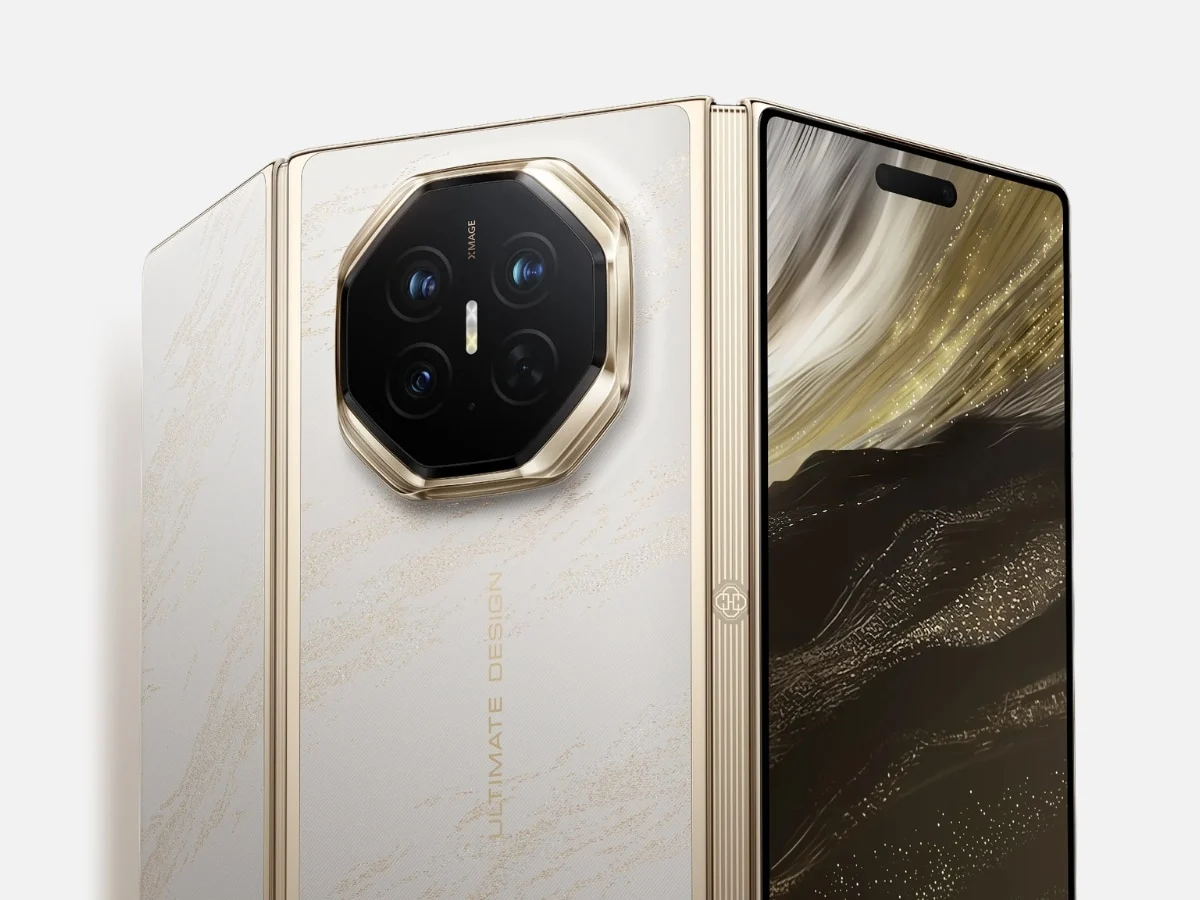
Huawei has officially unveiled the Mate XT2, a second-generation tri-fold smartphone that represents a significant leap in mobile engineering and semiconductor design. Launched during a high-profile event in China, the device arrives at a pivotal moment for the telecommunications industry, as manufacturers race to define the next era of mobile form factors. By integrating a refined inward-folding mechanism, a massive tablet-sized primary display, and the proprietary Kirin 9050 Pro processor, Huawei is positioning itself at the vanguard of the premium foldable market. The announcement comes as competitors like Samsung, Google, and Motorola continue to iterate on dual-panel designs, and as the industry anticipates Apple’s long-rumored entry into the foldable space under the leadership of hardware executives like John Ternus.
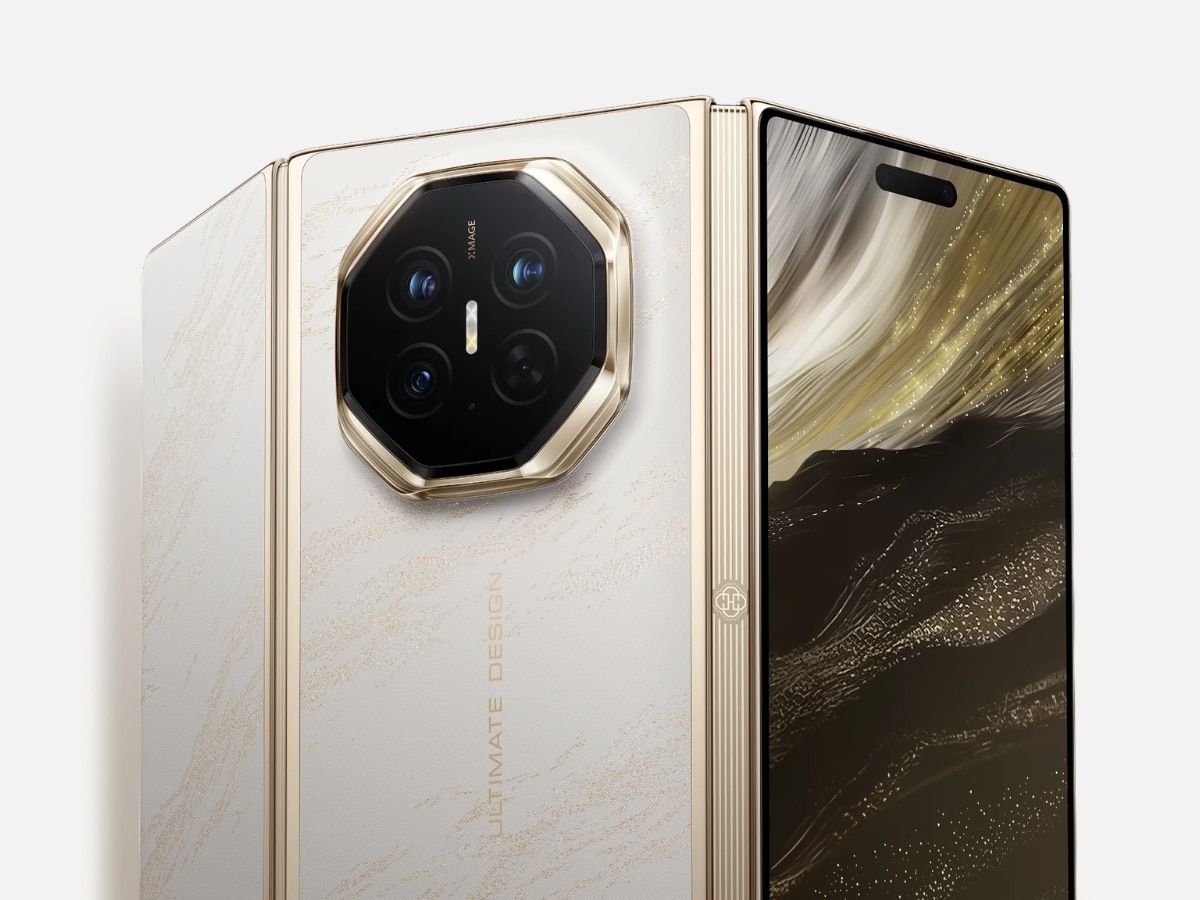
The Mate XT2 is more than a conceptual showcase; it is a commercially available device that addresses several of the durability and performance concerns that plagued earlier multi-fold prototypes. With a starting price point that rivals high-end luxury goods, the Mate XT2 serves as a flagship for Huawei’s "Ultimate Design" philosophy, signaling the company’s resilience and technological autonomy in the face of ongoing global supply chain challenges.
Architectural Evolution: From Accordion to Dual-Inward Fold
The most striking physical change in the Mate XT2 is its redesigned folding geometry. While the original Mate XT utilized an accordion-style "Z-fold" configuration, the XT2 adopts a dual-inward folding mechanism. When fully deployed, the device reveals a 10.2-inch OLED display, effectively transitioning from a standard smartphone into a full-sized productivity tablet.
This design shift serves a dual purpose. First, it ensures that the flexible internal display is completely protected by the device’s outer chassis when closed, mitigating the risk of scratches or impact damage to the sensitive panel. Second, it allows for a more traditional smartphone experience when folded, utilizing a dedicated 6.5-inch external display. This secondary screen provides a familiar interface for quick tasks, while the primary 10.2-inch canvas is reserved for immersive media consumption, multitasking, and professional workflows.
To support this complex movement, Huawei engineers developed a reinforced hinge system. The new hinge utilizes high-strength steel and a proprietary fluid-dynamic structure to minimize the "crease" visibility often associated with foldable technology. Furthermore, the device features improved water resistance ratings, a notable achievement for a device with multiple moving parts and three distinct chassis sections.
Silicon Innovation: The Kirin 9050 Pro and LogicFolding Architecture
At the heart of the Mate XT2 lies the Kirin 9050 Pro, a chipset that Huawei describes as its most powerful and intelligent processor to date. The chip is the first in the world to utilize "LogicFolding" architecture, a design principle based on the Tau Scaling Law. This approach represents a departure from traditional semiconductor manufacturing, which has historically focused almost exclusively on shrinking transistor sizes (e.g., moving from 5nm to 3nm).
As physical limits and lithography restrictions make traditional node-shrinking more difficult, LogicFolding offers an alternative path to performance gains. The architecture involves stacking logic units in layers and optimizing the pathways between them. By shortening the physical distance data must travel across the silicon, Huawei claims to have achieved a 42 percent improvement in overall device performance compared to previous Mate XT iterations.
Richard Yu, Chairman of Huawei’s Consumer Business Group, emphasized that this architecture allows the Kirin 9050 Pro to handle the intensive computational demands of a 10.2-inch high-resolution display and advanced artificial intelligence tasks without the thermal throttling often seen in slim-profile devices. The "LogicFolding" name also serves as a thematic bridge between the device’s physical folding capabilities and its internal processing structure.
Display Technology and the Optional Privacy Shield
The Mate XT2’s display is not merely large; it incorporates several technological firsts for the foldable category. The standard 10.2-inch panel offers a 90Hz refresh rate, but Huawei has introduced a premium variant for power users. The 16GB RAM and 1TB/2TB storage models feature a 120Hz LTPO display, providing smoother animations and improved power efficiency.
One of the most discussed features of the Mate XT2 is the optional Privacy OLED display. For an additional ¥1,000 (approximately $140 USD), consumers can opt for a panel that utilizes advanced light-filtering layers to narrow the viewing angle. This "privacy mode" makes the screen nearly unreadable to anyone not directly in front of the device, addressing a common concern for business professionals using large-screen devices in public spaces like airplanes or commuter trains.
The display also supports Huawei’s latest stylus technology, allowing for precise input across the expansive surface. When combined with HarmonyOS 7, the software automatically scales applications to fit three distinct modes: single-screen (smartphone), dual-screen (mini-tablet), and triple-screen (full tablet).
Imaging and Power Specifications
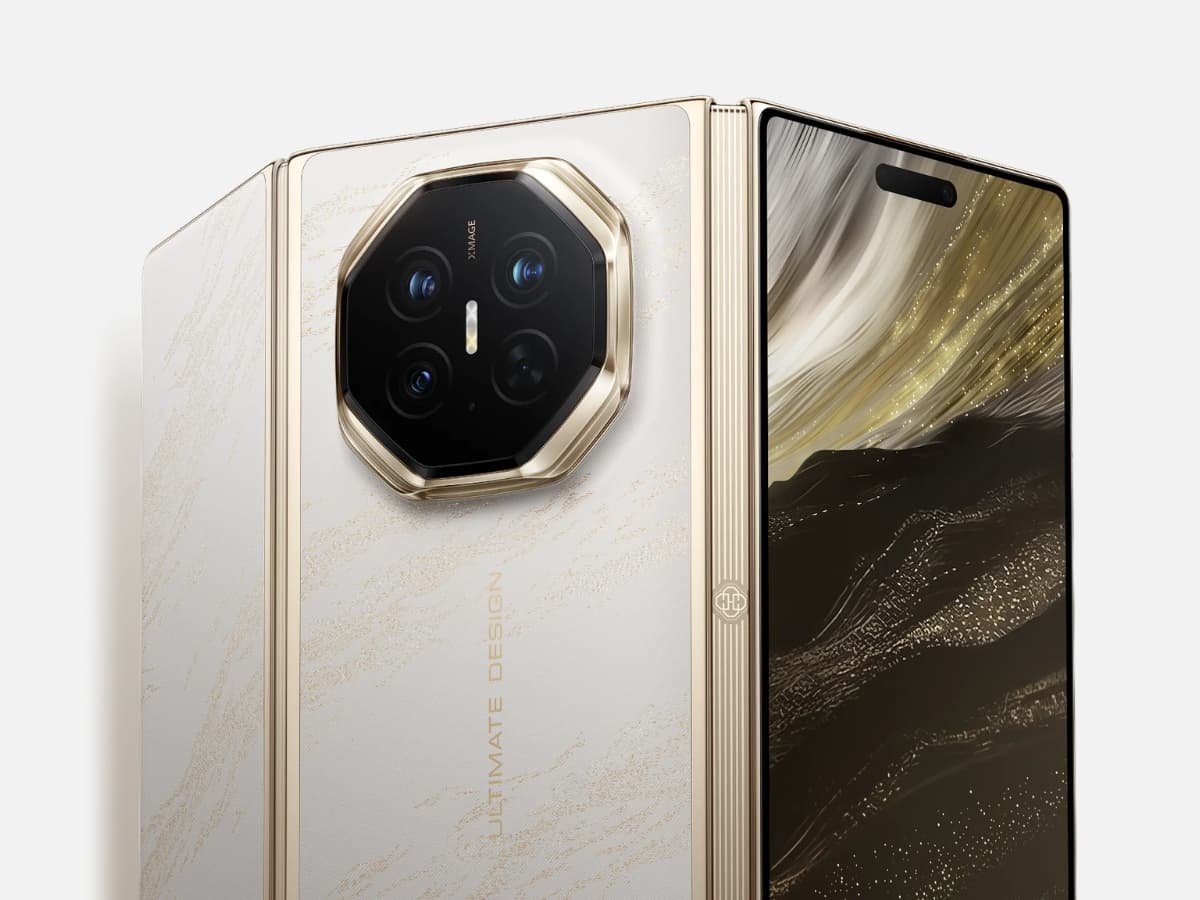
Despite the engineering challenges of maintaining a slim profile across a tri-fold body, Huawei has equipped the Mate XT2 with a flagship-grade camera system. The rear module features a triple-lens setup:
- Main Camera: 50MP sensor with a variable physical aperture (f/1.4 to f/4.0), allowing for professional-level depth of field and improved low-light performance.
- Ultrawide: 40MP sensor for expansive landscapes and group shots.
- Telephoto: 50MP periscope lens capable of high-quality optical zoom, a rarity in the foldable segment due to the thickness required for periscope optics.
Powering this hardware is a 5,600mAh silicon-carbon battery. This high-density battery technology allows Huawei to pack more capacity into a thinner frame compared to traditional lithium-ion cells. The device supports 66W wired "SuperCharge" and 50W wireless charging, ensuring that even with the massive power draw of a 10.2-inch screen, the device can be replenished quickly.
Market Context and Competitive Landscape
The launch of the Mate XT2 occurs against a backdrop of intensifying competition in the foldable smartphone sector. Samsung, the current market leader, recently refreshed its lineup with the Galaxy Z Fold 6, focusing on incremental refinements and AI integration. Google has also expanded its footprint with the Pixel 9 Pro Fold, emphasizing a thin design and "clean" Android experience.
However, Huawei’s move to a tri-fold design creates a new sub-category within the premium segment. By offering a 10-inch screen, Huawei is effectively merging the smartphone and large-tablet markets, a feat that traditional "book-style" foldables—which typically max out at 7.6 to 8 inches—cannot match.
Industry analysts suggest that Huawei’s aggressive innovation in form factors is a strategic move to reclaim market share in China and other regions where it competes with Apple. With Apple expected to announce its own hardware updates shortly, Huawei’s preemptive strike with the Mate XT2 serves as a reminder of its technical capabilities, particularly its ability to produce high-end domestic silicon despite international trade restrictions.
Pricing, Availability, and Global Outlook
The Huawei Mate XT2 is positioned as an ultra-luxury product. The base model (16GB RAM / 512GB Storage) is priced at ¥19,999 (approximately $2,800 USD / $4,139 AUD). The price increases for higher storage tiers and the inclusion of the Privacy OLED display.

- 16GB/1TB Standard: ¥21,999
- 16GB/1TB with Privacy Display: ¥22,999
- 2TB Collector’s Edition: ¥24,999 (approximately $3,500 USD / $5,174 AUD)
Sales are scheduled to begin in mainland China on September 12. As of the launch date, Huawei has not confirmed plans for a global release. Historically, Huawei’s most advanced foldable devices have seen limited availability outside of China, often due to the absence of Google Mobile Services (GMS). However, the Mate XT2 runs on HarmonyOS 7, which has matured significantly into a robust ecosystem with its own suite of productivity and entertainment applications.
Implications for the Future of Mobile Computing
The Mate XT2 represents a "proof of concept" that has reached mass-production maturity. Its success or failure will likely determine whether other manufacturers, such as Xiaomi or Oppo, fast-track their own tri-fold projects. The introduction of the Tau Scaling Law and LogicFolding architecture also suggests a new front in the "chip wars," where architectural ingenuity becomes as important as nanometer counts.
While the price point remains a barrier for the average consumer, the Mate XT2 sets a new ceiling for what is possible in mobile hardware. It challenges the industry to move beyond the "black slab" design that has dominated the last decade, offering a glimpse into a future where the boundary between a phone, a tablet, and a computer is entirely fluid. For now, the Mate XT2 stands as a singular achievement in mechanical and electronic engineering, asserting Huawei’s role as a primary disruptor in the global technology landscape.




 Yuyun Lusiyani
 Joko Widodo
 Jia Lissa
 Pevita Pearce
 admin
admin