
 Lina Irawan
The global eyewear market, valued at approximately USD 170 billion in 2023, is undergoing a significant transformation as consumer preferences shift from disposable fast-fashion accessories to high-quality, "investment-grade" optical products. For the modern man, a pair of sunglasses serves a dual purpose: a critical tool for ocular health and a cornerstone of personal style. While entry-level eyewear often prioritizes aesthetic mimicry, high-end manufacturers distinguish themselves through superior materials, such as Japanese titanium and hand-polished cellulose acetate, and advanced lens technologies that provide precise light filtration and UV protection. This evolution in the luxury accessory sector reflects a broader trend toward "quiet luxury," where craftsmanship and brand heritage take precedence over overt logos and seasonal trends.
The Evolution of Protective Eyewear: A Historical Chronology
The trajectory of men’s sunglasses began not as a fashion statement, but as a military necessity. In the late 1920s, as aviation technology allowed pilots to reach higher altitudes, "high-altitude glare" became a genuine safety hazard. In 1930, the United States Army Air Corps commissioned Bausch & Lomb to create spectacles that would reduce glare and prevent nausea and headaches for pilots. This led to the 1937 commercial release of the "Aviator," a design that remains a staple of the industry nearly a century later.
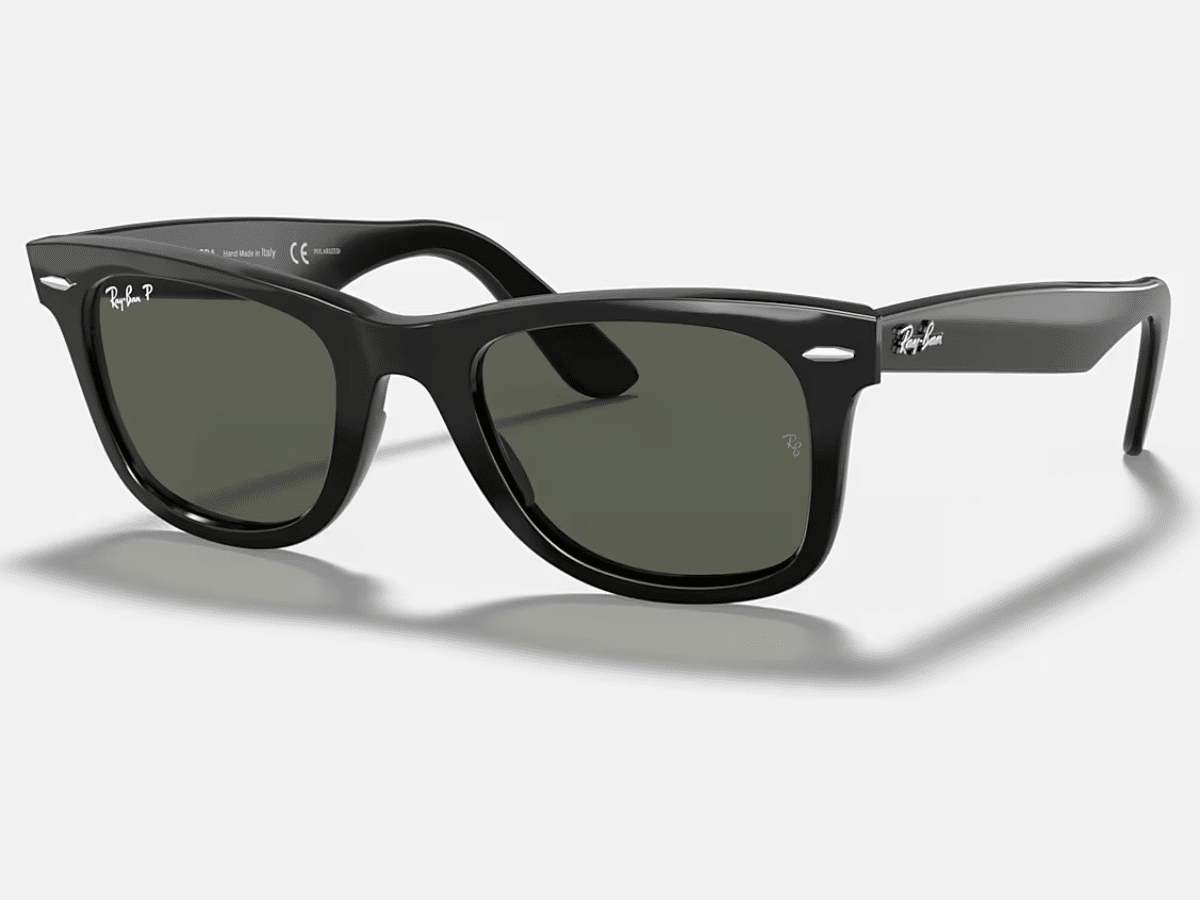
Following World War II, the 1950s saw the rise of the Wayfarer, which utilized the newly developed technology of injection-molded plastics to create a frame that broke away from the thin metal wires of the past. Throughout the 1960s and 70s, European houses like Persol and Cutler and Gross began to refine the manufacturing process, introducing handmade elements and specialized hinges that elevated the product from military-grade gear to luxury status. By the 1990s, performance-driven brands like Oakley revolutionized the market again, introducing high-impact polycarbonate lenses and wrap-around geometries designed for extreme sports. Today, the market is characterized by a synthesis of these eras, blending mid-century aesthetics with 21st-century material science.
Material Science and Manufacturing Standards
The distinction between a $20 pair of sunglasses and a $500 pair lies largely in the raw materials and the labor-intensive processes used to shape them. Most mass-market sunglasses are made from petroleum-based plastics that are injection-molded into shapes. These frames are often brittle, prone to fading, and lack the internal structure necessary for long-term durability.
In contrast, high-end frames are typically constructed from one of two premium materials:

- Cellulose Acetate: Unlike petroleum plastic, acetate is a plant-based material derived from cotton fibers and wood pulp. It is hypoallergenic and possesses a unique transparency and depth of color. High-end brands often use "cured" acetate, which is aged to prevent shrinking or warping. Because the color is integrated into the material rather than painted on the surface, these frames can be buffed and polished repeatedly to restore their original luster.
- Titanium: Frequently utilized by Japanese and high-fashion labels, titanium offers the highest strength-to-weight ratio of any metal. It is corrosion-resistant and flexible, allowing for ultra-thin frames that are virtually indestructible.
Lenses in the luxury sector also undergo rigorous testing. While standard lenses may provide basic UV protection, premium lenses often utilize "crystal glass" or high-index polymers that offer superior optical clarity without the distortion common in cheap plastic. Brands like Oakley and Ray-Ban employ proprietary technologies, such as Prizm or G-15, which are engineered to enhance specific colors and contrast, reducing eye fatigue during prolonged exposure to bright light.
Industry Leaders and Heritage Brands
1. Ray-Ban: The Cultural Standard
Ray-Ban remains the most recognized eyewear brand globally, a position solidified by its acquisition by the Italian conglomerate Luxottica in 1999 for $640 million. While the brand has expanded its catalog, its core appeal lies in its "Icons" collection—the Aviator, the Wayfarer, and the Clubmaster. Ray-Ban’s G-15 lenses, originally developed for military use, transmit 15% of the light while maintaining a neutral color response, making them the industry standard for general-purpose use.
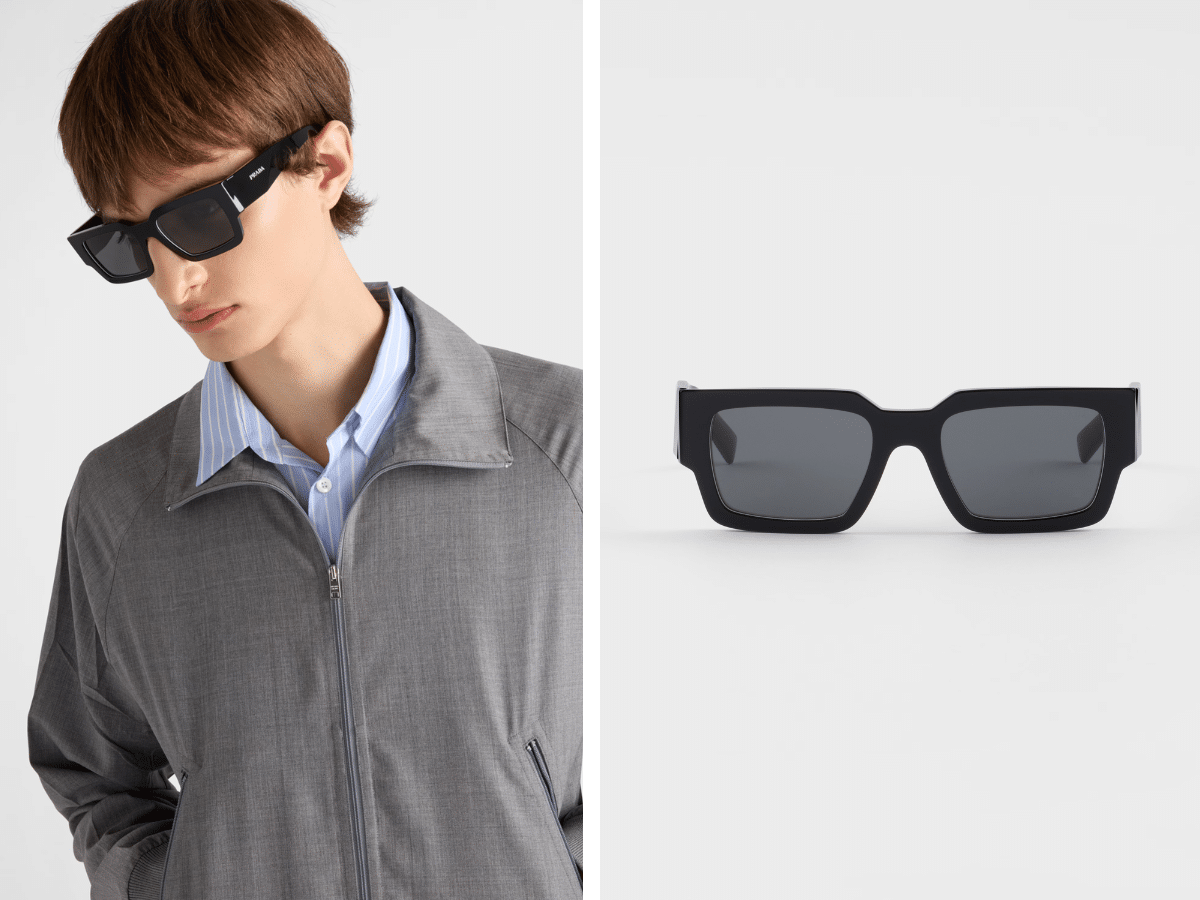
2. Prada: Architectural Modernism
Under the creative direction of Miuccia Prada and Raf Simons, Prada’s eyewear division has moved toward bold, geometric silhouettes. The "Prada Symbole" line is a case study in modern luxury, utilizing thick-gauge acetate and architectural angles. This aesthetic caters to a demographic that views eyewear as an extension of high-fashion tailoring rather than a purely functional accessory.
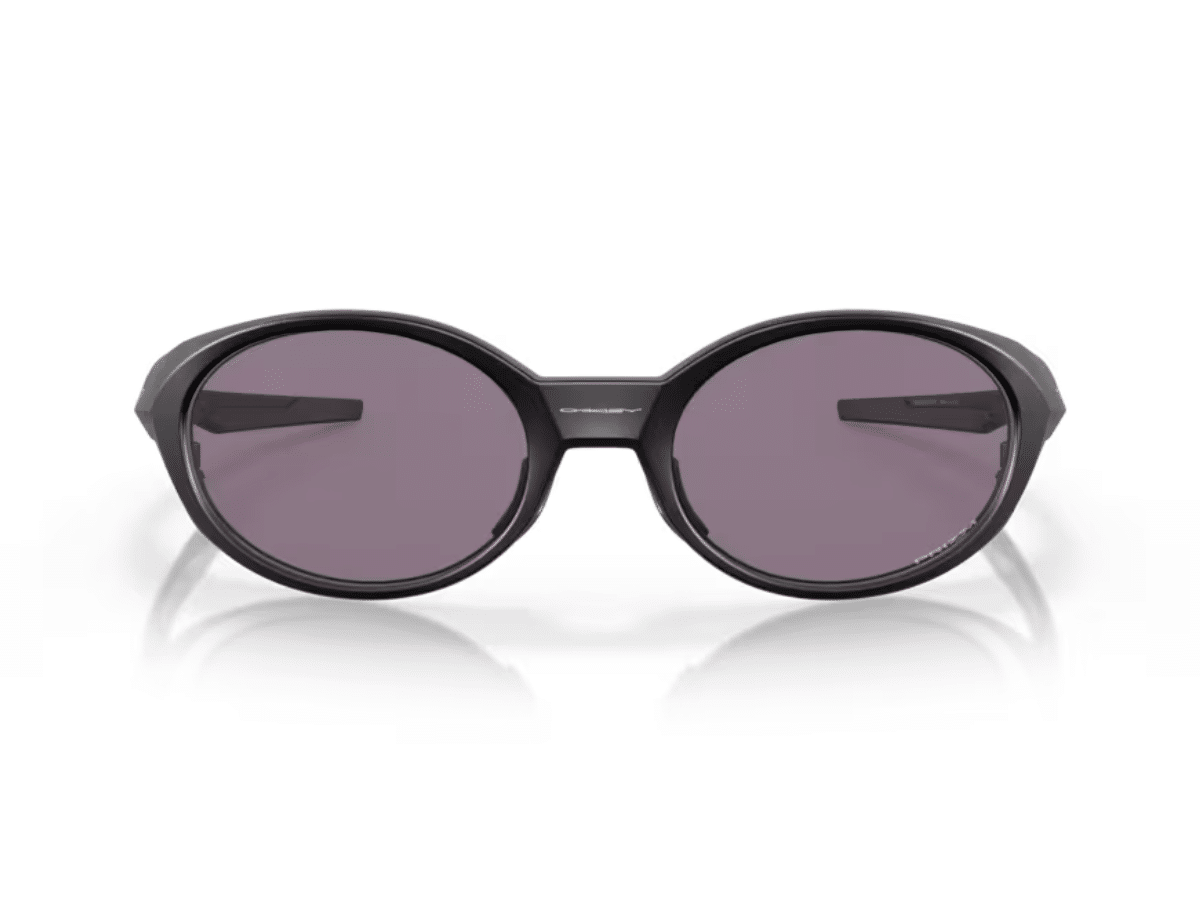
3. Oakley: The Vanguard of Performance
Based in Foothill Ranch, California, Oakley holds over 600 patents for eyewear, materials, and performance gear. The brand’s HDO (High Definition Optics) technology eliminates the refraction of light that occurs with many curved lenses, providing a more accurate image to the brain. Their "Prizm" lens technology is arguably their most significant contribution to the field, using specific dyes to filter light based on the environment—whether it be the road, the golf course, or the ocean.
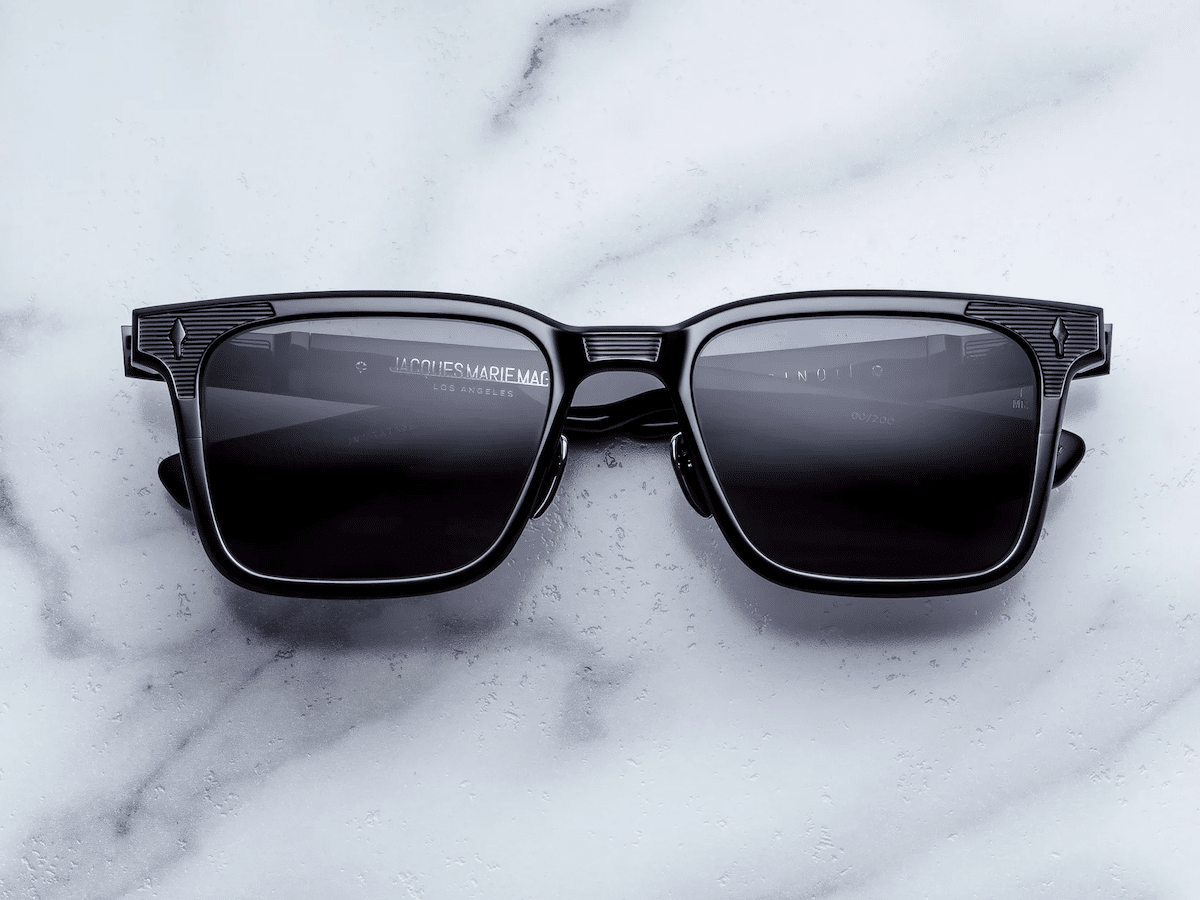
4. Jacques Marie Mage: The Pinnacle of Scarcity
Operating on a "micro-batch" production model, Los Angeles-based Jacques Marie Mage (JMM) represents the absolute ceiling of the luxury eyewear market. Each frame is handcrafted in Japan and produced in limited runs of 50 to 500 units. JMM is known for using 10mm thick blocks of acetate—double the industry standard—and incorporating precious metals like 18k gold and sterling silver into the hardware. This approach has created a secondary market where certain models appreciate in value, similar to luxury watches.
5. Persol: Italian Engineering
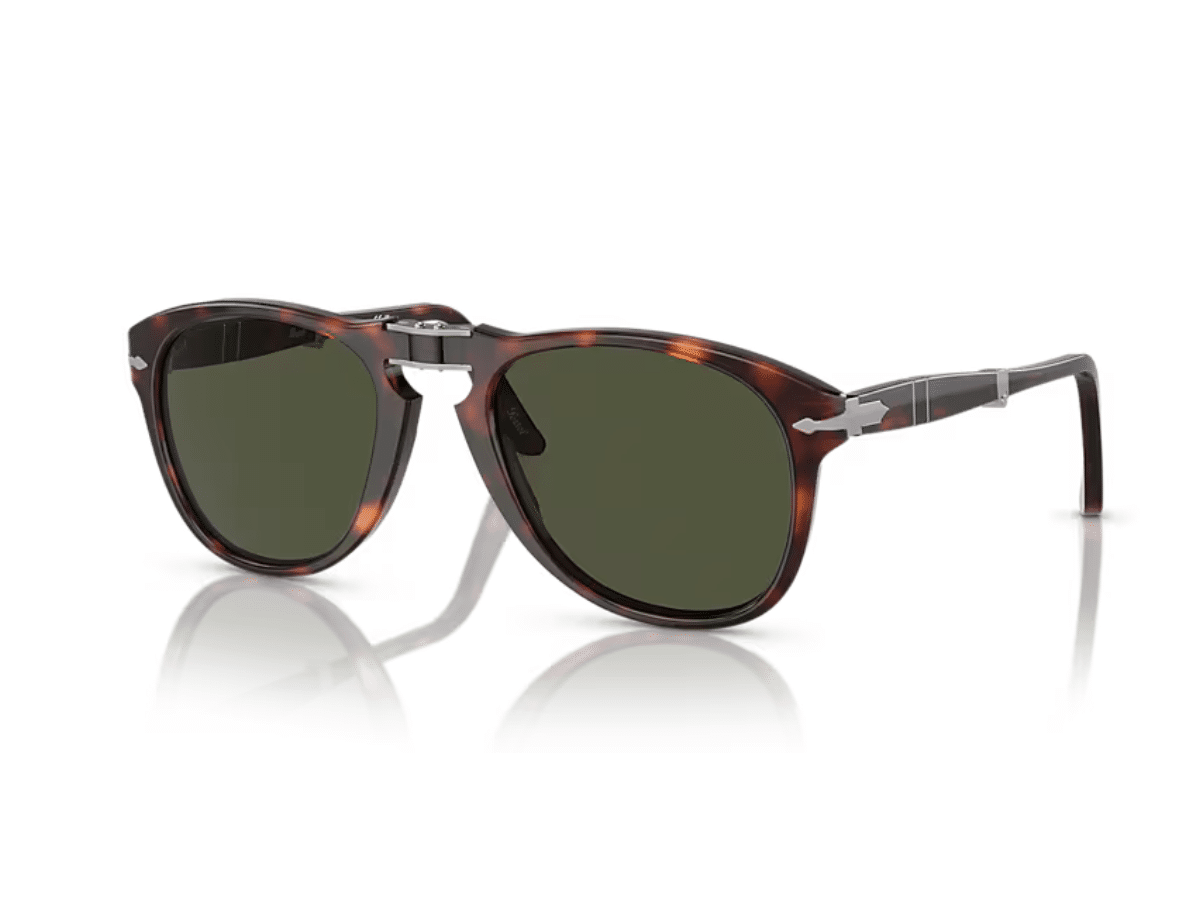
Founded in 1917 in Turin, Italy, Persol (a name derived from "per il sole," meaning "for the sun") is synonymous with the "Meflecto" system. This patented technology involves inserting small cylinders of nylon or metal into the acetate temples, allowing the arms to flex and mold to the wearer’s head shape. This eliminated the pressure points common in traditional frames and remains one of the few functional innovations in eyewear that has survived for over 80 years.
6. Oliver Peoples: The Aesthetic of Stealth Wealth
Founded on Sunset Boulevard in 1987, Oliver Peoples rejected the loud branding of the 1980s in favor of vintage-inspired designs. The brand is famous for its lack of visible logos, relying instead on distinctive filigree and custom-tinted glass lenses. Their "Gregory Peck" and "O’Malley" frames have become staples for professionals in creative and corporate industries who prefer a subtle, intellectual aesthetic.
7. Moscot: A New York Legacy
A fifth-generation family business, Moscot operates with a sense of historical continuity. Their "Lemtosh" frame, characterized by its diamond rivets and keyhole bridge, has been worn by cultural icons for decades. Moscot’s manufacturing emphasizes "real-rivet" construction, where the hinges are pinned through the acetate rather than glued, ensuring the frames can withstand years of daily use.
8. Epokhe: The Independent Disruptor
Hailing from Byron Bay, Australia, Epokhe represents the successful marriage of surf culture and high-end design. Founded by professional surfers and filmmakers, the brand focuses on heavy, durable frames with a dark, cinematic aesthetic. By utilizing premium Italian acetates and Japanese hinges while maintaining an independent distribution model, Epokhe has carved out a niche among younger consumers who are disillusioned with conglomerate-owned brands.
9. Cutler and Gross: Bespoke Craftsmanship
Since 1969, Cutler and Gross has maintained a reputation for "functional art." Every pair of sunglasses is handmade in their own factory in Cadore, Italy, involving a 42-step process that includes hand-tumbling the frames in wooden barrels filled with resin beads to achieve a deep, natural shine. This labor-intensive process limits their output but ensures a level of finish that mass-produced frames cannot replicate.
Technical Analysis: The Importance of Face Shape and Fit
Selecting a pair of high-end sunglasses requires an understanding of facial geometry. The industry operates on the "Rule of Contrast," which suggests that the shape of the frame should be the opposite of the shape of the face:
- Round Faces: Benefit from angular, square, or rectangular frames that provide definition and structure.
- Square Faces: Suit rounded or oval frames (such as Aviators) to soften a strong jawline.
- Oval Faces: Considered the most versatile shape, oval faces can support almost any frame style, provided the width of the frames matches the widest part of the face.
- Heart-Shaped Faces: Frames that are wider at the bottom or have a lower-set temple help balance a wider forehead.
Furthermore, the "bridge fit" is a critical technical detail. Many high-end brands offer "Alternative Fit" or "Asian Fit" models, which feature larger nose pads and adjusted temple angles to accommodate flatter nose bridges and higher cheekbones, preventing the frames from sliding or resting on the face.
Broader Impact and Market Implications
The shift toward high-end eyewear has significant implications for sustainability and consumer behavior. As the environmental cost of "disposable" plastic becomes more apparent, consumers are increasingly willing to pay a premium for products that offer longevity. A pair of Jacques Marie Mage or Persol sunglasses, if properly maintained, can last for decades, reducing the cycle of waste associated with cheaper alternatives.
Moreover, the medical community continues to emphasize the importance of UV protection. Prolonged exposure to ultraviolet radiation is a known factor in the development of cataracts and macular degeneration. By investing in high-end eyewear that utilizes certified UV400 lenses, consumers are not merely making a fashion choice but are engaging in preventative healthcare.
As the market moves toward 2030, analysts expect to see further integration of smart technology into luxury frames. However, the core value of the high-end sector remains rooted in the tactile quality of the materials and the heritage of the makers. For the modern man, the right pair of sunglasses remains the ultimate accessory—a rare intersection of health, history, and high-style engineering.




 Yuyun Lusiyani
 Joko Widodo
 Jia Lissa
 Pevita Pearce
 admin
admin
