
 admin
admin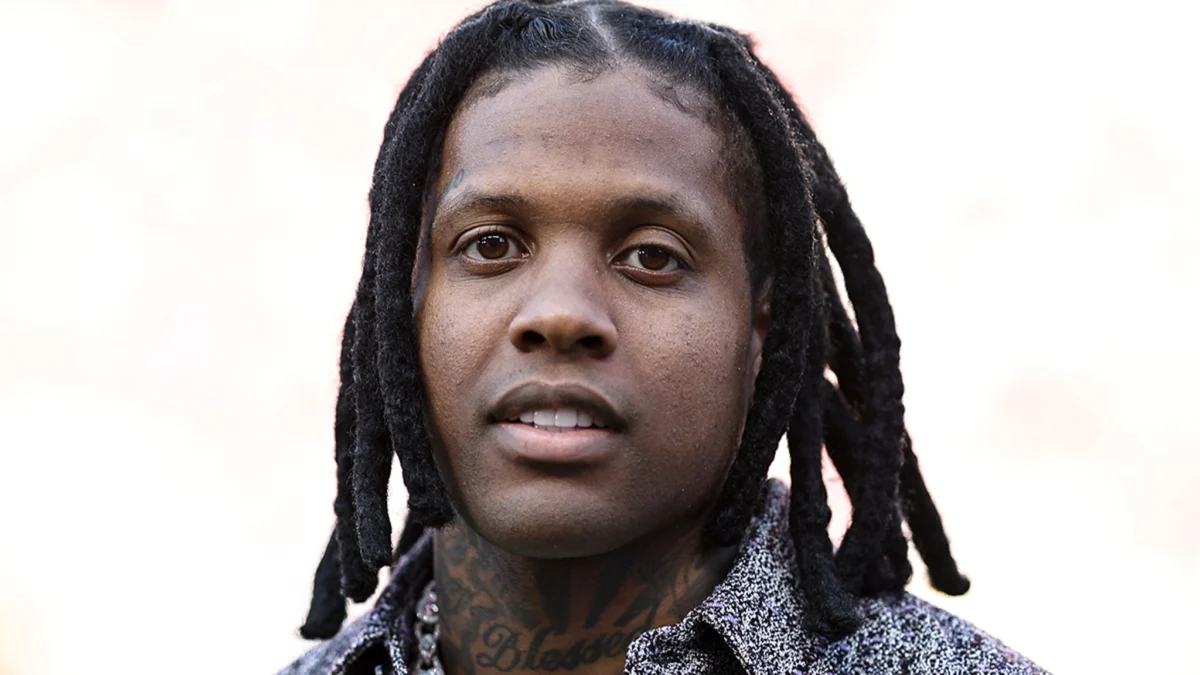
Chicago rapper Lil Durk, born Durk Derrick Banks, has been fully exonerated in a high-profile murder-for-hire case, with a Los Angeles jury returning a verdict of not guilty on all five charges on September 11, 2026. After three days of intense deliberation, the jury concluded that the prosecution had not met the burden of proof, clearing the prominent artist of alleged involvement in a fatal 2022 shooting that claimed the life of Saviay’a Robinson, a cousin of rival rapper Quando Rondo. The verdict marks a significant legal victory for the 33-year-old artist, who faced a litany of charges including conspiracy, stalking using a dangerous weapon, stalking resulting in death, and two counts related to murder-for-hire. The courtroom, packed with legal teams, media, and a handful of supporters, reportedly held its breath as the foreperson delivered the unanimous decision, drawing a decisive close to a trial that captivated both the legal and music worlds.
The Verdict: A Major Legal Victory
The acquittal of Lil Durk reverberates beyond the confines of the Los Angeles courthouse, signaling a major legal triumph for the rapper and a profound moment for the hip-hop community. The prosecution had painted a grim picture, alleging that Banks orchestrated a deadly plot as a retaliatory measure for the 2020 killing of his close friend and fellow rapper, Dayvon "King Von" Bennett. The core of their argument rested on the premise that Lil Durk commissioned a "hit team" to target Quando Rondo, whose associate was implicated in King Von’s death. However, the 2022 shooting outside the Beverly Center tragically resulted in the death of Saviay’a Robinson, who was struck by one of the 18 bullets fired into Quando Rondo’s black Escalade.
The defense, led by a formidable legal team, meticulously dismantled the prosecution’s narrative. They contended that while a shooting did occur, Lil Durk had no direct involvement in commissioning or even being aware of such a plot. Instead, they pointed the finger at Kavon Grant, Lil Durk’s former assistant, suggesting that Grant acted independently, motivated by a misguided attempt to impress his boss or to settle personal scores within the complex landscape of rap-related rivalries. This alternative theory, coupled with what the defense argued was a lack of direct, irrefutable evidence linking Banks to the alleged murder-for-hire scheme, ultimately swayed the jury. The verdict underscored the immense challenge prosecutors face in proving intent and conspiracy in cases often mired in circumstantial evidence, coded language, and complex relationships within specific cultural contexts.
Unpacking the Charges and the Allegations
The charges against Lil Durk were severe, carrying potential life sentences had he been convicted. The specific counts included:
- Conspiracy: Alleging an agreement between Lil Durk and others to commit a criminal act.
- Stalking using a dangerous weapon: Suggesting a pattern of harassment or surveillance leading to the use of firearms.
- Stalking resulting in death: A particularly grave charge linking the alleged stalking to the fatal outcome.
- Two counts of murder-for-hire: The central accusation, implying that Durk solicited, commanded, or induced another person to commit murder for payment or other consideration.
The prosecution’s case hinged on demonstrating a clear motive, a chain of command, and a series of actions that, when pieced together, would establish Lil Durk’s culpability beyond a reasonable doubt. They presented evidence ranging from alleged communications, financial transactions, and surveillance footage, attempting to connect Banks to the individuals directly involved in the 2022 shooting. Prosecutors asserted that the murder-for-hire was a calculated act of revenge, a violent response to the previous loss of a close associate, a narrative often associated with the dangerous intersections of street culture and the music industry.
However, the defense mounted a robust counter-argument, emphasizing the absence of direct orders from Lil Durk and highlighting the ambiguities within the evidence presented. They argued that the prosecution’s case was built on speculation and inference rather than concrete proof, and that the alleged "hit team" acted on their own volition or under the direction of someone other than Banks. The jury’s verdict suggests that these arguments successfully cast sufficient doubt on the prosecution’s claims, reinforcing the fundamental principle of "innocent until proven guilty" in the American justice system.
A Timeline of Conflict and Criminal Proceedings
To fully grasp the gravity and context of this trial, a brief chronology of events is essential:

-
November 6, 2020: Dayvon "King Von" Bennett, a close friend and collaborator of Lil Durk, is fatally shot outside an Atlanta nightclub following an altercation with a group associated with Quando Rondo. This event ignited a highly publicized feud between the two rap camps, fueling widespread speculation and tensions within the hip-hop community. King Von’s death became a flashpoint, leading to increased scrutiny of the often-violent narratives present in drill music and the real-world consequences they sometimes reflect.
-
2022: The fatal shooting incident occurs outside the Beverly Center in Los Angeles. Saviay’a Robinson, identified as Quando Rondo’s cousin, is killed when an Escalade carrying Rondo is targeted with 18 gunshots. The immediate aftermath saw an intense investigation by local law enforcement, who quickly recognized the potential links to the ongoing rap rivalry. The brazen nature of the daytime shooting in a public area shocked the city.
-
Late 2022 – Early 2023 (Inferred): Initial investigations lead to arrests and the eventual indictment of Lil Durk and two other individuals in connection with the 2022 shooting. The specific details of the arrests and the initial charges are kept under wraps during the grand jury proceedings, but news of Lil Durk’s alleged involvement sends shockwaves through the industry. The Los Angeles District Attorney’s office takes on the high-profile case, recognizing its potential implications.
-
September 2026: The trial of Lil Durk commences in Los Angeles. Over several weeks, both the prosecution and defense present their arguments, examining forensic evidence, witness testimonies, and alleged digital communications. The courtroom becomes a focal point for media and fans, scrutinizing every development.
-
September 11, 2026: After three days of deliberation, the jury returns a verdict of not guilty on all counts, bringing an end to the highly publicized and legally complex trial. The acquittal allows Lil Durk to walk free, closing a tumultuous chapter in his personal and professional life.
The Prosecution’s Case: Retaliation and Circumstantial Evidence
The prosecution’s strategy was built on establishing a clear motive: revenge for the death of King Von. They argued that the emotional and professional bond between Lil Durk and King Von provided a powerful impetus for retaliation against Quando Rondo’s camp. To support this, they presented:
- Alleged Communications: Evidence of calls, texts, or social media posts that, according to the prosecution, indicated Lil Durk’s desire for retribution or indirect instructions related to the attack. However, the defense likely challenged the interpretation and direct attribution of these communications to an explicit murder-for-hire plot.
- Financial Tracing: Attempts to show monetary transactions that could be interpreted as payments for the alleged hit, although proving the purpose of such transactions in complex financial networks can be difficult.
- Associational Links: Demonstrating connections between Lil Durk and the individuals who physically carried out the shooting, suggesting a command structure.
- Expert Testimony: Potentially from law enforcement officials or cultural experts who could speak to the dynamics of rap rivalries and their potential for violence, aiming to contextualize the motive for the jury.
However, the nature of "murder-for-hire" cases, especially those involving prominent figures and alleged street affiliations, often relies heavily on circumstantial evidence. Proving a direct order or explicit agreement can be incredibly challenging without clear, unequivocal testimony from an insider or unambiguous recorded evidence. The prosecution’s inability to establish this direct link beyond a reasonable doubt proved to be a critical weakness in their case.
The Defense’s Counter-Narrative: An Assistant’s Misguided Ambition
The defense successfully introduced an alternative narrative that shifted the focus away from Lil Durk. Their central argument implicated Kavon Grant, Lil Durk’s former assistant, as the true orchestrator of the attack. The defense posited that Grant, perhaps seeking to gain favor with his boss or to assert his own standing within their circle, initiated the retaliatory act without Lil Durk’s knowledge or consent. This strategy involved:

- Highlighting Grant’s Autonomy: Presenting evidence or arguments that Grant had the capacity, connections, and potential motive to act independently.
- Lack of Direct Orders: Emphasizing the absence of any direct, verifiable commands from Lil Durk to Grant or the alleged hitmen.
- Challenging Intent: Arguing that even if Lil Durk expressed general anger or grief over King Von’s death, this did not equate to an order for murder. The defense would have differentiated between expressing raw emotion and actively conspiring to commit a capital crime.
- Witness Credibility: Potentially challenging the credibility of any witnesses presented by the prosecution who claimed to have direct knowledge of Lil Durk’s involvement.
This defense strategy aimed to create enough reasonable doubt that a third party acted independently, thus absolving Lil Durk of responsibility. By offering a plausible alternative explanation for the crime, the defense effectively undermined the prosecution’s attempt to pin the murder-for-hire charges squarely on the rapper.
The Broader Context: Rap Rivalries and Legal Challenges
The Lil Durk trial is not an isolated incident but rather a prominent example of the increasing intersection between the hip-hop industry and the criminal justice system, particularly concerning alleged gang affiliations and rivalries. The rise of subgenres like drill music, often characterized by its gritty portrayal of street life and conflict, has led to heightened scrutiny from law enforcement.
- Cultural Context: Rap music, particularly in its more street-oriented forms, frequently narrates experiences with violence, loyalty, and retribution. While artists often assert that their lyrics are storytelling or artistic expression, prosecutors increasingly attempt to use these lyrics and public personas as evidence of real-world criminal intent or association. This practice remains highly contentious, with free speech advocates arguing against its use.
- High-Profile Cases: Lil Durk’s trial follows a trend of several high-profile rappers facing serious legal charges, including Young Thug, YFN Lucci, and others, often involving RICO (Racketeer Influenced and Corrupt Organizations Act) charges that seek to dismantle alleged criminal enterprises. These cases highlight the legal system’s efforts to connect individual acts to broader organizational structures.
- Challenges for Law Enforcement: Investigating crimes within complex social networks, often involving individuals who are reluctant to cooperate with authorities, presents significant challenges. Prosecutors must navigate these complexities while adhering to strict legal standards of proof.
This case serves as a stark reminder of the often-perilous tightrope walked by artists whose public image and musical themes sometimes intersect with real-world dangers and legal implications. The verdict, in this instance, suggests a judicial caution against equating artistic expression or associative links with direct criminal culpability without compelling evidence.
Impact on Lil Durk’s Career and Public Perception
The shadow of a murder-for-hire indictment loomed large over Lil Durk’s career for several years. While he continued to release music and perform, the legal battle undoubtedly created immense personal and professional stress. The acquittal, however, immediately shifts the narrative.
- Career Resurgence: Freed from the legal burden, Lil Durk is now poised for a potential career resurgence. The cloud of suspicion has been lifted, allowing him to fully focus on his music, touring, and brand partnerships. This could lead to increased fan engagement, new collaborations, and a renewed sense of creative freedom.
- Public Image Rehabilitation: The "not guilty" verdict is a powerful statement that can help rehabilitate his public image. While allegations often leave a lingering stain, a full acquittal provides a definitive legal vindication, enabling him to regain trust and support from fans and the broader public who may have been swayed by the serious charges.
- Industry Receptivity: Record labels, promoters, and corporate sponsors are often wary of artists entangled in major criminal cases. The acquittal makes Lil Durk a much more attractive and less risky prospect for future endeavors, potentially opening doors to opportunities that were previously on hold.
- Personal Vindication: Beyond the professional implications, the verdict offers profound personal vindication for Lil Durk, who has consistently maintained his innocence. The emotional toll of such a trial, irrespective of the outcome, is immense, and the acquittal allows him to move forward with his life.
Legal Precedents and Industry Scrutiny
This case will likely be studied within legal circles for its complexities in proving intent and conspiracy, especially in cases involving high-profile individuals and alleged gang affiliations. The defense’s successful strategy of introducing an alternative perpetrator (Kavon Grant) without needing to prove Grant’s guilt, but merely to cast reasonable doubt on Durk’s, highlights a crucial aspect of criminal defense.
From an industry perspective, the outcome might lead to further discussions about the responsibilities of artists and their teams. While the defense successfully argued Grant acted independently, the incident underscores the potential dangers that can arise from misguided loyalty or attempts to impress figures of authority within these circles. It also reignites debates about the role of management and legal counsel in guiding artists through the treacherous waters where artistic narratives, personal relationships, and street realities often converge.
Looking Ahead: The Aftermath of Acquittal
As Lil Durk steps away from the courthouse, he enters a new chapter. The immediate future will undoubtedly see him celebrating this significant personal victory. For the victims’ families, however, the pain and unanswered questions remain, and the legal system’s inability to definitively assign guilt in the murder-for-hire aspect may leave a sense of incompleteness.
The acquittal of Lil Durk in this high-stakes murder-for-hire case serves as a powerful reminder of the presumption of innocence and the rigorous standards of proof required in American jurisprudence. It closes a chapter of intense legal scrutiny for one of hip-hop’s most prominent figures, allowing him to reclaim his narrative and focus on his artistic journey, now free from the most severe legal encumbrances. The reverberations of this verdict will be felt across the music industry and within legal communities, as it offers a fresh perspective on the intricate challenges of prosecuting complex cases involving celebrity, culture, and alleged criminality.




 Yuyun Lusiyani
 Joko Widodo
 Jia Lissa
 Pevita Pearce

