
 Eva Lovia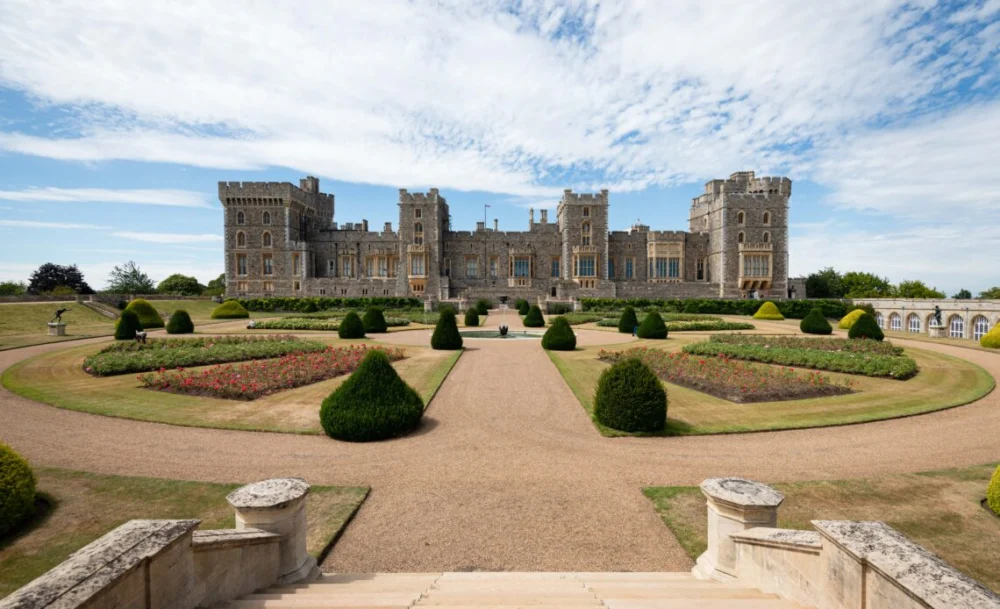
A protracted and at times contentious dispute concerning the financial burden of hosting visiting heads of state at Windsor Castle has reportedly reached a resolution, with the UK government agreeing to reimburse the Royal Borough of Windsor and Maidenhead (RBWM) for substantial expenses incurred during a series of high-profile diplomatic engagements. This agreement marks a significant turning point, averting potential disruptions to future state visits and restoring a more cooperative relationship between local authorities and national government departments responsible for foreign affairs and ceremonial protocol.
The financial strain on the RBWM had become a pressing concern, highlighted by a stark warning that the borough faced a shortfall exceeding £350,000 following a demanding year of hosting international dignitaries. This period saw Windsor Castle serve as a primary venue for significant state visits, including those by former US President Donald Trump, French President Emmanuel Macron, and German President Frank-Walter Steinmeier. The increased activity placed considerable pressure on the local council’s resources and infrastructure, necessitating a reallocation of funds and personnel.
The unique circumstances of these visits, particularly the temporary limitations on Buckingham Palace’s availability due to ongoing renovations, amplified the reliance on Windsor Castle. This shift meant that the local authority bore a greater proportion of the logistical and operational costs associated with preparing the town and its services for the arrival of world leaders. The council argued that such expenses, directly linked to national diplomatic objectives, should not disproportionately fall upon the local taxpayer, who would not directly benefit from the international prestige or diplomatic outcomes of these visits.
The Mounting Financial Pressure on Local Services
The operational demands placed upon the Royal Borough of Windsor and Maidenhead were multifaceted. The influx of high-profile visitors and their extensive entourages required a significant escalation in the provision of local services. Street cleansing operations, often a routine municipal task, were brought forward and intensified to ensure the immaculate presentation of the town, particularly along routes frequented by state motorcades and visiting delegations.
Furthermore, the management of public spaces and the facilitation of secure access to Windsor Castle necessitated the deployment of additional stewards and temporary staff. These individuals played a crucial role in crowd management, ensuring public safety, and maintaining the smooth flow of operations during ceremonial events. Senior council staff were also heavily involved, dedicating extended hours to intricate coordination efforts with the numerous security teams accompanying the visiting heads of state. These security apparatuses, often comprising personnel from the visiting nation’s intelligence and protection agencies, required seamless integration with local law enforcement and emergency services, adding layers of complexity to planning and execution.
The financial implications were not confined to immediate operational costs. The need for enhanced security measures, potential overtime for council employees, and the diversion of resources from other local projects all contributed to the burgeoning deficit. The council’s contention was that these were not standard municipal expenditures but rather extraordinary costs directly attributable to the national and international significance of the state visits.
Communication Gaps and Administrative Hurdles
Adding to the financial strain were reported communication difficulties between central government departments and the borough council. Officials within the RBWM suggested that a degree of unfamiliarity with Windsor’s specific logistical arrangements and the intricacies of managing large-scale diplomatic events in a historic town may have contributed to administrative confusion. This lack of established protocols or a clear understanding of shared responsibilities between national and local bodies led to delays in the reimbursement process and uncertainty about who would ultimately bear the costs.
While the borough council made attempts to recover its expenditure from the Foreign, Commonwealth and Development Office (FCDO), persistent concerns remained that the council would be left footing the bill for activities that were fundamentally linked to the execution of national diplomatic protocol. The FCDO, as the primary department responsible for foreign relations, coordinates state visits, but the practical implementation often involves significant input from local authorities in the host town. The lack of a clear framework for cost-sharing in such scenarios had evidently created a chasm.
Political Intervention and Escalation of Tensions
The escalating financial pressures and perceived lack of governmental support prompted political intervention at various levels. Notably, a letter was dispatched by Jack Rankin, the local Conservative representative, to the then-Foreign Secretary. This communication underscored the council’s plea, arguing forcefully that the financial burden of hosting state visits, a matter of national diplomatic importance, should not be inequitably imposed upon local residents and their council. Such interventions signal the gravity of the issue and the extent to which it had become a matter of political concern beyond the immediate administrative departments.
The situation reached a point of significant tension earlier in the year when the RBWM indicated its potential reluctance to provide full logistical support for an upcoming state visit. The scheduled visit of Nigerian President Bola Tinubu, planned for mid-March, was cited as a case in point, with the council suggesting it might be forced to withdraw its customary assistance if a resolution to the funding dispute was not found. This was a clear indication that the financial strain had reached a critical juncture, threatening the established practice of diplomatic hospitality.
A Resolution in Sight: Government Reimbursement Agreed
The confirmed agreement by the government to reimburse the costs associated with both the series of high-profile visits in the previous year and the forthcoming Nigerian state visit represents a significant breakthrough. This decision effectively resolves the protracted row, easing the immediate financial anxieties of the Royal Borough of Windsor and Maidenhead and setting a precedent for future diplomatic engagements.
Deputy Council Leader Lynne Jones expressed her satisfaction with the outcome, stating her pleasure that central government had finally accepted responsibility for the expenses. This acceptance of responsibility is crucial, as it acknowledges the legitimate claims of the local authority and validates their efforts in facilitating national diplomatic objectives. The agreement covers not only the arrangements for the March visit but also the significant expenditures incurred during the three state visits that took place in 2025. This comprehensive reimbursement addresses the accumulated deficit and provides a clear financial pathway forward.
Implications and the Path Forward
The resolution of this dispute carries several important implications for both local governance and the future of state visits in the UK.
Restoration of Cooperation: The agreement is expected to significantly ease the pressure on local services within Windsor. By removing the financial overhang, the council can reallocate resources to essential services and community projects that may have been deferred or curtailed due to the unexpected expenses. Furthermore, it is anticipated to restore a more cooperative and collaborative relationship between the borough council and national authorities. This renewed partnership is vital for the seamless planning and execution of future diplomatic ceremonies held in Windsor, ensuring that the town can continue to play its historic role as a distinguished venue for international relations without undue financial hardship.
Setting a Precedent: The government’s commitment to reimburse these costs establishes a crucial precedent. It signals a recognition of the financial implications for local authorities hosting state visits and suggests a potential for more robust cost-sharing mechanisms to be implemented in the future. This could involve clearer guidelines, pre-agreed budgets, or a more streamlined reimbursement process to prevent similar disputes from arising. For other local authorities that may find themselves in similar situations, this outcome offers a degree of reassurance and a framework for negotiation.
Impact on National Diplomacy: The ability of the UK to host state visits smoothly and efficiently is integral to its standing on the international stage. Any friction or uncertainty in this process can have subtle but significant diplomatic repercussions. The resolution in Windsor ensures that this historic town, with its iconic castle, can continue to be a welcoming and capable venue for global leaders, thereby supporting the government’s foreign policy objectives and enhancing the UK’s diplomatic reach.
Economic Considerations: While not explicitly detailed in the initial reports, it is worth noting that state visits, despite their associated costs, can also bring economic benefits to a locality through increased tourism, media attention, and the presence of official delegations. However, the core of the dispute lay in the imbalance between these potential benefits and the direct, often substantial, costs borne by the local authority. The government’s reimbursement acknowledges that the direct costs of hosting diplomacy should be a national responsibility.
The successful resolution of this financial dispute is a testament to the persistent advocacy of the Royal Borough of Windsor and Maidenhead and the eventual recognition by central government of its responsibilities. It underscores the intricate partnership required between national and local governance to uphold the traditions and demands of international diplomacy, ensuring that historic sites like Windsor Castle can continue to serve as magnificent backdrops for crucial global interactions. The coming months will likely see a renewed focus on ensuring that such collaborative arrangements are robust and clearly defined, safeguarding both the nation’s diplomatic standing and the financial well-being of its local communities.


 Jia Lissa
 Yuyun Lusiyani
 Joko Widodo

 Pevita Pearce