
 Lina Irawan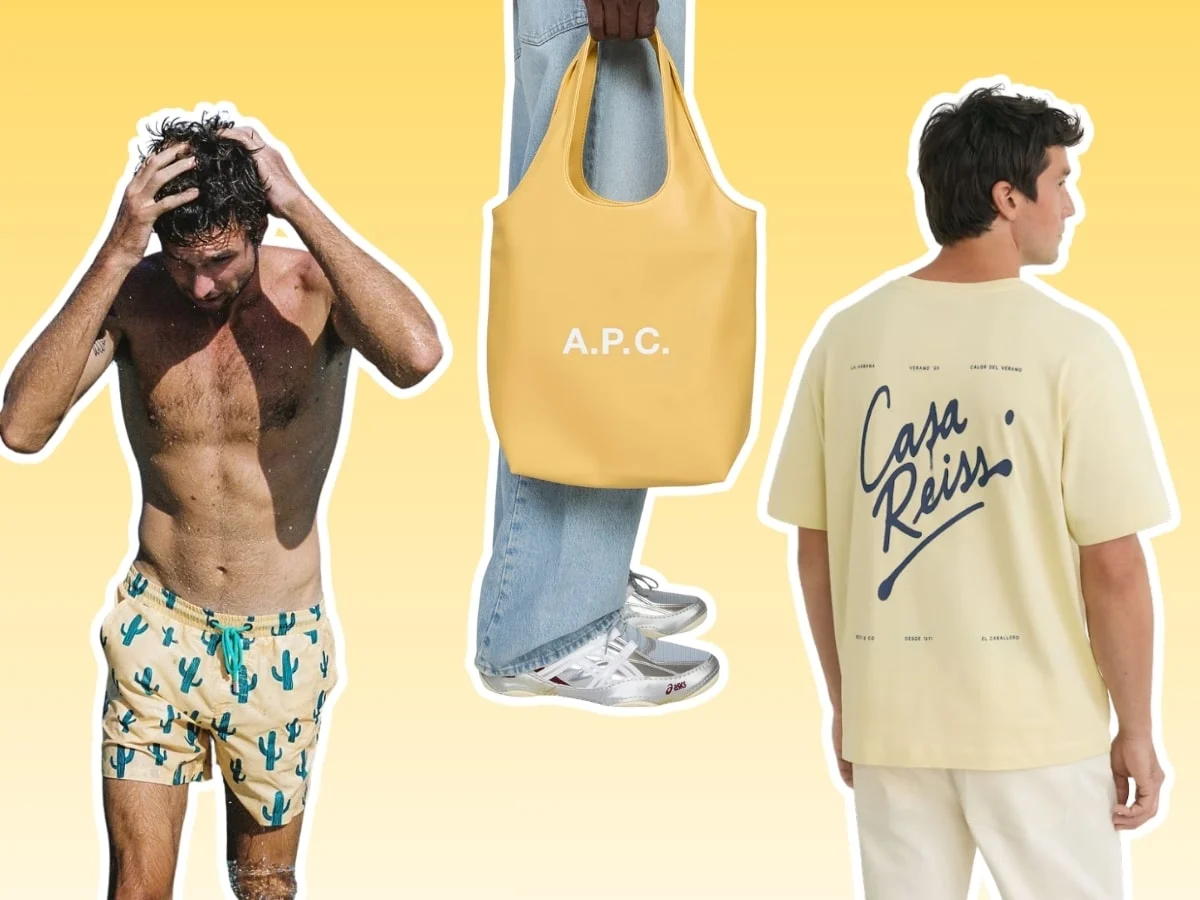
The global menswear landscape is currently undergoing a significant chromatic shift, moving away from the "quiet luxury" palette of charcoal, navy, and stone that has dominated the retail sector for the past three fiscal years. Industry analysts and fashion historians are noting a pronounced resurgence of yellow—ranging from delicate buttercreams to high-intensity ochres—as a primary driver for the Spring/Summer 2025 and 2026 collections. This trend, which first manifested on the runways of Milan and Paris, has now fully permeated the consumer market, signaling a departure from safe neutrals toward a more expressive, "dopamine-centric" approach to dressing. While yellow has historically been regarded as a high-risk hue for the average consumer, current retail data indicates a 35 percent year-over-year increase in searches for "butter yellow" and "mustard" menswear components, suggesting that the modern man is increasingly willing to integrate sunshine-adjacent tones into his professional and leisure wardrobes.
The Macro Trend: From Runway to Retail
The current yellow renaissance did not occur in a vacuum. It follows a decade of minimalist aesthetics where monochrome dominated. According to recent market reports from global trend forecasting agencies like WGSN, the shift toward yellow is part of a broader psychological response to the post-pandemic era, where consumers are seeking optimism through their aesthetic choices. Leading luxury houses, including Loewe, Ferragamo, and Bottega Veneta, paved the way by incorporating "acid yellow" and "saffron" into their Spring 2025 collections, which eventually trickled down to premium high-street and boutique labels.
The primary challenge for retailers has been the perceived "unwearability" of the color. To combat this, brands have pivoted toward "mellow" and "savory" shades. Instead of neon high-visibility tones, the market is currently saturated with "butter yellow"—a shade so desaturated it functions as a functional neutral. This strategic softening of the palette has lowered the barrier to entry for the cautious consumer, allowing for a seamless transition from traditional white and beige to these warmer, sun-drenched alternatives.

Market Segmentation: Essential Yellow Menswear Components
The current market offering for yellow menswear is diverse, spanning footwear, knitwear, outerwear, and accessories. Each category serves a specific purpose in the modern man’s wardrobe, balancing bold statement-making with functional utility.
1. Heritage Footwear: The Onitsuka Tiger Mexico 66
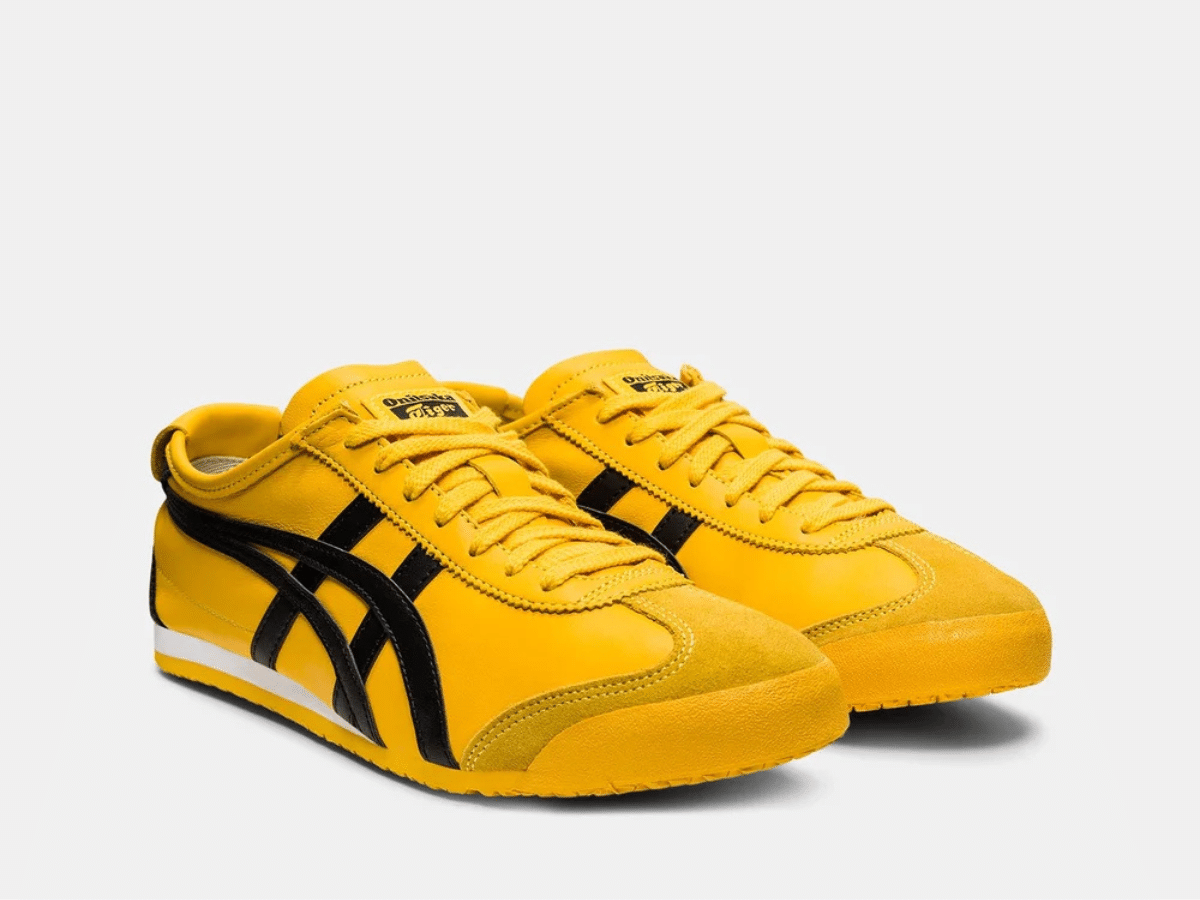
The Onitsuka Tiger Mexico 66 remains the definitive entry point for those looking to adopt the yellow trend without overhauling their entire wardrobe. Originally popularized in the late 1960s and later immortalized in cinema, the iconic yellow and black colorway provides a vintage athletic aesthetic. Market data shows that heritage sneakers in primary colors often serve as "anchor pieces," allowing consumers to maintain a neutral outfit while signaling an awareness of current color trends.
2. Premium Knitwear: The Venroy and Reiss Influence
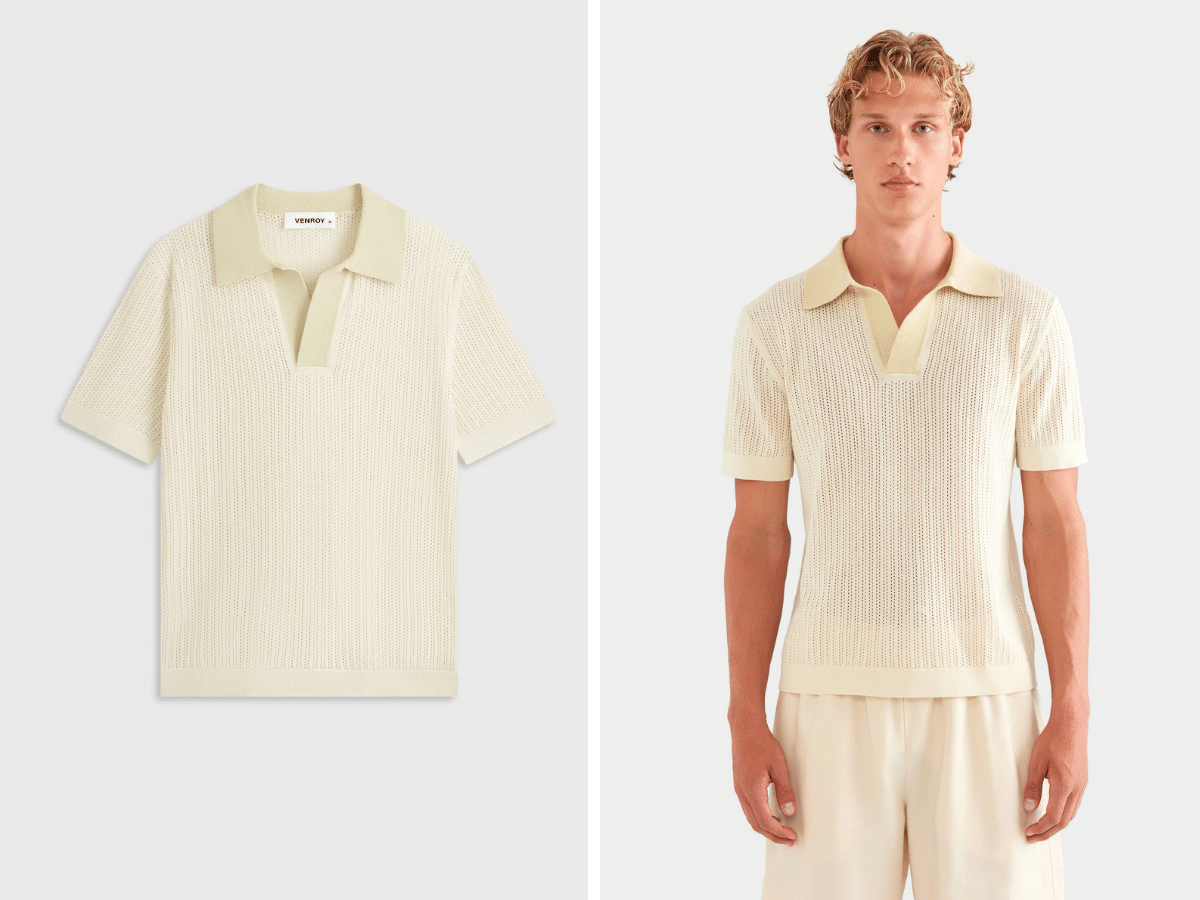
Knitwear has become the primary vehicle for the "butter yellow" movement. Brands like Venroy and Reiss have introduced open-stitch polos and textured knits that emphasize breathability and tactile luxury. The Venroy knit polo, crafted from 100% cotton, utilizes a desaturated lemon hue that bridges the gap between white and yellow. This specific shade is particularly effective in the "Riviera style" segment, where it is paired with linen trousers and loafers to create a sophisticated, warm-weather silhouette.
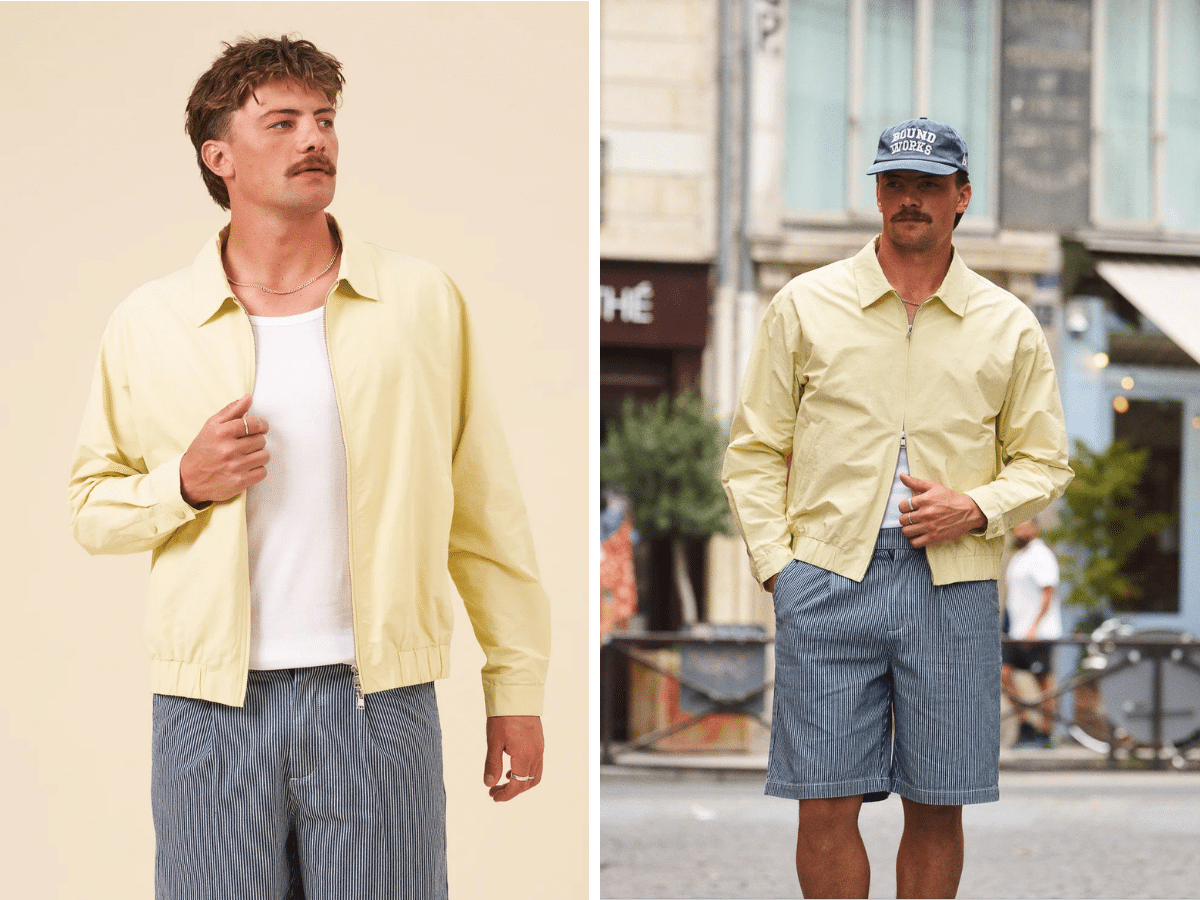
3. Technical Outerwear: The bound Botha Ripstop Harrington
In the streetwear and utility sectors, yellow is being utilized in more robust fabrics. The Botha Ripstop Harrington jacket by the label bound demonstrates how yellow can be applied to durable materials like ripstop. This move toward "utility yellow" mirrors the aesthetics of high-visibility workwear but repositions it for an urban environment. The Harrington silhouette—a staple of British subculture—is modernized through this bold color choice, appealing to a younger demographic that favors high-contrast, streetwear-inspired looks.
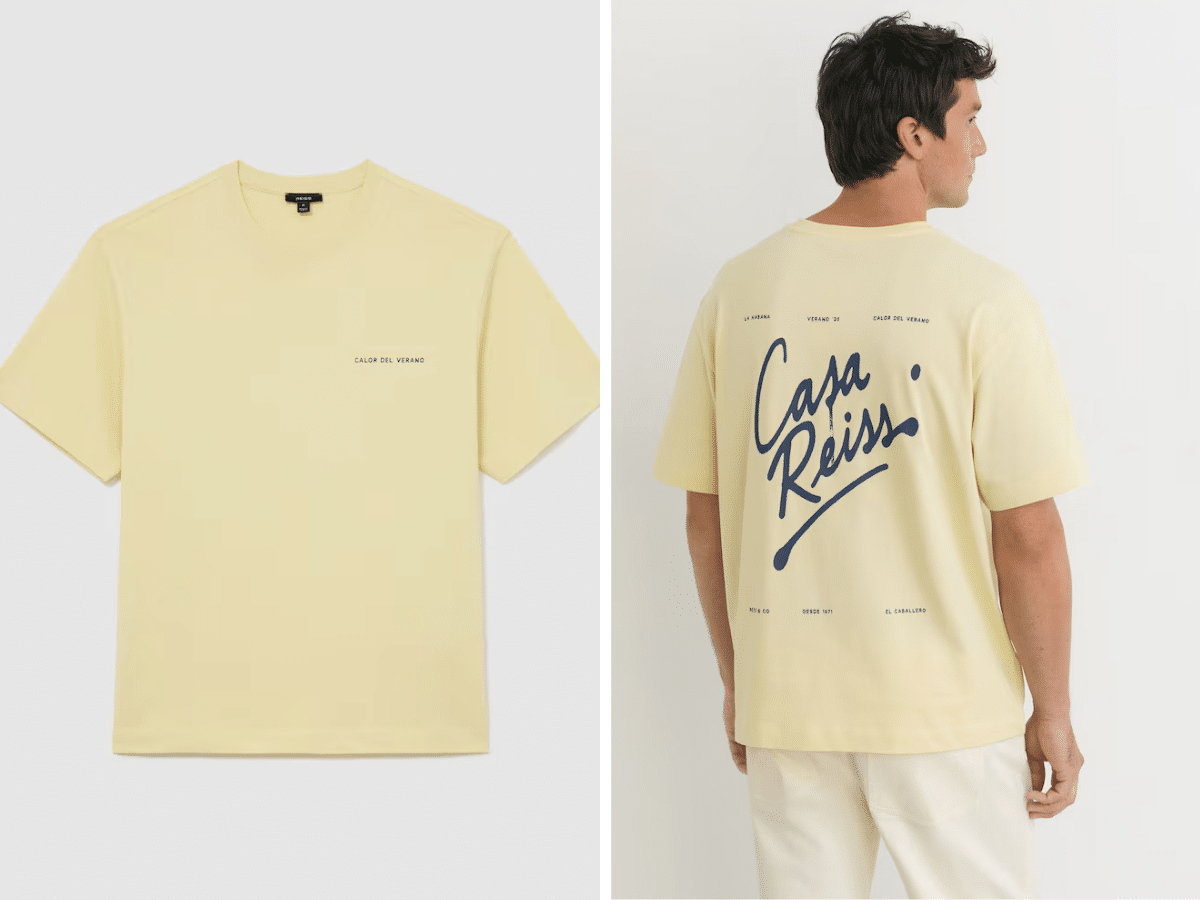
4. Casual and Graphic Apparel: Reiss and Sandro
The graphic T-shirt segment has also seen a yellow influx. The Reiss "Casa" T-shirt utilizes yellow through subtle branding and spray-paint style logos, catering to consumers who prefer minimalist graphics. Similarly, the French label Sandro has introduced horizontal stripes in yellow tones, applying a Parisian aesthetic to the trend. These pieces suggest that yellow is being integrated into the "everyday basics" category, rather than being reserved solely for high-fashion statements.
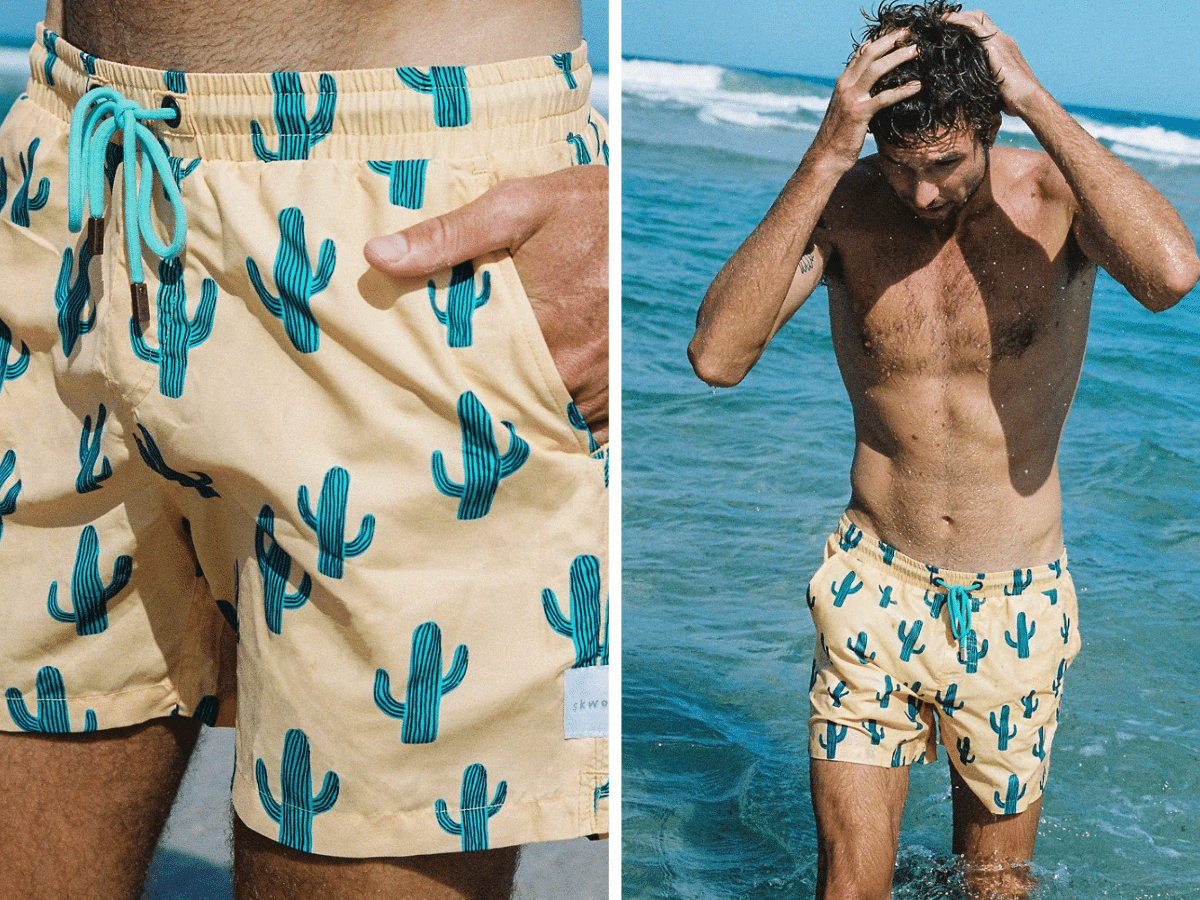
5. Lifestyle and Swimwear: Skwosh and bound
In the Australian market, domestic brands like Skwosh and bound are leveraging yellow for the beach and poolside sectors. Skwosh’s "Cactus Jack" swim trunks utilize a sun-baked yellow that complements the coastal lifestyle. The brand’s focus on quick-drying fabrics and mid-thigh lengths reflects a broader consumer preference for "transitional" swimwear—pieces that can be worn from the surf to a social setting without appearing out of place.
The Rise of Yellow Accessories: A Low-Risk Strategy
For many consumers, the full commitment to a yellow garment remains daunting. As a result, the accessories market has seen a surge in yellow-tinted and yellow-framed products. This "hit of color" strategy allows for trend participation with minimal financial or aesthetic risk.
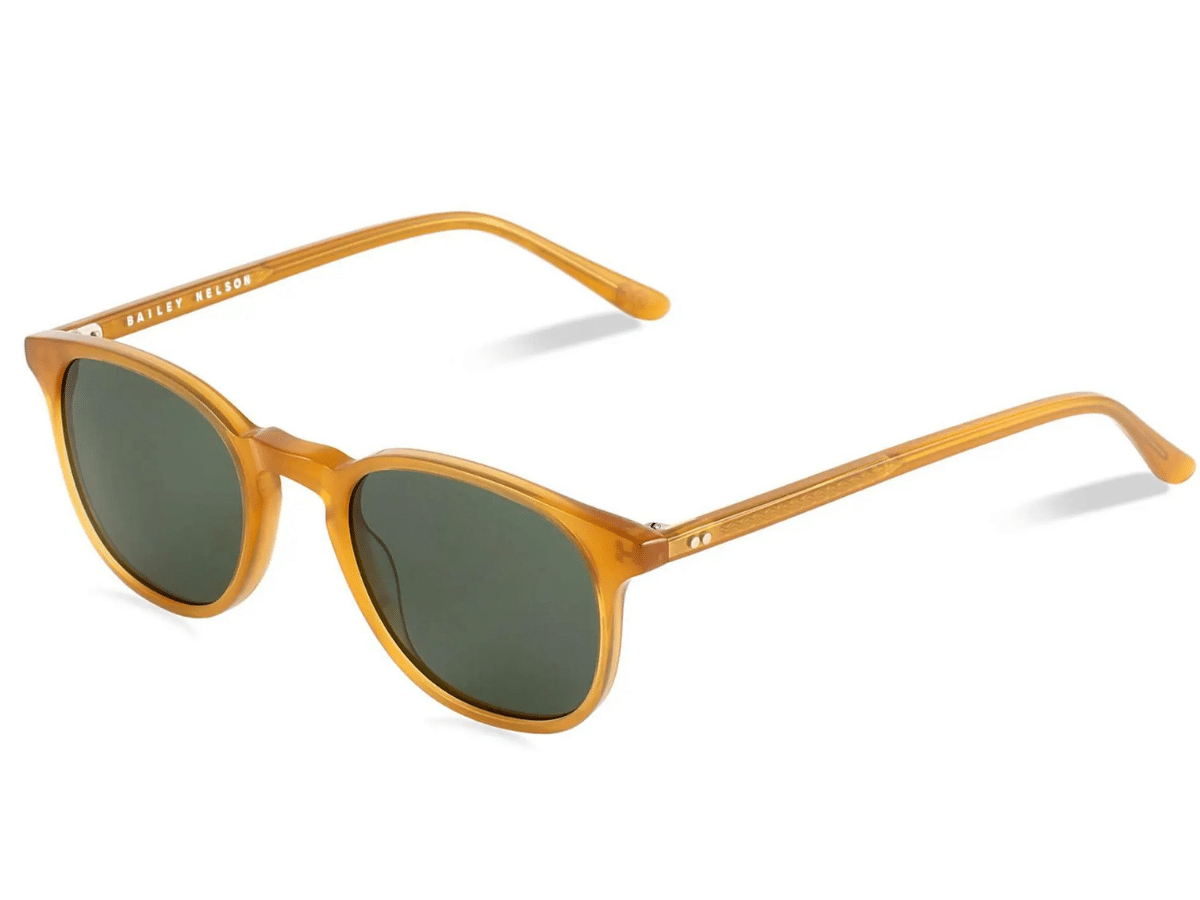
- Eyewear: Brands like Bailey Nelson and Bottega Veneta are leading the charge. Bailey Nelson’s "Palmer" sunglasses utilize a caramel-yellow acetate frame, offering a vintage round shape that provides a subtle pop of color. In the luxury tier, Bottega Veneta has introduced silver metal frames with yellow-tinted lenses, tapping into the 1970s aviator aesthetic that is currently enjoying a revival.
- Headwear: The "dad hat" remains a core accessory for the trend. Labels such as Uncle Ric’s and retail B.Eautiful are producing caps in "mellow yellow" and color-blocked variations. These items are frequently used to "bookend" an outfit, providing a visual connection to other yellow elements like sneakers or socks.
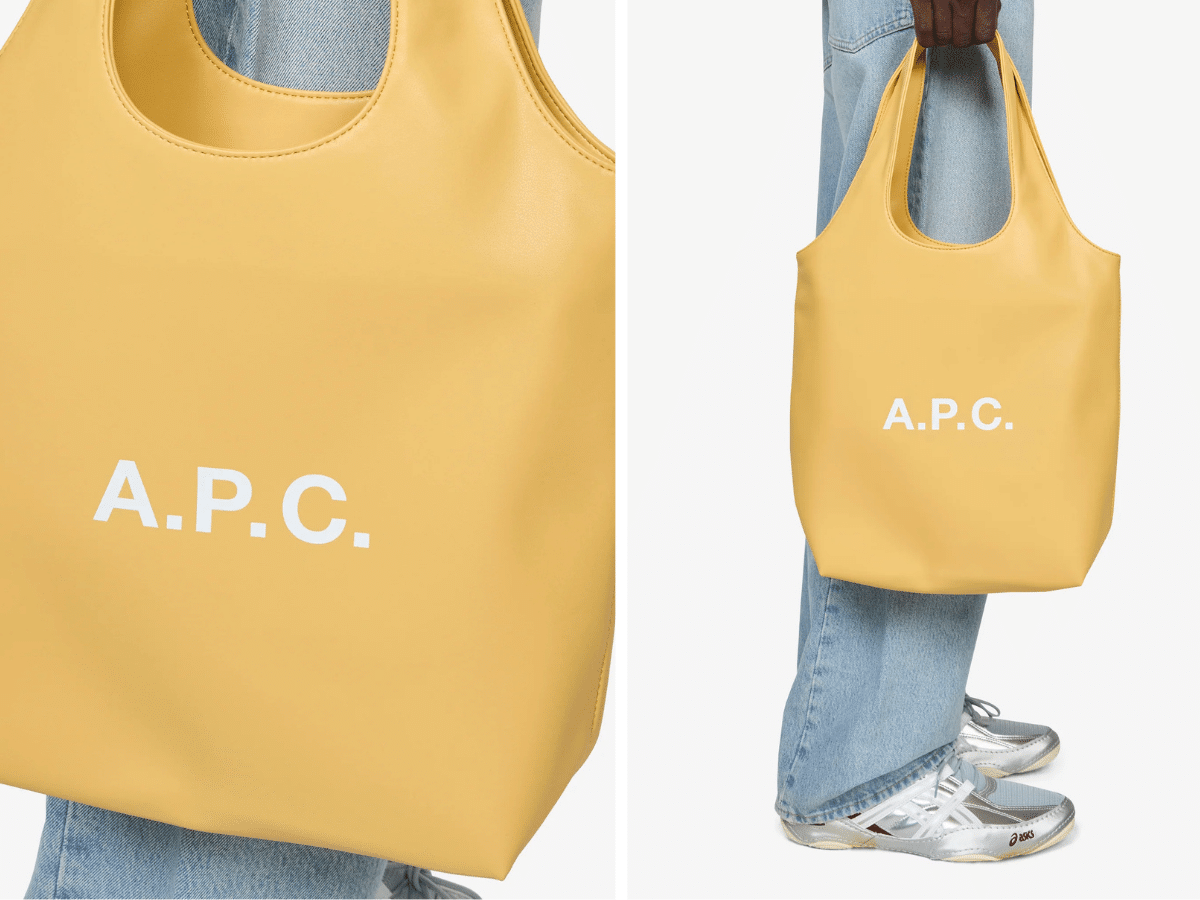
- Leather Goods: The A.P.C. "Ninon" tote, made from recycled faux leather, showcases the application of yellow to sustainable luxury. Its pale lemon hue offers a sophisticated alternative to the standard black or navy tote, catering to the professional who requires a functional carry-all with a modern edge.
Chronology of the Yellow Resurgence
The timeline of this trend can be traced through several key milestones:
- Q3 2024: Major fashion houses debut saffron and butter-toned collections during the Spring/Summer 2025 runway cycle.
- Q1 2025: High-end retailers begin stocking yellow knitwear and accessories, primarily targeting early adopters and influencers.
- Q3 2025: The trend reaches the mass market, with brands like Reiss and Sandro incorporating yellow into their core collections.
- September 2026: Current market saturation where yellow is recognized as a "staple seasonal color" rather than a fleeting fad. Pricing and availability remain stable as the industry prepares for the next shift in the color cycle.
Color Theory: Technical Rules for Implementation
To successfully integrate yellow into a professional or social wardrobe, stylists and industry experts emphasize several fundamental rules of color theory.
Matching Shade to Skin Tone:
The most critical factor in wearing yellow is the relationship between the fabric’s undertone and the wearer’s complexion. Individuals with fair or cool-toned skin are advised to avoid pale, pastel yellows that may lead to a "washed-out" appearance; instead, they should opt for rich mustard, honey, or ochre shades. Conversely, those with olive or darker skin tones can successfully pull off almost any shade, including the most vibrant "high-vis" yellows and delicate buttercreams.
The Neutral Anchor Strategy:
Yellow is most effective when grounded by "anchor" colors. Industry consensus suggests pairing yellow with navy blue, dark denim, olive green, or charcoal black. Navy, in particular, provides a sharp, classical contrast that tames the vibrancy of the yellow.
Butter Yellow as a Neutral:
The most significant development in this trend is the treatment of "butter yellow" as a functional neutral. Because it resides on the same visual plane as cream or off-white, it can be substituted for traditional white shirts or beige trousers, providing a subtle update to classic silhouettes without disrupting the overall harmony of the outfit.
Industry Implications and Future Outlook
The resurgence of yellow carries broader implications for the fashion industry. It marks a shift away from the "safety" of the 2020-2023 period and toward a more adventurous retail environment. For brands, the successful deployment of a "difficult" color like yellow requires precision in fabric selection and shade matching.
Economically, the trend has been a boon for the "smart-casual" sector. As workplaces continue to evolve into more relaxed environments, the demand for "personality pieces"—like a yellow knit polo or a mustard blazer—has increased. This allows consumers to express individuality while remaining within the bounds of professional decorum.
Looking toward 2027, analysts predict that while the intensity of the yellow trend may plateau, the color will remain a permanent fixture in the Spring/Summer palette, much like pink or mint green. The current "yellow wave" has successfully re-educated the male consumer on the versatility of the shade, effectively removing the stigma associated with "high-visibility" fashion.
As the industry moves forward, the focus is expected to shift toward texture and sustainability within the yellow spectrum. The use of recycled synthetics and organic dyes will likely become the next frontier, as seen in the A.P.C. Ninon tote. Ultimately, the story of yellow in the mid-2020s is one of strategic softening—a bold color made accessible through careful design and a deep understanding of consumer psychology. For the modern man, the message is clear: the brightest color in the spectrum is no longer off-limits; it is an essential tool for the contemporary wardrobe.




 Yuyun Lusiyani
 Joko Widodo
 Jia Lissa
 Pevita Pearce
 admin
admin
