
 Lina Irawan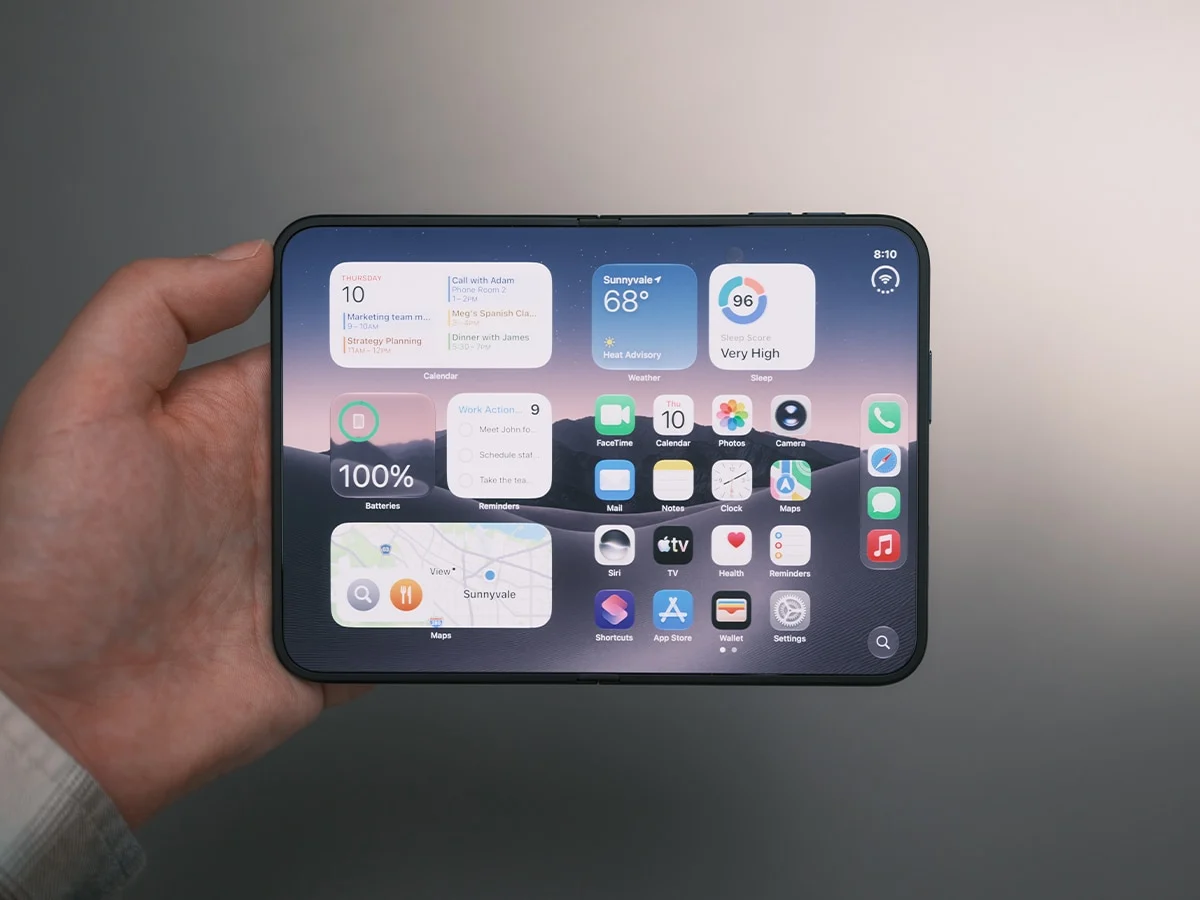
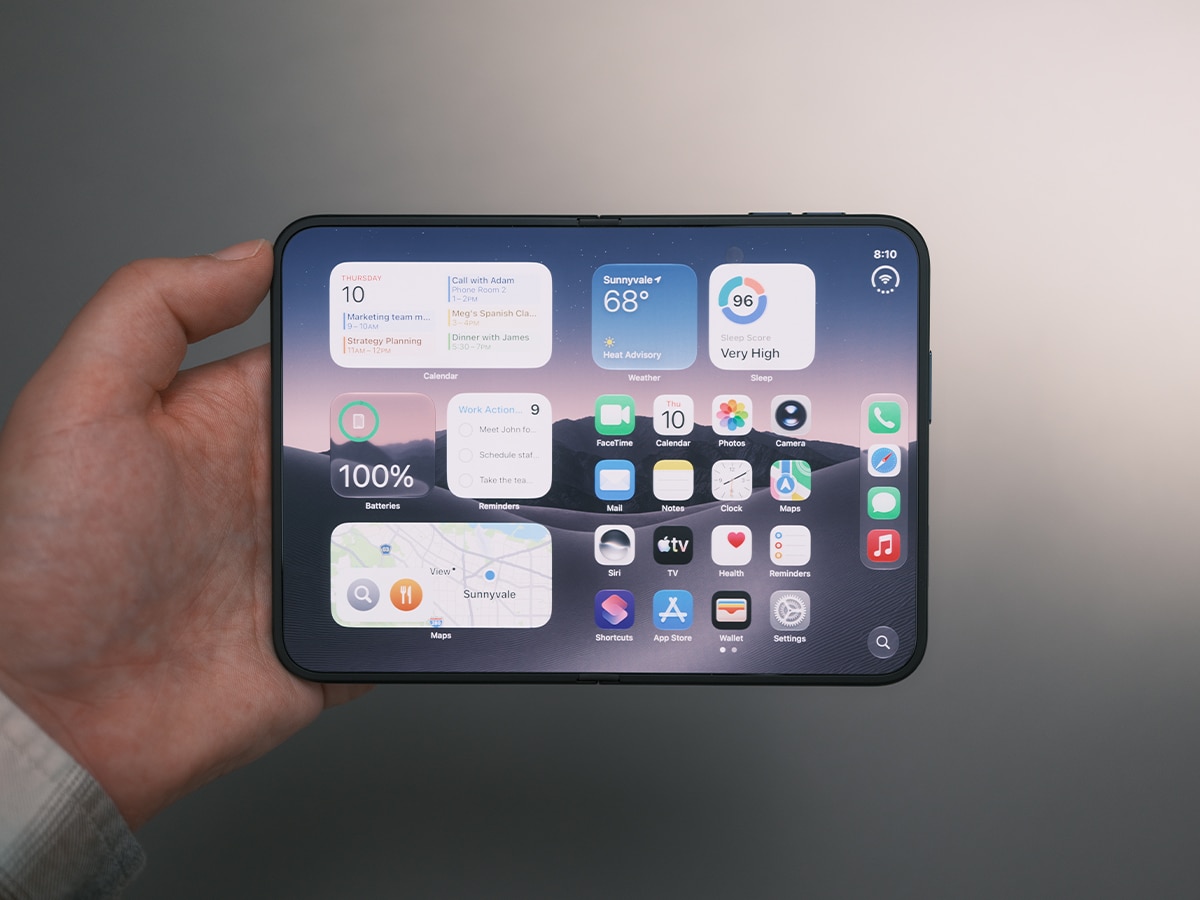
The launch of the iPhone Duo marks the most significant architectural shift in Apple’s smartphone lineup since the introduction of the edge-to-edge display on the iPhone X. As the company’s inaugural venture into the foldable market, the iPhone Duo introduces a unique set of hardware challenges for both users and accessory manufacturers. With a starting price of AUD$3,499 for the base model, the stakes for device protection have never been higher. Unlike the concurrent iPhone 18 series, which maintains a traditional slab form factor with a thickness of 8.75mm, the iPhone Duo measures 11.3mm when folded. This increased depth, combined with the mechanical complexity of a central hinge, necessitates a new generation of protective solutions that account for movement, screen vulnerability, and ergonomic balance.
The Engineering Challenge of Foldable Protection
The transition to a foldable form factor fundamentally alters the requirements for a protective case. Traditional smartphone cases are static shells designed to absorb impact across a rigid frame. In contrast, a case for the iPhone Duo must accommodate a 180-degree range of motion while ensuring that the hinge—the device’s most delicate mechanical component—remains shielded from debris and impact.
Market analysis suggests that the foldable accessory market is divided into three primary philosophies: the "two-piece" approach, which utilizes separate shells for each half of the device; the "bridged" approach, which uses a flexible material to connect the halves; and the "hinge-shield" approach, which employs a mechanical cover that retracts as the phone opens. As consumers navigate the high entry cost of the Duo, manufacturers like Spigen, Mous, and Nomad are racing to provide solutions that balance these engineering hurdles with Apple’s aesthetic standards.

A Chronology of Apple’s Foldable Development
The release of the iPhone Duo is the culmination of over half a decade of research and development. Industry patent filings as early as 2017 suggested that Apple was exploring "flexible display devices with hinge structures." While competitors like Samsung and Google released several iterations of foldable hardware, Apple’s delay was widely attributed to its pursuit of a "creaseless" display and a more durable hinge mechanism.
The eventual debut of the Duo alongside the iPhone 18 series signals Apple’s confidence in the maturity of foldable OLED technology. However, the physical dimensions of the device—specifically the 11.3mm folded thickness—have forced a total redesign of the MagSafe ecosystem. While the Duo remains compatible with Qi2 and MagSafe standards, the weight distribution and hinge clearance require cases with precise magnetic alignment to ensure 25W wireless charging efficiency.
First-Party Solutions: Apple’s Design Philosophy
Apple has introduced two primary accessory options for the Duo, setting the baseline for fit and finish.
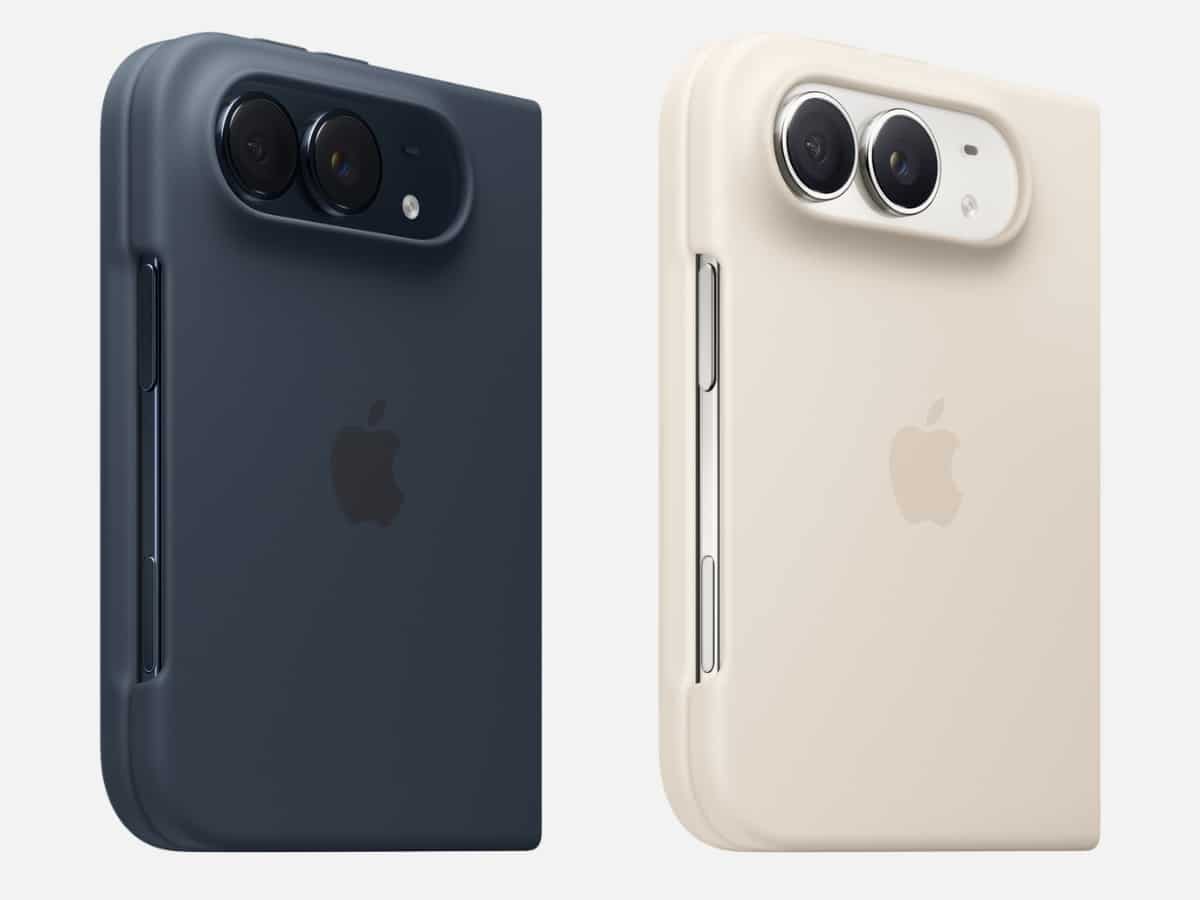
1. The Apple iPhone Duo Case (AUD$119)
This is the standard-issue solution, featuring a minimalist two-part construction. Manufactured from high-grade polycarbonate with a matte finish, it protects the exterior glass panels without obstructing the hinge. It is designed for users who prioritize the original silhouette of the device. The case supports 25W Qi2 charging and integrates seamlessly with the MagSafe ecosystem.
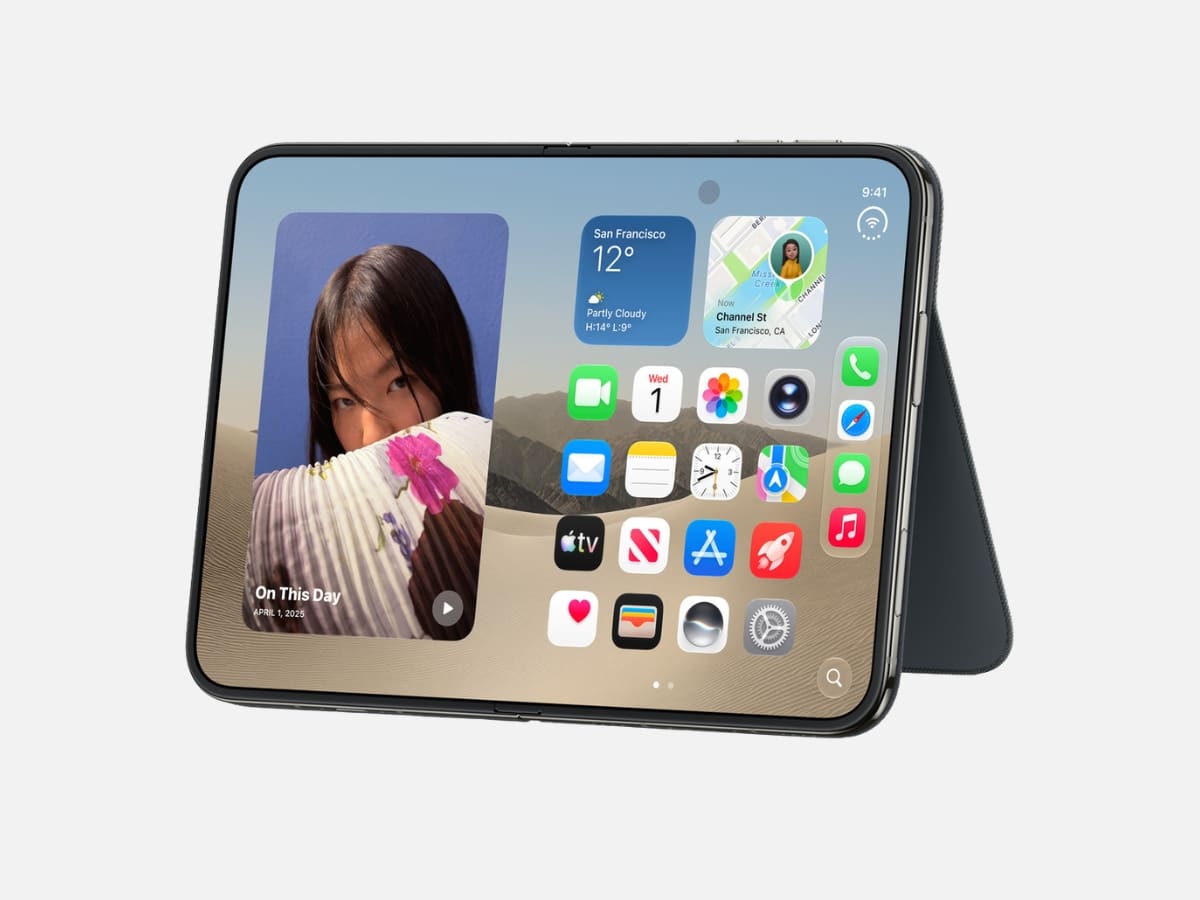
2. The Apple iPhone Duo Folio with Kickstand (AUD$199)
Recognizing that the Duo’s primary value proposition is its expanded screen real estate, Apple’s Folio option utilizes the company’s proprietary TechWoven fabric. This case includes an integrated stand, allowing the device to be propped up for FaceTime or media consumption. The Folio approach offers a more comprehensive wrap-around protection, though it adds a marginal amount of bulk to the already substantial 11.3mm profile.
Third-Party Innovation and Material Science
Beyond the Apple Store, the third-party market is utilizing advanced materials to solve the foldable protection puzzle.
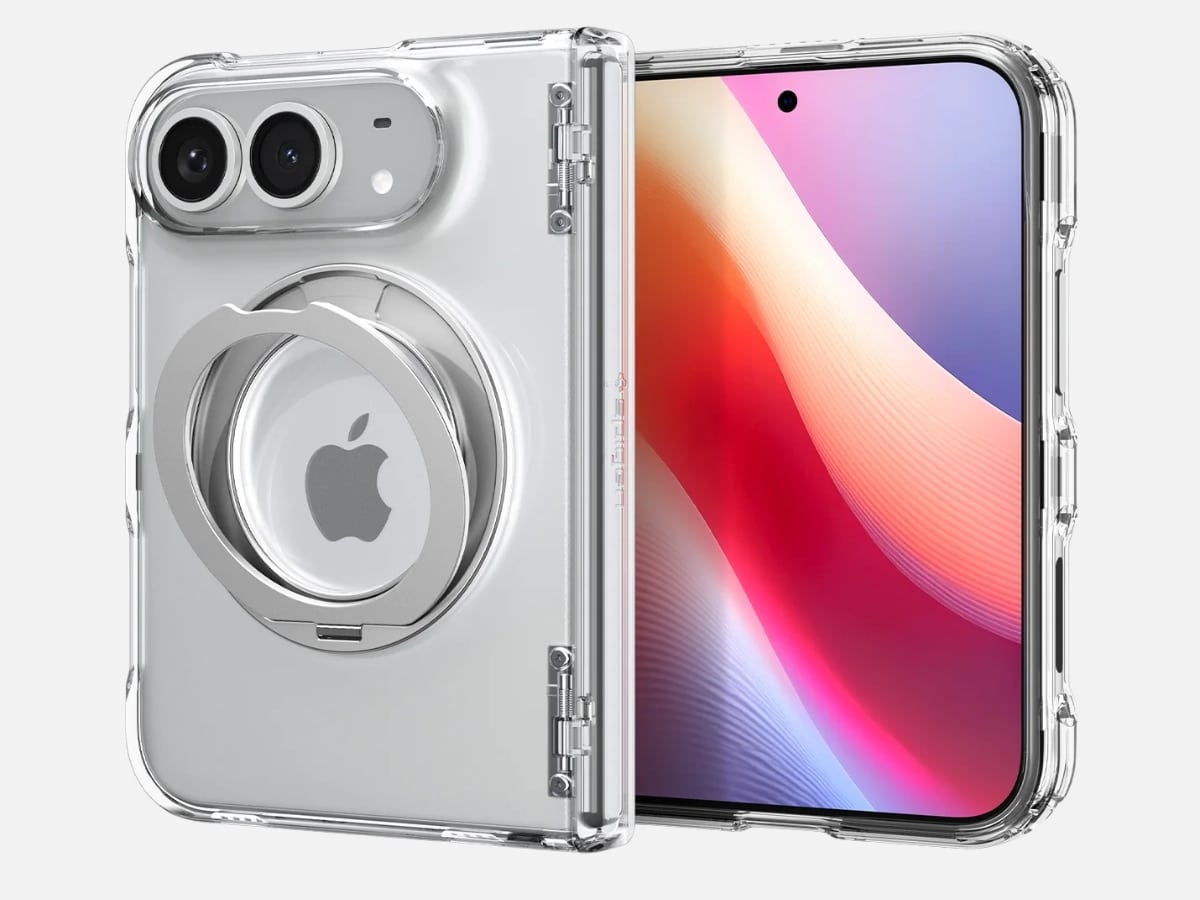
PITAKA Edge Case (USD$59.99)
For users concerned with the "brick-like" feel of a folded Duo, PITAKA has utilized aerospace-grade aramid fiber. At just 0.95mm thick and weighing 15.9g, it is currently the thinnest case on the market. Notably, it features "PitaTap" technology—a capacitive layer that allows Apple’s new Camera Control button to function through the case material without requiring a physical cutout.
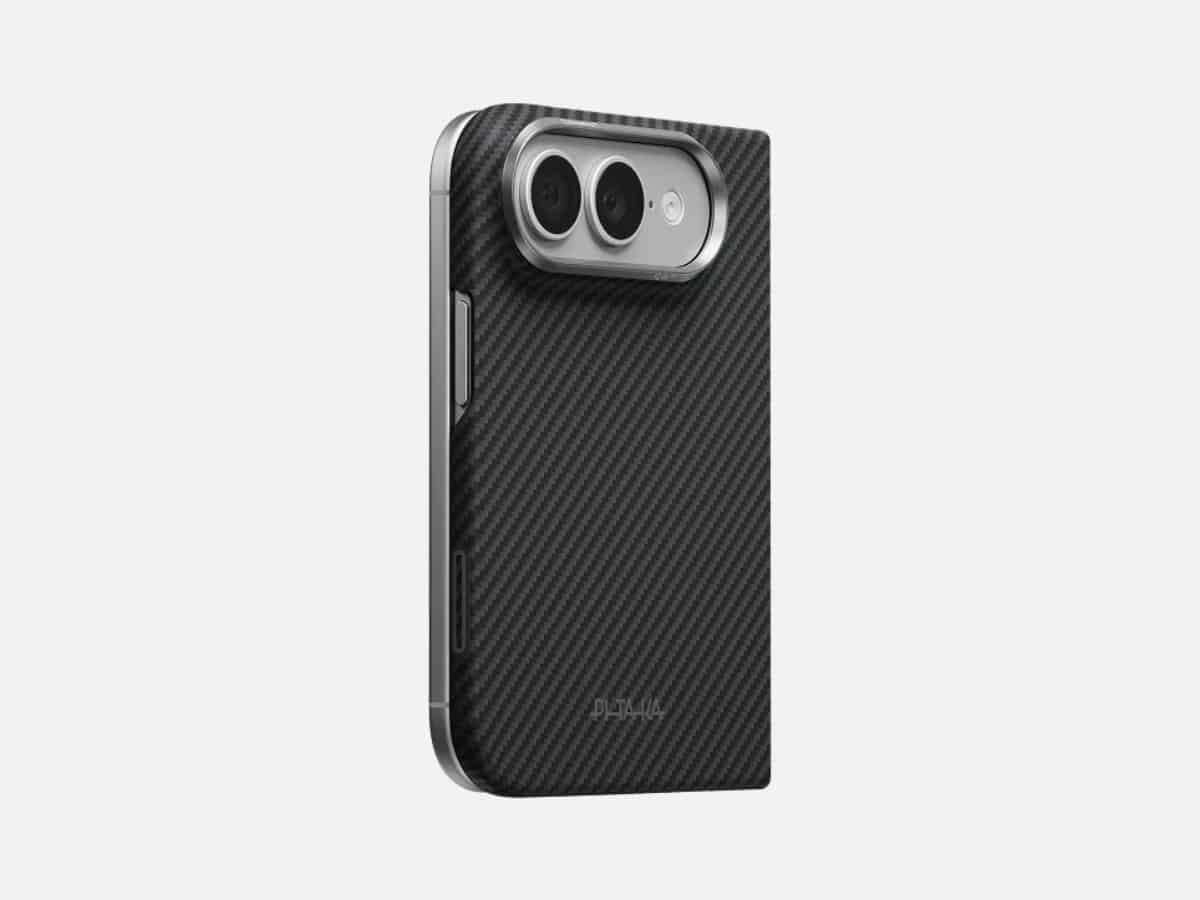
Mous Limitless Fold (USD$98.99)
Mous has adapted its renowned AiroShock technology for the foldable era. The Limitless Fold features a single-piece TPU bridge that covers the hinge, providing a continuous layer of protection that moves in tandem with the device. This addresses a major criticism of two-piece cases, which often leave the hinge exposed to scratches when the phone is stored in a pocket or bag.
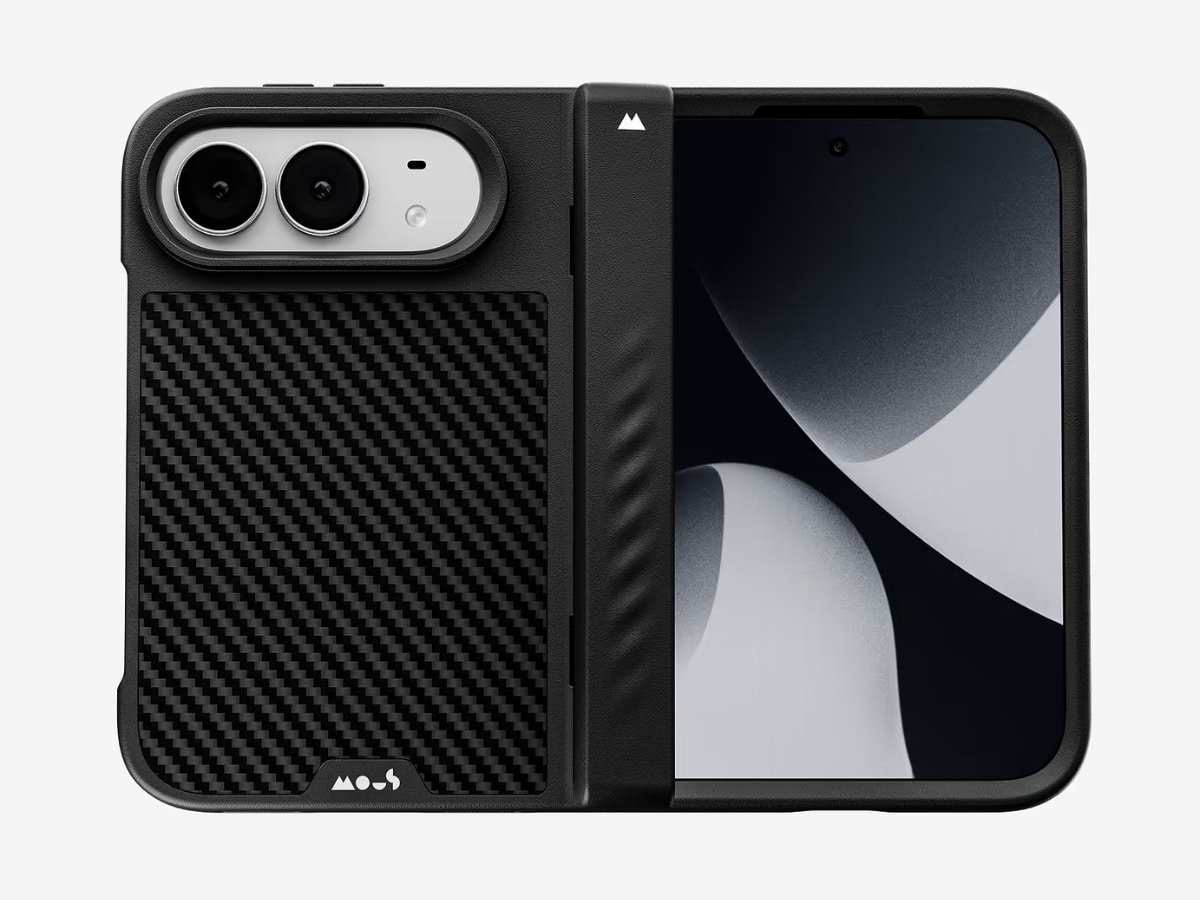
TORRAS Ostand Q3 VegSkin (USD$79.99)
TORRAS focuses on versatility with a 360-degree rotating aluminum kickstand. This allows the Duo to be positioned at various angles in both portrait and landscape modes. Given the Duo’s weight, the stand is engineered with an 18N magnetic hold to ensure stability on MagSafe mounts.
Nomad Traditional Leather Folio (AUD$199)
Nomad continues its partnership with the Horween Leather Company to offer a luxury alternative. This case is designed to develop a natural patina over time, appealing to users who view the iPhone Duo as a long-term investment. It includes two card slots, effectively allowing the device to replace a traditional wallet, though it eschews the rugged drop ratings found in more technical cases.
Technical Data: Comparing Protection and Profile
| Case Model | Material | Weight | Hinge Protection | Price (approx. AUD) |
|---|---|---|---|---|
| Apple Duo Case | Polycarbonate | Mid-range | None (Exposed) | $119 |
| PITAKA Edge | Aramid Fiber | 15.9g | None (Slim focus) | $90 |
| Mous Limitless | TPU/Polycarbonate | 41.5g | Full (TPU Bridge) | $150 |
| TORRAS Ostand | VegSkin/Silicone | 53.7g | Partial | $120 |
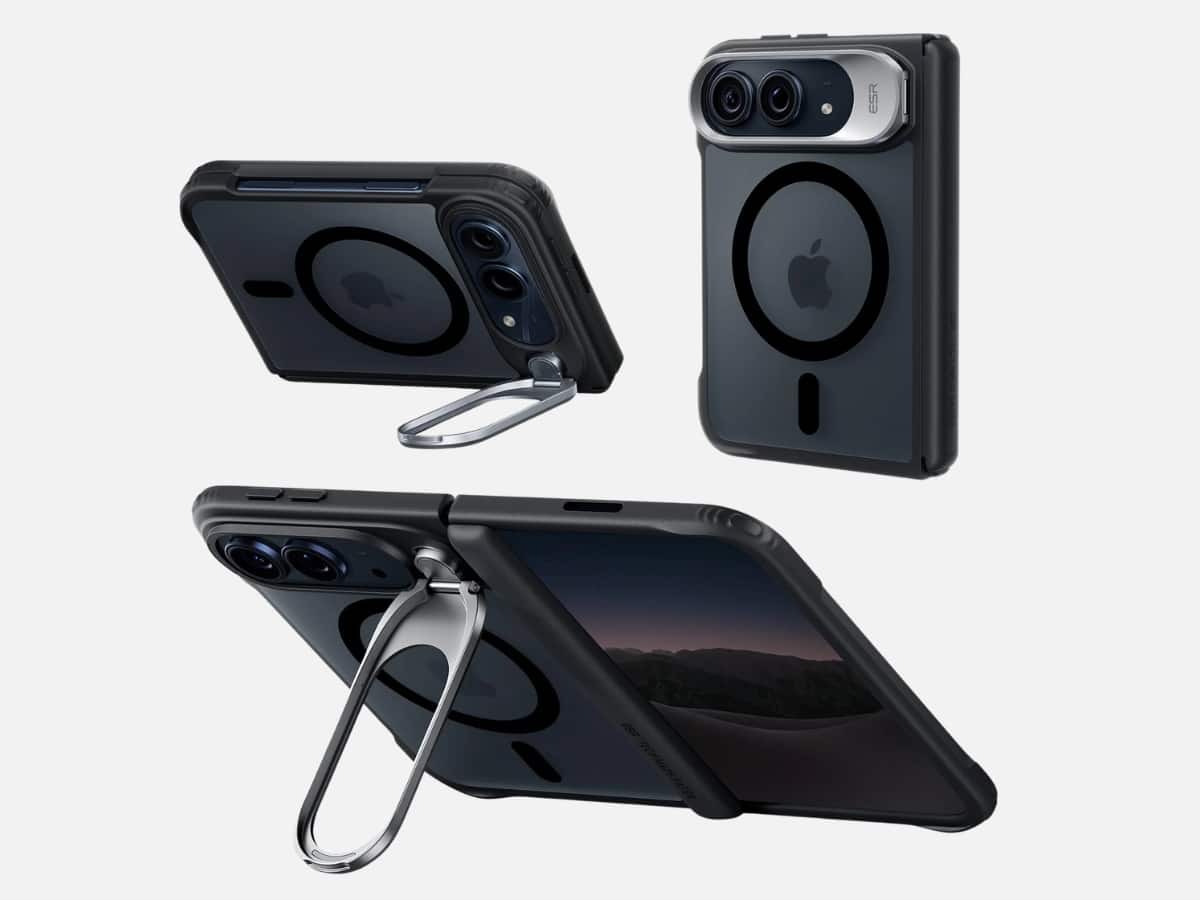
| ESR Classic | Hybrid PC/TPU | Mid-range | Enhanced | $71 |
| Nomad Folio | Horween Leather | High | Full Wrap | $199 |
Industry Reactions and Market Implications
The high price of the iPhone Duo has created a lucrative secondary market for premium protection. Analysts from the Consumer Technology Association (CTA) suggest that foldable phone users are 40% more likely to purchase a case priced above $70 compared to standard smartphone users. This is driven by the perceived fragility of the folding screen and the high cost of out-of-warranty repairs.
Furthermore, the introduction of the Duo has forced a standardisation of "Hinge Protection" as a marketing term. In the early days of the Samsung Galaxy Fold, many cases were criticised for sliding off the device due to the lack of adhesive or mechanical grip. For the iPhone Duo, brands like Speck and Tech21 have introduced "automatic" hinge covers that use spring-loaded mechanisms to ensure the case stays seated regardless of the fold angle.
Broader Impact on the Apple Ecosystem
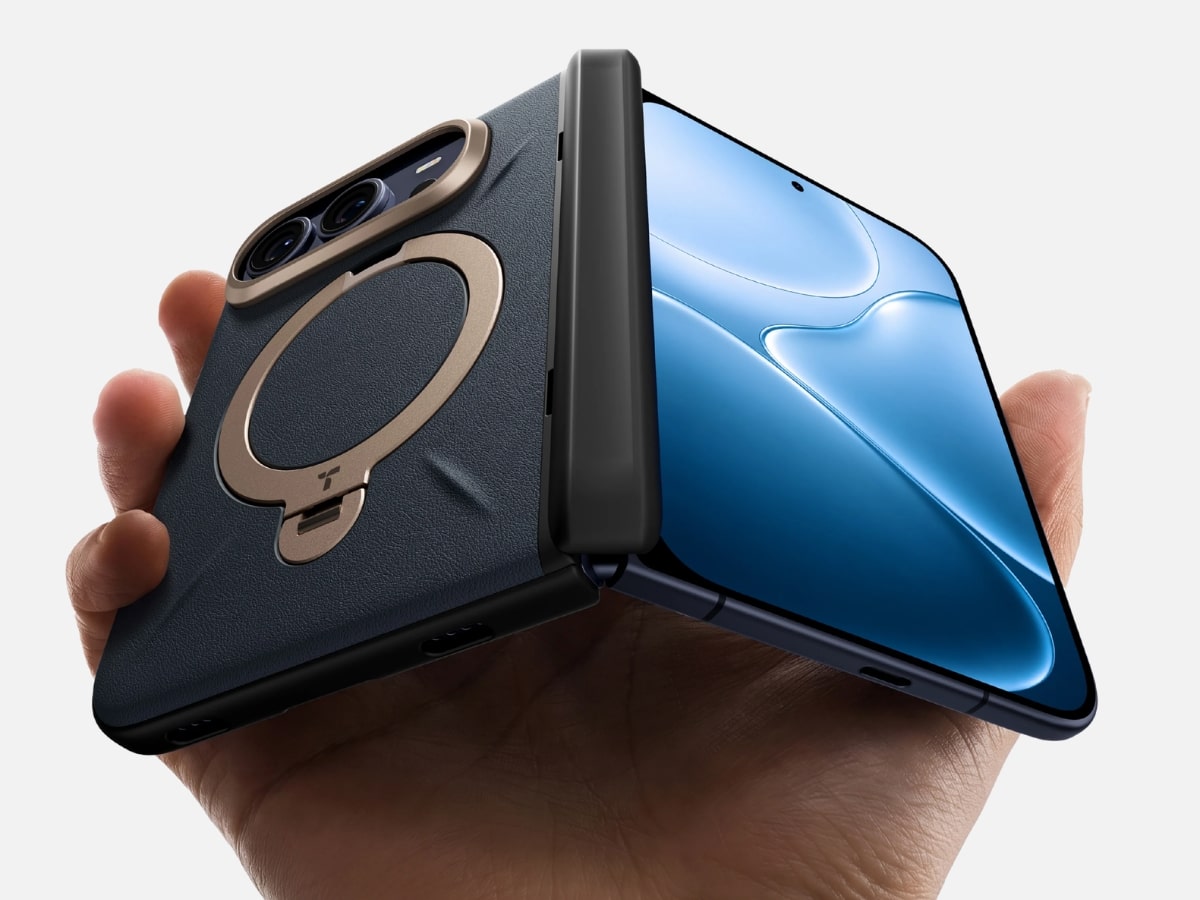
The iPhone Duo’s accessory market is not just about protection; it is about expanding the device’s utility. The prevalence of kickstand-integrated cases suggests that consumers are using the Duo as a hybrid between a phone and a tablet. This shift is expected to influence future software updates, as Apple optimizes iOS for "StandBy" modes that take advantage of these propped-up positions.
Additionally, the environmental impact of these accessories remains a point of discussion. Apple’s shift toward TechWoven and away from leather has set a precedent, but third-party manufacturers like Nomad and TORRAS continue to find success with high-quality animal hides and synthetic "VegSkin." As the Duo matures, the industry expects a greater push toward recycled polycarbonate and bio-based resins to offset the larger carbon footprint of manufacturing foldable-specific components.
Conclusion: Selecting the Right Protection
For the early adopter of the iPhone Duo, the choice of case is a balance of risk management and functional preference. Those seeking the most "Apple-like" experience will likely gravitate toward the first-party Navy Blue or Sand shells. However, for those using the Duo as a primary productivity tool, the mechanical hinge protection of the Mous Limitless or the versatile stand of the TORRAS Ostand Q3 offers tangible benefits that outweigh the added bulk.
As the first generation of iPhone Duo users stress-tests these designs in the real world, the accessory landscape will likely iterate rapidly. For now, the current market offers a robust selection that addresses the primary vulnerabilities of Apple’s most expensive and ambitious handheld device to date. With the base model retailing at AUD$3,499, the investment in a high-quality case is no longer an optional luxury, but a logistical necessity for the modern foldable user.




 Yuyun Lusiyani
 Joko Widodo
 Jia Lissa
 Pevita Pearce
 admin
admin
