
 Lina Irawan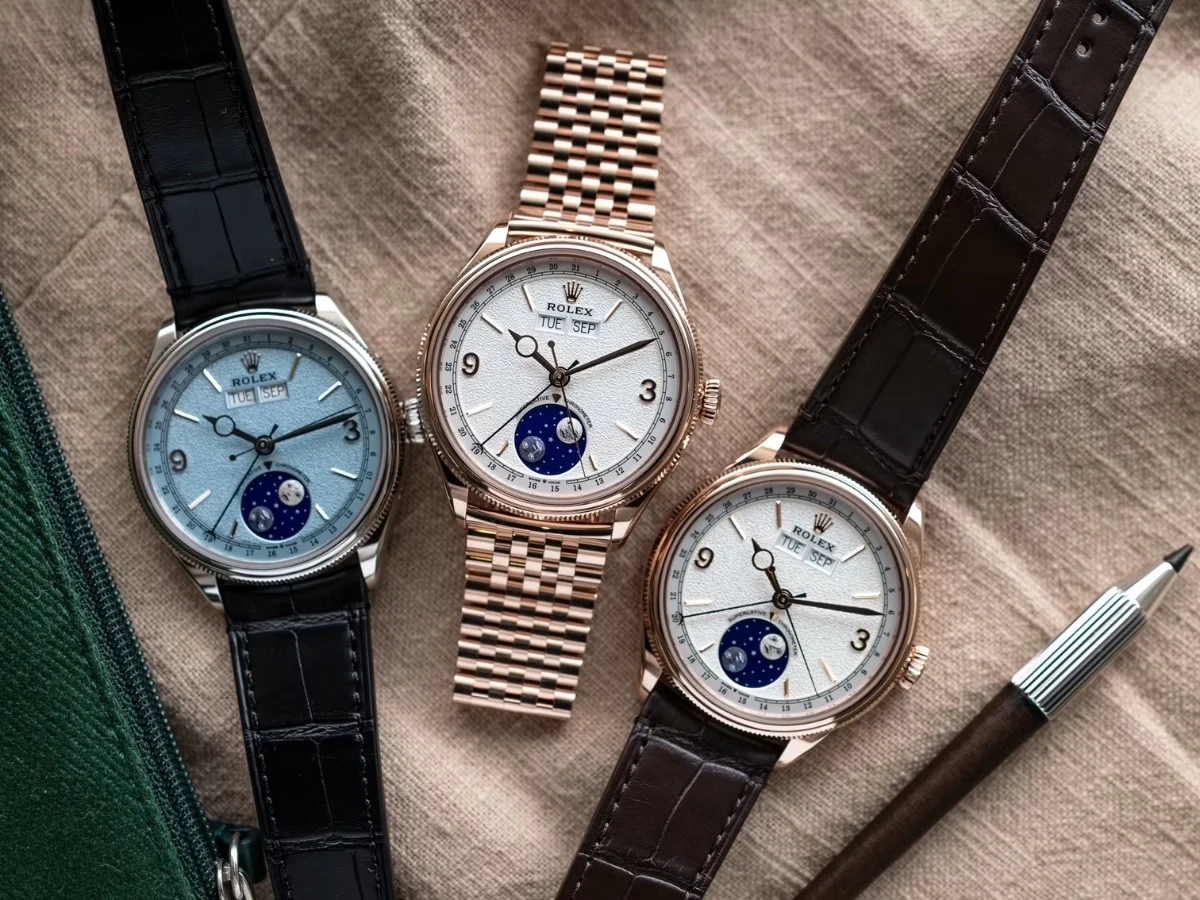
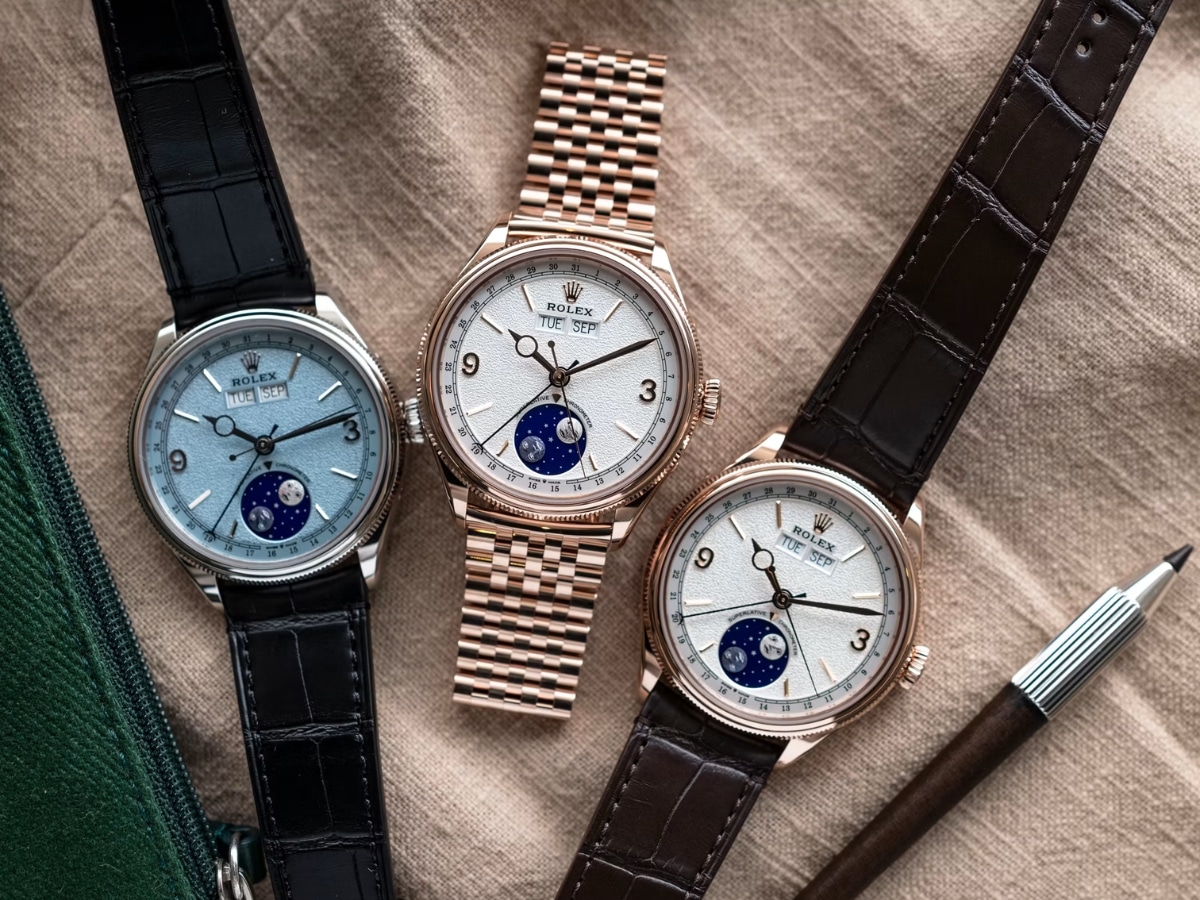
Rolex has officially expanded its Perpetual collection with the introduction of the Perpetual Padellone, a timepiece that signals a profound return to the brand’s high-complication heritage while embracing modern horological engineering. Designated as Reference 53505 in Everose gold and Reference 53506 in platinum, the new model draws direct inspiration from one of the most storied and idiosyncratic references in the Rolex archives: the Reference 8171. Originally released in the early 1950s, the Ref. 8171 was a rare departure for the manufacture, featuring a non-Oyster case and a triple calendar moonphase. Italian collectors, noting its expansive 38mm diameter—unusually large for the era—affectionately dubbed it the "Padellone," or "large frying pan." By resurrecting this name and aesthetic for the 2026 season, Rolex is not merely referencing its past but is actively repositioning the Perpetual line as a serious contender in the high-end dress watch market, traditionally dominated by the likes of Patek Philippe and Vacheron Constantin.
The Perpetual Padellone arrives as the most mechanically sophisticated addition to the Perpetual collection since the line’s successful debut in 2023 with the 1908 model. While the 1908 established a new design language for Rolex dress watches—replacing the long-running Cellini line—the Padellone introduces a level of calendar complexity that has been largely absent from the Rolex catalog for decades. With a retail price starting at approximately USD $59,000 and climbing to over $72,800 for the bracelet-equipped platinum variants, the Padellone is positioned as a flagship offering, blending historical gravitas with a new high-frequency movement.
A Chronology of the Padellone Heritage
To understand the significance of the new release, one must look back to the post-war horological landscape of the late 1940s and early 1950s. In 1949, Rolex introduced the Reference 8171, which, alongside the Reference 6062, represented the pinnacle of the brand’s calendar complications at the time. Unlike the 6062, which utilized the famous water-resistant Oyster case, the 8171 featured a "snap-on" back and a more classical, slender profile. Its 38mm size was revolutionary, earning it the "Padellone" moniker among the Italian "cognoscenti" who have historically dictated much of the vintage Rolex nomenclature.
Production of the original Padellone was remarkably brief, lasting only until roughly 1952. Because of its non-Oyster construction, many original examples suffered from moisture ingress over the decades, making well-preserved specimens incredibly rare and highly sought after at international auctions. By reviving this specific silhouette, Rolex is tapping into a vein of collector enthusiasm that values the brand’s pre-professional "tool watch" era.
The timeline of the modern Perpetual collection began in 2023 with the launch of the 1908, which introduced the Calibre 7140. This was followed by the expansion of the line in 2024 and 2025, during which Rolex experimented with dial textures and materials. The 2026 launch of the Padellone represents the "Phase Two" of this strategy: the introduction of major complications. This follows the 2025 introduction of the Land-Dweller, which utilized the Calibre 7135, providing the architectural foundation for the Padellone’s new annual calendar system.

Technical Innovation: The Calibre 7190 and the Haplos System
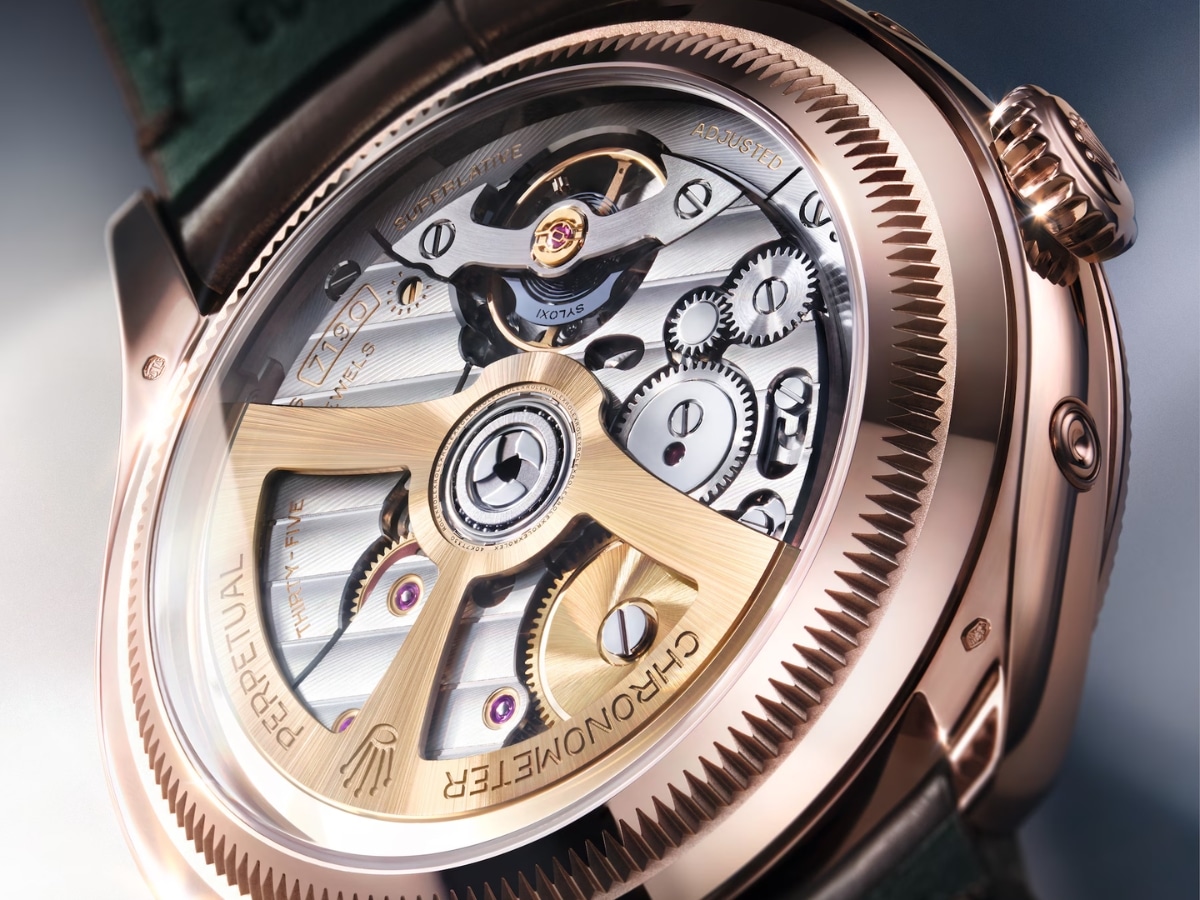
At the heart of the new Perpetual Padellone is the Calibre 7190, a self-winding movement that Rolex asserts is protected by no fewer than 30 patent applications. This movement represents a significant technical departure from the standard 4Hz (28,800 vibrations per hour) movements found in the Submariner or GMT-Master II. The Calibre 7190 operates at a high frequency of 5Hz, or 36,000 vibrations per hour. This increased beat rate theoretically allows for greater precision and more stable timekeeping, as the balance wheel is less affected by external shocks.
The defining feature of the Calibre 7190 is the "Haplos" annual calendar system. In horology, an annual calendar is a complication that automatically distinguishes between months with 30 and 31 days. Unlike a standard date display, which requires manual correction five times a year, an annual calendar only requires adjustment once—at the end of February. Rolex engineers designed the Haplos system to be exceptionally efficient, reportedly requiring only two additional components beyond a standard calendar to achieve this functionality.
Furthermore, the Padellone features an instantaneous jumping mechanism. At the stroke of midnight, the day, month, and date indicators click forward simultaneously. This is a considerable engineering feat, as it requires the movement to build and release a specific amount of energy at a precise moment, avoiding the "lazy" or slow-dragging transitions seen in many other calendar watches. The movement also incorporates Rolex’s proprietary Dynapulse silicon escapement and a Syloxi hairspring, ensuring high resistance to magnetic fields and temperature fluctuations.
Design and Materiality: Refining the "Frying Pan"
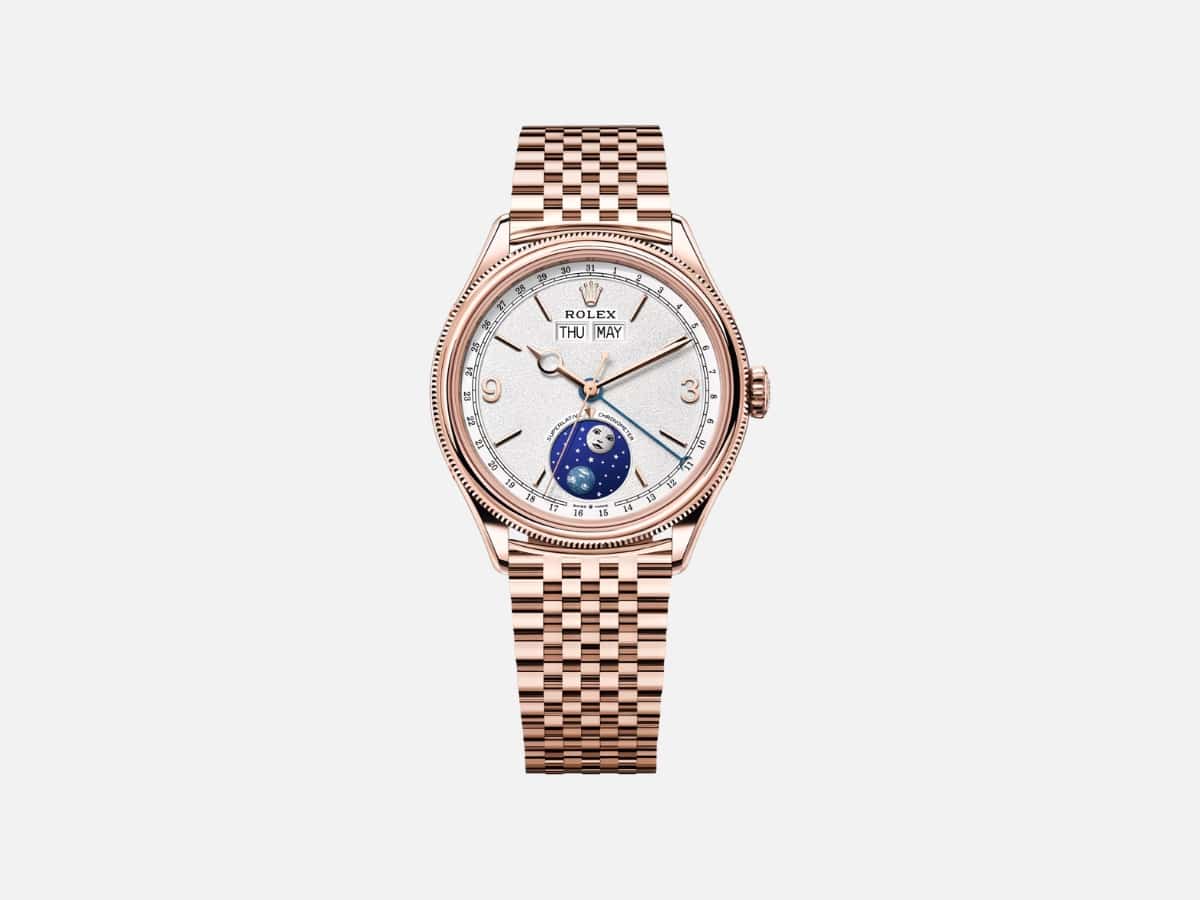
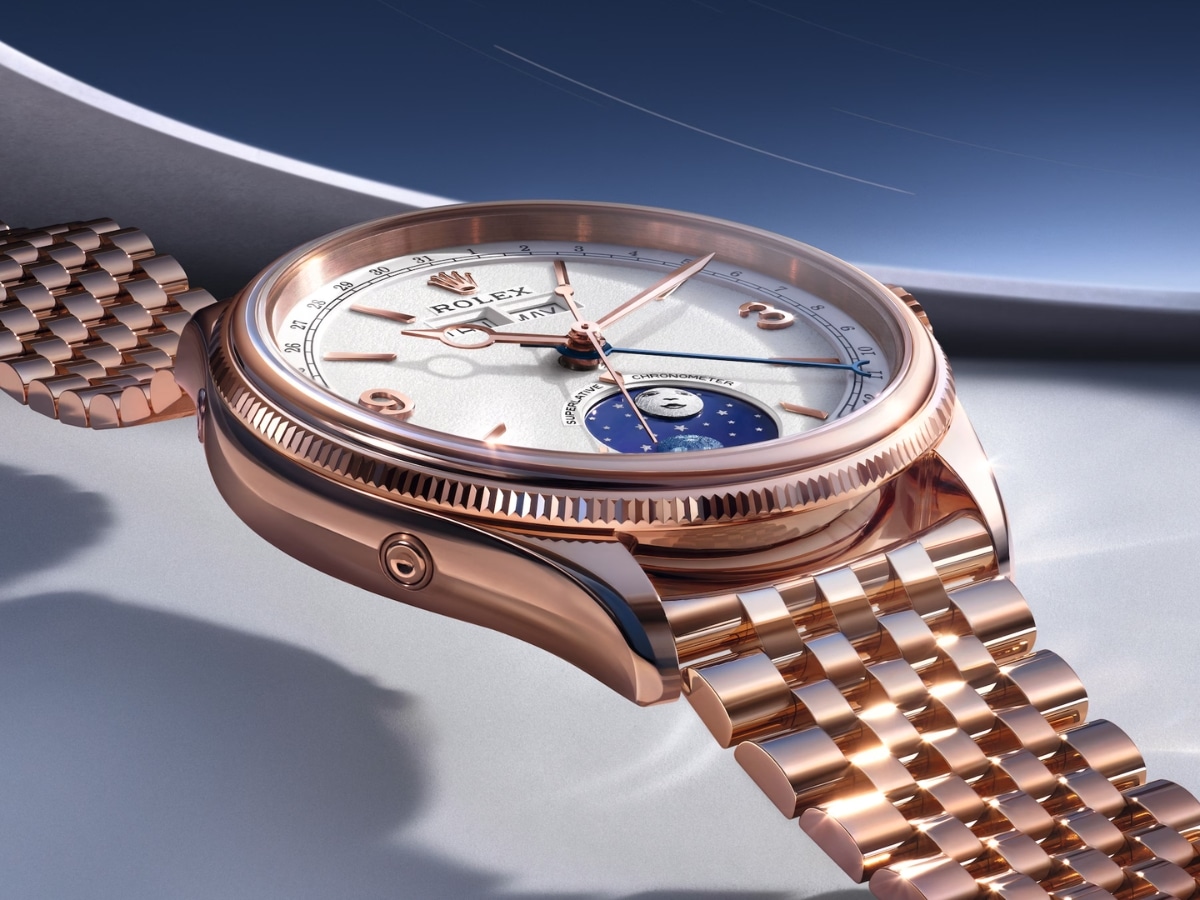
While the original 1950s Padellone was noted for its size, the modern iteration is a masterclass in restrained proportions. The 39mm case is crafted from either 18-carat Everose gold or 950 platinum. The bezel is a sophisticated "double" design, featuring a domed upper section and a finely fluted lower section, a signature that connects the Perpetual line to Rolex’s broader aesthetic history.
The dial layout remains faithful to the original Ref. 8171 but with contemporary refinements. Twin apertures at 12 o’clock display the day and month, while the date is indicated by a central "pointer" hand that tracks a 1-to-31 scale around the dial’s periphery. The 6 o’clock position is occupied by a moonphase sub-dial that is as much a piece of art as it is a complication. The moonphase disc is crafted from blue enamel, featuring two moons made from actual meteorite. One moon represents the full moon, while the other, finished in dark blue PVD, represents the new moon. Silver stars are pad-printed onto the enamel, creating a celestial display that adds significant depth to the grained dial surface.
For the first time in the Perpetual collection, Rolex is offering a high-complication model on a metal bracelet. The new "Settimo" bracelet is a seven-link design exclusive to this line. It features a concealed "Crownclasp," providing a seamless look that mimics the elegance of a leather strap while offering the durability and presence of precious metal.
Market Positioning and Competitive Analysis
The release of the Perpetual Padellone is a clear indication that Rolex is no longer content to leave the high-complication dress watch sector to its Swiss rivals. With a price point of approximately AUD $83,000 for the gold model on a strap and exceeding $100,000 for the bracelet versions, Rolex is moving into "Haute Horlogerie" territory.
Industry analysts suggest that this move is a strategic response to the shifting tastes of ultra-high-net-worth collectors. While the demand for stainless steel professional models remains high, there is a growing appetite for "stealth wealth" timepieces—watches that offer high mechanical substance in a refined, classical package.
By pricing the Padellone in the $60,000 to $75,000 USD range, Rolex is positioning it directly against the Patek Philippe Ref. 5396 Annual Calendar and the Vacheron Constantin Traditionnelle. However, Rolex brings several competitive advantages to the table, including a longer power reserve (66 hours), a higher frequency movement (5Hz), and a more robust water resistance rating (50 meters) than many of its more delicate peers.
Broader Implications for the Rolex Brand
The Perpetual Padellone signifies a broader shift in the "Crown’s" corporate philosophy. For decades, Rolex was defined by its "Oyster" philosophy—rugged, waterproof, and industrially perfect. The Perpetual line, and the Padellone specifically, proves that the brand is willing to embrace its "non-Oyster" history and showcase its movement finishing. The inclusion of a transparent sapphire caseback—a feature once unthinkable for a standard-production Rolex—allows owners to view the Calibre 7190’s yellow-gold rotor and its "Rolex Côtes de Genève" decoration.
This transparency is more than just aesthetic; it is a statement of confidence. It invites comparison with the finest movements in the world, asserting that Rolex’s engineering is as beautiful as it is functional. As the Perpetual collection continues to grow, it is likely that we will see further complications, perhaps even a return to the split-seconds chronograph or a true perpetual calendar, as Rolex continues to mine its rich history for modern inspiration.
While the "Large Frying Pan" nickname may be humorous, the watch itself is a serious piece of horology. It represents the intersection of vintage charm and futuristic mechanics, ensuring that while the original Ref. 8171 was a rare relic of the 1950s, the new Padellone is set to become a cornerstone of the modern Rolex era. For the few who will secure one, it offers a blend of exclusivity and technical prowess that redefines what a "Perpetual" Rolex can be.




 Yuyun Lusiyani
 Joko Widodo
 Jia Lissa
 Pevita Pearce
 admin
admin
