
 Lina Irawan
The annual unveiling at Apple Park in Cupertino has historically served as the bellwether for the smartphone industry, and the launch of the iPhone 18 Pro and iPhone 18 Pro Max marks a significant pivot in Apple’s hardware philosophy. Moving away from the incremental "camera bump and color" updates of the mid-2020s, the technology giant has introduced a device focused on sustained professional performance and mechanical optical innovation. Under the leadership of CEO John Ternus, Apple’s latest flagship series prioritizes a redesigned thermal architecture and the first mechanical variable aperture in the company’s history, signaling a move toward "unshackled" mobile production for professional creators.
The Evolution of the Pro Series: A Technical Chronology
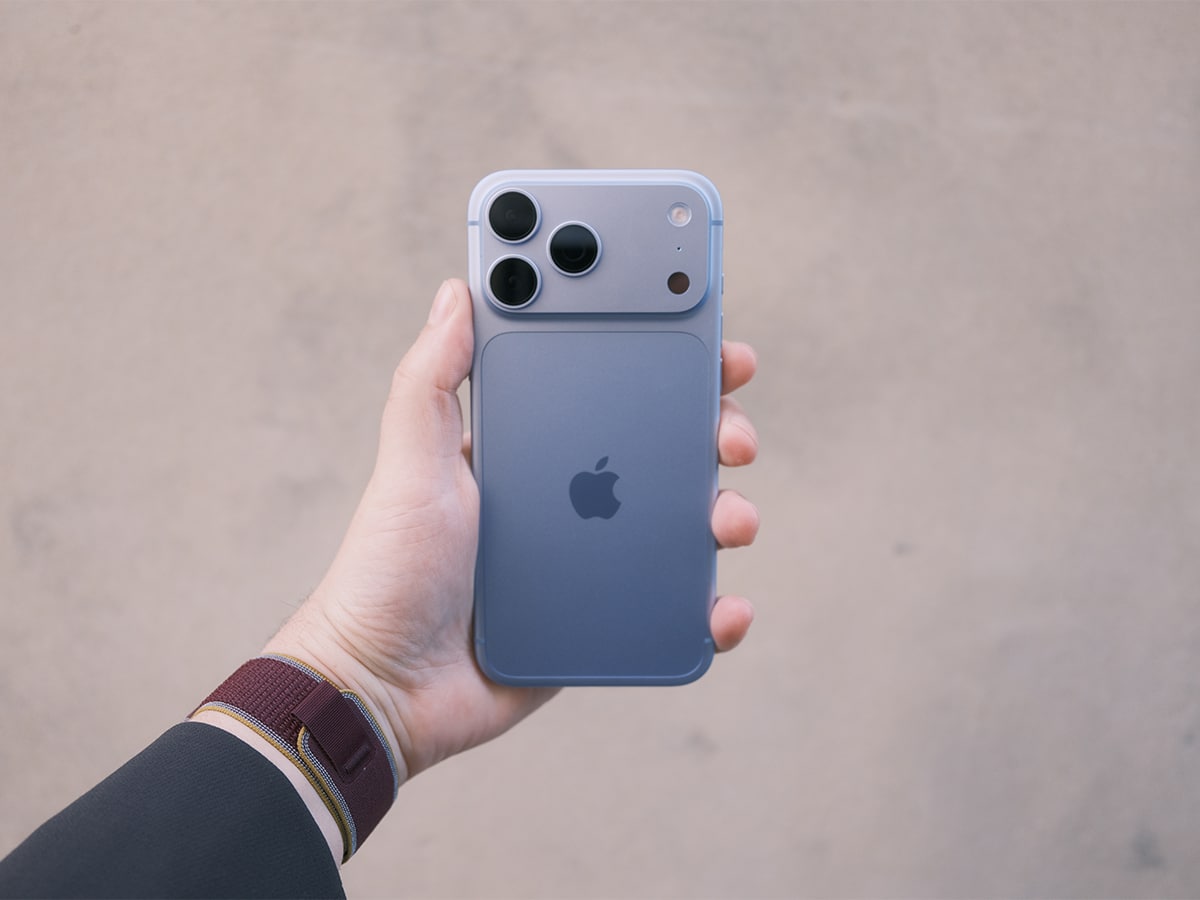
The trajectory of the iPhone Pro line has seen several material and architectural shifts over the last three years. In 2023 and 2024, Apple experimented with titanium frames to reduce weight, but the material’s lower thermal conductivity presented challenges for sustained high-performance workloads. With the iPhone 17 Pro, Apple began a return to heat-forged 7000-series aluminum, a trend that has been perfected in the iPhone 18 Pro series.
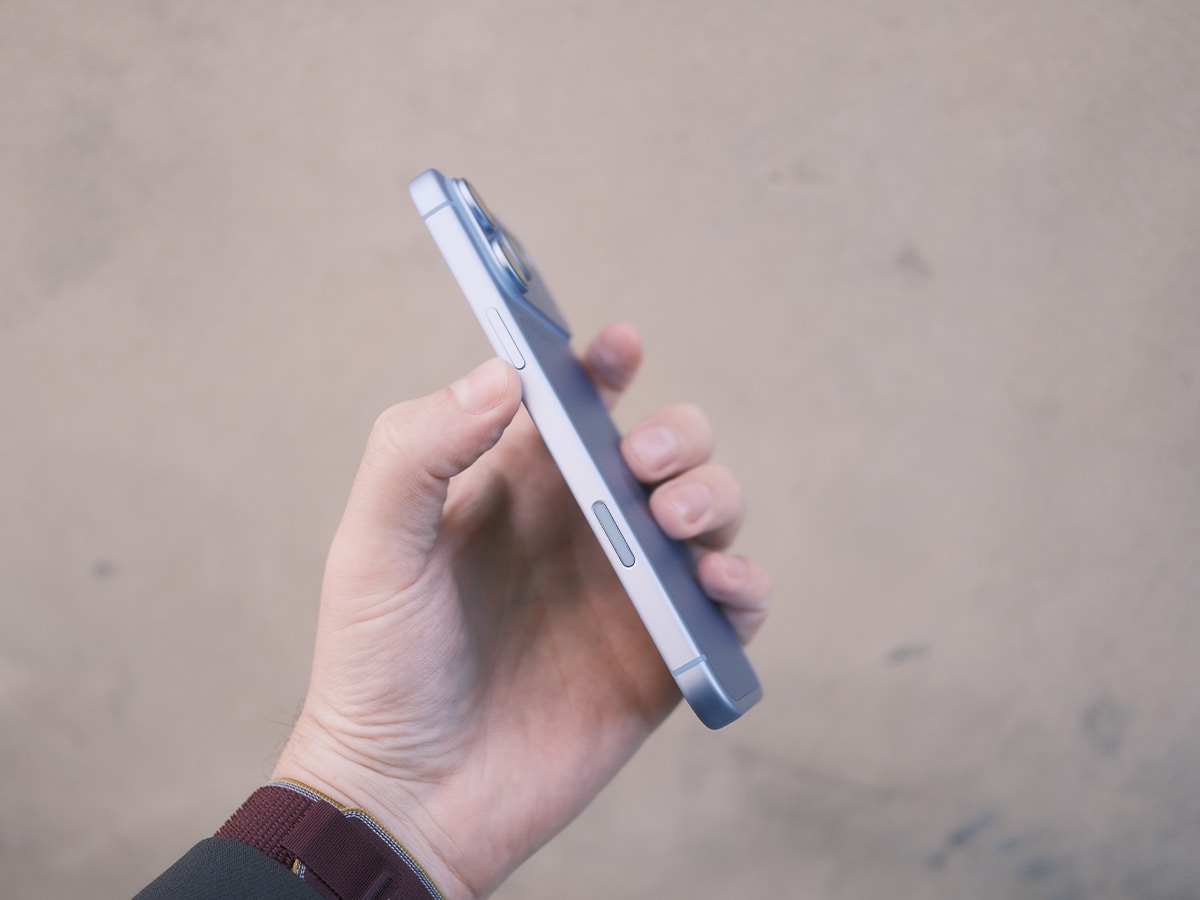
The new internal design is 20 times more thermally conductive than the iPhone 16 Pro. This leap is attributed to a redesigned vapor chamber that features three times the surface area of its predecessor. By embedding this chamber directly into the central structural plane and pairing it with a Nanotwin copper display plate, Apple has achieved a 40 percent gain in sustained performance. This architectural overhaul allows the device to handle heavy video rendering and high-fidelity gaming without the thermal throttling that has historically plagued slim-profile smartphones.

A20 Pro Silicon: The 2-Nanometer Frontier
At the heart of the iPhone 18 Pro is the A20 Pro chip, the first mass-market processor fabricated on an industry-leading 2-nanometer process. The shift to 2nm allows for greater transistor density, resulting in a 6-core CPU that is 50 percent faster than the silicon found in the iPhone 16 Pro. The GPU has been expanded with an additional core, delivering 2.1 times the performance of models from two generations ago.
To support the increasing demands of on-device artificial intelligence, the A20 Pro features dual 16-core Neural Engines. This hardware configuration is designed to facilitate "Siri AI," the next generation of Apple Intelligence. Memory bandwidth has also seen a 50 percent expansion, utilizing an M-series-inspired packaging design where the System-on-Chip (SoC) sits side-by-side with memory to further optimize heat dissipation.
Optical Innovation: The Mechanical Variable Aperture
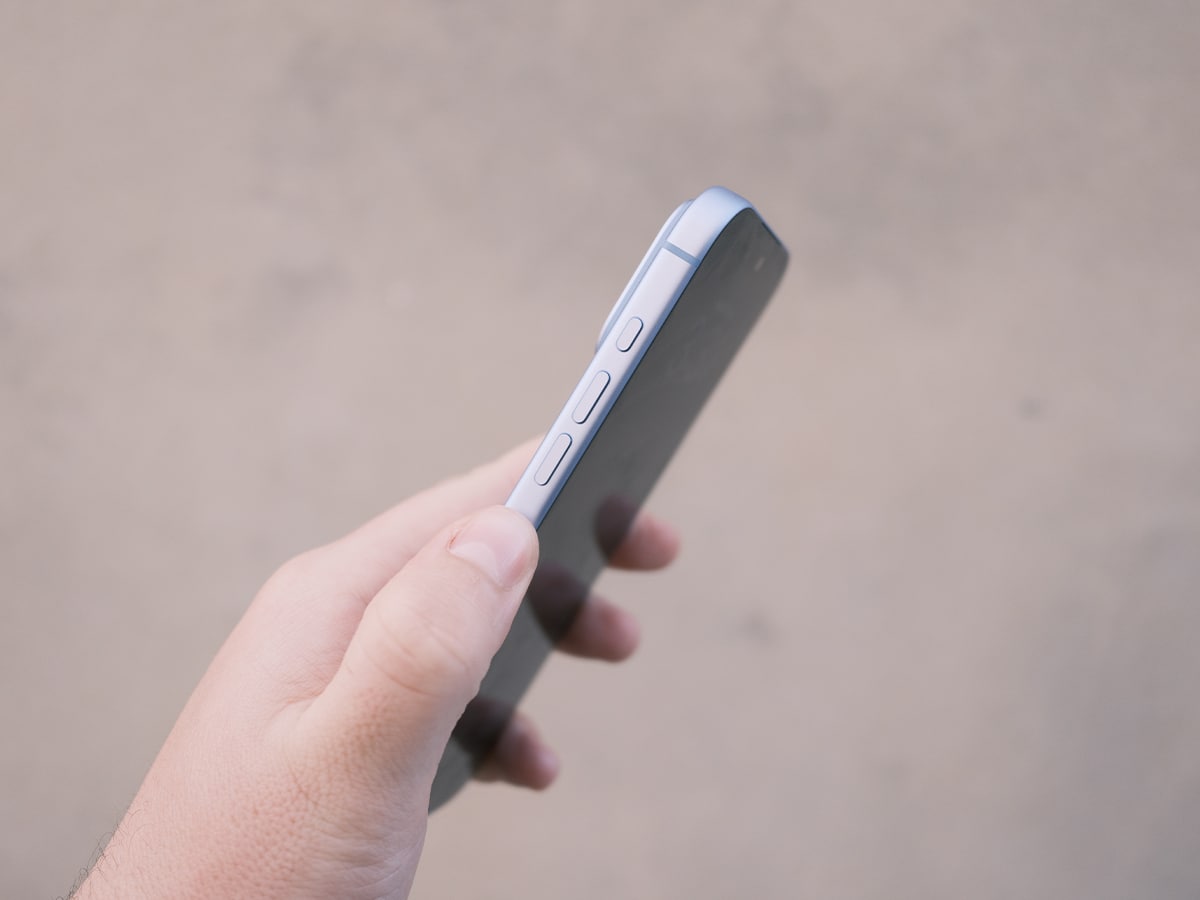
The most significant hardware advancement in the iPhone 18 Pro is the introduction of a true mechanical variable aperture on the 48MP Fusion Main camera. Unlike the fixed apertures of previous models, this new lens mechanism utilizes six laser-cut blades driven by a precision rotor. This allows the camera to physically shift between four distinct apertures: f/1.48, f/1.8, f/2.8, and f/4.0.
This mechanical flexibility offers several advantages:
- Low-Light Performance: At f/1.48, the sensor gathers approximately 50 percent more light than previous standard lenses, significantly reducing noise in Night Mode.
- Depth of Field Control: For group portraits, the system can step down to f/2.8 or f/4.0, ensuring that subjects at different depths remain in sharp focus—a task previously handled solely by software.
- Optical Effects: At f/4.0, the physical shape of the blades creates a natural "stardust" flare effect when pointed at direct light sources, a look previously unattainable on mobile devices without filters.
The rear camera array remains a triple-lens system, but all three sensors—Main, Ultra Wide, and Telephoto—are now 48MP. The telephoto lens utilizes a tetraprism design to offer 4x and 8x optical-quality zoom.
Professional Video and Workflow Integration
The iPhone 18 Pro is increasingly being positioned as a primary tool for documentary filmmakers and journalists. New for this generation is hardware Genlock synchronization support via the Blackmagic Camera ProDock. This enables frame-accurate live broadcast switching and the creation of multi-camera arrays for professional studio environments.
Video recording capabilities have been expanded to include 4K 120fps Dolby Vision, ProRes RAW, and Log encoding using the Academy Color Encoding System (ACES) global standard. The inclusion of "Apple Reference Image" provides a new layer of security for visual purists. At the moment of exposure, the sensor performs a pixel-by-pixel cryptographic signing. This creates a digital negative that allows creators to prove the authenticity of a scene, protecting against AI-generated misinformation.
Connectivity is handled by a USB-C port supporting 10 Gb/s speeds, allowing for direct recording to external SSDs. This is complemented by the new Apple C2 modem, which uses AI to stabilize connection quality while consuming 15 percent less energy than the previous C1X architecture.
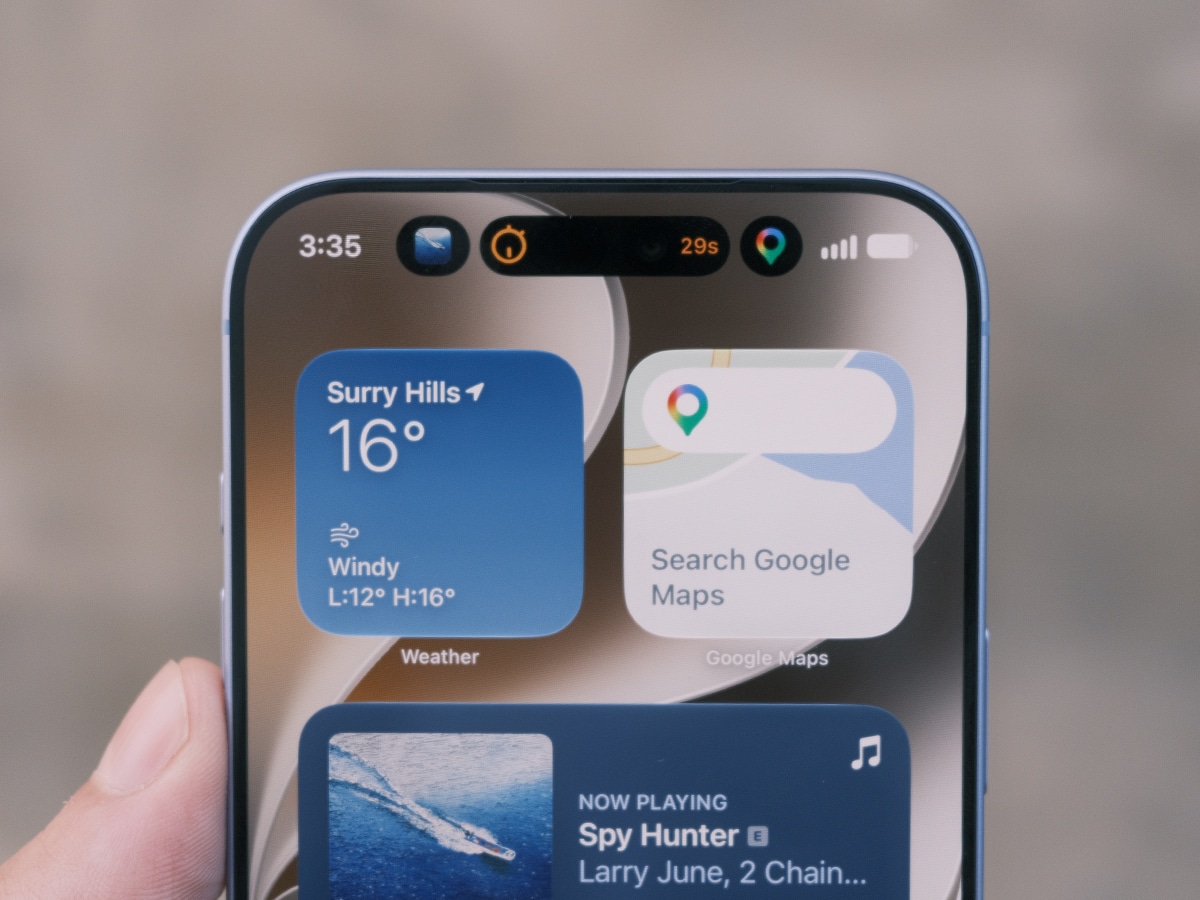
Display and Ergonomics: Refining the Super Retina XDR
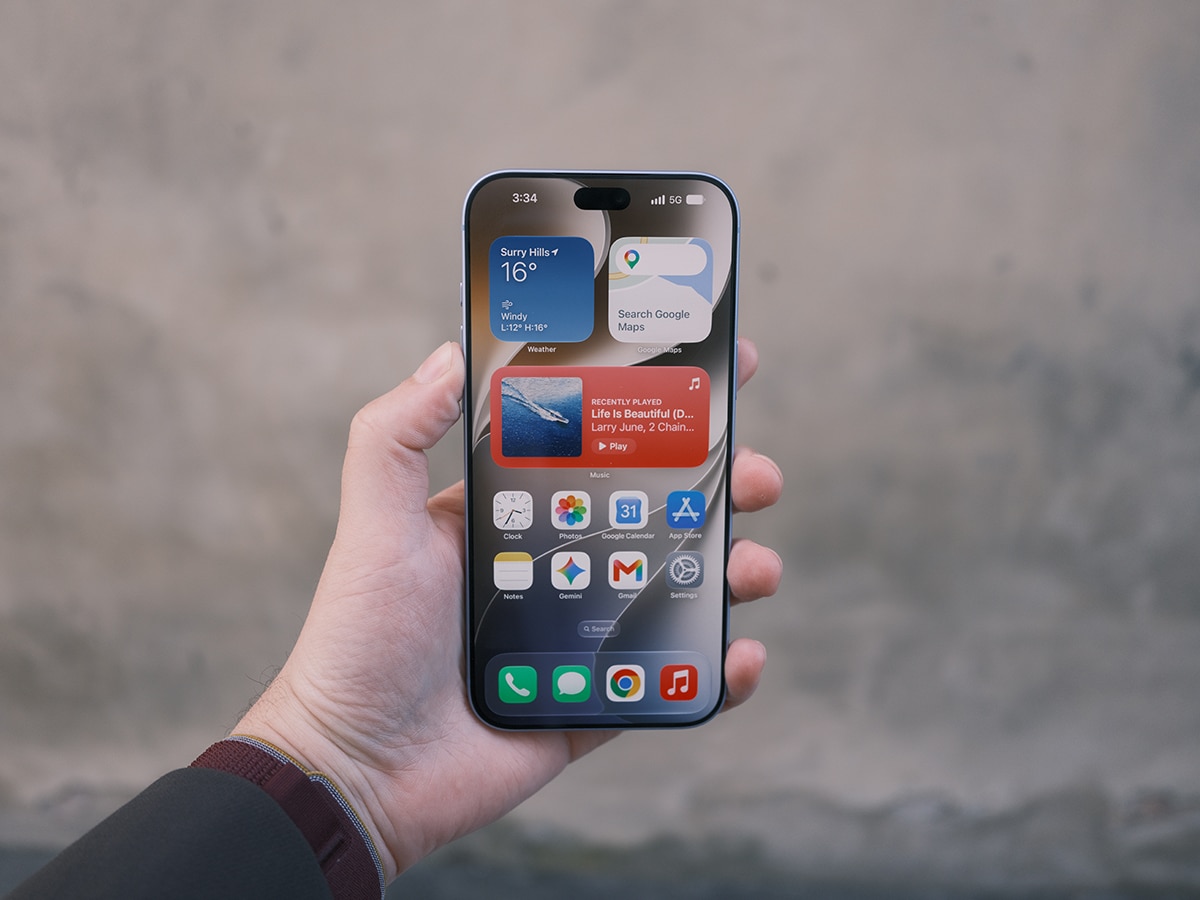
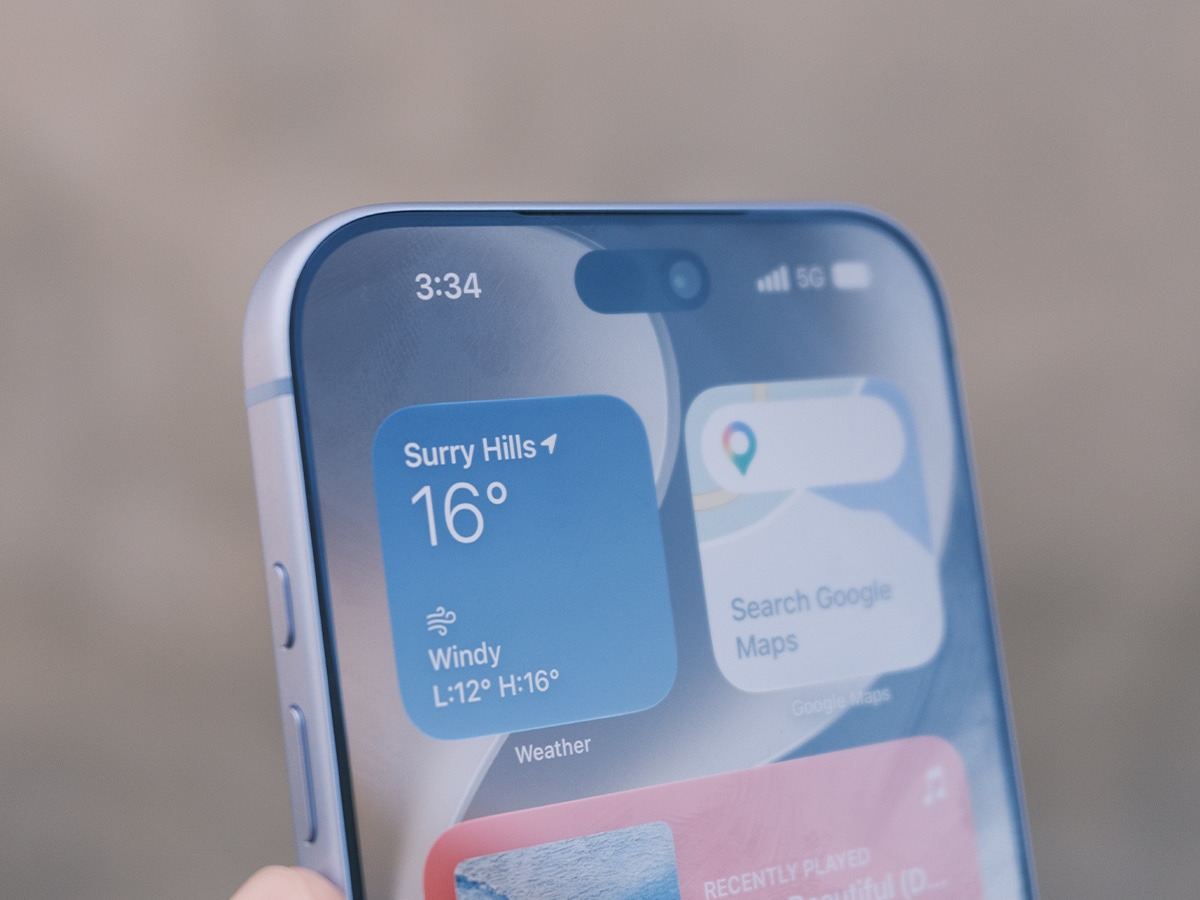
The iPhone 18 Pro and Pro Max feature 6.3-inch and 6.9-inch displays, respectively. These Super Retina XDR panels reach a 3,000-nit peak outdoor brightness, currently the highest in the flagship market. Apple has also addressed long-standing criticisms regarding screen glare by introducing a new surface treatment that reduces reflections by 35 percent and doubles outdoor contrast compared to the iPhone 16 Pro.
The "Dynamic Island" has been re-engineered to be 25 percent smaller. By placing the infrared camera directly behind active display pixels, Apple has reclaimed screen real estate, allowing the interface to monitor up to three "Live Activities" simultaneously.
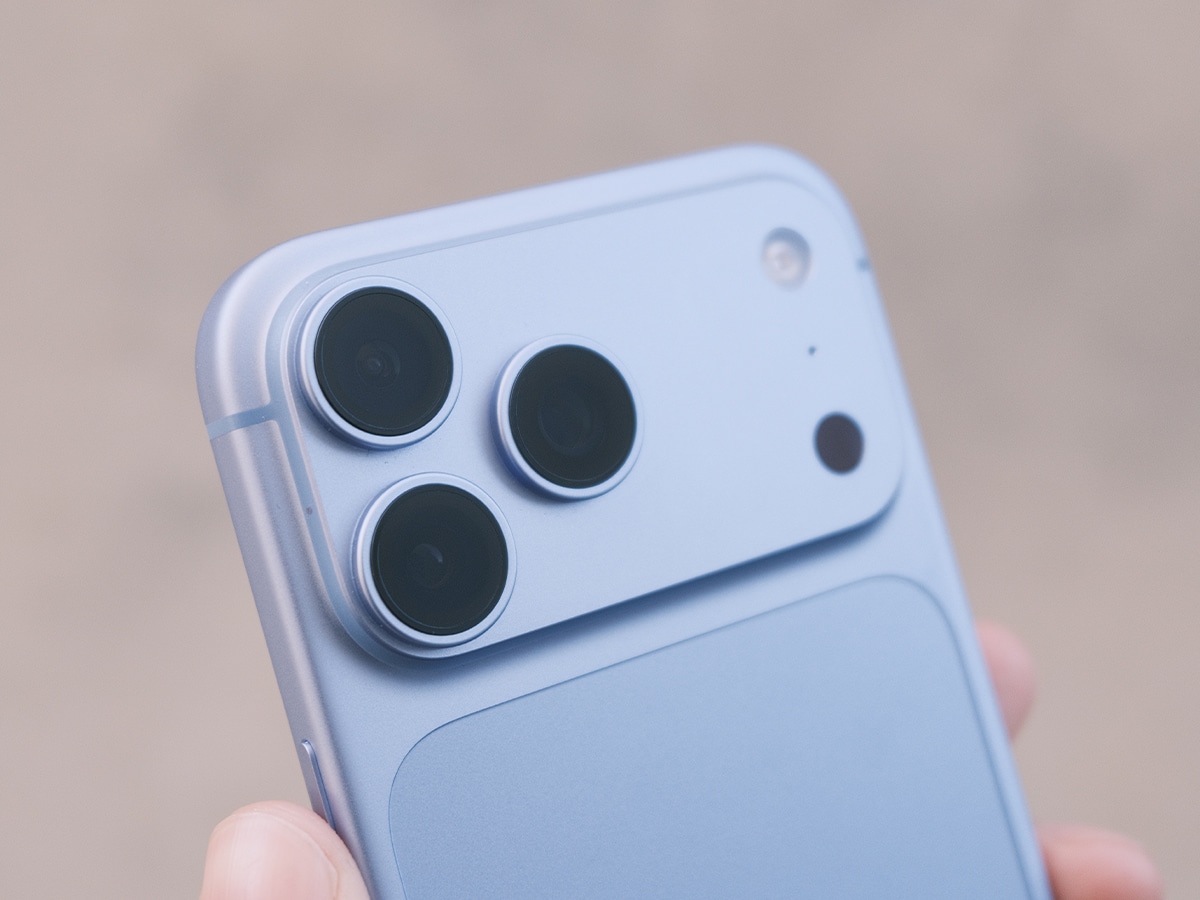
Durability has been improved through the introduction of Ceramic Shield 2. This new material is engineered to offer three times the scratch resistance of the iPhone 15 Pro, while the rear glass provides four times greater crack resistance than previous generations.
Battery Life and Charging Efficiency
Efficiency gains from the 2nm A20 Pro chip, combined with larger internal batteries, have set new benchmarks for the iPhone series. The iPhone 18 Pro Max offers up to 43 hours of continuous video playback, while the standard Pro model provides up to 34 hours.

Charging speeds have been modernized to meet industry standards. When using a 35W or higher adapter, the devices can reach a 50 percent charge in approximately 15 minutes. MagSafe charging remains at 25W, allowing for a 50 percent charge in 30 minutes.
Software and Intelligence: The Rollout of Siri AI
The iPhone 18 Pro launches with iOS 27, which introduces "Siri AI." This evolution of Apple Intelligence leverages onscreen awareness and cross-app actions to perform complex tasks. However, the rollout of these features remains staggered. Apple has confirmed that Siri AI will initially launch in beta and only in English. Furthermore, regulatory frameworks in the European Union have led to the temporary exclusion of these features from that market.
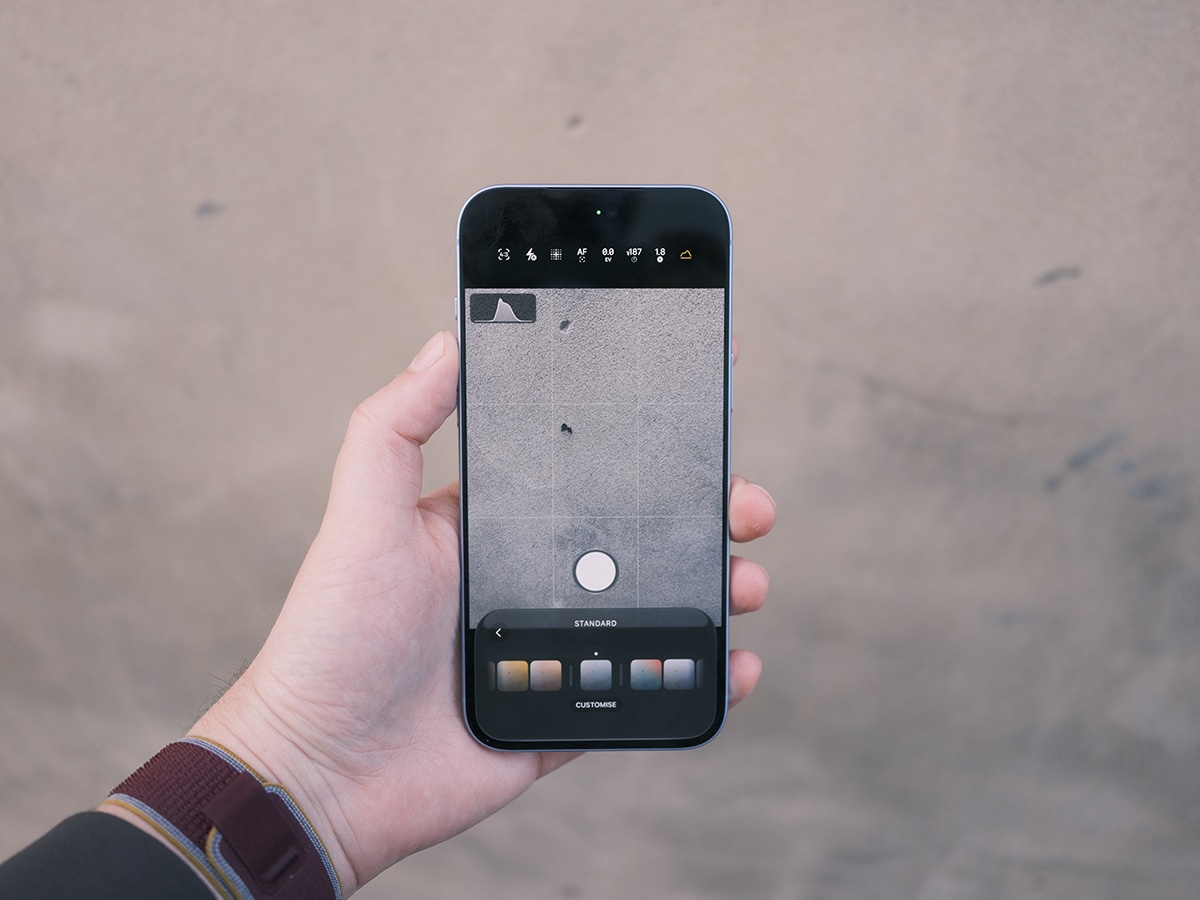
Safety remains a core component of the software suite, with the continuation of Satellite-based Emergency SOS, Roadside Assistance, and Crash Detection. These features remain free for the first two years after device activation.
Market Positioning and Pricing
The iPhone 18 Pro series enters the market at a higher price point than its predecessors, with a $100 increase across the base models in several regions. In Australia, the pricing structure is as follows:
iPhone 18 Pro:
- 256GB: AUD$2,099
- 512GB: AUD$2,449
- 1TB: AUD$2,799
- 2TB: AUD$3,149
iPhone 18 Pro Max:
- 256GB: AUD$2,299
- 512GB: AUD$2,649
- 1TB: AUD$2,999
- 2TB: AUD$3,349
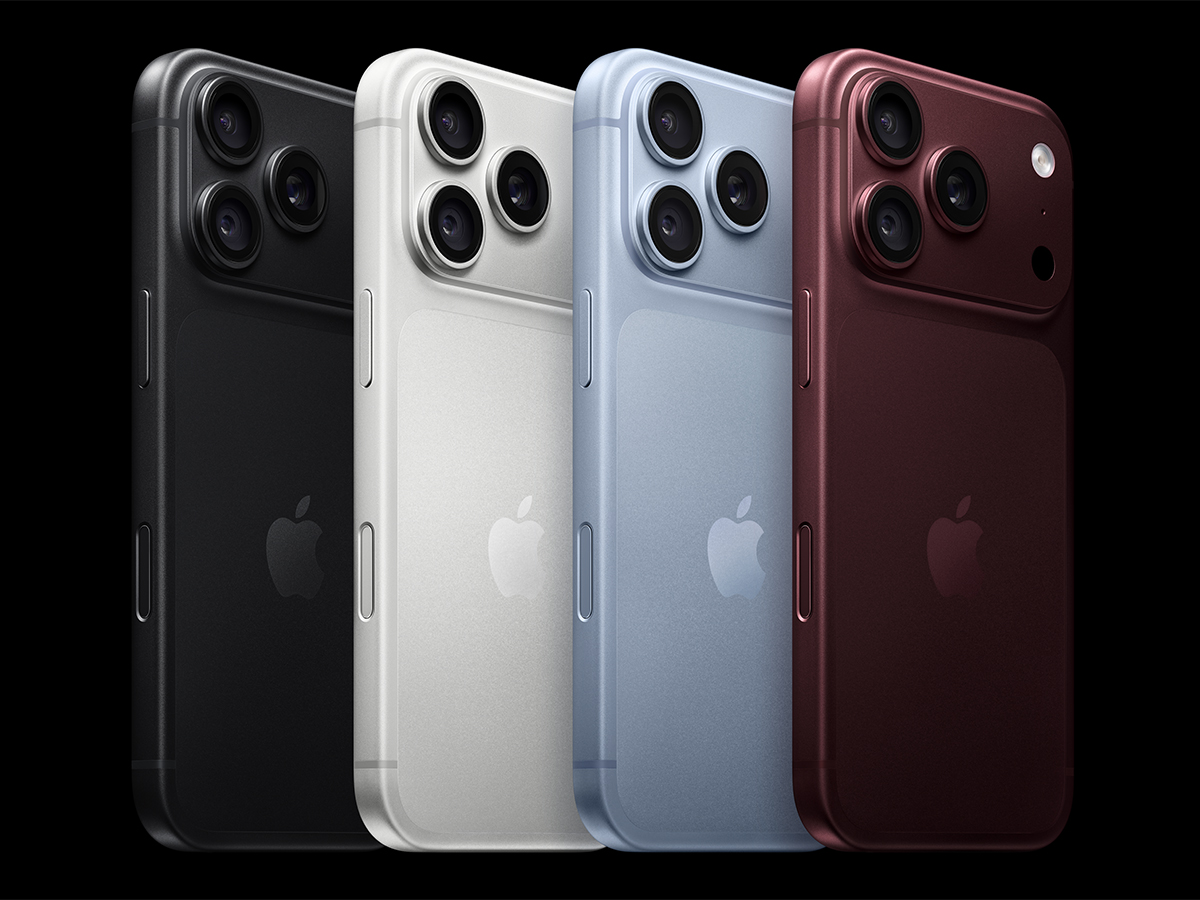
The devices are available in four finishes: Black, Silver, Glacier, and the new hero color, Burgundy. General retail availability commenced on Friday, September 18, following a pre-order period that began on September 12.
Impact and Industry Implications
The release of the iPhone 18 Pro represents a clear delineation between Apple’s consumer and professional offerings. While the "Duo" and standard models cater to the mass market, the Pro series is now a specialized tool for high-end production. By solving the thermal limitations of previous generations and introducing mechanical camera components, Apple has signaled that the future of the iPhone Pro lies in its ability to replace dedicated professional equipment.
Industry analysts suggest that the emphasis on sustained performance rather than short-burst benchmarks is a direct response to the growing "prosumer" market. As mobile content creation becomes a primary industry, the iPhone 18 Pro’s ability to handle extended shoots without performance degradation may prove more valuable to its target audience than any single software feature. While casual users will appreciate the improved battery life and screen legibility, the true power of the iPhone 18 Pro is reserved for those who intend to push the hardware to its absolute physical limits.




 Yuyun Lusiyani
 Joko Widodo
 Jia Lissa
 Pevita Pearce
 admin
admin
