
 Yuyun Lusiyani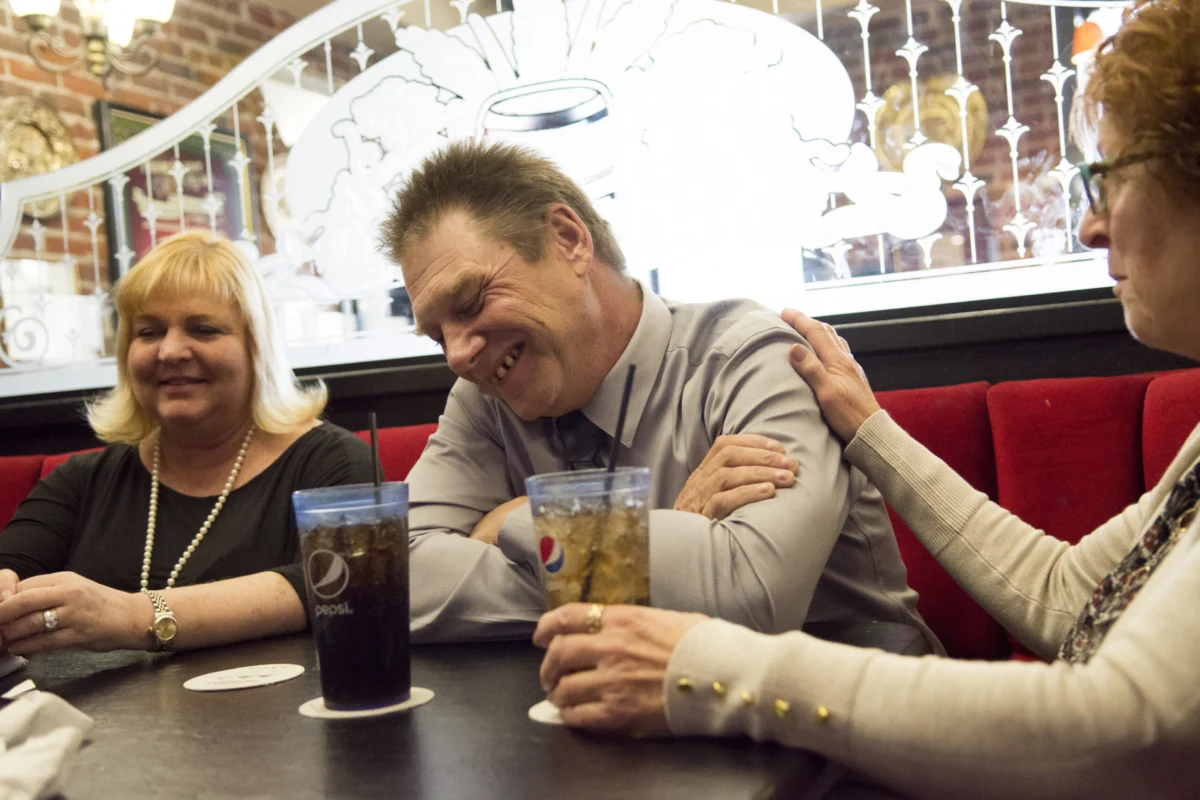
The recent passing of Fred Steese at 62 years old, succumbing to cancer in August, marks the poignant close of a life tragically intertwined with the American justice system, a journey from wrongful murder conviction to hard-fought exoneration, ultimately leaving behind a profound narrative of systemic failings and personal resilience. His story, which gained national attention through investigative reporting, highlighted critical flaws in prosecutorial practices and the devastating, long-lasting impact of injustice.
When first encountered by this reporter, Fred Steese was navigating the precarious existence of a recently released inmate, living hand-to-mouth in a nondescript motel on the fringes of Las Vegas. His struggle for stable housing and employment was compounded by a formidable obstacle: on paper, Fred Steese was a convicted murderer. This designation, however, masked a far more complex and distressing truth that would take decades to unravel.
The Original Injustice: A 1995 Wrongful Conviction
Fred Steese’s ordeal began in 1995 when he was wrongfully convicted of the murder of Gerard Soules. Soules, a former trapeze artist known for his unique dancing poodle act at a Las Vegas casino, met a tragic end that led investigators to mistakenly implicate Steese. Despite prosecutors possessing exculpatory evidence placing Steese hundreds of miles away from the crime scene at the time of the murder, this crucial information was reportedly withheld or overlooked. This egregious prosecutorial oversight, which would later become a central point of contention, allowed a conviction to stand against a man who was verifiably innocent. The failure to present a robust alibi, coupled with other potential investigative missteps, cemented Steese’s fate, leading to a sentence that would strip him of over two decades of his life.
Wrongful convictions like Steese’s are not isolated incidents but rather symptoms of deeper systemic issues within the criminal justice system. Data from organizations like the National Registry of Exonerations reveal a disturbing pattern, with thousands of individuals exonerated in the United States since 1989. A significant percentage of these cases involve official misconduct, including the withholding of exculpatory evidence, as was allegedly the case with Steese. The human cost of such errors is immeasurable, extending beyond the individual incarcerated to their families and communities, eroding public trust in the institutions designed to uphold justice.
Two Decades Behind Bars: Life Interrupted
For 21 long years, Fred Steese endured the grim realities of incarceration, a period during which he tirelessly maintained his innocence. Life within prison walls is a stark existence, often characterized by routine, deprivation, and the constant struggle to preserve one’s identity and hope. While the article does not detail his time inside, the sheer duration underscores the profound theft of his youth and prime working years. He missed technological advancements, societal shifts, and the simple freedoms most take for granted. This extended period of confinement, knowing he was innocent, undoubtedly took an immense psychological toll, shaping his worldview and his capacity to reintegrate into a rapidly changing world upon release. The years Fred spent fighting for his freedom inside prison far outnumbered the years he would ultimately live as a free man, a stark metric of the injustice he suffered.
A Glimmer of Hope and the Controversial "Alford Plea"
The first significant breakthrough in Steese’s case came in 2012 when a judge, after reviewing the evidence, declared him "factually innocent." This legal pronouncement should have marked the definitive end of his ordeal, a clear vindication. However, the path to true freedom proved far more convoluted. Las Vegas prosecutors, rather than acknowledging a mistake and accepting the judge’s declaration, defiantly insisted on Steese’s guilt. They signaled their intent to retry him for Soules’ murder, effectively threatening to drag him back into the legal quagmire and potentially return him to prison.
It was at this critical juncture that prosecutors extended a deal: Fred could walk away immediately, but only if he agreed to plead guilty. This seemingly paradoxical offer was an "Alford plea," a legal mechanism allowing a defendant to plead guilty while simultaneously asserting their innocence. This type of plea, derived from the 1970 Supreme Court case North Carolina v. Alford, permits a defendant to accept a plea bargain when they believe the prosecution has enough evidence to secure a conviction, even if they personally maintain their innocence.

For Fred, and many legal professionals, this offer was unprecedented and deeply troubling. Experts across the country have voiced concerns that "Alford pleas" can be weaponized by district attorney offices to circumvent full exonerations, sidestep admissions of wrongdoing, and avoid scrutiny into potential prosecutorial misconduct. By securing a guilty plea, even under protest of innocence, prosecutors can maintain conviction rates and avoid costly retrials or appeals, while simultaneously sidestepping accountability for original errors.
Faced with the daunting prospect of another trial, the emotional and financial strain it would entail, and the crushing uncertainty of potentially spending more years in prison, Fred Steese reluctantly accepted the "Alford plea." He chose the immediate, albeit morally compromising, path to freedom over the perilous gamble of a retrial. This decision, while understandable given his circumstances, meant that for years, despite a judge’s declaration of factual innocence, Fred technically remained a "convicted murderer" in the eyes of the law, a permanent blemish on his record that profoundly impacted his ability to rebuild his life.
The ProPublica Investigation and Broader Systemic Issues
Fred Steese’s unique and troubling case became a central focus of a 2017 investigative series by ProPublica and Vanity Fair. This series delved into the opaque world of "Alford pleas," exposing how this obscure legal tool was increasingly being used nationwide to shape innocence cases, often providing a convenient cover for district attorneys unwilling to admit mistakes or investigate prosecutorial misconduct. The reporting highlighted how such pleas could effectively deny individuals true exoneration, preventing them from accessing post-conviction relief, compensation, and the full restoration of their reputations.
The widespread use of "Alford pleas" in cases of potential innocence raises serious ethical and legal questions. Critics argue that they undermine the very principles of justice, allowing systemic errors to persist unchecked. They also create a chilling effect, forcing innocent defendants to choose between continued incarceration or a plea that, while offering freedom, still brands them as guilty, complicating their future prospects and mental well-being. The investigation into Steese’s case and others served as a crucial exposé, bringing to light a hidden facet of the justice system that often operates outside public scrutiny.
Finally Free, Fully Pardoned, and Compensated
The "Alford plea" provided Fred with a conditional release, but it did not fully clear his name. The ultimate vindication arrived in late 2017, thanks to the tireless efforts of a pro bono lawyer who championed his case for years. Fred Steese was finally granted a full and unconditional pardon by the state of Nevada. This act of clemency officially wiped his record clean, 22 years after his wrongful conviction. The pardon was a critical step, removing the last vestiges of his "guilty" status and allowing him to move forward with a truly clean slate.
The pardon also paved the way for Fred to receive compensation for his wrongful conviction. The state of Nevada, like many other states, has statutes in place to compensate individuals who have been unjustly imprisoned. In Fred’s case, he was awarded $1.4 million. While no amount of money can truly compensate for two decades of lost freedom, shattered dreams, and the trauma of injustice, such compensation is a vital component of restorative justice, designed to help exonerees rebuild their lives. It acknowledges the state’s responsibility for the profound harm inflicted.
Navigating Freedom: Dreams and Challenges
With a clean record and significant compensation, Fred Steese embarked on the challenging journey of rebuilding his life. He indulged in long-deferred dreams, purchasing a pickup truck, a Mustang, and most significantly, his very own big rig. His lifelong aspiration was to be a long-haul trucker, a profession that symbolized freedom, self-reliance, and the open road – a stark contrast to the confinement he had known for so long. He got to experience this dream, traversing the country on his own terms.

However, the path to post-incarceration life, even for the exonerated, is fraught with difficulties. Fred, who had spent much of his childhood in and out of foster homes, lacked a stable upbringing and, consequently, developed a transient lifestyle. His decades in prison further stripped him of practical financial literacy and the structured support systems crucial for managing a large sum of money. He struggled with financial management, at one point being swindled out of approximately $15,000 in a fraudulent real estate scheme. He also battled with drug use, a common coping mechanism for individuals who have experienced severe trauma and instability. These challenges highlight the critical need for comprehensive support services for exonerees, extending beyond monetary compensation to include counseling, financial literacy training, and assistance with reintegration into society. The emotional and psychological scars of wrongful conviction often run deeper than the legal ones, requiring sustained care and understanding.
A Legacy of Resilience: Fred Steese’s Final Years
Despite the immense hardships he faced, Fred Steese was remembered for his remarkably cheerful disposition. He possessed an easy laugh and a good-humored resourcefulness that quickly endeared him to those he met. His sister, Lynn Myers, poignantly described his generosity: "He’d give you the shirt off his back, even if he didn’t have another one." This inherent kindness and optimistic spirit, enduring through decades of profound injustice, speaks volumes about his character.
Ryan Norwood, the federal public defender instrumental in proving Fred’s innocence, expressed a common sentiment: he wished Fred had been granted more time. Yet, Norwood also reflected on the bittersweet reality that Fred "got to live his dream of being a truck driver and to live his life on his own terms for better or worse." For a man who had his autonomy stolen for so long, this measure of freedom, even if brief and imperfect, was a profound achievement.
Lynn Myers, who had not seen Fred since childhood, reconnected with him after his exoneration. This rekindled familial bond offered a rare point of stability and connection in Fred’s otherwise transient existence. Upon his death, Fred’s ashes found a resting place in a handmade wooden box at Myers’ home in California, a symbolic gesture of belonging and peace. His sister’s final, tender reflection encapsulates his spirit and dream: "Maybe now," she mused, "he’s driving big rigs for God."
The Enduring Cost of Injustice: Reflections on a Life Cut Short
Fred Steese’s death in August of cancer at 62 years old, a mere 13 years after his release from prison, casts a somber shadow over his hard-won freedom. The diagnosis of stage 4 cancer, discovered after a hernia operation revealed masses on his liver and pancreas, brought a swift and brutal end to a life that had only just begun to truly live on its own terms. For many, his passing felt like a final, cruel injustice dealt by the universe.
As an investigative reporter who chronicled his fight, the rarity of achieving even a measure of accountability in such cases is recognized. However, the sobering truth remains: Fred Steese spent more time fighting to clear his name than he did enjoying the freedom he so desperately deserved. His story serves as a stark reminder of the devastating long-term consequences of wrongful convictions, which extend far beyond the prison walls. The trauma, the lost opportunities, the struggle for reintegration, and the systemic hurdles faced by exonerees often shorten lives and diminish their quality, even after legal vindication.
Fred Steese’s journey from an innocent man wrongly imprisoned for 21 years, through the murky waters of an "Alford plea," to ultimate pardon and compensation, highlights critical areas for reform within the American justice system. It underscores the vital importance of prosecutorial accountability, the need for robust mechanisms to prevent and correct wrongful convictions, and the necessity of comprehensive support systems for those who emerge from such harrowing experiences. His legacy is not just one of personal tragedy but a powerful call to action, reminding society that true justice demands vigilance, integrity, and unwavering commitment to protecting the innocent.




 Joko Widodo
 Jia Lissa
 Pevita Pearce
 admin
admin