
 Yuyun Lusiyani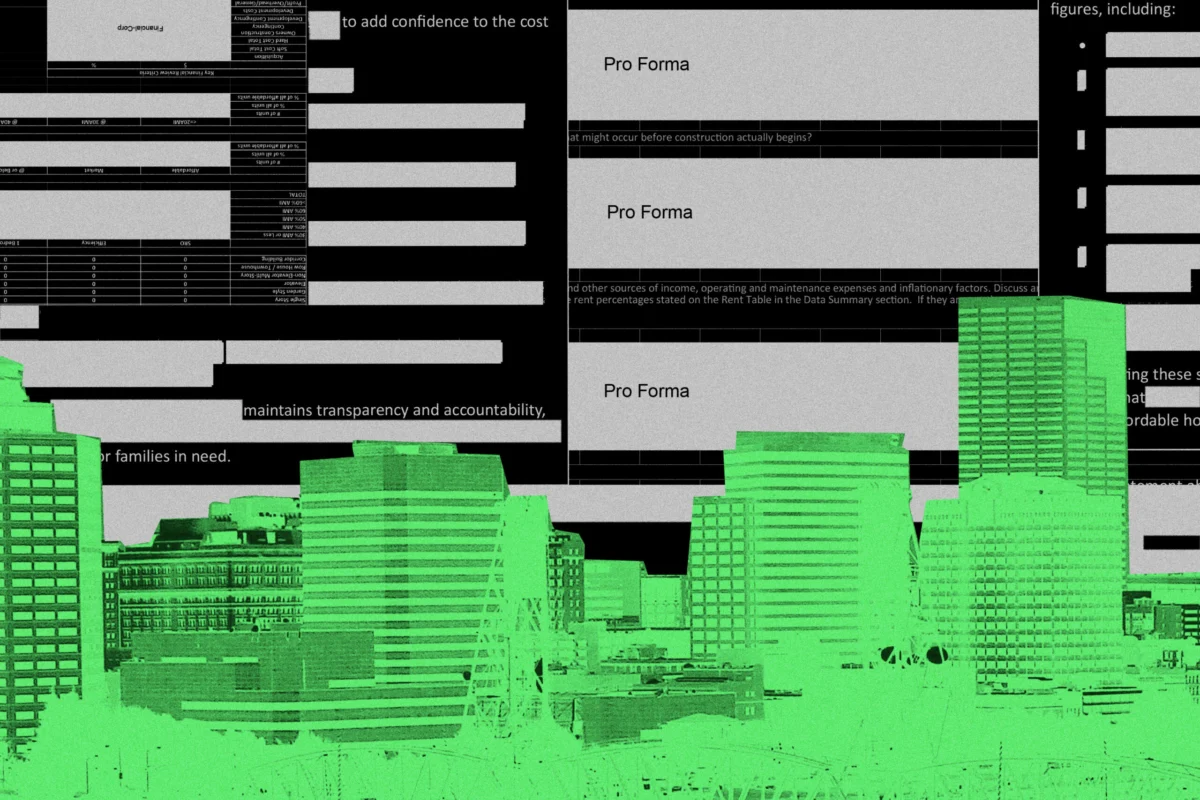
Two prominent Oregon lawmakers are spearheading an effort to dismantle a long-standing exemption in the state’s public records law, a provision that has effectively shrouded from public view the expenditure of hundreds of millions of taxpayer dollars earmarked for subsidized housing projects. This legislative initiative, driven by a newfound awareness of the secrecy and already garnering crucial support from within the housing industry itself, aims to usher in an era of unprecedented transparency regarding how Oregon funds its critical affordable housing initiatives. The push comes in the wake of a recent investigative report that starkly highlighted the escalating costs associated with these projects, raising serious questions about accountability and efficiency in the deployment of public funds.
The Genesis of Secrecy: A 1997 Exemption and Its Legacy
The exemption in question, which has allowed the Oregon Housing and Community Services (OHCS) agency to withhold key financial details of subsidized housing developments, dates back to 1997. It was at the behest of OHCS itself that lawmakers at the time carved out this specific carve-out from the state’s otherwise robust public records statutes. The original intent behind such exemptions is often cited as a means to protect proprietary business information, maintain competitive advantages for developers, or streamline negotiations in complex public-private partnerships. However, over more than two decades, this particular exemption has matured into a significant barrier to public oversight, effectively shielding the intricate financial mechanics of state-funded housing from the scrutiny of taxpayers, policymakers, and researchers alike.
Under this provision, details such as developer profits, specific construction costs, administrative overheads, and the intricate web of financing for individual projects receiving public subsidies have remained largely confidential. While the state has consistently invested in affordable housing, the opaque nature of these transactions has made it nearly impossible for external parties to independently assess the true cost-effectiveness of these investments or identify potential areas of inefficiency or excessive spending. This lack of granular data has meant that, despite the best intentions, the public could not fully ascertain whether their tax dollars were being utilized in the most prudent and impactful manner to address Oregon’s pressing housing crisis. The long-term consequence has been a growing information deficit, making it challenging to benchmark project costs, analyze market trends, or hold developers and state agencies fully accountable for the financial outcomes of these publicly backed ventures.
The ProPublica Revelation: Unmasking Soaring Costs
The catalyst for the current legislative push was a compelling investigative report published by ProPublica in August. The report meticulously detailed how Oregon’s spending on low-income housing has ballooned to unprecedented levels, while the transparency surrounding these expenditures has remained stubbornly low. The investigation revealed that since 2021, the state has allocated an astounding $1.4 billion to housing developers. More alarmingly, the cost of developing a single low-income apartment unit has nearly doubled in recent years, soaring to an average of $540,000. This dramatic increase in per-unit costs, in a relatively short timeframe, immediately flagged concerns among those striving to address the state’s housing affordability crisis.
The ProPublica article further underscored the scale of future financial commitments, noting that dozens of additional projects are already in the pipeline, poised to receive another $850 million in state funding. With costs projected to continue their upward trajectory, the report painted a stark picture of a system where massive public investments are being made with limited public accountability regarding their financial specifics. The investigation specifically highlighted the difficulty researchers and journalists in Oregon faced in obtaining the kind of detailed financial records that are readily available in other states. This contrast was critical, as such data in transparent jurisdictions has proven invaluable for analyzing cost drivers, identifying best practices, and holding stakeholders accountable for public funds. The report’s findings served as an undeniable call to action, exposing a significant blind spot in Oregon’s public finance landscape and directly challenging the prevailing secrecy.
Legislative Momentum: Lawmakers Galvanized by the Data
The immediate aftermath of the ProPublica report saw a swift and decisive reaction from key legislative figures. Rep. Pam Marsh, a Democrat from Southern Oregon and the influential chair of Oregon’s House Committee on Housing and Homelessness, wasted no time in announcing her intent to introduce legislation during the upcoming session to eliminate the secrecy provision. Marsh candidly admitted that she was unaware of the exemption until she read the ProPublica story, a sentiment echoed by previous leaders of her committee. Her surprise underscores how deeply embedded and quietly maintained this provision had been within the state’s legal framework.
“I think this is an issue that will have very broad interest,” Marsh stated, recognizing the public’s inherent desire for accountability in how their tax dollars are spent, particularly on such a critical issue as housing. She emphasized the necessity of understanding the full financial scope of these projects: “We are spending, as you said, a lot of money on the development of affordable housing. We really need to understand what it is that we’re funding, how much it costs, why it costs that much, and be able to justify the investments that we’re making.” Marsh further elaborated on her vision for enhanced transparency, advocating for financial documents detailing project funding sources and expenditures to be made public and easily accessible. She specifically suggested that these vital records should be posted online as part of the public materials provided to Oregon’s Housing Stability Council before any subsidies are awarded. This proactive approach aims not just to repeal the exemption but to establish a robust system for ongoing public disclosure.
Concurrently, State Sen. Khanh Pham, a Portland Democrat who chairs the Senate Committee on Housing and Development, also voiced her strong commitment to addressing the issue in the next legislative session. In a written statement, Sen. Pham stressed the importance of public trust: “It’s imperative that Oregonians can trust that our state government is investing in affordable housing as cost-effectively as possible.” She lauded ProPublica’s reporting for shedding light on the inadequacy of Oregon’s public records law and expressed optimism that legislators would rectify the situation next year. The unified stance from both the House and Senate housing committee chairs signals a powerful, coordinated effort to reform the law, indicating strong legislative will to prioritize transparency in this crucial sector.
Industry Endorsement: A Surprising Ally for Transparency
Perhaps one of the most significant developments in this unfolding narrative is the vocal support for repealing the secrecy provision from Housing Oregon, a prominent lobbying group representing low-income housing developers, lenders, and related businesses. This endorsement from an industry that might traditionally be perceived as favoring less public scrutiny adds considerable weight to the transparency movement. Kevin Cronin, a spokesperson for Housing Oregon, articulated the group’s position clearly: “Oregon’s affordable housing providers share the public’s interest in ensuring that public investments in housing are used effectively, responsibly, and with visibility.” He directly acknowledged the gravity of the ProPublica report, stating, “The questions raised in your recent ProPublica article regarding development costs deserve serious attention.”
Cronin’s statement also highlighted a nuanced perspective, suggesting that while transparency is crucial, it must be balanced with the protection of certain information. He noted that Oregon can enhance transparency around development costs “while still protecting genuinely proprietary or competitively sensitive information.” This acknowledges the legitimate concerns developers might have about revealing trade secrets or sensitive financial strategies that could disadvantage them in a competitive market. However, Cronin underscored the broader benefit of increased transparency, arguing that “More consistent reporting of costs and outcomes will help policymakers, providers, researchers, and the public understand where the system is working and where it needs improvement.” This suggests a recognition within the industry that greater openness can ultimately lead to more efficient systems, better public relations, and a stronger foundation of trust for future public-private partnerships. Housing Oregon has proactively requested that the state disclose more about projects it funds even before legislative action, demonstrating a commitment to change from within the industry.
Broader Implications and Interstate Precedents
The debate in Oregon carries significant implications not just for the state’s housing strategy but also for the broader principles of government accountability and public trust. The ability to scrutinize how public funds are spent is a cornerstone of democratic governance. When details of substantial public investments, such as those in affordable housing, are obscured, it erodes public confidence and hampers effective oversight. For taxpayers, transparency means assurance that their contributions are being managed wisely and achieving intended outcomes. For policymakers, access to detailed financial data is essential for informed decision-making, identifying cost drivers, and designing more effective programs.
Oregon is not operating in a vacuum when it comes to housing transparency. In other states, such as Washington and California, detailed financial records of state spending on subsidized housing projects are readily available to the public. Officials in these states have consistently reported that this level of transparency has not interfered with their low-income housing efforts. On the contrary, researchers and journalists in these jurisdictions have leveraged this open data to conduct in-depth analyses, investigating spiraling costs, identifying common factors driving price tags, and offering insights that can lead to systemic improvements. This interstate comparison provides a compelling argument that increased transparency in Oregon would not necessarily impede housing development but rather enhance its efficacy and public support. The experience of these neighboring states serves as a practical model for how Oregon can achieve greater accountability without sacrificing its housing goals.
The Role of the Sunshine Committee
Further amplifying the momentum for change, Oregon’s Sunshine Committee has also taken up the issue. This independent body plays a vital role in the state’s governance by reviewing public records exemptions and recommending which ones could be rolled back or modified to increase transparency. Co-chair Charlie Fisher confirmed that the committee is actively examining the exemption for housing financials, directly as a result of ProPublica’s coverage. The Sunshine Committee’s involvement adds another layer of official scrutiny and provides an additional pathway for the repeal or modification of the contentious secrecy provision, demonstrating a multi-pronged approach to addressing the issue from various branches of state government. Their recommendations often carry significant weight with the Legislature, further solidifying the likelihood of legislative action.
Oregon Housing and Community Services: Navigating a Shifting Landscape
At the center of this debate is the Oregon Housing and Community Services (OHCS), the state agency responsible for allocating these housing funds and the entity that originally persuaded lawmakers to create the records exemption in 1997. In May, when ProPublica initially requested cost reports from developers, OHCS cited the very law it helped establish to justify redacting major sections of those documents, thereby reinforcing the existing opacity.
In July, Andrea Bell, the current executive director of OHCS, publicly stated her commitment to transparency but clarified that the agency was simply following the law as it currently stands. This position reflects the often-complex reality for state agencies, which are bound by existing statutes even when those statutes may be perceived as problematic. When asked recently about whether the agency would support efforts to change the law, an OHCS spokesperson provided a characteristically cautious response via email, stating that state agencies typically do not take positions on pending legislation. The spokesperson added that OHCS “appreciates the opportunity to review the legislation” that will be introduced in 2027. This non-committal stance, while procedurally standard for state agencies, underscores the delicate balance OHCS must maintain between adhering to current legal frameworks and responding to growing calls for greater transparency and accountability from both the public and the legislative branch. The agency’s future actions and statements as the legislative process unfolds will be closely watched.
Financial Scope and Escalating Costs: A Deeper Dive
The financial figures at the heart of this debate are substantial and underscore the urgency of the transparency drive. Oregon’s commitment of $1.4 billion to housing developers since 2021, with an additional $850 million slated for future projects, represents a monumental investment of taxpayer money. The dramatic increase in the average cost of developing a single low-income apartment to $540,000 is particularly alarming. To put this in perspective, this figure far exceeds the average cost of conventional housing in many parts of the country, raising critical questions about the efficiency and cost-effectiveness of subsidized development in Oregon.
Several factors typically contribute to the escalating costs of housing construction, both market-rate and affordable. These can include rising land acquisition costs, particularly in urban and high-demand areas; increasing prices for construction materials such as lumber, steel, and concrete; a shortage of skilled labor driving up wages; and the growing complexity of regulatory requirements, permitting processes, and environmental reviews. Furthermore, the specialized nature of affordable housing projects, which often incorporate additional services or must adhere to specific funding mandates, can also add to the overall expense. While these factors are generally recognized, the secrecy provision in Oregon has prevented a detailed, project-by-project analysis to pinpoint which specific drivers are contributing most significantly to the state’s rapidly increasing per-unit costs. Without this granular data, it is challenging for policymakers to implement targeted strategies to mitigate cost escalation, optimize resource allocation, and ultimately deliver more affordable housing units for the same investment.
Challenges and Future Outlook: A Path Towards Accountability
While the current momentum for repealing the secrecy provision is strong, with broad legislative and industry support, the path forward is not without potential challenges. Although no clear opposition to the repeal efforts has yet emerged, legislative processes can be complex, and unforeseen hurdles may arise. Balancing the public’s right to know with legitimate concerns about protecting proprietary business information will be a key aspect of drafting effective legislation. The nuance raised by Housing Oregon’s spokesperson, Kevin Cronin, about protecting "genuinely proprietary or competitively sensitive information" highlights the need for a carefully crafted bill that achieves transparency without unduly hindering the operations of developers who are essential partners in addressing the housing crisis.
The upcoming legislative session will be a critical period for this initiative. The collective efforts of Rep. Marsh, Sen. Pham, the Sunshine Committee, and the supportive stance from Housing Oregon suggest a strong likelihood of legislative action. The public, increasingly aware of the significant taxpayer investment in housing and the critical need for solutions to the affordability crisis, will undoubtedly be watching closely. A successful repeal of this exemption would not only mark a significant victory for transparency in Oregon but also set a powerful precedent for accountability in public spending, fostering greater trust between the government, the housing industry, and the citizens it serves. The ultimate goal is to ensure that every dollar invested in affordable housing is maximized, providing tangible, sustainable solutions for Oregonians in need. The anticipated legislation represents a pivotal step towards achieving this vital objective, promising a more open and accountable future for the state’s housing initiatives.




 Joko Widodo
 Jia Lissa
 Pevita Pearce
 admin
admin