
 Yuyun Lusiyani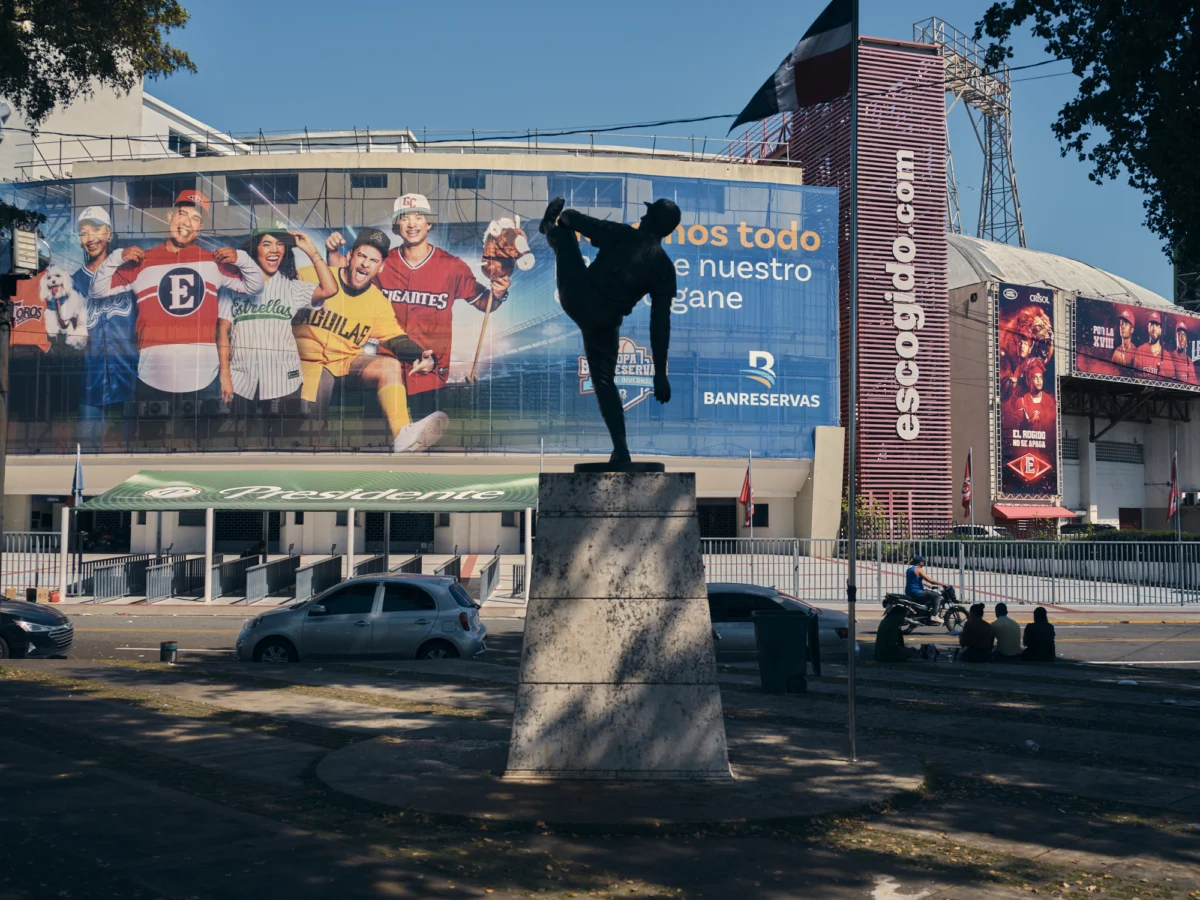
Major League Baseball (MLB) has long drawn a disproportionate number of its international players from the Dominican Republic, a nation where baseball transcends mere sport to become a profound cultural and economic cornerstone. Annually, more players are signed from the Dominican Republic than from any other country outside the United States, underscoring its unparalleled significance as a global talent pipeline. From the earliest ages, often as young as four, children across the island nation begin honing their skills on ubiquitous neighborhood fields, nurtured by a pervasive dream of professional success. This deeply ingrained connection means that nearly every Dominican family, in some capacity, has a personal link to the sport – a sibling, an uncle, or a son who either aspires to professional play or once did. This fervent passion, however, often masks a complex and sometimes exploitative system, prompting ProPublica to launch a comprehensive investigative series aimed at uncovering and addressing the systemic issues that can harm young players and their families.
The Dominican Republic: A Global Baseball Nexus
The Dominican Republic’s preeminence in baseball is not merely anecdotal; it is statistically profound. For decades, the Caribbean nation has consistently supplied a substantial percentage of MLB’s foreign-born talent. In recent seasons, Dominicans have represented over 10% of all players on MLB Opening Day rosters, a staggering figure given the country’s relatively small population of approximately 11 million. This deep wellspring of talent is fueled by a unique confluence of factors: a year-round tropical climate conducive to outdoor play, a rich cultural heritage where baseball is intertwined with national identity, and socio-economic realities that often position baseball as a perceived pathway out of poverty. Legendary figures like Juan Marichal, Pedro Martinez, Albert Pujols, and Vladimir Guerrero have not only inspired generations but have also cemented the dream of making it to the "big leagues" as a tangible, albeit challenging, aspiration.
The journey for many young Dominicans begins informally, in local "ligas" and on makeshift fields, transitioning quickly into more structured, albeit often unregulated, environments overseen by independent trainers known as buscones. These figures, ranging from altruistic mentors to predatory opportunists, play a critical role in identifying, developing, and marketing young prospects to MLB scouts. The system, while incredibly effective at producing talent, is also rife with vulnerabilities, particularly for adolescent players and their often-impoverished families who invest heavily, emotionally and financially, in their children’s baseball prospects.
Systemic Vulnerabilities and Exploitative Practices
ProPublica’s initial reporting, and the insights gathered from dozens of trainers and players, reveal a troubling pattern of industry practices that place immense pressure on young Dominican athletes. Adolescents are frequently expected to perform at professional levels significantly earlier than their peers in other countries, and to enter into complex agreements with MLB teams at much younger ages. This accelerated timeline, combined with a fiercely competitive environment, creates fertile ground for exploitation.
One of the most insidious issues highlighted by ProPublica’s investigations is the proliferation of abusive moneylending practices. Families, desperate to provide their sons with the best training, nutrition, and equipment, often take out high-interest loans from informal lenders, sometimes facilitated by buscones or other intermediaries. These loans, often secured against future signing bonuses, can carry exorbitant interest rates, trapping families in cycles of debt. If a player fails to sign a professional contract, or if their bonus is smaller than anticipated, the family can face severe financial ruin, losing homes or other assets. This system effectively preys on the hope and vulnerability of families, turning a dream into a financial nightmare.
Beyond financial exploitation, other systemic issues plague the "baseball factory." Reports of age and identity fraud, where players’ birth dates are altered to make them appear younger and more appealing to scouts, have been persistent. Such practices not only compromise the integrity of the scouting process but also strip young men of their true identities and can have long-term legal and personal consequences. Health concerns are also paramount, with young players often subjected to intense, year-round training regimens that prioritize performance over long-term physical well-being. The pressure to excel can lead to overtraining, injuries, and in some cases, the dangerous use of performance-enhancing drugs, driven by a desperate desire to stand out. Furthermore, the intense focus on baseball often comes at the expense of education, as many young players drop out of school to dedicate themselves fully to the sport, leaving them with limited alternatives if their baseball dreams do not materialize.
ProPublica’s Investigative Mandate and Community Outreach
Recognizing the multifaceted nature of these challenges and the profound impact they have on Dominican society, ProPublica, a Pulitzer Prize-winning independent, non-profit newsroom, has committed to an extensive investigative series. Their mission is to expose abuses of power and betrayals of public trust through investigative journalism, and this series on Dominican baseball aligns perfectly with that ethos. The organization understands that to truly grasp the complexity and pervasiveness of these issues, direct engagement with the affected community is paramount.
"We want this work to reach people whose lives are touched by the issues we’re investigating," a ProPublica spokesperson stated. "If that’s you, we want you to be able to easily connect with our reporting team and share tips or experiences you think we should know about Dominican baseball. The more people we hear from, the more impactful our reporting on these complex issues can be."
To facilitate this crucial community engagement, ProPublica has established a dedicated WhatsApp line for its Dominican baseball series. This strategic choice reflects WhatsApp’s overwhelming popularity as a primary communication tool in the Dominican Republic, offering a free and accessible channel for international calls and texts. Individuals wishing to contribute their experiences or tips can simply text "baseball" to the WhatsApp number, 1-917-207-6447. Upon sending the initial message, users will receive a link to ProPublica’s latest stories on the subject, along with prompts to share their connection to baseball and any information they believe reporters should investigate further. The newsroom also offers the option for occasional quick updates from the series, with user permission.
For those who prefer alternative communication methods or do not use WhatsApp, the reporting team remains accessible via email. Additionally, ProPublica provides comprehensive advice on its website for various ways to get in touch, ensuring multiple avenues for secure and confidential communication.
What Kind of Information is Sought?
ProPublica is particularly interested in first-hand accounts and insights related to any baseball-related issues that have affected individuals or their families. This includes, but is not limited to, financial irregularities, health concerns, educational impacts, and broader systemic pressures. The investigative team is actively seeking input from a wide array of stakeholders within the baseball ecosystem: current and former players, parents of players, trainers, doctors who treat athletes, individuals who work for MLB teams, and anyone else with a direct or indirect link to Dominican baseball.
The organization emphasizes that even those without a direct connection to baseball but who wish to follow the investigations are encouraged to sign up for updates. Furthermore, ProPublica urges individuals who know someone with a connection to Dominican baseball to share the link to their series or encourage them to text the WhatsApp number. "We need to reach as many people as we can," the newsroom reiterated, highlighting the collective effort required to bring about meaningful change.
Protecting Sources and Ensuring Integrity
A cornerstone of ProPublica’s journalistic integrity is its unwavering commitment to source protection and privacy. The organization explicitly states that it will read every submission received and will follow up if further questions arise or if there is interest in incorporating shared information into ongoing investigations. The reporters regularly interact with individuals who possess valuable information but fear retribution, and ProPublica’s reputation is built on its meticulous efforts to safeguard its sources. Individuals can request to speak "on background," meaning their names would not be used in published stories, providing a crucial layer of anonymity and security. Crucially, ProPublica assures the public that it will never sell any submitted information to third parties, reinforcing its ethical standards and dedication to public service journalism.
Broader Implications and the Path Forward
The implications of ProPublica’s investigation extend far beyond the immediate individuals affected. For the Dominican Republic, the series has the potential to spark crucial national conversations about youth development, ethical sports practices, and economic dependency on a single industry. While baseball undoubtedly brings immense pride and economic benefits through remittances and direct investment from MLB, the hidden costs of exploitation can undermine these gains, perpetuating cycles of poverty and injustice.
For Major League Baseball, these investigations underscore the ongoing challenge of regulating its global talent pipeline. MLB has, in recent years, implemented various measures, including international signing rules and the establishment of academies in the Dominican Republic, aimed at increasing transparency and player welfare. However, the persistent nature of the reported abuses suggests that more robust oversight, stricter enforcement, and greater accountability are still needed. The integrity of the sport itself is at stake, as is its reputation as a fair and equitable employer on a global scale.
Ultimately, ProPublica’s series serves as a powerful reminder of the vital role investigative journalism plays in holding powerful institutions accountable and giving voice to the vulnerable. By systematically uncovering the realities behind the romanticized dream of Dominican baseball, the newsroom aims to foster a more just and transparent system, ensuring that the passion for the game remains a source of national pride and opportunity, rather than a conduit for exploitation. The success of this endeavor hinges significantly on the willingness of the Dominican community to share its stories, providing the essential insights needed to illuminate the path toward meaningful reform.




 Joko Widodo
 Jia Lissa
 Pevita Pearce
 admin
admin