
 Jia Lissa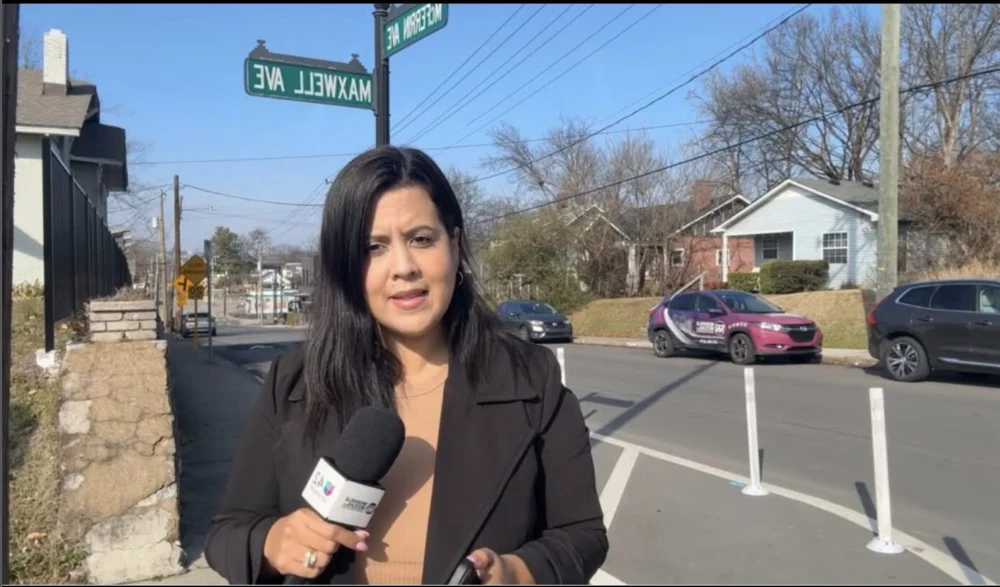
Estefany Rodríguez, a prominent reporter for the Spanish-language news outlet Nashville Noticias, was apprehended and detained by U.S. Immigration and Customs Enforcement (ICE) agents on Wednesday, March 5, 2026. The arrest occurred while Rodríguez was traveling in a vehicle with her husband, a United States citizen, in South Nashville. The incident has raised immediate concerns regarding the treatment of members of the press and the complexities of the administrative processes governing asylum seekers in the United States. According to reports from the scene and statements from her legal representatives, Rodríguez was detained without a judicial warrant, with agents instead presenting a Notice to Appear (NTA), a document used to initiate removal proceedings but which does not carry the same legal weight as a warrant signed by a judge.
The detention of Rodríguez is particularly notable due to her professional focus. As a reporter for Nashville Noticias, she has spent significant time documenting and reporting on ICE activities within the Nashville metropolitan area. Her work has frequently provided the local immigrant community with critical information regarding enforcement actions, legal rights, and federal policy changes. The circumstances of her arrest—occurring during a routine transit and involving a journalist known for covering the very agency that detained her—have prompted questions about the motivations behind the enforcement action.
The Legal Dispute: G-56 Letters and the "Flight Risk" Designation
Central to the detention of Estefany Rodríguez is a dispute over her compliance with ICE reporting requirements. Following her arrest, members of her immigration legal team engaged with ICE officials to determine the grounds for her detention. According to her attorney, Joel Coxander, ICE officials claimed that Rodríguez had failed to appear at two scheduled meetings, leading the agency to classify her as a "flight risk."
However, the legal team disputes this characterization, pointing to the specific nature of the communications Rodríguez received. In late January, Rodríguez received a G-56 letter, which is an administrative request for an individual to visit an ICE office for "processing and additional information." Mr. Coxander emphasized that these letters are essentially "invitations" rather than mandatory legal summons.
"They don’t say they’re required," Coxander stated during a press briefing regarding the case. "They say, ‘Come in so we can help ensure the best outcome for your case.’ They cite no legal requirement to come." The legal distinction is significant: while an NTA or a subpoena carries a mandatory requirement for appearance, a G-56 letter is often used for administrative updates. The defense argues that missing such a meeting should not legally or logically equate to being a flight risk, especially for an individual with an active asylum claim and deep ties to the community through her marriage and professional career.
A Chronology of Attempted Compliance
The timeline of events leading up to the March 5 arrest suggests a pattern of attempted compliance rather than evasion. Rodríguez, who entered the United States legally on a tourist visa in 2021 before applying for political asylum, had been navigating the complex bureaucracy of the immigration system for several years.
In late January 2026, the first meeting requested by the G-56 letter was scheduled. However, Nashville was struck by a severe ice storm during that period, which resulted in the closure of numerous federal and local government offices, including the ICE field office. Consequently, Rodríguez was unable to attend. Following the storm, a second date was set for early February.
To ensure compliance, Rodríguez’s husband and a representative from her legal team visited the ICE office in person prior to the February date to confirm the details. According to the legal team, a duty officer at the facility ran Rodríguez’s Alien Registration Number (A-Number) through the system and informed them that she was not currently listed as having a required appointment. The officer explicitly stated that she did not need to appear for the February date.
Despite this verbal confirmation, a second agent reviewed her file and provided her husband with a check-in sheet for a future date in March. "She’s being told, ‘We’re holding it against you that you didn’t do this thing we told you you didn’t have to do,’" Coxander remarked. This bureaucratic disconnect—where one agent cancels an appointment while another later uses that absence as grounds for detention—highlights the procedural volatility often faced by asylum seekers.
Background: From Colombia to Nashville Noticias
The personal history of Estefany Rodríguez adds a layer of urgency to her case. Before arriving in the United States, Rodríguez was a working journalist in her native Colombia. She fled the country in 2021 after facing credible death threats directly related to her investigative reporting. Colombia has long been recognized by organizations such as Reporters Without Borders (RSF) as one of the most dangerous countries in the Western Hemisphere for journalists, particularly those covering corruption, organized crime, and civil unrest.
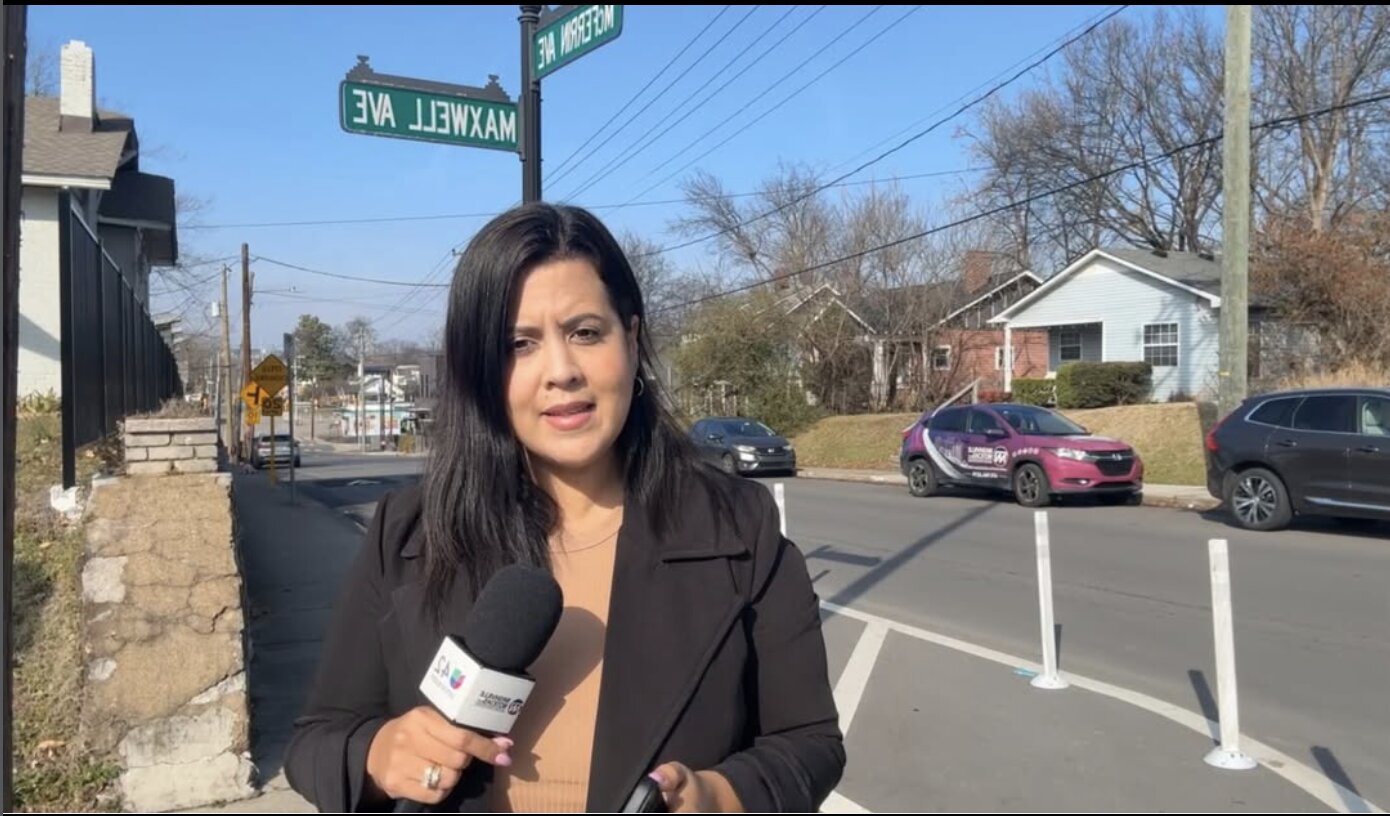
Upon arriving in the U.S. on a valid tourist visa, Rodríguez followed the established legal pathway for those fearing persecution by filing for political asylum. During the years her case has been pending, she integrated into the Nashville community, married a U.S. citizen, and continued her journalistic career. At Nashville Noticias, she became a vital voice for the city’s Spanish-speaking population. Her recent reporting included several video stories and "reels" documenting ICE presence in local neighborhoods, providing a transparency that advocates say is essential for public accountability.
Broader Context: Asylum Backlogs and Press Freedom
The detention of Rodríguez occurs against the backdrop of a heavily burdened U.S. immigration system. As of early 2026, the backlog of asylum cases in U.S. immigration courts has reached record highs, with many applicants waiting years for a final adjudication. During this "limbo" period, applicants are generally permitted to live and work in the U.S., provided they check in with authorities as required.
The use of a Notice to Appear (NTA) to detain an individual who is already in the process of an asylum claim is a tactic that has drawn criticism from civil rights groups. Unlike a warrant issued by a neutral magistrate upon a showing of probable cause that a crime has been committed, an administrative NTA is issued by immigration officials. Critics argue that using these documents to detain journalists can have a "chilling effect" on the freedom of the press, particularly for ethnic media outlets that serve vulnerable populations.
In Nashville, the immigrant community has expressed growing unease. The city has seen a significant increase in its foreign-born population over the last decade, and Nashville Noticias serves as a primary source of information for this demographic. The removal of a prominent reporter from the streets—under circumstances her lawyers call a "misunderstanding of their own making"—has resonated beyond the legal community.
Official Responses and Current Status
Following the arrest on Wednesday, Nashville Noticias LLC released a formal statement expressing both respect for U.S. law and a firm hope for their colleague’s release.
"Nashville Noticias LLC expresses its respect for the laws of the United States and hopes that this situation will be resolved favorably for our colleague so that she can be released soon, as she needs to reunite with her young daughter and husband to continue her legal process within the framework permitted by law," the statement read. The outlet concluded by affirming its "trust in the justice system of the United States of America."
As of Thursday, March 6, Rodríguez was confirmed to be in Alabama, being transported by federal authorities to an ICE processing center in Louisiana. Louisiana houses several large-scale detention facilities, such as the Oakdale and LaSalle Processing Centers, which are frequently used as hubs for individuals facing potential deportation or long-term detention while their cases are reviewed.
ICE has not yet issued a formal public comment regarding the specifics of Rodríguez’s arrest or the allegations made by her legal team regarding the conflicting instructions she received at the Nashville office.
Implications for Due Process
The case of Estefany Rodríguez serves as a critical case study in the intersection of immigration enforcement, administrative due process, and the First Amendment. If a journalist can be labeled a "flight risk" and detained despite having a U.S. citizen spouse, a pending legal claim, and a documented history of attempting to coordinate with the agency, it raises questions about the criteria used for detention.
Legal analysts suggest that the next steps for Rodríguez will involve a bond hearing before an immigration judge, where her attorneys will argue that she is neither a danger to the community nor a flight risk. The fact that she was told by an official that she did not need to attend her February meeting will likely be a central pillar of her defense.
For the time being, a journalist who fled threats in Colombia to seek safety in the United States remains in federal custody, separated from her family, while the legal community watches closely to see how the system balances enforcement priorities with the rights of those seeking protection under U.S. law.



 Yuyun Lusiyani
 Joko Widodo
 Eva Lovia
 Pevita Pearce