
 Lina Irawan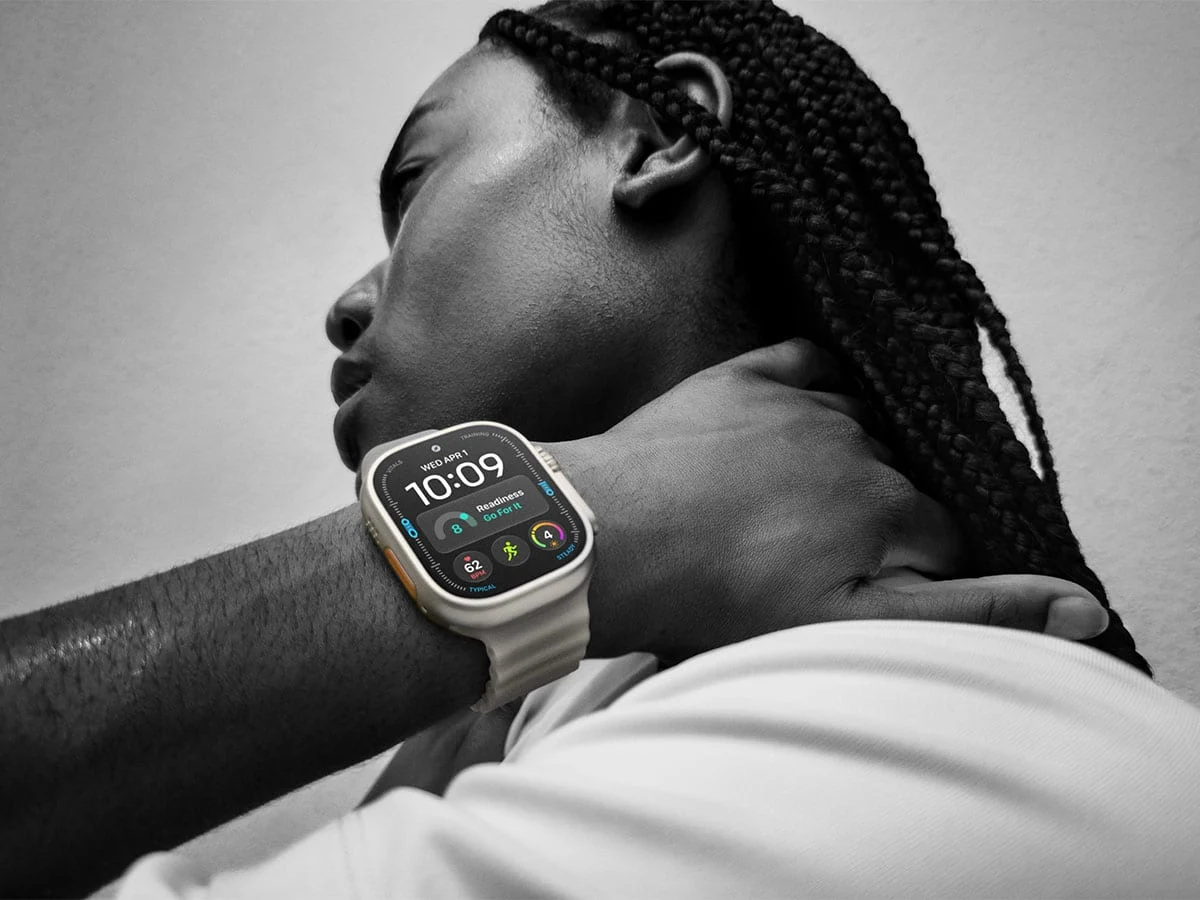
The landscape of wearable technology has undergone a fundamental shift with the release of the Apple Watch Series 12 and the Apple Watch Ultra 4, moving beyond the mere collection of biometric data toward the delivery of actionable health intelligence. For years, the primary criticism of health trackers has been the "data silo" effect, where users are presented with a wealth of metrics—such as heart rate variability, blood oxygen levels, and sleep stages—without a clear framework for how to apply that information to their daily lives. With the introduction of the "Readiness" score and a completely re-engineered Health Sensing System, Apple aims to bridge the gap between raw data and personalized guidance.
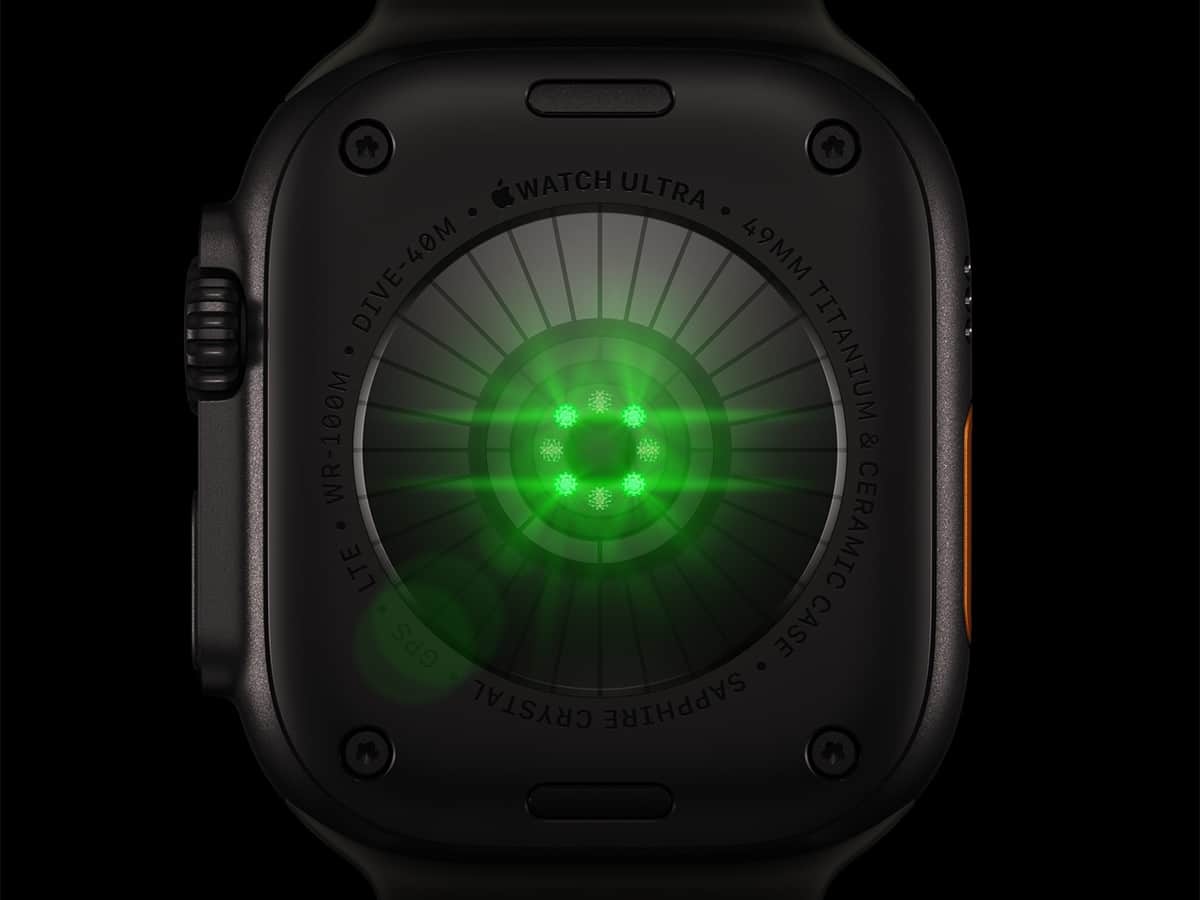
The cornerstone of this new era is the S11 chip, a piece of custom silicon designed to handle the intensive computational demands of continuous health monitoring without compromising the device’s battery life. Coupled with the new Health Sensing System, these devices now offer a level of granularity previously reserved for clinical-grade equipment or high-end athletic performance monitors. The system now samples a user’s heart rate every five seconds throughout the day and captures recovery Heart Rate Variability (HRV) every five minutes during sleep. This high-frequency data serves as the foundation for the Readiness score, a metric designed to inform users of their physical capacity to take on the day’s challenges.
Hardware Innovation and the S11 Architecture
The development of the Apple Watch Ultra 4 required a comprehensive re-architecture of the internal sensor stack. According to Cait Dooley, Apple’s lead for Apple Watch and Health Product Marketing, the transition to continuous sensing was only possible through the efficiency gains found in the S11 chip. The hardware challenge was two-fold: increasing the frequency of data collection while maintaining the multi-day battery life expected by Ultra users.
The new Health Sensing System integrates redesigned optical sensors and electrical heart sensors that work in tandem with the S11’s neural engine. This allows the watch to maintain a "constant dialogue" with the user’s vascular system. Unlike previous generations, which took periodic snapshots of vitals, the Series 12 and Ultra 4 operate in a state of near-constant observation. This allows the device to detect subtle shifts in autonomic nervous system activity, which are often the earliest indicators of fatigue, overtraining, or impending illness.
By sampling heart rate 60 times more frequently than earlier models, the S11 chip can filter out "noise" created by movement or environmental factors, ensuring that the data used for the Readiness score is of the highest possible fidelity. This technological leap was validated through a rigorous internal study involving over 1,000 participants, where Apple’s new sensors were benchmarked against leading medical-grade wearables, achieving the highest accuracy ratings in the consumer category to date.

The Readiness Score: Translating Complexity into Action
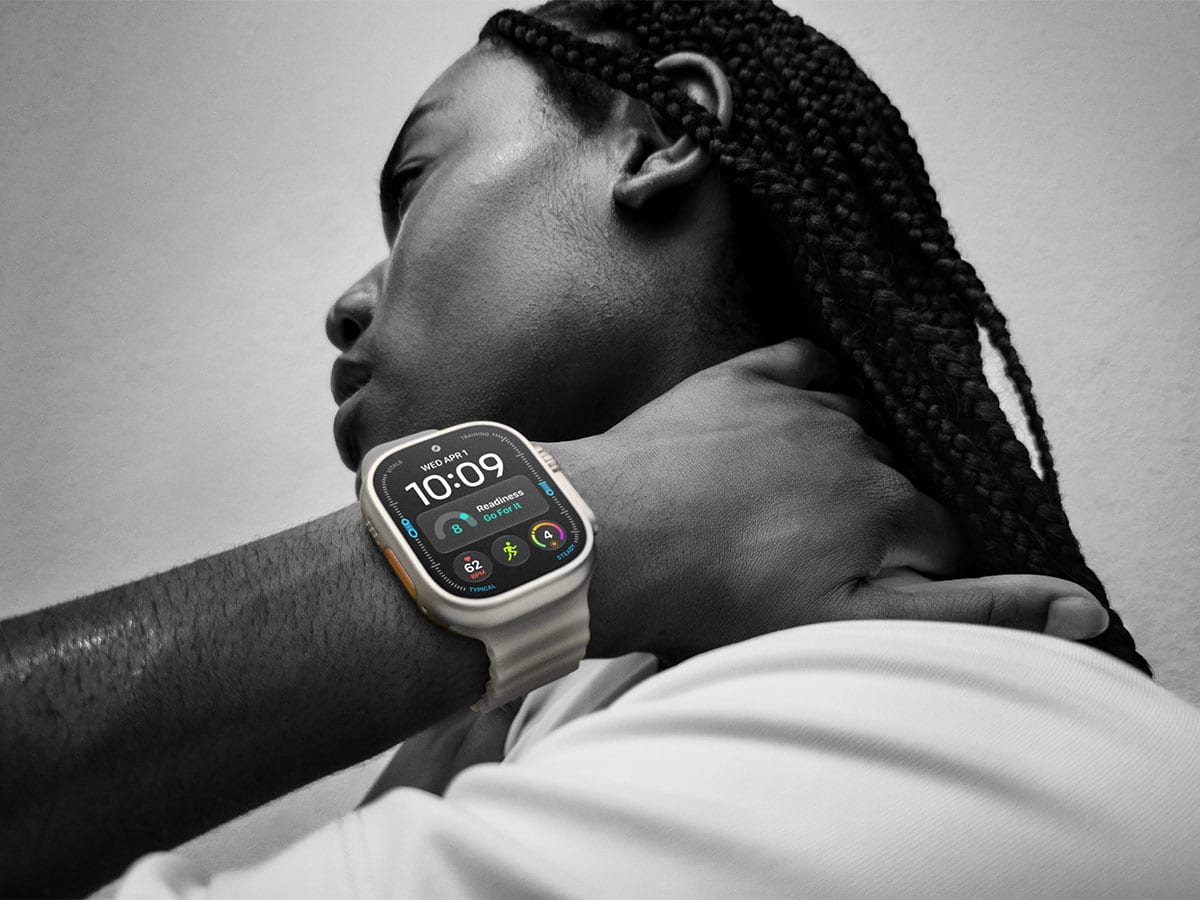
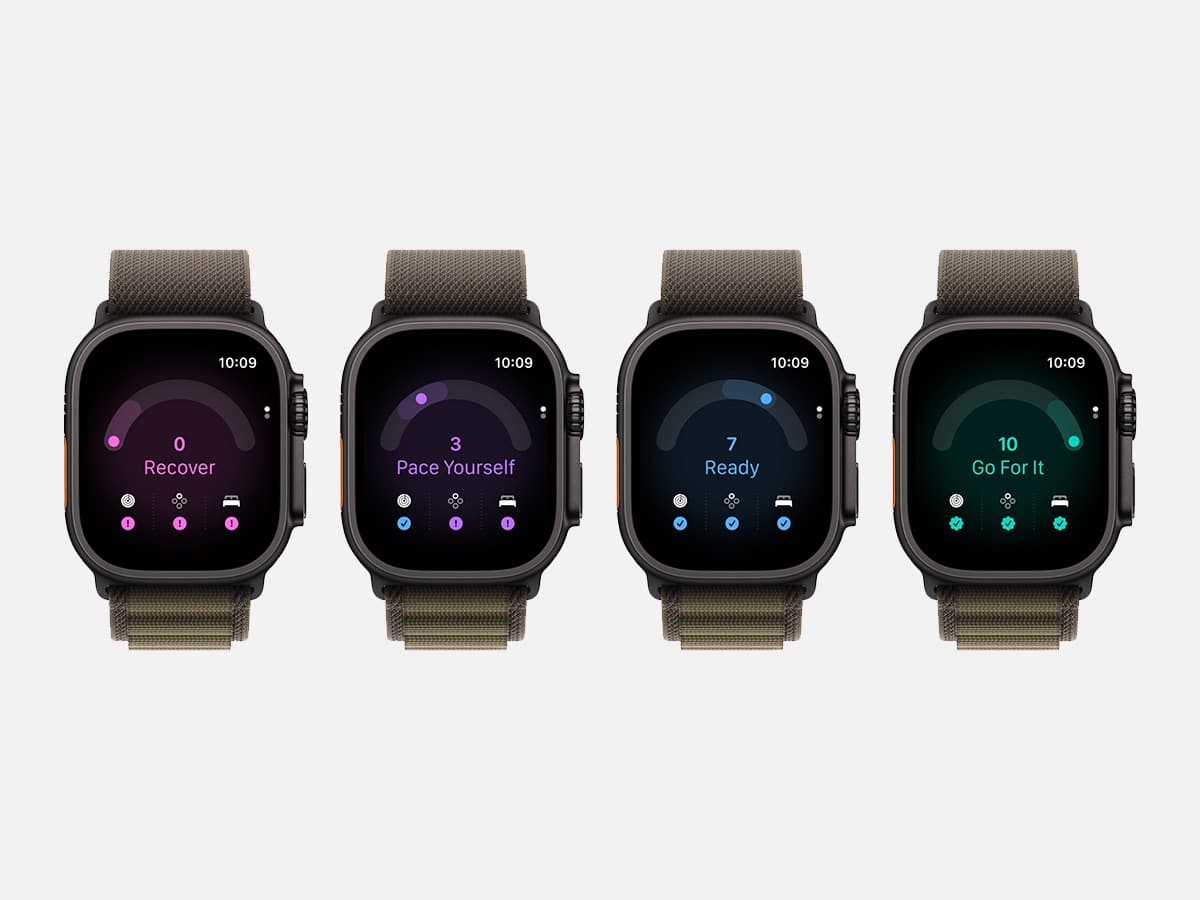
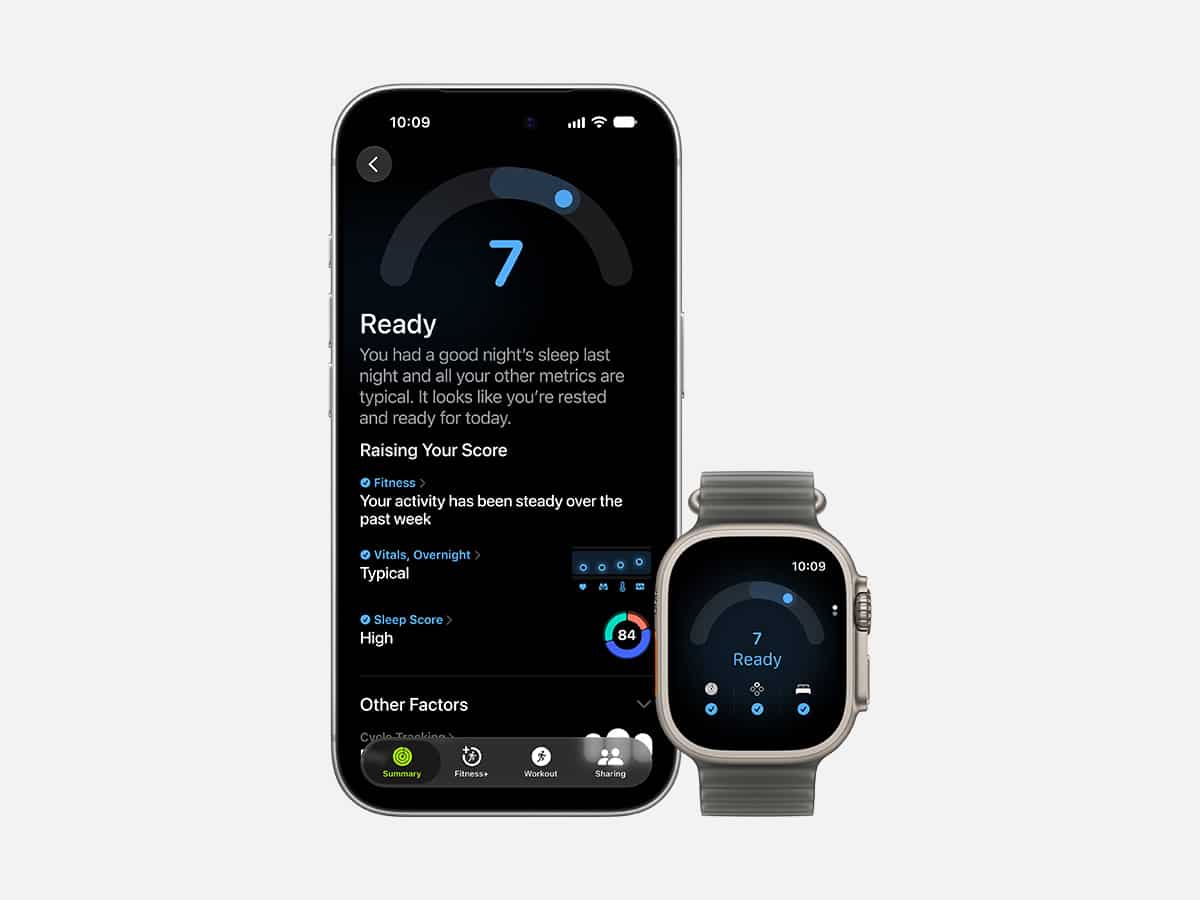
The Readiness feature is delivered as a single score on a scale of 0 to 10, accompanied by one of four action states: Recover, Pace Yourself, Ready, or Go For It. This system is designed to be intuitive for the casual user while remaining robust enough for elite athletes. The algorithm does not rely on static benchmarks; instead, it establishes a dynamic baseline for each individual user by analyzing historical sleep quality, vitals, and "training load"—a metric that measures the intensity and duration of workouts over time.
Craig Bolton, a member of Apple’s Health and Fitness team, noted that the Readiness score is designed to be a "dynamic health partner." Unlike traditional recovery scores that are locked in upon waking, the Apple Watch Readiness score recalculates throughout the day. If a user undergoes a high-stress event or an unexpectedly grueling workout, the score adjusts to reflect the body’s decreased capacity for further strain. Conversely, restorative activities such as naps or meditation can positively influence the score in real-time.
The four states provide clear operational boundaries for the user:
- Recover (0-2): Signals a significant need for rest. The system suggests prioritizing sleep and avoiding any strenuous physical activity.
- Pace Yourself (3-5): Indicates moderate physical capacity. Users are advised to stick to light activity and avoid setting new personal records.
- Ready (6-8): Suggests the body has recovered well and is prepared for standard daily routines and moderate-to-high intensity training.
- Go For It (9-10): Represents peak physical condition, suggesting the user is in an optimal window for maximum exertion or competition.
Integration with the Vitals App and Apple Intelligence
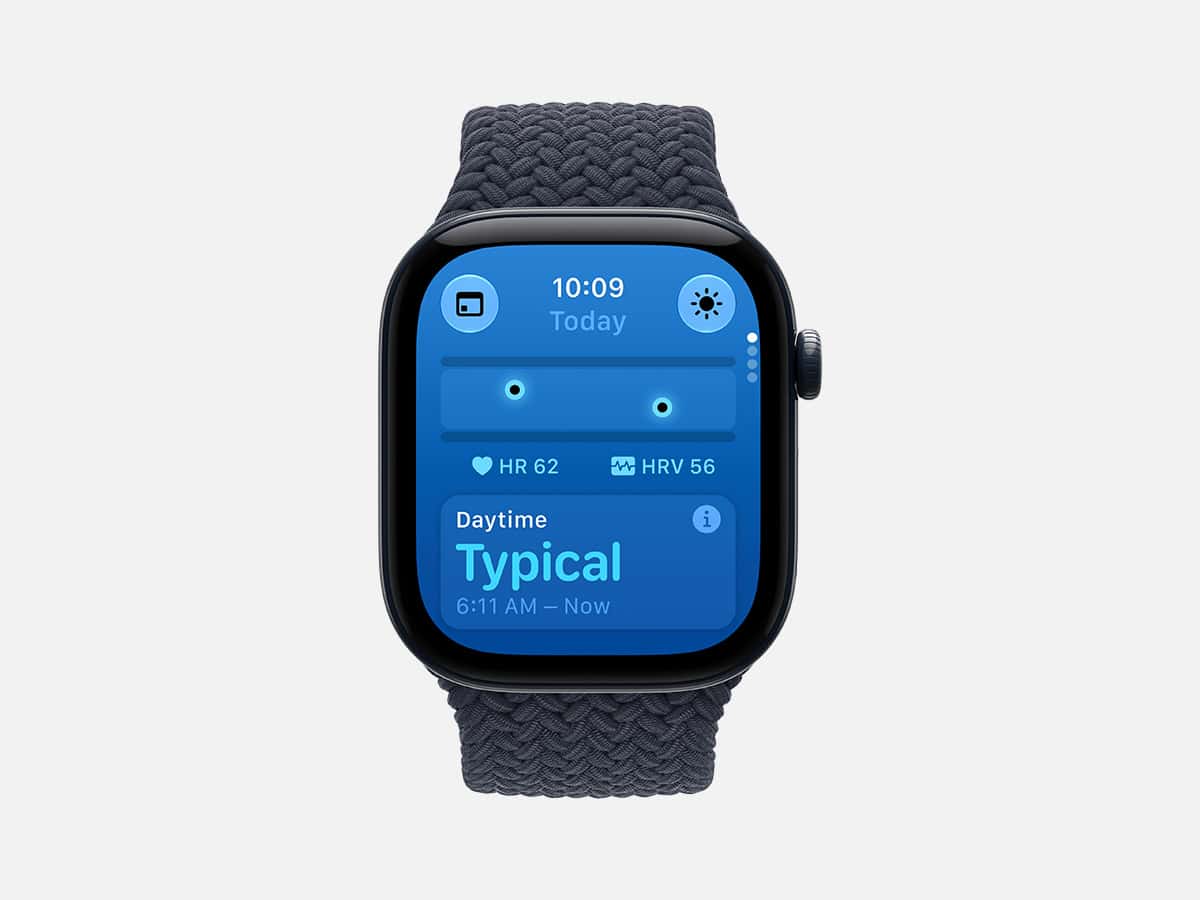
The software experience has been further enhanced through a revamped Vitals app, which now includes a daytime view. This allows users to toggle between overnight recovery metrics and active daytime vitals, providing a holistic view of how the body responds to the stresses of work, travel, and exercise. This integration is a key component of Apple’s broader strategy to use "Apple Intelligence"—the company’s proprietary AI framework—to provide personalized health insights.
With the launch of the iPhone 18 Pro Max, these watch-based metrics are synced to a redesigned Health app that features a "Longevity" tab. This feature calculates a user’s "Health Age" by comparing their physiological data against demographic averages and their own historical trends. The goal is to provide a long-term view of health that transcends daily fitness goals, focusing instead on cardiovascular health, respiratory efficiency, and mobility.
The Health app also leverages the iPhone 18 Pro Max’s advanced camera system and the Apple Watch’s sensors to perform at-home physical assessments. Users can now measure their balance, gait symmetry, and flexibility, with the data being integrated into the overall Readiness and Longevity models. This creates a feedback loop where physical performance and internal vitals are analyzed as a single, cohesive unit.
Clinical Foundation and the Apple Heart and Movement Study
Apple’s shift toward more proactive health guidance is not merely a marketing pivot but the result of years of large-scale clinical research. Data from the Apple Heart and Movement Study provided the empirical evidence needed to tune the Readiness algorithm. By analyzing millions of days of data from a diverse participant pool, Apple researchers identified the specific correlations between HRV fluctuations, sleep consistency, and physical performance.
The decision to sample recovery HRV every five minutes overnight is a direct result of these findings. HRV is a highly sensitive metric that can be influenced by everything from alcohol consumption to minor dehydration. By increasing the sampling frequency, the Apple Watch Ultra 4 can identify the "true" recovery trend of the heart, filtering out temporary spikes or dips that might lead to an inaccurate Readiness score. This level of precision is intended to give users the confidence to trust the watch’s recommendations, even when those recommendations contradict how the user "feels" subjectively.
Market Context and Industry Implications
The introduction of the Series 12 and Ultra 4 at price points of AUD$649 and AUD$1,399, respectively, places Apple in direct competition with specialized fitness brands like Garmin, Whoop, and Oura. While those companies have long offered recovery and readiness metrics, Apple’s advantage lies in its deep ecosystem integration and the sheer processing power of the S11 chip.
Industry analysts suggest that by removing the "data-intensive friction" that often accompanies high-end health trackers, Apple is expanding the market for recovery-based training. Most consumers are not interested in analyzing raw HRV graphs; they want to know if they should go for a run or stay in bed. By providing a clear 0-10 score, Apple is standardizing health communication in a way that is accessible to the general public.
Furthermore, the emphasis on "Longevity" and "Health Age" signals a move toward the burgeoning field of preventative medicine. As global populations age, the demand for tools that can monitor biological aging and provide early warnings for chronic conditions is expected to grow exponentially. Apple’s hardware-software synergy positions the company not just as a consumer electronics manufacturer, but as a significant player in the digital health infrastructure.
Conclusion: The Future of Proactive Health
The release of the Apple Watch Ultra 4 and Series 12 represents a turning point in wearable technology. The focus has shifted from the device as a passive observer to the device as a proactive advisor. Through the efficiency of the S11 chip and the precision of the new Health Sensing System, Apple has managed to make complex physiological data both invisible and invaluable.
As these devices become more integrated with Apple Intelligence and the broader Health ecosystem, the distinction between a "smartwatch" and a "medical monitor" continues to blur. For the user, the result is a clearer understanding of the human body’s limits and capabilities. Whether it is an athlete timing a peak performance or a busy professional managing stress, the Readiness score provides a data-backed roadmap for navigating the physical demands of modern life. The most effective technology, as demonstrated here, is the kind that performs the heavy lifting of analysis in the background, leaving the user with nothing but the answer.




 Yuyun Lusiyani
 Joko Widodo
 Jia Lissa
 Pevita Pearce
 admin
admin
