
 Lina Irawan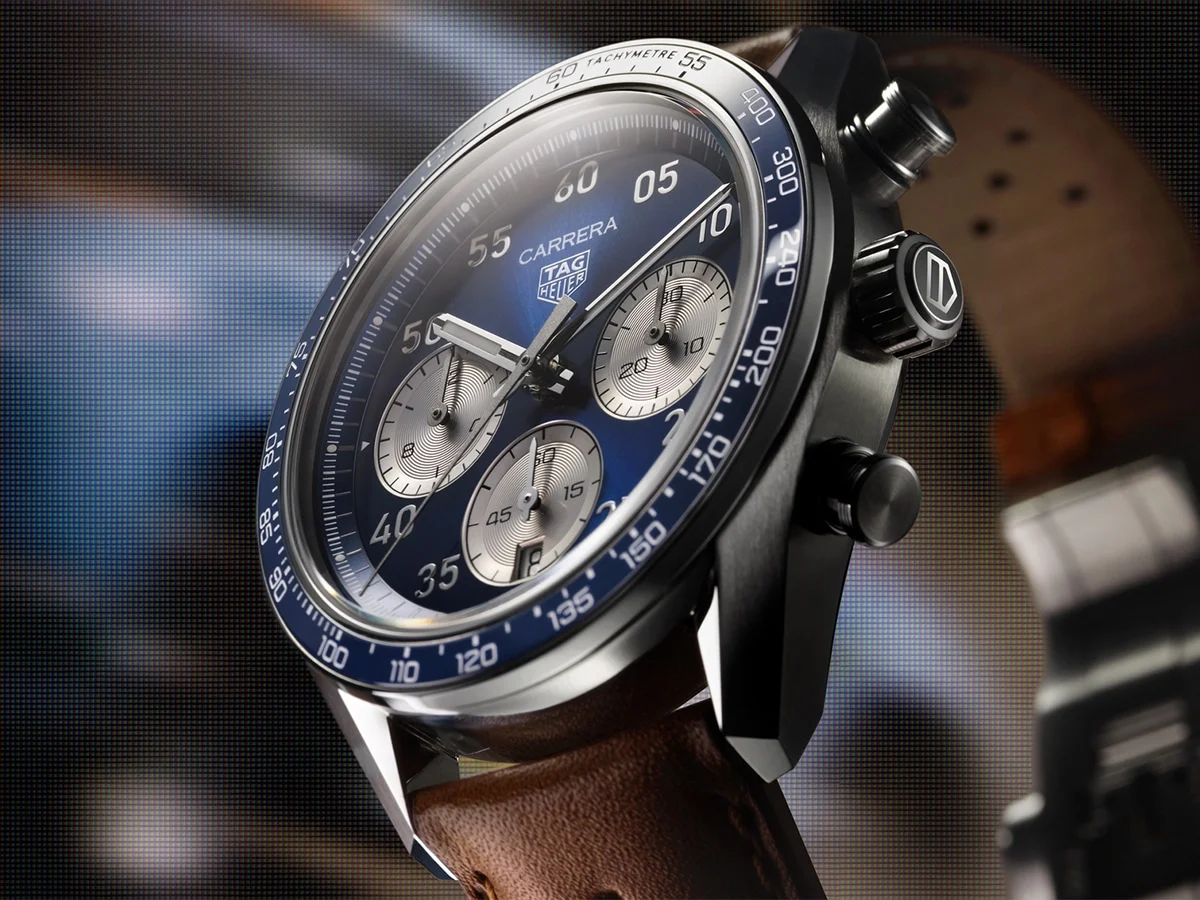
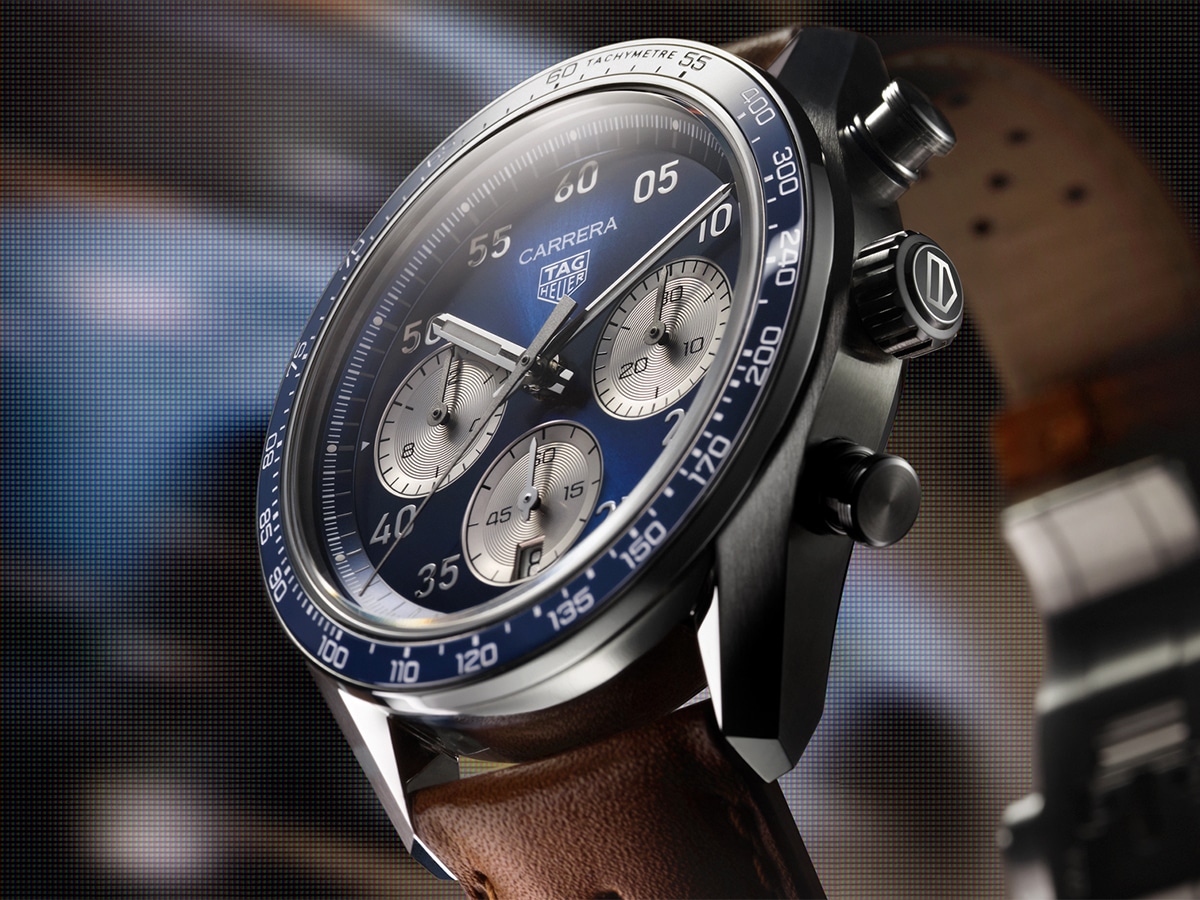
The pursuit of absolute temporal accuracy has served as the guiding principle for TAG Heuer for over 160 years, a mission that has seen the Swiss watchmaker evolve from a small workshop in Saint-Imier to the preeminent authority on sports timing. In 2026, designated by the maison as the "Year of the Chronograph," this storied history has culminated in a series of releases that bridge the gap between vintage horological milestones and cutting-edge mechanical engineering. The centerpiece of this celebration, the Carrera Chronograph Sport collection, represents more than a mere product launch; it is the manifestation of a century and a half spent chasing thousandths of a second. From the dashboard instruments of early 20th-century automobiles to the high-frequency movements powering modern Formula 1 timing, TAG Heuer’s trajectory is inextricably linked to the evolution of the chronograph as a functional tool.
The Foundations of a Precision Powerhouse (1860–1910)
The narrative of TAG Heuer began in 1860 when Edouard Heuer established his watchmaking workshop. At a time when the industrial revolution was accelerating the pace of global commerce and travel, Heuer recognized that the future of horology lay not just in telling the time, but in measuring it. By 1882, Heuer had filed his first patent for a chronograph mechanism, followed shortly by a landmark innovation in 1887: the oscillating pinion. This invention, which allowed the chronograph function to engage and disengage more efficiently, remains a foundational component in the production of mechanical chronographs by many of the world’s leading watchmakers today.
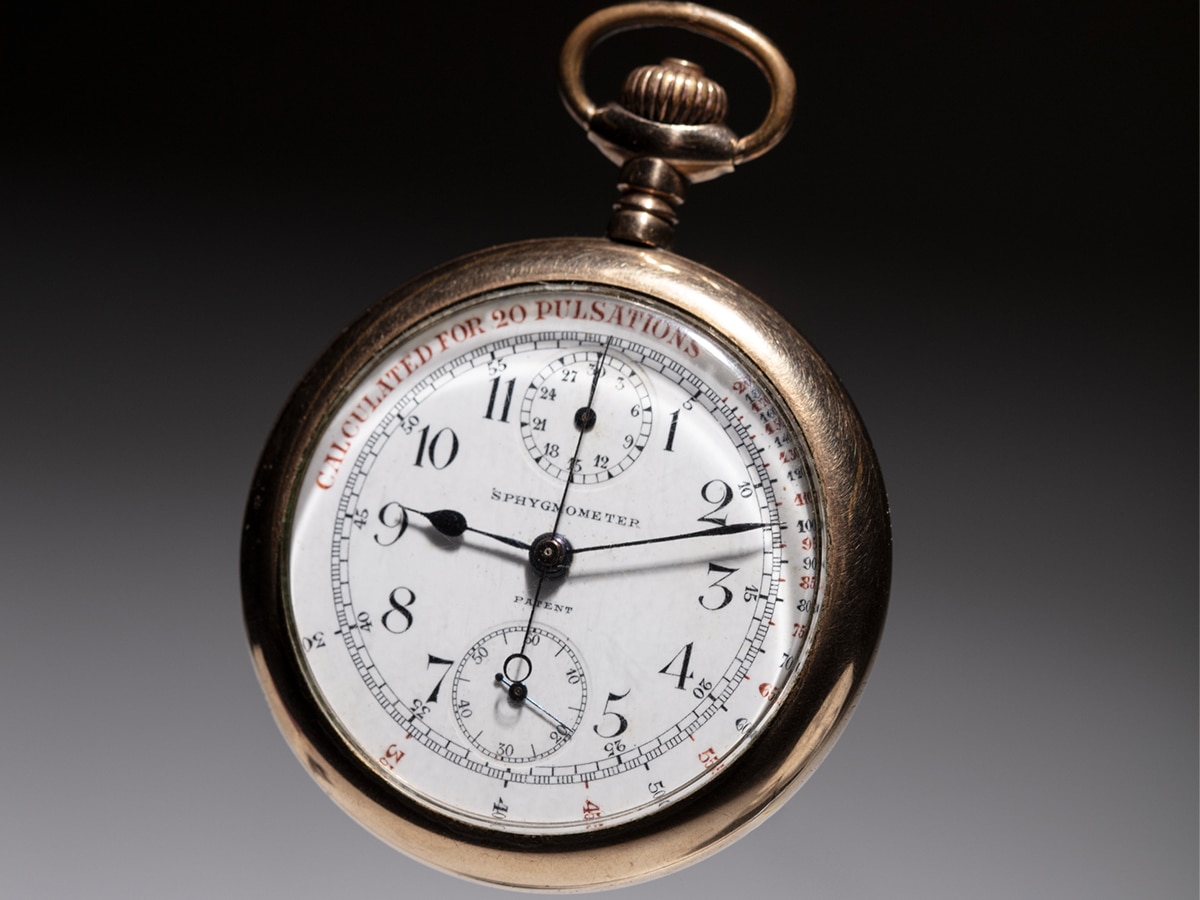
The turn of the century saw the brand further cement its reputation for functional reliability. In 1908, the release of the sphygmometer demonstrated Heuer’s ability to adapt precision timing for specialized professional use. By combining a moisture-proof case with a keyless winding mechanism and the patented oscillating pinion, the device provided medical professionals with a reliable tool for measuring heart rates. This period established the "Heuer DNA"—a commitment to creating watches that served as essential instruments rather than mere jewelry.

The Dawn of High-Frequency Timing and the Dashboard Era
As the 20th century progressed, the emergence of competitive racing and aviation demanded a new level of precision. Heuer responded in 1911 with the "Time of Trip," the first dashboard-mounted chronograph designed specifically for aircraft and automobiles. This device allowed pilots and drivers to track the duration of their journeys, a critical requirement for navigation and logistics in the early days of mechanized travel.
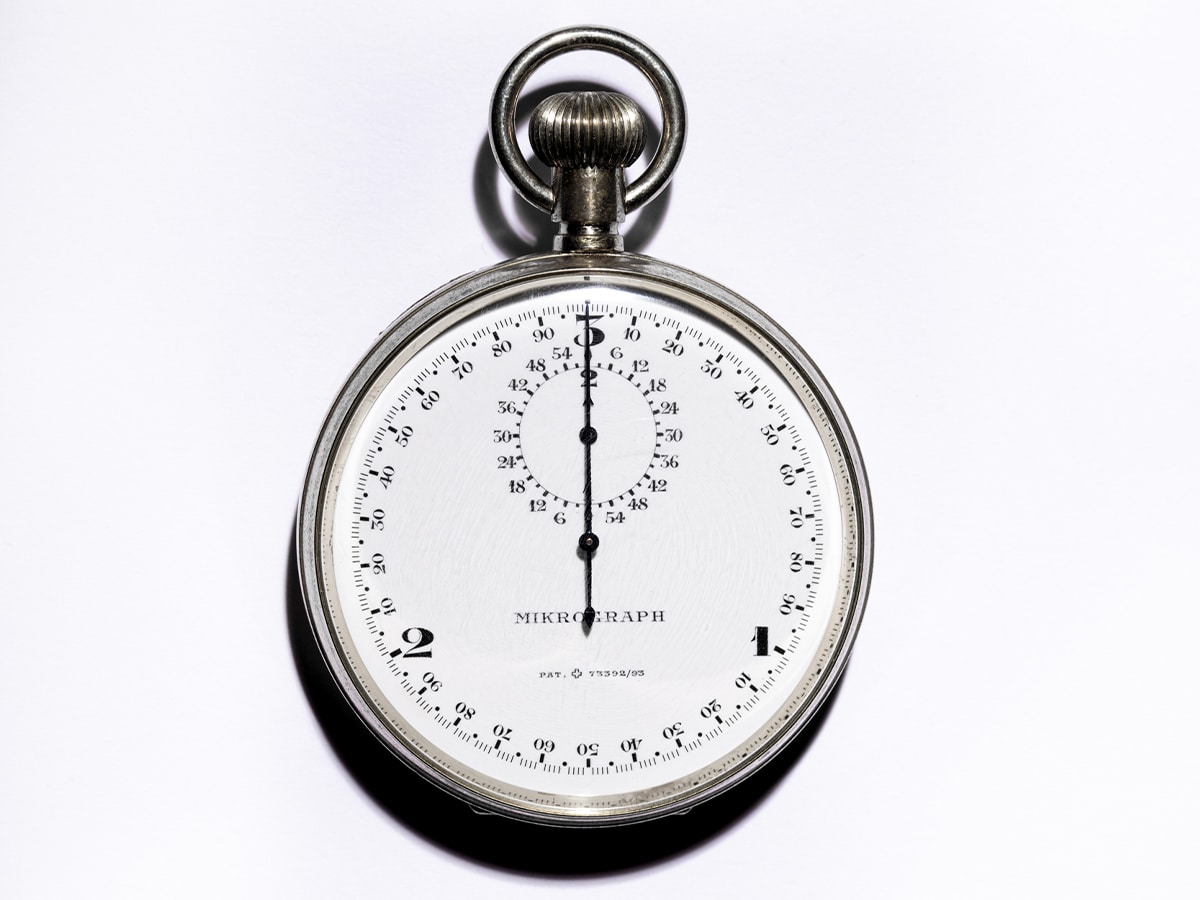
However, the brand’s most significant technical breakthrough of the era arrived in 1916 with the Mikrograph. This was the world’s first stopwatch capable of measuring time to 1/100th of a second. To achieve this, the movement had to beat at a frequency of 360,000 vibrations per hour—ten times faster than the standard chronographs of the day. The Mikrograph revolutionized sports timing, leading to Heuer’s appointment as the official timekeeper for the Olympic Games in 1920, 1924, and 1928. This achievement shifted the benchmark for accuracy and established a precedent for the brand’s future involvement in high-stakes competitive sports.
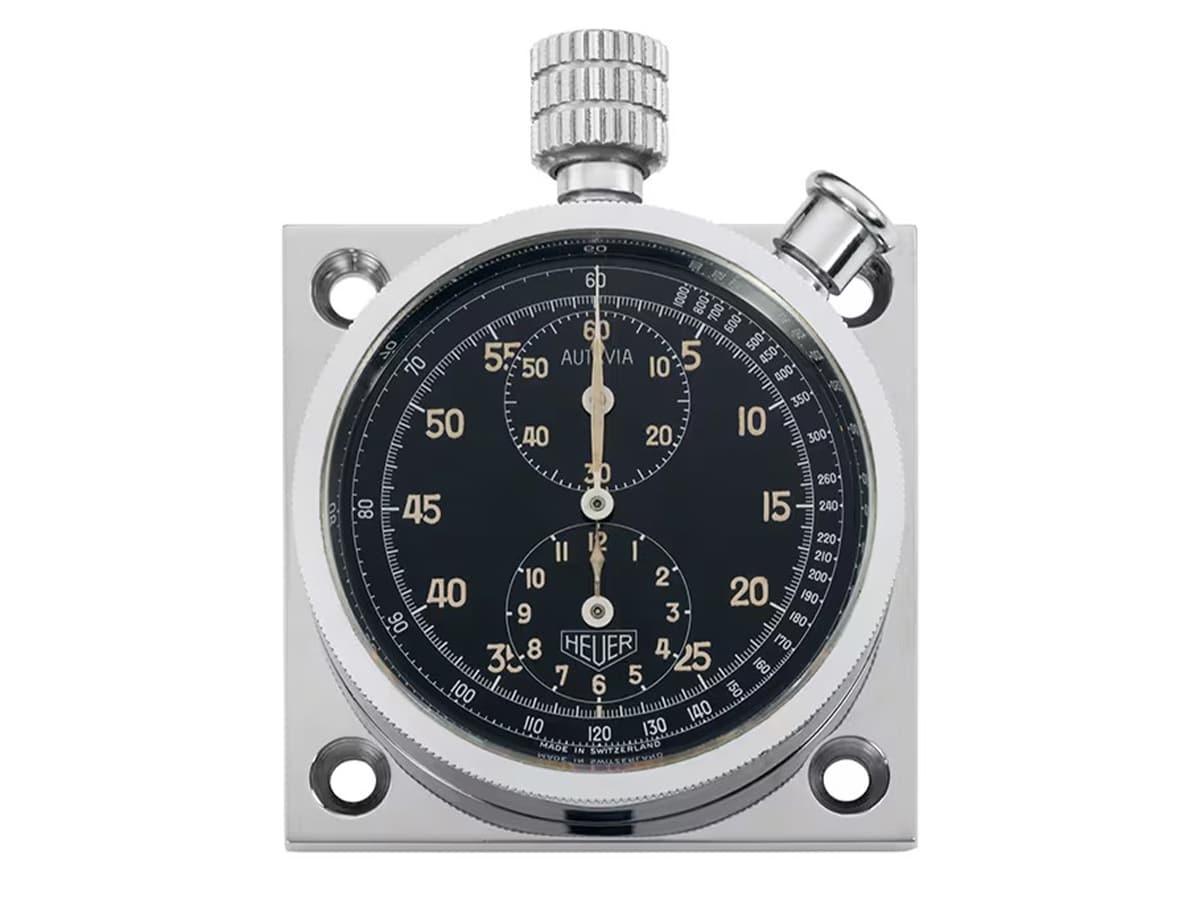
In 1933, the brand introduced the Autavia, a name coined from the contraction of "Automobile" and "Aviation." Originally a 12-hour stopwatch for dashboards, the Autavia’s legibility and ruggedness made it a favorite among racing teams. Paired with the Hervue eight-day clock, these instruments became standard equipment for professional drivers, marking the beginning of a decades-long romance between Heuer and the world of motorsport.
The Jack Heuer Era and the Birth of Icons (1960–1969)
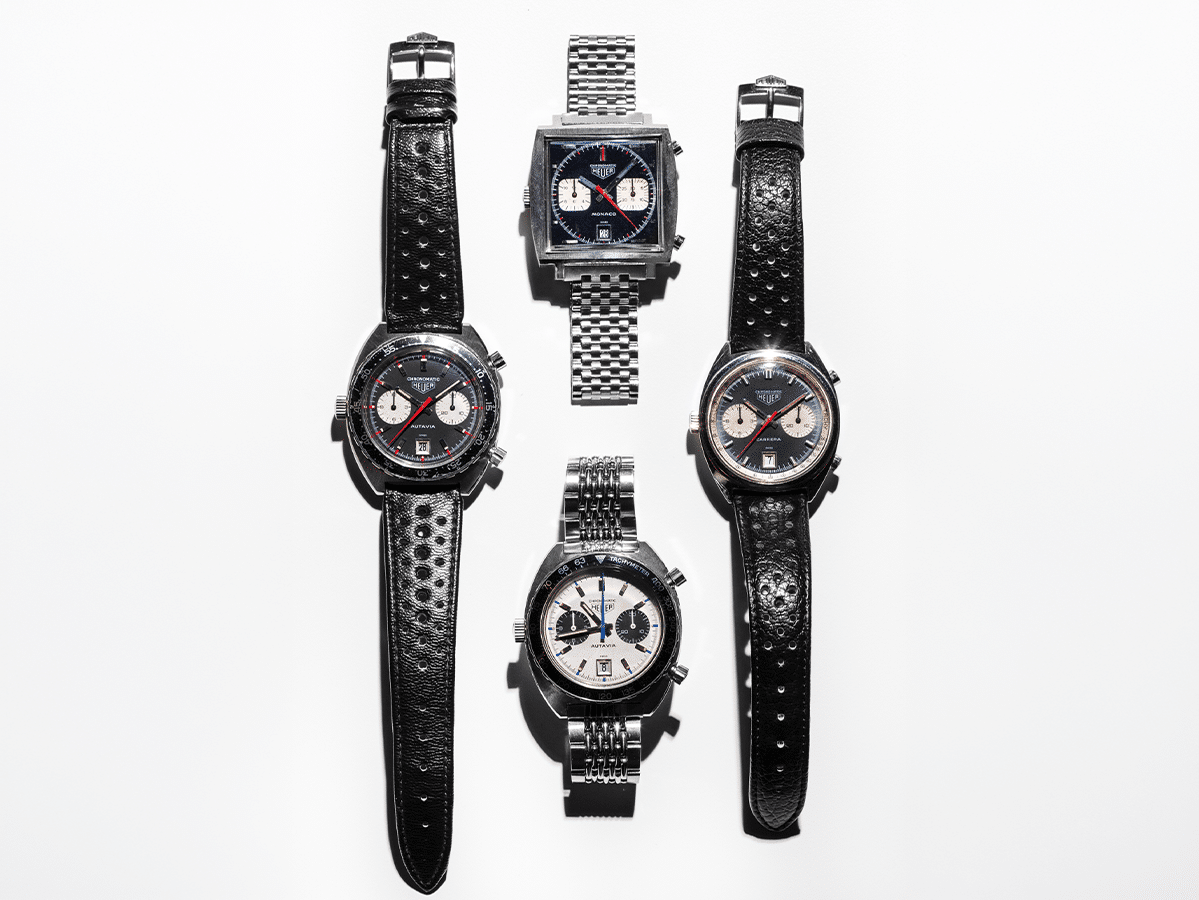
The 1960s are widely regarded as the golden age of the chronograph, a decade defined by the leadership of Jack Heuer, the great-grandson of the founder. Jack, an engineer by training and a racing enthusiast by heart, understood that a driver’s watch needed to be as legible as a dashboard instrument. This philosophy led to the creation of the Carrera in 1963. Named after the notoriously dangerous Carrera Panamericana road race, the watch featured a clean, uncluttered dial and a recessed tension ring that maximized the visible area of the face.
The decade also saw the launch of the Monaco in 1969, a watch that defied horological convention with its square, water-resistant case. While the Carrera was an exercise in minimalist precision, the Monaco was a bold statement of avant-garde design. However, the true revolution of 1969 was internal: the launch of the Calibre 11, also known as the "Chronomatic." Developed in collaboration with Breitling, Hamilton-Buren, and Dubois Dépraz, the Calibre 11 was one of the world’s first automatic chronograph movements. This innovation allowed the wearer to enjoy the convenience of self-winding technology without sacrificing the stopwatch functionality that had become the brand’s hallmark.
Motorsport Integration and the TAG Acquisition
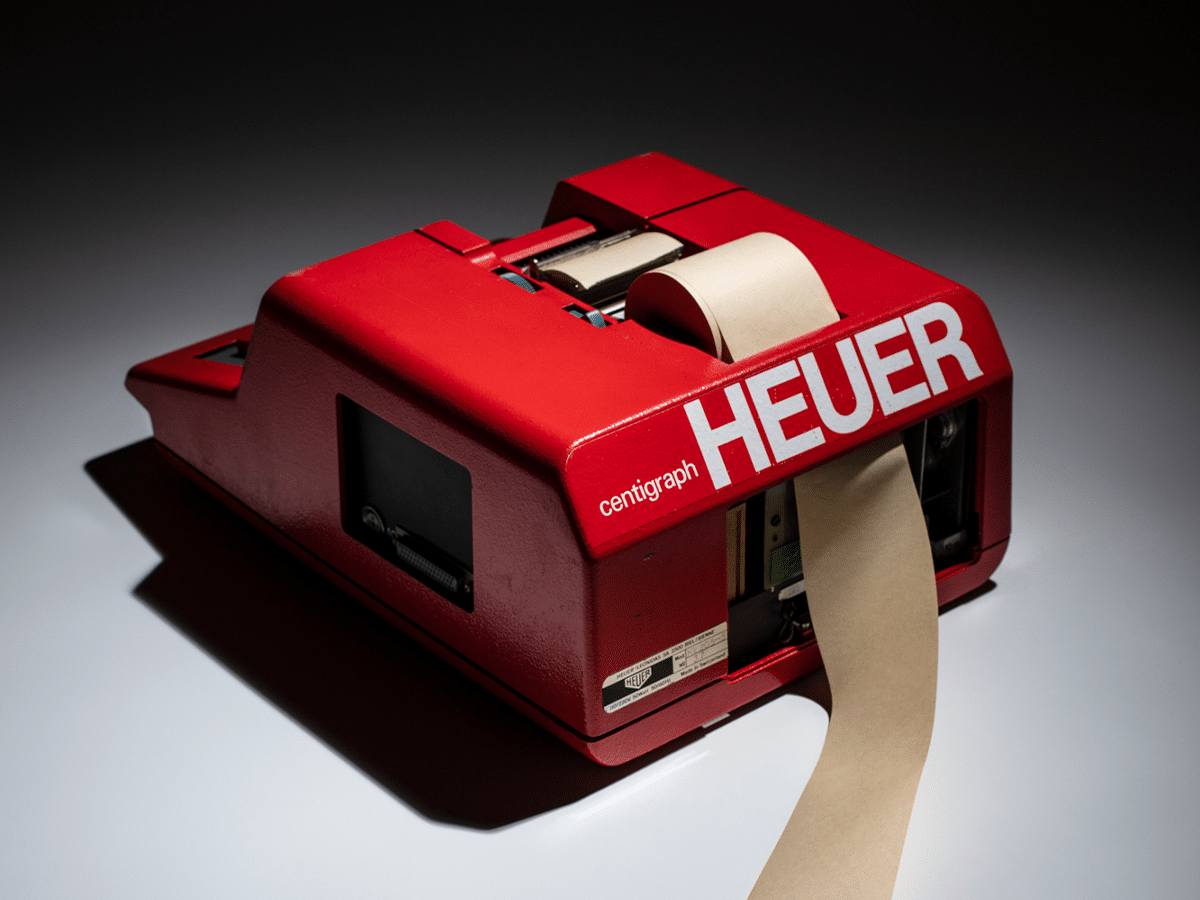
The 1970s marked the formalization of Heuer’s relationship with Formula 1. In 1971, the maison partnered with Scuderia Ferrari, outfitting the team’s Maranello test track with the Le Mans Centigraph, an electronic timing system capable of measuring 1/1,000th of a second. This partnership was not merely a marketing exercise; it was a technical collaboration that saw Heuer engineers working alongside Ferrari’s pit crews to refine timing accuracy under extreme conditions.
The brand’s resilience was tested during the "Quartz Crisis" of the mid-1970s, but Heuer leaned into the new technology rather than retreating. In 1975, the brand released the Chronosplit, the world’s first quartz-powered wristwatch chronograph with a dual LED/LCD display, accurate to 1/100th of a second.
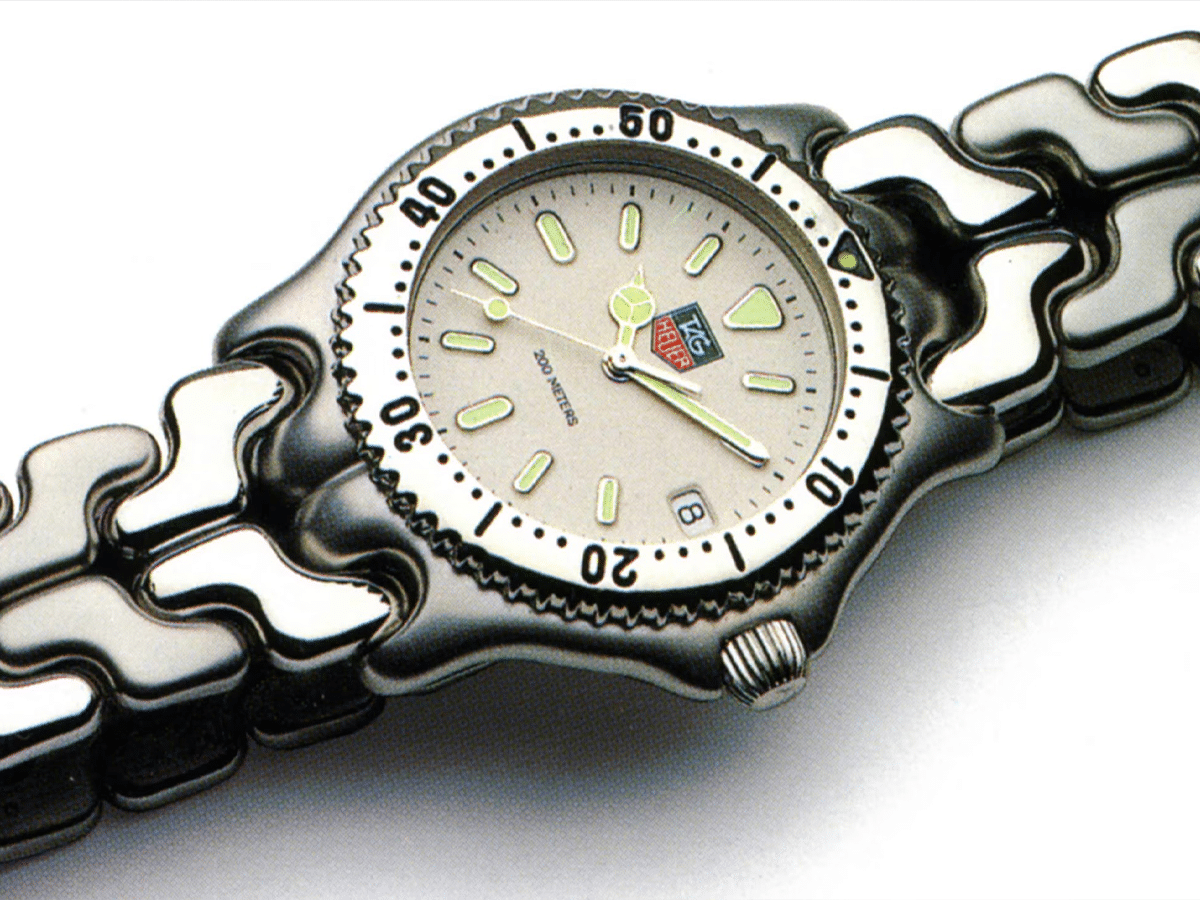
A pivotal turning point occurred in 1985 when Techniques d’Avant Garde (TAG), a firm specialized in high-tech aviation and racing components, acquired Heuer. The newly formed TAG Heuer immediately looked to the future, launching the Formula 1 collection in 1986. This line, characterized by its vibrant colors and synthetic materials, democratized the brand and introduced a new generation to the world of chronographs. The late 1980s also saw the introduction of the S/EL (Sport/Elegant) series, which became the personal signature of legendary driver Ayrton Senna. The image of Senna wearing his two-tone S/EL chronograph while commanding the cockpit of a McLaren remains one of the most enduring symbols of the brand’s racing heritage.
The Official Timekeeper of Formula 1: A Legacy Reclaimed
From 1992 to 2003, TAG Heuer served as the Official Timekeeper of Formula 1, a role that required the development of timing systems capable of recording 1/10,000th of a second. This period saw the brand push the boundaries of electronic and mechanical integration. After a hiatus, the announcement that TAG Heuer would reclaim its role as the Official Timekeeper of Formula 1 starting in 2025 has been met with significant industry acclaim. This return to the pinnacle of motorsport timing signifies a full-circle moment for the brand, reinforcing its status as the "racer’s watchmaker."
In the 21st century, the brand has continued to innovate with mechanical marvels such as the Mikrotimer Flying 1000 and the Mikrogirder, the latter of which achieved a frequency of 1,000 Hz, allowing for the measurement of 5/10,000ths of a second. These "concept" pieces have served as laboratories for the technologies that eventually trickle down into the brand’s commercial collections.
2026: The Year of the Chronograph and Future Implications
The current "Year of the Chronograph" celebration in 2026 serves as a comprehensive showcase of this 166-year journey. The new Carrera Chronograph Sport collection features the Calibre TH-80, a movement that offers an 80-hour power reserve and represents the brand’s latest advancement in mechanical efficiency. Industry analysts note that these releases are strategically positioned to capitalize on the growing consumer demand for "heritage-plus" timepieces—watches that honor historical designs while offering modern technical specifications.
The collaboration with Team Ikuzawa and the release of the new Monaco Chronographs further illustrate the brand’s ability to balance diverse influences, from Japanese street culture to high-performance engineering. According to market data from the Federation of the Swiss Watch Industry, the chronograph remains one of the most sought-after complications in the luxury segment, and TAG Heuer’s dominance in this category continues to drive its global market share.
As TAG Heuer looks toward the future, the implications of its ongoing innovations are clear. By maintaining a relentless focus on precision and a deep-seated connection to the automotive world, the brand has successfully navigated the transition from a specialized tool-maker to a global luxury icon. The 2026 collection is not just a tribute to the past; it is a statement of intent. In the world of high-performance watchmaking, where every millisecond counts, TAG Heuer has demonstrated that while perfection may be an elusive goal, the pursuit of it is a race that never ends.




 Yuyun Lusiyani
 Joko Widodo
 Jia Lissa
 Pevita Pearce
 admin
admin
