
 Pevita Pearce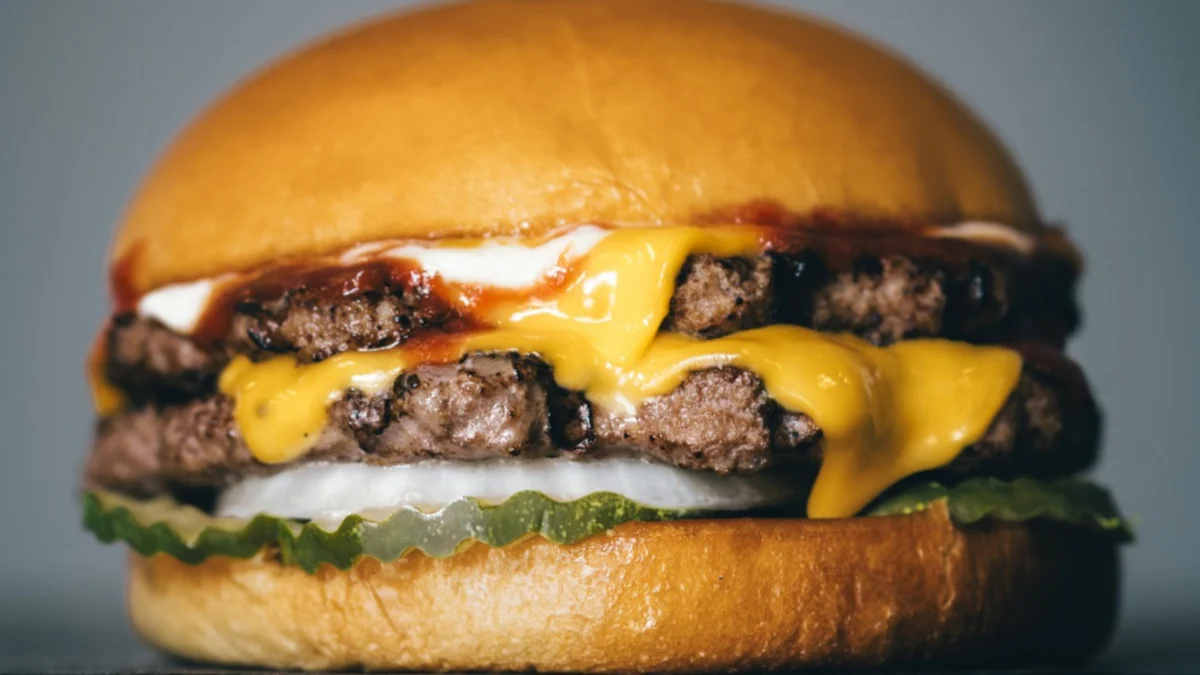
In an aggressive maneuver within the quick-service restaurant industry, Carl’s Jr. has announced a new promotional campaign titled Stealing the Crown, aimed directly at consumers who have expressed dissatisfaction with rival burger chains. The campaign, which leans heavily on monarchal imagery and themes of "royalty," offers a free Angus Maximus burger to individuals who can prove they have shifted their allegiance from a competitor—most notably the "King" of the industry. By inviting customers to trade in physical or digital proof of a "royally disappointing" experience, Carl’s Jr. is positioning its premium Angus beef offerings as the superior alternative to standard fast-food fare.
The promotion is structured as a direct challenge to the status quo of flame-grilled and assembly-line burgers. According to official statements from CKE Restaurants Holdings, Inc., the parent company of Carl’s Jr., the initiative is designed to highlight the brand’s commitment to quality over convenience. The campaign focuses on the Angus Maximus, a high-end menu item that the company asserts represents a significant upgrade from the offerings of its primary competitors.
Mechanics of the Stealing the Crown Promotion
To participate in the Stealing the Crown giveaway, consumers must navigate a specific set of requirements designed to drive engagement with the brand’s digital platforms. The promotion is exclusively available to members of the "My Rewards" loyalty program, reflecting a broader industry trend where fast-food chains prioritize app-based customer acquisition and data collection.
Eligible participants are required to submit proof of their "disappointment" through the brand’s official Instagram account. This proof can take one of two forms: a photograph of a competitor’s cardboard crown being discarded or a valid receipt from a rival burger chain. While Carl’s Jr. has not explicitly named Burger King in its marketing materials, the repeated references to "crowns" and "the King" leave little doubt regarding the primary target of the campaign.
The submission window for the promotion is notably brief, scheduled to run from September 18 through September 25, 2026. Furthermore, the company has implemented a strict "early bird" policy, stating that only the first 100 eligible entries will receive the digital offer for a free Angus Maximus. This scarcity tactic is a common marketing strategy used to generate immediate social media buzz and urgency among a brand’s most active followers.
Specific Eligibility Criteria and Redemptions
The legal parameters of the giveaway are stringent. Participants must be legal residents of the 50 United States or Washington, D.C., and must be at least 18 years of age at the time of entry. A crucial component of the entry is the date on the competitor’s receipt; to be considered valid, the receipt must be dated between January 1 and September 7, 2026. This wide window allows customers to use documentation from earlier in the year to justify their "royally disappointed" status.

Once a user’s entry is verified as one of the first 100, a digital coupon for the Angus Maximus will be loaded into their My Rewards account via the Carl’s Jr. mobile app. The reward has a redemption deadline of October 27, 2026, providing winners with approximately one month to claim their free meal. The company has clarified that the offer is limited to the sandwich alone and cannot be redeemed as part of a combo meal, nor can it be combined with other discounts or utilized through third-party delivery services like DoorDash or Uber Eats.
The Angus Maximus: Product Specifications and Market Positioning
The centerpiece of the campaign is the Angus Maximus, a burger that Carl’s Jr. characterizes as a "revolution" in the fast-food space. The sandwich is priced at a suggested retail value of $5.99, placing it in the premium tier of the chain’s menu. The Angus Maximus is composed of:
- Two charbroiled Angus beef patties with a combined weight of 5.7 ounces.
- Two slices of melted American cheese.
- Freshly sliced onions and dill pickles.
- The brand’s signature "special sauce."
- A toasted brioche bun.
The emphasis on "charbroiling" is a key differentiator for Carl’s Jr. Unlike the conveyor-belt grilling methods used by some competitors, charbroiling is marketed as a technique that better preserves the flavor and texture of the beef. Burge Diemer, the Chief Marketing Officer for Carl’s Jr., emphasized this point in a press release, stating, "A burger worth fighting for shouldn’t be waiting for you in a holding cabinet—it should hit the grill when you order it." This statement serves as a direct critique of the "holding" practices often associated with high-volume fast-food chains.
The Strategic Context of Comparative Advertising
The Stealing the Crown campaign is the latest example of "challenger brand" marketing, where a company with a smaller market share directly attacks the leader of its category. In the United States, the "Burger Wars" have been a staple of the advertising landscape for decades, involving heavyweights like McDonald’s, Wendy’s, and Burger King.
Carl’s Jr. has historically utilized provocative and sometimes controversial marketing to carve out a niche among younger, male-skewing demographics. By framing the Angus Maximus as a "King-killer," the brand is attempting to capitalize on consumer fatigue with standard fast-food quality. This approach follows a similar move by Domino’s in August 2026, where the pizza giant offered free personal pizzas to customers who provided proof of purchase for a Big Mac or a Whopper.
Industry analysts suggest that these "switch-and-save" style promotions are becoming more prevalent as food inflation continues to impact consumer spending. By offering a high-value item for free, brands can lure customers away from their established habits and introduce them to their own loyalty ecosystems.
Timeline of the Burger Revolution Promotion
The chronology of the Stealing the Crown event is carefully orchestrated to maximize impact:

- January 1 – September 7, 2026: The period during which competitor receipts must be dated to qualify for the promotion.
- September 11, 2026: Initial announcement of the campaign and the introduction of the Angus Maximus burger.
- September 18, 2026: Official start date for submissions via Instagram direct messaging.
- September 25, 2026: Conclusion of the submission window.
- October 27, 2026: Final deadline for winners to redeem their free burger via the Carl’s Jr. app.
This timeline ensures that the brand remains in the public consciousness for nearly two months, from the initial teaser to the final redemption of the product.
The Role of Digital Transformation and Loyalty Programs
At its core, the Stealing the Crown campaign is a vehicle for driving downloads and active usage of the Carl’s Jr. My Rewards app. In the modern QSR (Quick Service Restaurant) landscape, digital sales and loyalty data are often more valuable than the immediate profit from a single transaction.
By requiring participants to be My Rewards members, Carl’s Jr. gains access to valuable consumer data, including purchasing habits, location data, and contact information for future marketing efforts. This shift toward "app-only" deals allows chains to bypass traditional advertising costs and engage in personalized marketing. According to industry reports, customers who use a restaurant’s proprietary app tend to have a higher "lifetime value" (LTV) than walk-in customers, as they are more likely to respond to push notifications and exclusive digital offers.
Market Implications and Brand Sentiment
The success of such a campaign is measured not just in burgers given away, but in the shift in brand perception. By positioning itself as the "champion" of the disappointed consumer, Carl’s Jr. is attempting to build an image of culinary integrity. The focus on Angus beef—a higher grade than the standard ground beef used in many fast-food patties—is a central pillar of this strategy.
However, the limited nature of the giveaway (only 100 winners) carries potential risks. While it generates headlines, it may also lead to "royally disappointed" customers of its own if fans feel the promotion was too difficult to win. To mitigate this, Carl’s Jr. often pairs these highly limited giveaways with broader "consolation" offers, such as smaller discounts or points multipliers for all My Rewards members during the promotion period.
Conclusion: The Future of the Burger Wars
As the fast-food industry continues to evolve, the competition for "stomach share" is becoming increasingly fierce. Carl’s Jr.’s Stealing the Crown campaign represents a bold attempt to weaponize competitor dissatisfaction. By focusing on the perceived flaws of "the King" and highlighting the artisanal qualities of the Angus Maximus, Carl’s Jr. is signaling that it is no longer content to stay in the shadows of the industry’s largest players.
Whether this specific promotion leads to a long-term shift in market share remains to be seen. However, it underscores a fundamental reality of the 2026 fast-food market: quality, digital engagement, and aggressive brand positioning are the primary tools for survival in an increasingly crowded and cost-conscious environment. The Angus Maximus is not just a burger; it is a tactical asset in a larger struggle for dominance in the American quick-service landscape.




 Yuyun Lusiyani
 Joko Widodo
 Eva Lovia
 admin
admin
 Lina Irawan