
 Pevita Pearce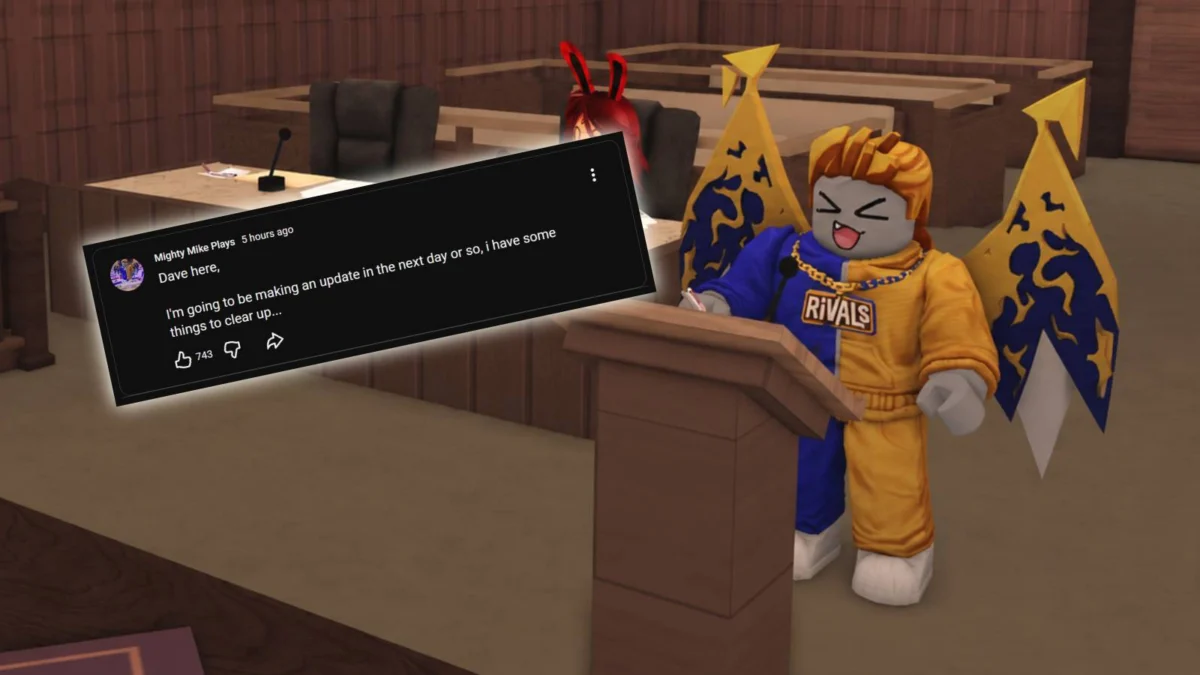
The patriarch of the "Mighty Mike Plays" YouTube channel, identified as Dave, has reportedly initiated threats of legal action for libel against several prominent content creators. This escalation follows a wave of skepticism regarding his viral claim that his nine-year-old son inadvertently accrued $118,000 in advertising debt. The controversy, which began as a cautionary tale about digital safety and corporate credit card security, has rapidly evolved into a complex dispute involving allegations of fraud, predatory merchandising, and the legal boundaries of online commentary.
The situation reached a critical point when Dave allegedly sent an email to a disgruntled customer who had requested a refund for high-priced merchandise. In the communication, which was subsequently shared on social media platform X, Dave asserted his integrity while signaling intent to pursue litigation. "I’m an honest person, I’m not a scammer," the message reportedly stated. "All those channels are spreading lies and I’m suing them very soon for libel." This statement appears to be a direct response to a series of investigative videos produced by high-profile YouTubers who have questioned the veracity of the $118,000 figure and the circumstances surrounding it.
The Genesis of the $118,000 Advertising Debt Claim
The narrative first gained international attention when Dave went public with a distressing account of financial ruin. According to his initial reports, his nine-year-old son, the face of the "Mighty Mike Plays" gaming channel, had accessed a company credit card linked to a Google Ads account. Dave claimed the child used the card to promote the channel’s Minecraft and Roblox videos, allegedly spending $118,000 before the charges were noticed.
In subsequent updates, Dave described the dire consequences of the incident, stating that he had been terminated from his employment and was held personally liable for the debt. He claimed his former employer had granted him a 30-day window to repay the full amount, failing which he faced the potential loss of his family home. The story initially garnered sympathy from the gaming community, highlighting the risks of "one-click" purchasing and the lack of robust parental controls on major advertising platforms.
However, as the story moved from niche gaming circles to the broader internet, technical experts and digital marketing professionals began to analyze the feasibility of the claim. Critics pointed out that Google Ads typically requires significant verification for high-budget campaigns and often implements daily spending limits that would prevent a new or low-traffic account from spending six figures in a short duration without triggering immediate fraud alerts or account suspensions.
Chronology of the Controversy and the Shift in Public Sentiment
The transition from a sympathetic news story to a subject of intense scrutiny occurred over several distinct phases. Following the initial viral posts, the family launched a merchandise line under the "Mighty Mike Plays" brand. This move, intended to help settle the alleged debt, became the primary catalyst for skepticism. The store featured "AI-assisted" t-shirts with price points ranging from $67 to $97, significantly higher than standard creator merchandise.
By mid-September 2026, the sentiment on social media had shifted. On September 22, the channel disabled comments on its videos, a move often interpreted by the YouTube community as an attempt to stifle criticism. Simultaneously, several "commentary" YouTubers—including penguinz0 (Charlie White), Mujin, and Deep Humor—published detailed breakdowns of the situation. These creators highlighted several inconsistencies, including the lack of redacted billing statements as proof, the unusual nature of the merchandise, and the logistical hurdles of spending such a large sum on YouTube ads in a short timeframe.
In response to the mounting pressure, Dave posted a YouTube Community update promising to "clear things up" within 24 hours. However, this post was later deleted, and the promised comprehensive explanation has yet to materialize. Instead, the focus has shifted to the alleged legal threats, with creator Deep Humor publishing a video titled "Mighty Mike Plays Dad is Suing Me," wherein he analyzed Dave’s claims of libel and defended his right to voice skepticism based on the available evidence.
Analytical Perspective: The Mechanics of Digital Advertising and Libel Law
To understand the skepticism surrounding the $118,000 claim, it is necessary to examine the operational standards of Google’s advertising ecosystem. For an account to spend $118,000, it would generally require a high "daily budget" setting. For example, to spend that amount over 30 days, the account would need to average nearly $4,000 in spending per day. For most standard accounts, especially those not previously vetted for high-volume spending, Google’s automated systems often flag sudden spikes in expenditure as suspicious activity.
Furthermore, the "Mighty Mike Plays" channel’s metrics did not appear to reflect a $118,000 injection of paid traffic. While the channel saw a surge in views following the viral news story, critics argue that the organic growth from being a "news item" likely outweighed any results from a poorly optimized ad campaign run by a child.
From a legal standpoint, the threat of a libel lawsuit carries significant burdens of proof. In most jurisdictions, for a statement to be considered libelous, it must be proven that the statement was false, that it was published to a third party, and that it caused harm to the subject’s reputation. In the United States, if Dave is considered a "limited-purpose public figure" due to his decision to go public with his story to solicit funds or sell merchandise, the legal standard becomes even higher, requiring proof of "actual malice"—meaning the creators knew the information was false or acted with reckless disregard for the truth.
Merchandising Strategy and the Role of AI
The introduction of the "118K" merchandise line has remained a central point of contention. The use of artificial intelligence to generate designs for shirts priced at nearly $100 was perceived by many as an attempt to maximize profit margins during a period of heightened visibility. The designs, which prominently featured the "118K" figure, were criticized for "gamifying" a supposed family crisis.
The pricing strategy—$67 for a basic tee and up to $97 for others—is nearly triple the average price of merchandise for creators of a similar or even larger size. While Dave argued these prices were necessary to meet the 30-day repayment deadline, the lack of transparency regarding the "company" that owned the credit card or the specific terms of the repayment plan led to accusations that the entire narrative was a "marketing stunt" or a "get-rich-quick" scheme.
As of late September, the links to the merchandise store have been removed from the "Mighty Mike Plays" YouTube channel description and profile. Despite this, the independent store remains active online, continuing to offer the high-priced items. This discrepancy has led to further confusion, as it remains unclear whether the family is distancing themselves from the merchandise due to the backlash or simply moving the sales funnel away from the direct scrutiny of the YouTube platform.
Broader Implications for the Creator Economy and Digital Literacy
The "Mighty Mike Plays" saga underscores a growing trend in the creator economy: the intersection of viral "sob stories" and rapid monetization. As platforms like YouTube and X (formerly Twitter) allow for the rapid dissemination of personal narratives, the potential for these stories to be leveraged for financial gain has increased. This has, in turn, fostered a highly skeptical "detective" culture among commentary creators who feel a responsibility to vet viral claims that involve public solicitations or high-priced products.
The incident also serves as a case study in crisis management for digital creators. The decision to disable comments, delete community posts, and issue legal threats is often viewed by the public as "guilt by omission" or a "Streisand Effect" trigger, where the attempt to hide or suppress information only leads to increased interest and scrutiny.
Moreover, the situation highlights the necessity for better education regarding corporate financial security. If the claim is genuine, it exposes a massive failure in corporate credit card oversight and Google’s ad-spending safeguards. If the claim is fraudulent, it represents a sophisticated exploitation of the "family vlogging" genre’s inherent emotional appeal.
Current Status and Unresolved Questions
At the time of writing, the "Mighty Mike Plays" channel has restored comments on its most recent video, with a pinned comment stating that Dave intends to provide a full update. However, the community remains divided. Supporters of the channel argue that the family is being unfairly bullied by larger creators during a time of extreme financial stress. Critics, meanwhile, maintain that the math of the $118,000 spend simply does not add up and that the legal threats are a diversionary tactic.
The legal threats against creators like penguinz0 and Mujin have yet to manifest as formal court filings. Legal experts suggest that such a case would be difficult to win, given that the creators are largely posing questions and pointing out inconsistencies in a story that Dave himself made public.
As the 30-day window Dave originally cited for repayment draws to a close, the digital community is waiting for the promised documentation or a definitive resolution. Whether this concludes with a verified explanation of a tragic financial error or a further descent into legal and reputational turmoil, the "Mighty Mike Plays" controversy has already left a lasting mark on how the internet processes viral claims of financial catastrophe.




 Yuyun Lusiyani
 Joko Widodo
 Eva Lovia
 admin
admin
 Lina Irawan