
 Pevita Pearce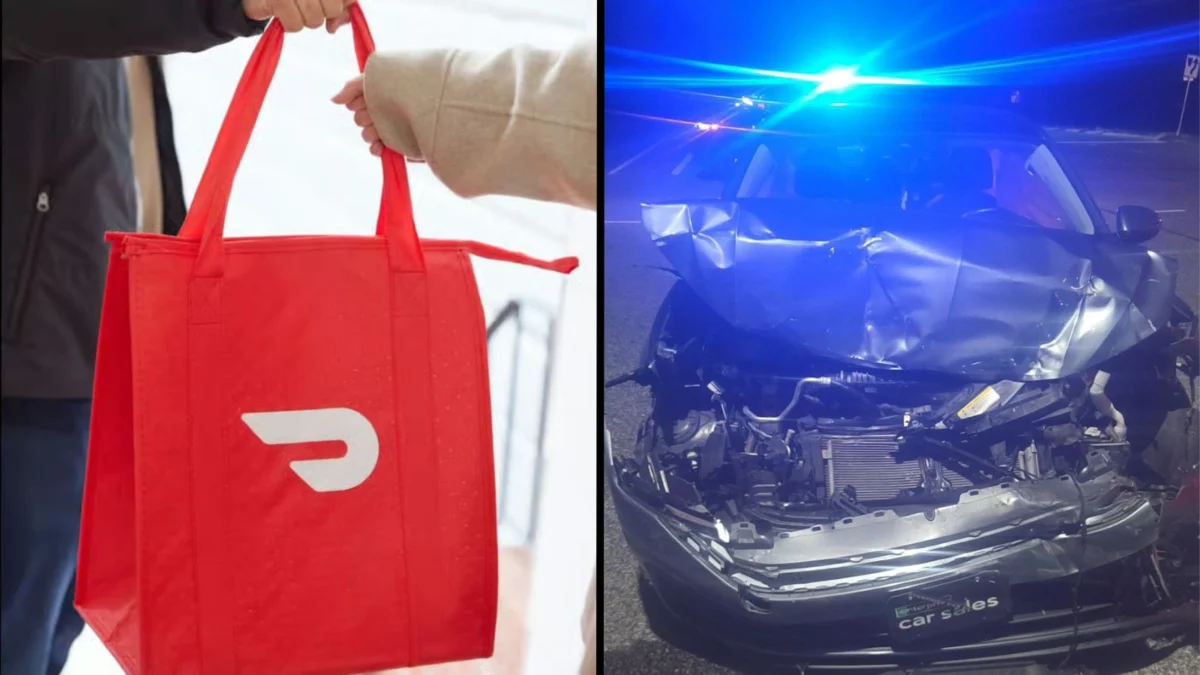
The digital community has mobilized in an extraordinary display of collective empathy to support a DoorDash delivery driver whose life was upended by a vehicular accident during his final shift of the evening. The incident, which first gained traction on social media in early September, has evolved from a viral video into a significant fundraising campaign, highlighting the precarious nature of the gig economy and the potential for human connection within transactional digital services. The driver, identified as William Koroma, became the center of national attention after the customer who ordered the food, Glenn Ndibnu, documented the aftermath of the collision and took it upon himself to advocate for the driver’s recovery.
The Incident and the Viral Catalyst
The sequence of events began on a night in early September when William Koroma was navigating his final delivery route. As he was nearing the destination, his vehicle was involved in a serious collision that left the car totaled and Koroma facing an uncertain future. In a turn of events that initially sparked debate online, the customer, Glenn Ndibnu, arrived at the scene of the accident. Ndibnu recorded a video of the wreckage, which showed Koroma’s vehicle severely damaged on the side of the road.
In the video, Ndibnu can be heard reflecting on the surreal nature of the situation, questioning the ethics of retrieving his meal amidst the chaos of a car crash. "I think that’s my food right there. Is it fucked up for me to walk across and pick it up?" he asked his audience. While the initial optics of the video drew mixed reactions regarding the priority of the food over the driver’s well-being, the narrative quickly shifted as Ndibnu leveraged his platform to humanize the man behind the delivery.
Once the immediate chaos of the accident was managed by emergency responders, Ndibnu used his Instagram account to introduce William Koroma to his followers. This move transformed Koroma from an anonymous service provider into a relatable individual struggling with a sudden crisis. Koroma revealed to the audience that the accident occurred during his very last delivery of the night, a detail that added a layer of tragic irony to the event and resonated deeply with viewers who have experienced similar "one last task" misfortunes.
The Financial Toll of Gig Work Accidents
For many delivery drivers, a vehicle is not merely a mode of transport but a primary place of business and a prerequisite for income. Following the crash, Koroma faced a multifaceted crisis: the loss of his vehicle meant the immediate cessation of his ability to earn a living, while the physical toll of the accident resulted in mounting medical expenses.
The precariousness of this situation is a common theme in the gig economy. Unlike traditional employees who may have access to company-provided insurance and workers’ compensation, independent contractors often find themselves in a "gray area" regarding liability and recovery. While DoorDash provides some level of Occupational Accident Insurance for dashers on active delivery, these policies frequently have limitations, particularly concerning the replacement of personal property like vehicles.
Recognizing the severity of Koroma’s situation, a GoFundMe campaign was launched to facilitate his recovery and help him secure reliable transportation. The campaign description explicitly outlined the stakes: "The support from this fundraiser will help me purchase another vehicle so I can have dependable transportation again, and it will also help cover my medical expenses and other necessary costs."
Fundraising Milestones and Digital Roadblocks
The response from the public was swift and substantial. Within a short period, the GoFundMe campaign neared its primary goal of $16,000, with donations totaling nearly $15,000 from thousands of individual contributors. This influx of capital represents more than just financial aid; it serves as a testament to the "viral altruism" that occasionally defines social media interactions.

However, the path to financial stability was not without hurdles. Earlier attempts to raise funds via CashApp were stymied when the platform reportedly "restricted" the account, according to updates provided by Ndibnu. Such restrictions are not uncommon for accounts that see a sudden, high-volume influx of transfers, often triggered by automated fraud-prevention algorithms. This highlighted a secondary challenge for gig workers and their advocates: the reliance on digital payment infrastructures that can be rigid and difficult to navigate during emergencies.
Broader Context of the Gig Economy and Corporate Precedents
The story of William Koroma is part of a broader pattern of public intervention in the lives of delivery workers. As the reliance on apps like DoorDash, UberEats, and Grubhub has become a staple of modern urban life, the visibility of the struggles faced by these workers has increased.
DoorDash, as a corporate entity, has a history of responding to high-profile cases where its drivers have faced extreme hardship. In one notable instance, the company’s CEO, Tony Xu, personally donated $20,000 to a GoFundMe campaign for a 78-year-old driver whose story went viral. Similarly, the internet rallied around Joe Symonds, an 87-year-old dasher in Oregon who was delivering food to supplement his retirement income, raising thousands of dollars to allow him to retire comfortably.
These incidents underscore a systemic tension within the food delivery industry. While the platforms provide flexible earning opportunities, the "dashers" often operate with a thin safety net. When a catastrophic event like a car accident occurs, the driver is often left to rely on the charity of strangers rather than institutionalized corporate protections.
Timeline of the Recovery Effort
To understand the momentum of this story, one must look at the chronology of the public’s engagement:
- Early September: The accident occurs; Glenn Ndibnu posts the initial video of the crash site, which goes viral across multiple platforms including TikTok and Instagram.
- Mid-September: Ndibnu introduces William Koroma to the public via a social media live stream/video, detailing the driver’s loss of livelihood and medical concerns.
- Late September: The GoFundMe campaign is established. Initial grassroots efforts via CashApp face technical "restriction" issues.
- Current Status: The GoFundMe reaches approximately $15,000, nearing its $16,000 target. Public sentiment remains overwhelmingly supportive, with many donors citing their own experiences with the gig economy as a reason for contributing.
Analysis of the "Customer-as-Advocate" Phenomenon
A unique aspect of this case is the role of the customer, Glenn Ndibnu. In many gig economy interactions, the relationship is entirely "headless"—the customer and the worker may never see each other, or if they do, the interaction lasts seconds. By meeting Koroma at the scene of the crash, the barrier of the app was broken.
Ndibnu’s decision to use his social media influence to support Koroma represents a shift in how consumers view their responsibility toward service workers. Instead of merely reporting a "non-delivery" or "damaged order" to DoorDash for a refund, Ndibnu chose to investigate the human cause behind the delay. This act of advocacy significantly influenced the outcome for Koroma, as a simple insurance claim through DoorDash likely would not have resulted in the $15,000 windfall provided by the community.
Implications for the Future of Delivery Services
The viral nature of Koroma’s story brings several critical issues to the forefront of the national conversation regarding labor and technology:
- Insurance Gaps: There is a growing call for more comprehensive insurance coverage that accounts for the "total loss" of a vehicle, which is a worker’s primary tool.
- Algorithmic Vulnerability: The incident shows how a single mechanical or traffic failure can lead to an immediate loss of employment for gig workers, as they are often deactivated or unable to work if their vehicle is compromised.
- The Power of Narrative: The success of the GoFundMe highlights how personal storytelling can bypass traditional corporate or government safety nets. However, it also raises questions about the thousands of other drivers who experience similar accidents but whose stories do not go viral.
As William Koroma works toward his goal of $16,000, the funds are expected to provide him with a "clean slate"—covering the medical bills incurred from the crash and providing the down payment for a replacement vehicle. For now, the internet’s rallying cry serves as a temporary bridge over the gap left by the precarious nature of modern gig work. While the story concludes with a hopeful trajectory for one individual, it remains a poignant reminder of the risks taken by those who keep the world’s delivery infrastructure moving.




 Yuyun Lusiyani
 Joko Widodo
 Eva Lovia
 admin
admin
 Lina Irawan