
 Pevita Pearce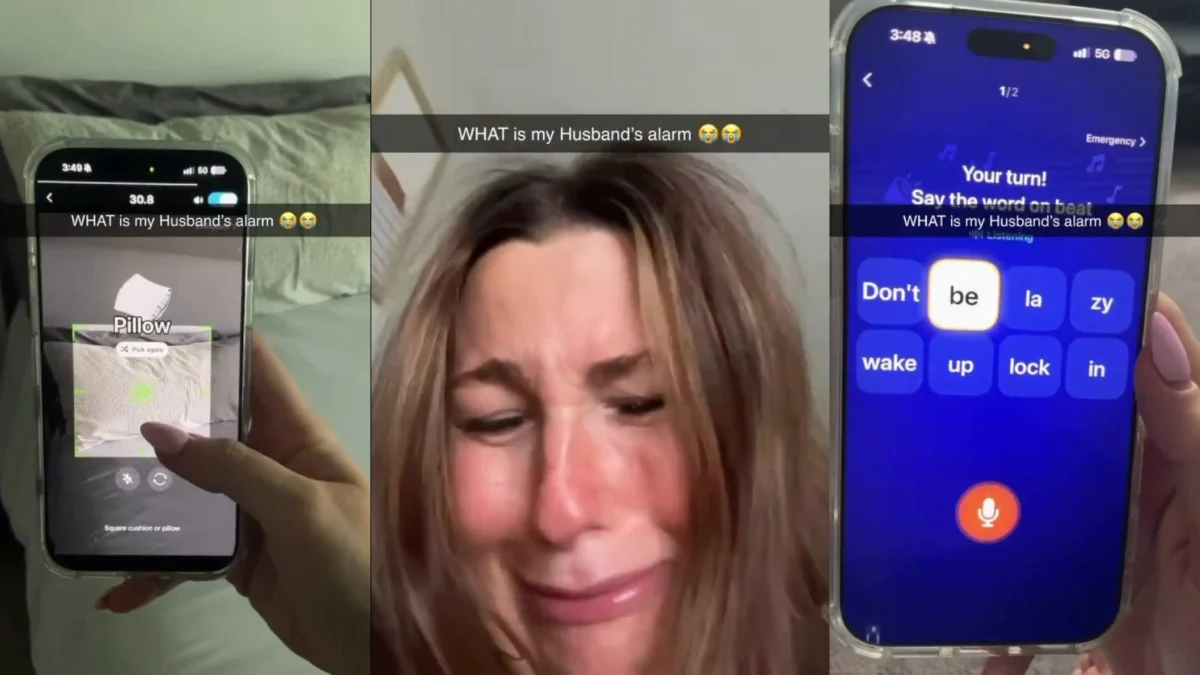
The digital landscape has recently been captivated by the resurgence of Alarmy, an alarm clock application that has moved beyond the traditional snooze-button utility to become a viral phenomenon centered on "aggressive" wake-up strategies. While most mobile applications aim to provide a seamless and pleasant user experience, Alarmy operates on a counter-intuitive premise: it intentionally introduces friction, frustration, and cognitive labor to ensure that users cannot return to sleep. This "tough love" approach to morning routines has sparked a wide-ranging debate across social media platforms regarding the ethics of intrusive technology and the modern struggle with sleep inertia.
The catalyst for the app’s recent viral status was a high-engagement post by entrepreneur Roman Khaves on the social media platform X. Khaves shared a video demonstrating the app’s "wake-up missions," which require users to complete a series of mentally or physically taxing activities before the blaring alarm can be silenced. The video, which has amassed millions of views, shows a user frantically attempting to solve problems while an unrelenting high-decibel tone plays in the background. Reactions to the footage have been polarized; while some viewers lauded the app as a necessary tool for productivity, others characterized the experience as "psychological torture" and a "brutal" start to the day.
The Evolution of Alarmy and the Sleep Tech Market
Alarmy, developed by the South Korean tech firm Delight Room, was originally launched with the mission of helping "heavy sleepers" overcome the physiological state of sleep inertia—the period of grogginess and impaired cognitive performance immediately following awakening. Since its inception, the app has grown into a dominant force in the utility category of the Google Play Store and the Apple App Store. As of late 2026, the application boasts over 50 million downloads on Android devices alone, maintaining an impressive 4.6-star rating from a pool of more than two million user reviews.
The success of the application highlights a growing niche in the "sleep tech" market. According to industry data, the global sleep technology market is projected to reach several billion dollars by the end of the decade, driven by an increasingly sleep-deprived workforce and a rising awareness of sleep hygiene. Alarmy distinguishes itself from sleep trackers or white noise machines by focusing exclusively on the "wake-up" phase of the sleep cycle, utilizing what developers call "missions" to force the brain into an active state.
A Technical Breakdown of Wake-Up Missions
The core functionality of Alarmy revolves around its inability to be easily dismissed. Standard smartphone alarms can be silenced with a simple swipe or a physical button press, actions that many users perform subconsciously while still half-asleep. Alarmy disrupts this "autopilot" behavior by requiring the completion of specific tasks. These missions are categorized by the type of stimulation they provide:
- Cognitive Stimulation: The app offers math problems ranging from basic addition to complex multi-digit multiplication. Users can also opt for memory tests that require them to recall patterns or sequences.
- Physical Activity: For those who struggle to leave the bed, the app features a "Squat Mission." Using the phone’s accelerometer and gyroscope, the app tracks body movement, requiring the user to perform a set number of squats before the alarm ceases. Similarly, the "Shake Mission" requires vigorous physical movement of the device.
- Environmental Engagement: The most distinctive features are the "Photo" and "Barcode" missions. These require the user to register a specific object—such as a bathroom sink, a coffee maker, or a specific book in another room—during the setup phase. To turn off the alarm in the morning, the user must physically walk to that object and take a matching photo or scan the barcode.
- Mental Discipline: The "Typing Mission" requires users to accurately transcribe long motivational quotes or complex phrases, ensuring that their fine motor skills and focus are fully engaged.
Preventing "The Cheat": The Role of Accessibility APIs
One of the most controversial technical aspects of Alarmy is its "Prevent Turn Off" feature. Experienced "snoozers" often find ways to bypass difficult alarms by simply powering down their smartphones or force-closing the application. To counter this, Alarmy utilizes Android’s Accessibility Service API.
This high-level permission allows the app to monitor system-level interactions. When the alarm is active, the app can effectively "lock" the dismissal screen, preventing the user from navigating away or accessing the power-off menu until the mission is completed. While this ensures the effectiveness of the alarm, it has raised questions among privacy advocates regarding the extent of control third-party applications should have over a device’s core operating system functions. Delight Room maintains that these permissions are used strictly for the functionality of the alarm and are essential for the app’s "guaranteed wake-up" promise.
Psychological Perspectives on Aggressive Awakening
The viral debate surrounding Alarmy has prompted commentary from sleep specialists and psychologists regarding the impact of such "forced" awakenings. Sleep inertia can last anywhere from one minute to four hours, and for some, it is a debilitating condition that affects their professional and personal lives.
Dr. Elena Rossi, a hypothetical sleep researcher specializing in circadian rhythms, notes that while the app effectively bypasses the "snooze" reflex, the sudden spike in cortisol and heart rate caused by loud noise and immediate mental stress may not be the healthiest way to start the day. "There is a fine line between cognitive activation and systemic stress," Rossi explains. "While engaging the prefrontal cortex through math or memory games is an excellent way to dissipate sleep inertia, doing so under the duress of a loud alarm may contribute to morning anxiety for certain individuals."
Conversely, many users with Attention Deficit Hyperactivity Disorder (ADHD) or delayed sleep phase syndrome have reported that the app is a "life-changer." For these demographics, the traditional alarm is often insufficient to break the "sleep fog," and the structured, mandatory nature of Alarmy’s missions provides the necessary external stimulus to begin their day.
Chronology of the App’s Recent Growth
The timeline of Alarmy’s recent surge in popularity can be traced through several key milestones in late 2026:
- September 10, 2026: A series of TikTok videos featuring "Extreme Alarmy Missions" begins to trend, showing students placing their barcode-scan items in distant locations, such as car trunks or outdoor mailboxes.
- September 18, 2026: Delight Room releases a significant update to the app, refining the "Wake Up Check" feature. This feature adds a secondary layer of security: if a user stops moving or falls back asleep after the initial mission is completed, the alarm reactivates within a set timeframe.
- September 22, 2026: Roman Khaves posts the now-viral video on X, bringing the app to the attention of the broader entrepreneurial and "productivity hack" communities.
- September 25, 2026: Google Play data shows a 15% spike in new downloads within a 72-hour window, pushing the app to the top of the "Top Free" charts in several regions.
Market Impact and the Future of Utility Gamification
The success of Alarmy is a case study in the gamification of mundane tasks. By turning the act of waking up into a "mission" or a "challenge," the developers have tapped into the same psychological triggers used by fitness apps and mobile games. This trend of "utility gamification" is expected to expand into other areas of personal management, such as hydration tracking, meditation, and screen-time regulation.
From a business perspective, Alarmy’s model demonstrates the viability of the "freemium" approach in the utility sector. While the core features are free, the app includes advertising and premium subscriptions that offer ad-free experiences, more complex missions, and advanced sleep-tracking analytics. This revenue stream has allowed the company to continuously iterate on its "anti-snooze" technology.
Conclusion: A Necessary Evil or a Modern Convenience?
As Alarmy continues to circulate through digital circles, it remains a polarizing tool. To its detractors, it represents a dystopian shift where technology must coerce humans into basic biological functions through frustration and "punishment." To its proponents, it is a powerful equalizer that helps those with chronic oversleeping issues reclaim their mornings and improve their productivity.
The broader implication of Alarmy’s popularity is a reflection of a society struggling to balance the demands of a 24/7 economy with the biological needs of the human body. As long as the "snooze button" remains a tempting escape for millions, aggressive digital interventions like Alarmy are likely to remain a permanent, albeit noisy, fixture of the modern morning routine. Whether this trend leads to a more productive workforce or a more stressed-out population remains a subject of ongoing sociological and medical observation. For now, the 50 million users who have downloaded the app seem to agree on one thing: sometimes, the only way to get out of bed is to make staying in it impossible.




 admin
admin
 Lina Irawan
 Jia Lissa
 Yuyun Lusiyani
 Joko Widodo