
 Lina Irawan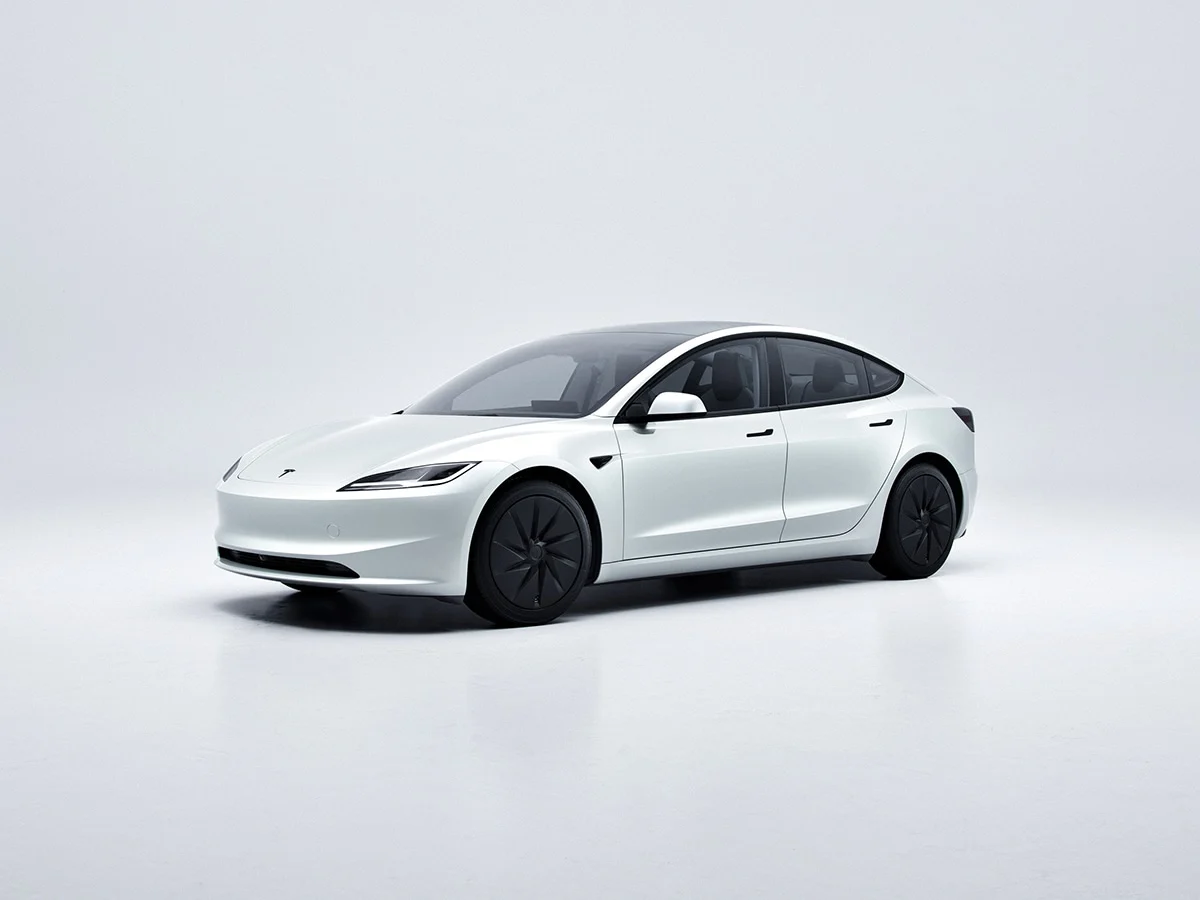
In an aggressive move to solidify its dominance in the Oceania region, Tesla has officially launched a new entry-level Model 3 Rear-Wheel Drive (RWD) in Australia and New Zealand, setting a new price floor for the premium electric sedan at AUD $45,900 and NZD $54,900 respectively. This strategic pricing adjustment arrives at a critical juncture for the Australian automotive industry, as a surge of competitive offerings from Chinese manufacturers has transformed the electric vehicle (EV) sector into a high-stakes "race to the bottom." By lowering the barrier to entry for its most popular sedan, the American automaker is directly challenging the market share of budget-conscious brands while maintaining the core technological advantages that have historically distinguished Tesla from its rivals.
Strategic Pricing and Market Positioning
The introduction of the new Model 3 RWD variant marks one of the most significant price adjustments in Tesla’s local history. Positioned below the previous entry-level "Premium" RWD model, which starts at AUD $54,900, this new variant effectively slashes the entry price of a Tesla sedan by $9,000. This pricing strategy is not merely a discount but a calculated response to the changing landscape of the Australian car market. For the first time, a Tesla Model 3 is priced within striking distance of mainstream internal combustion engine (ICE) sedans and sub-compact SUVs, making the transition to electric power a more viable financial decision for a broader demographic of buyers.
The move comes as Tesla faces increasing pressure from Chinese giants such as BYD and Geely-owned Zeekr. Currently, the BYD Atto 3 and the BYD Seal represent formidable competition, with the Seal priced at approximately AUD $48,762 drive-away. By undercutting these competitors on the sticker price before on-road costs, Tesla is leveraging its brand prestige and manufacturing efficiencies—honed at its Giga Shanghai facility, where Australian-delivered units are produced—to reclaim the narrative of value-for-money in the EV space.
Technical Performance and Efficiency Metrics
Despite its status as the most affordable model in the lineup, the new Model 3 RWD does not compromise significantly on the performance metrics that have defined the "Highland" refresh. The vehicle utilizes a single-motor rear-wheel-drive configuration that delivers a 0-100 km/h acceleration time of 6.2 seconds. While this is slower than the dual-motor Performance variant, it remains quicker than the majority of entry-level luxury sedans in its price bracket.
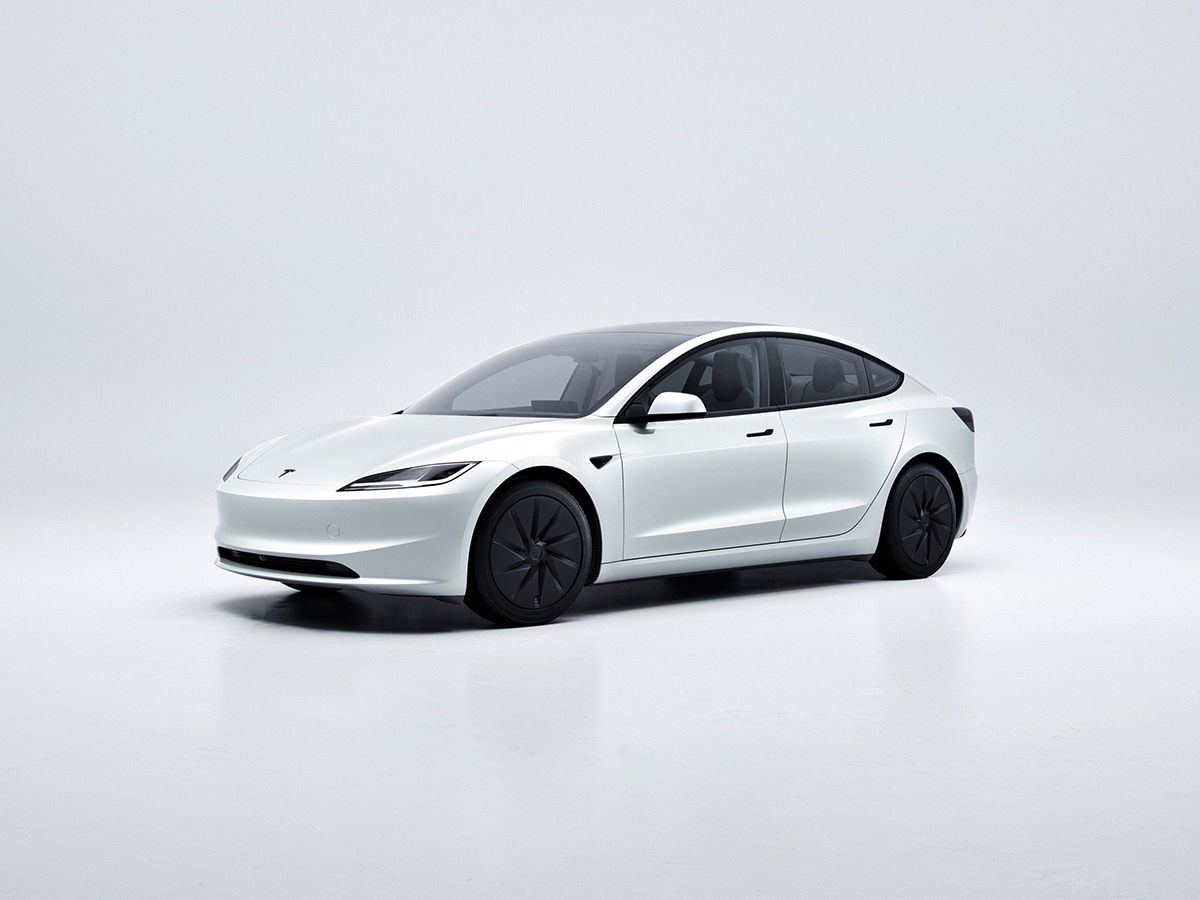
One of the most impressive specifications for the new variant is its efficiency. The vehicle offers an estimated range of up to 572 km based on the Worldwide Harmonised Light Vehicles Test Procedure (WLTP) cycle. This range is achieved through a combination of Tesla’s advanced battery chemistry and the vehicle’s class-leading aerodynamics. The entry-level model retains the 18-inch Prismata wheels, which are optimized for low rolling resistance and increased range.
Furthermore, the vehicle includes a highly efficient heat pump as standard equipment. This component is crucial for Australian and New Zealand climates, as it significantly reduces the energy required for cabin climate control, thereby preserving battery range during extreme summer heat or alpine winter conditions.
Interior Refinement and Technological Integration
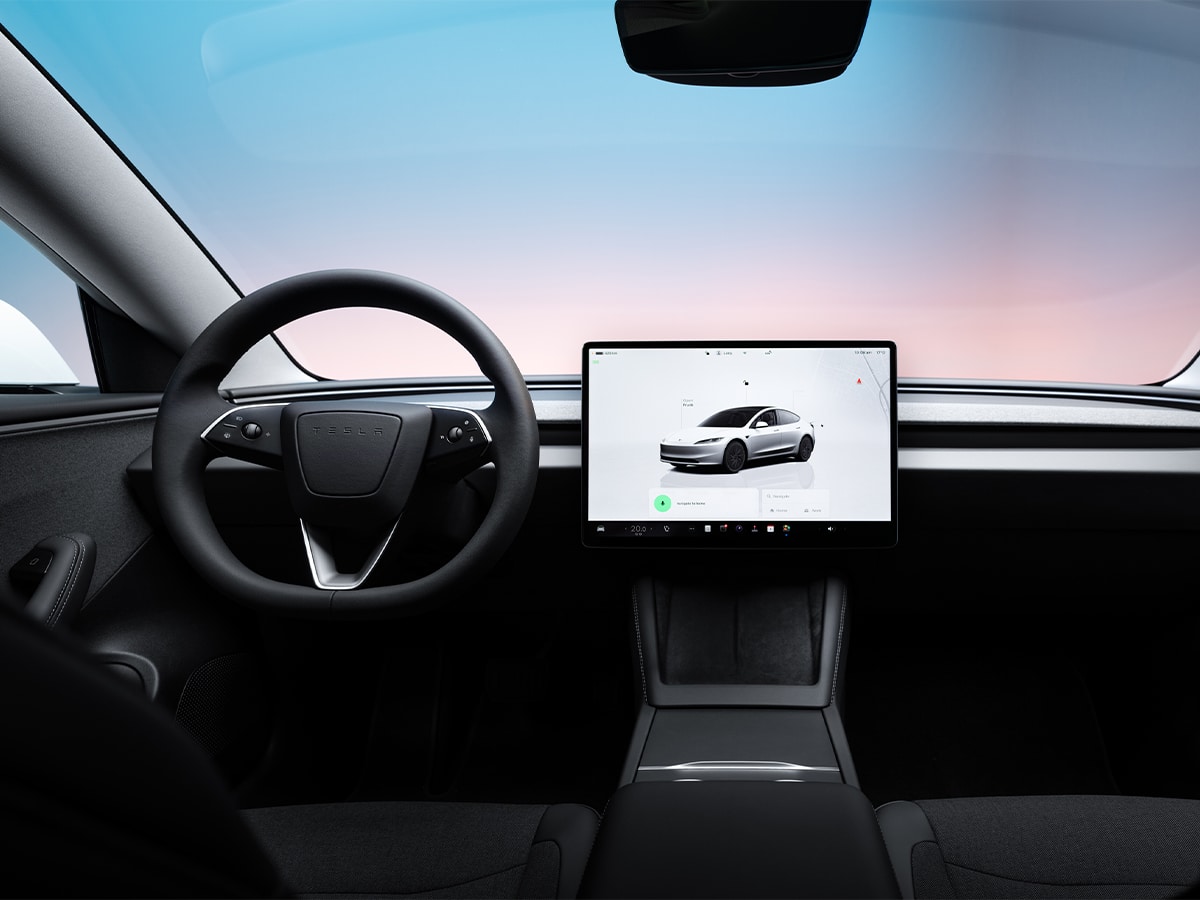
The interior of the new Model 3 RWD adheres to Tesla’s signature minimalist philosophy, though some adjustments have been made to achieve the lower price point. The cabin is trimmed in a combination of flat-woven textiles and premium vegan leather, maintaining a high-quality tactile feel. Both front seats are heated and electrically adjustable, and the driver’s experience is enhanced by a heated steering wheel.
A notable change in this specification is the removal of the rear-passenger touchscreen, a feature found in the higher-tier Premium and Long-Range models. However, rear passengers still benefit from dedicated air vents and two USB-C charging ports. In the front, a 16-inch central touchscreen remains the command center for the vehicle, housing navigation, climate controls, and Tesla’s comprehensive infotainment suite.
The audio system has also been revised. While the top-tier variants boast a 17-speaker immersive setup, the entry-level RWD features a seven-speaker Tesla Audio system. Despite the reduction in speaker count, the system is engineered to provide high-fidelity sound tailored to the Model 3’s unique cabin acoustics. Standard convenience features such as dual wireless phone charging in the center console and "Phone-first" access—which allows a smartphone to serve as the primary vehicle key—remain standard across the range.

The Introduction of Grok AI and Software Ecosystems
A significant technological milestone accompanying this launch is the integration of Grok AI. Developed by Elon Musk’s xAI firm, Grok is an artificial intelligence assistant designed to interact with drivers using natural-language processing. This allows for more intuitive voice commands, enabling the driver to control vehicle functions, query real-time data, or manage navigation without taking their eyes off the road.
This software integration extends to the Tesla mobile app, which remains one of the brand’s strongest selling points. Through the app, owners of the new RWD variant can manage charging schedules, pre-condition the cabin temperature, and monitor the vehicle via Sentry Mode. Additionally, the new model serves as the most accessible entry point for Tesla’s Full Self-Driving (Supervised) software. In Australia and New Zealand, this capability is available via a monthly subscription (AUD $149 / NZD $159), allowing owners to access advanced autonomous features without the high upfront cost previously required.
Safety Standards and Autonomous Capabilities
Safety remains a cornerstone of the Tesla value proposition. The Model 3 RWD carries a 5-Star ANCAP safety rating, supported by a robust suite of active safety hardware. The vehicle is equipped with eight cameras providing 360-degree visibility, which powers features such as Automatic Emergency Braking, Forward Collision Warning, and Blind-Spot Monitoring.
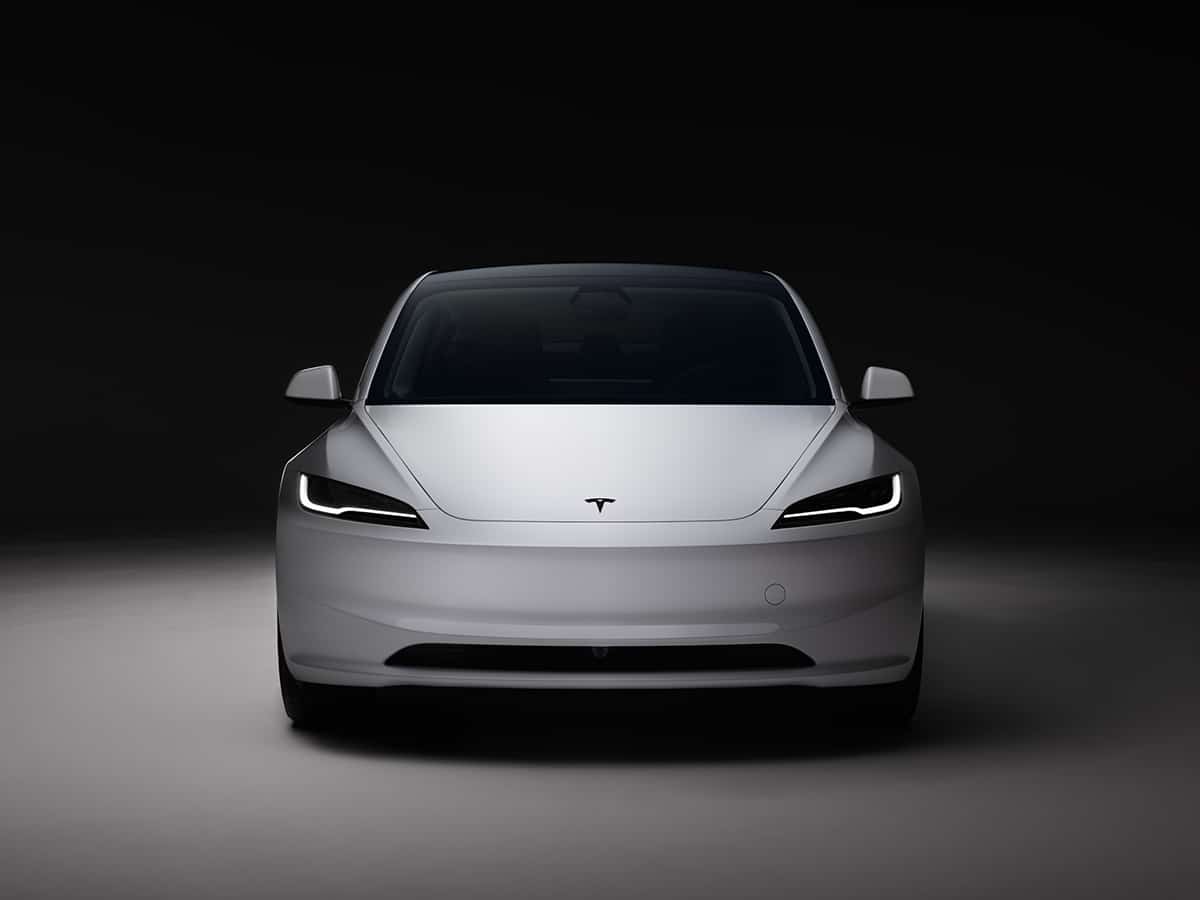
Unique to the Tesla experience is the live blind-spot camera feed, which activates on the central display whenever a turn signal is engaged. For parking maneuvers, a new front bumper camera—introduced with the recent refresh—assists drivers in navigating tight urban spaces. When the vehicle is unattended, Sentry Mode continues to monitor the surroundings, recording potential security threats to a USB drive located in the glovebox.
Chronology of Launch and Delivery
Tesla has outlined a clear timeline for the rollout of the new Model 3 RWD. The online configurator went live on October 1, 2026, allowing customers to place orders immediately. The first units are expected to arrive in Australian showrooms for public viewing and test drives by mid-to-late October.
Delivery schedules are as follows:
- Australia: First customer deliveries are slated to commence from mid-October 2026.
- New Zealand: Deliveries are expected to follow shortly after, beginning in late November 2026.
Tesla’s ability to maintain a relatively short lead time compared to traditional manufacturers is largely attributed to the high output of Giga Shanghai and its streamlined logistics network in the Asia-Pacific region.
Competitive Landscape: Tesla vs. The Rise of Chinese EVs
The Australian EV market has seen a dramatic shift over the past 24 months. While Tesla once held a near-monopoly on the "affordable luxury" EV segment, the arrival of brands like BYD, MG, and Zeekr has provided consumers with more choices than ever before.
The BYD Seal, in particular, has emerged as a direct rival to the Model 3. With its "Cell-to-Body" battery technology and aggressive pricing, the Seal had begun to pull buyers away from Tesla. However, Tesla’s decision to drop the Model 3’s starting price to $45,900 creates a new challenge for BYD. While the Seal may offer more interior "bling" and a rear screen, Tesla counters with its superior software ecosystem, the proven reliability of its Supercharger network, and a higher projected resale value.
The Zeekr X, another newcomer, targets a similar price bracket (approx. $48,900) but takes the form of a compact SUV. Tesla’s strategy acknowledges that while many buyers prefer SUVs, a significantly lower price point for a high-tech sedan like the Model 3 can sway purchasing decisions, especially for urban commuters and fleet buyers.
Economic and Infrastructure Implications for Local Buyers
For Australian buyers, the sub-$46,000 price point carries significant economic advantages. Many state-based incentives and the Federal Government’s Fringe Benefits Tax (FBT) exemption for electric vehicles make the Model 3 RWD an exceptionally attractive option for novated leasing. Under these schemes, the total cost of ownership for a Model 3 can often be lower than that of a Toyota Camry or Mazda 6 when accounting for fuel savings, reduced maintenance costs, and tax benefits.
Furthermore, Tesla’s "Power Share" capability, which allows the vehicle’s battery to power external devices via an adapter, adds a layer of utility that appeals to the Australian lifestyle. Whether used for camping or as an emergency power backup during outages, this feature enhances the vehicle’s value beyond simple transportation.
The infrastructure advantage also cannot be overstated. While third-party charging networks in Australia and New Zealand continue to grow, the Tesla Supercharger network remains the gold standard for reliability and ease of use. The new Model 3 RWD gains full access to this network, providing owners with peace of mind for long-distance interstate travel—a historical barrier to EV adoption in the geographically vast Australian continent.
Conclusion
The launch of the entry-level Tesla Model 3 Rear-Wheel Drive represents more than just a new product variant; it is a defensive and offensive maneuver in a rapidly maturing market. By combining a competitive price of AUD $45,900 with a 572 km range, advanced AI integration, and the industry’s most comprehensive charging infrastructure, Tesla has reset the benchmark for what consumers can expect from an entry-level electric vehicle. As deliveries begin in late 2026, the impact of this pricing strategy will likely be felt across the entire automotive sector, forcing competitors to once again evaluate their positions in the race to electrify the Australian and New Zealand roads.




 Yuyun Lusiyani
 Joko Widodo
 Eva Lovia
 Pevita Pearce
 admin
admin