
 Lina Irawan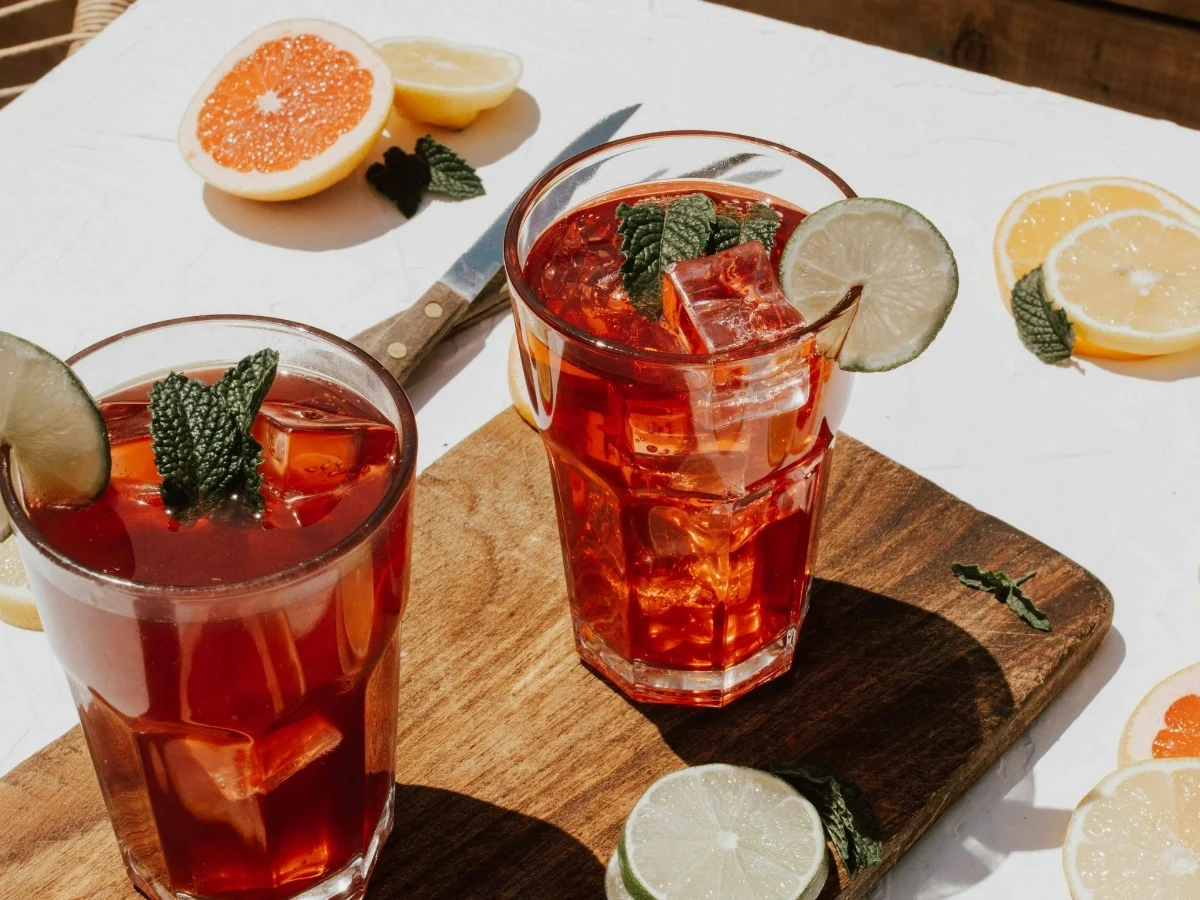
As global temperatures rise and the summer season extends in many regions, the international beverage industry has observed a significant shift in consumer preferences toward light, refreshing, and citrus-forward cocktails. The transition from heavy, spirit-forward winter drinks to high-vibrancy summer serves is not merely a matter of taste but a reflection of a centuries-old evolution in mixology, trade, and cooling technology. Industry data from the International Wine and Spirits Record (IWSR) indicates that the "refreshment" category, which includes spritzes, highballs, and citrus-based cocktails, now dominates the second and third quarters of the fiscal year for the global hospitality sector. This evolution is driven by a simple yet effective formula: the combination of light spirits—such as blanco tequila, white rum, and gin—with fresh acidic components and carbonation to ensure drinkability in high-heat environments.
The Chemistry of Refreshment: Why Certain Flavours Define Summer
The physiological appeal of summer cocktails lies in the balance of acidity, sweetness, and temperature. Heavy, barrel-aged spirits like bourbon or peated Scotch, while staples of the colder months, often feel cloying in peak humidity due to their high tannin content and complex wood sugars. In contrast, summer mixology relies on "clean" base spirits. Vodka, white rum, and blanco tequila provide a neutral or crisp foundation that allows seasonal produce to take center stage.
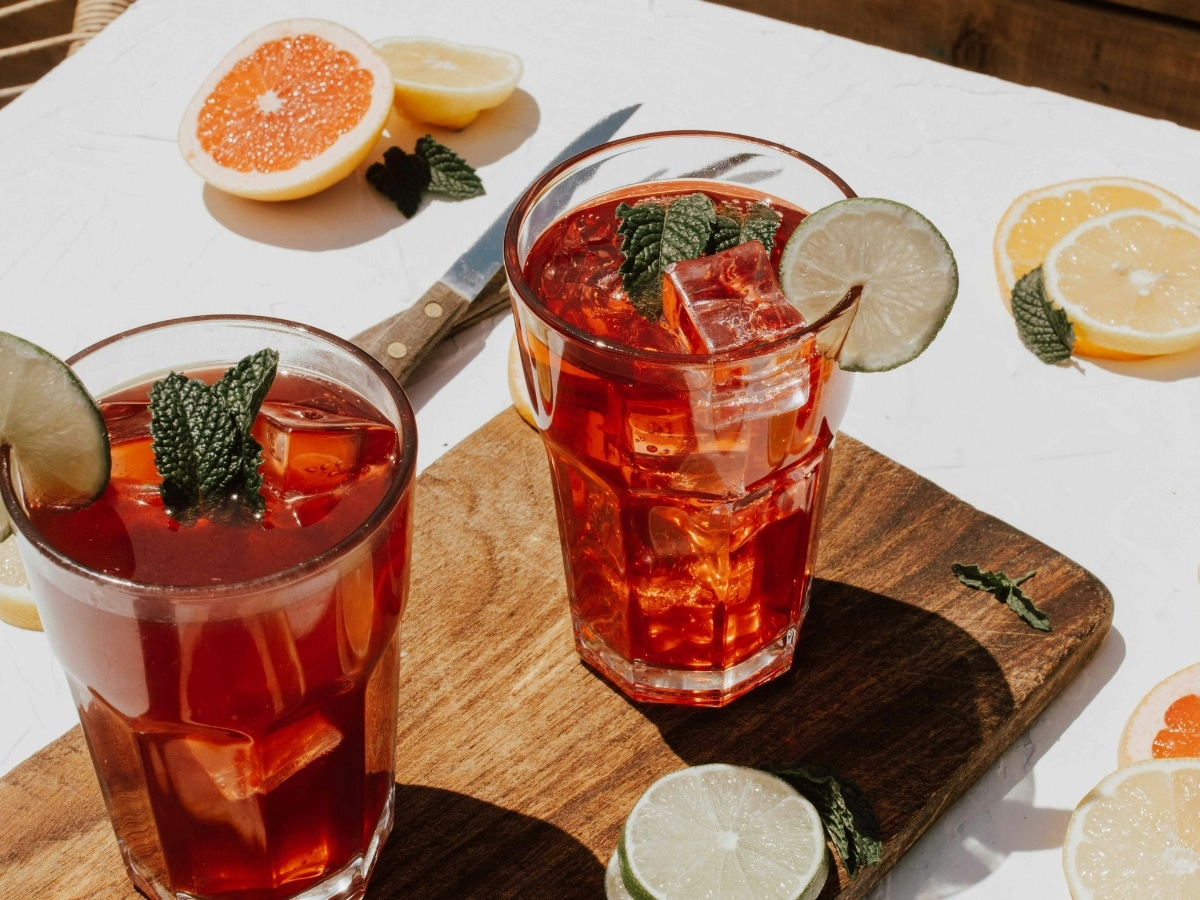
According to beverage analysts, the "citrus backbone"—utilizing lime, lemon, and grapefruit—serves two purposes: it provides a sharp contrast to the heat and acts as a preservative for the palate, cutting through the sweetness of syrups or fruit purées. The incorporation of botanical elements such as mint, cucumber, and basil further enhances the cooling sensation through the presence of menthol and high water content, which trigger cold-sensitive receptors in the mouth.
A Chronological Evolution of the Summer Classic
The history of summer cocktails is a timeline of colonial expansion, medical necessity, and accidental discovery. Understanding the origins of these drinks provides insight into how they became global staples.
The 16th to 19th Century: Medicinal Origins
The earliest iterations of the summer cocktail were rarely intended for leisure. The Mojito, with roots dating back to the 1500s in Cuba, was initially a medicinal tonic known as "El Draque," named after Sir Francis Drake. It utilized aguardiente (a crude precursor to rum), lime, sugar, and mint to stave off scurvy and dysentery. Similarly, the Gin & Tonic emerged in the 1800s as a delivery system for quinine. British soldiers in colonial India mixed their bitter anti-malarial rations with gin, sugar, and lime, unknowingly creating one of the most enduring refreshment archetypes in history.

The Turn of the Century: Industrialization and Engineering
As ice production became industrialized in the late 19th century, the "Highball" and the "Daiquiri" emerged. The Whisky Highball gained traction in the 1890s, particularly in New York, as a way to lengthen spirits with carbonated water, making them suitable for afternoon consumption. Simultaneously, in 1898, American mining engineer Jennings Stockton Cox refined the Daiquiri in Cuba. By balancing local rum with lime and sugar over cracked ice, Cox transitioned rum from a harsh sailor’s ration to a sophisticated social drink.
The Mid-20th Century: The Rise of the Aperitivo and the Border Drinks
The post-war era of the 1940s and 1950s saw a surge in "lifestyle" cocktails. The Margarita rose to prominence in Mexican border towns like Juárez, catering to American tourists seeking agave-based alternatives to classic sours. In Europe, the 1950s marked the birth of the Aperol Spritz in Italy’s Veneto region. Building on an 1800s Austrian tradition of adding water to wine ("spritzing"), the addition of Aperol and Prosecco transformed the drink into a pre-dinner ritual that would eventually conquer the global "Golden Hour" market.
Analysis of the Eight Essential Summer Serves
Modern mixology recognizes eight specific recipes as the pillars of summer drinking. Each represents a different balance of flavor profiles.
1. The Negroni
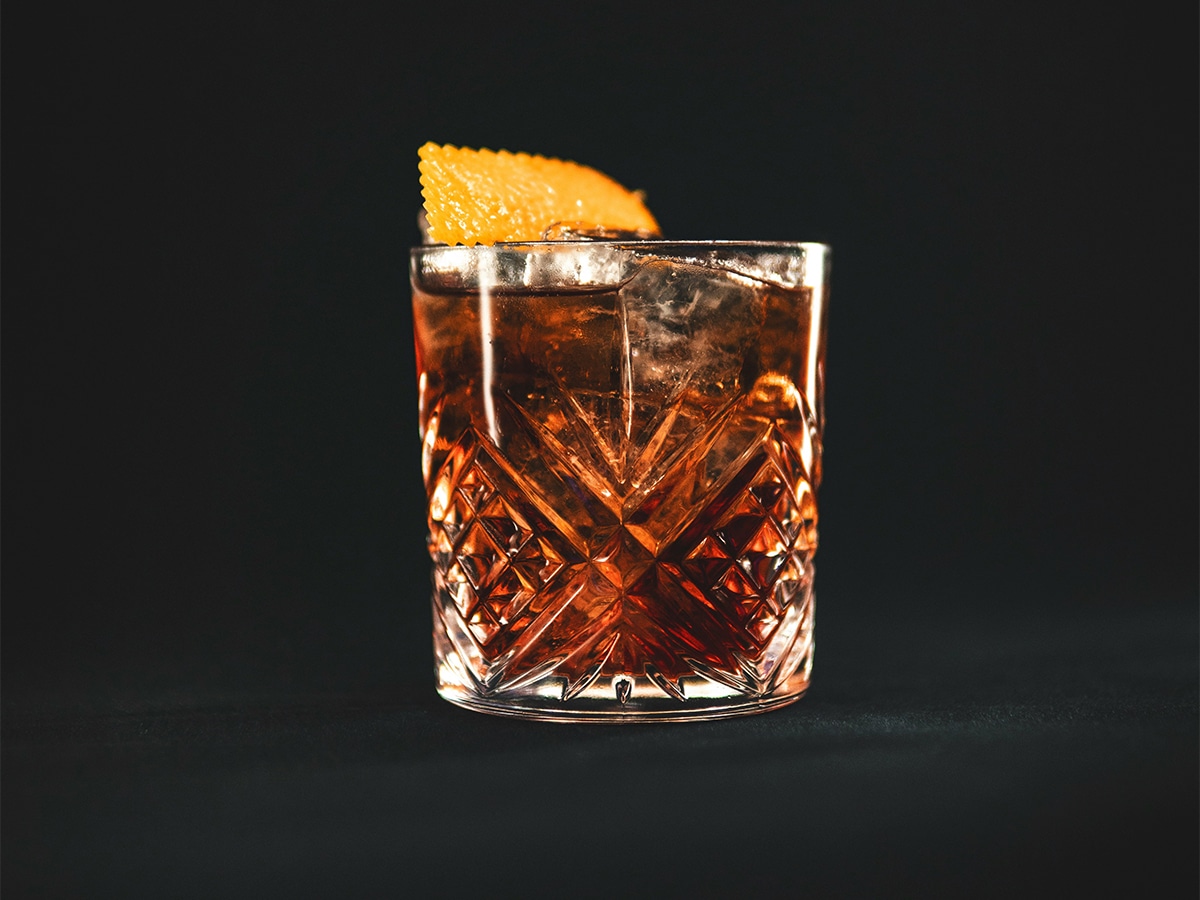
Created in 1919 at Florence’s Caffè Casoni, the Negroni is a rare example of a spirit-forward drink that excels in summer. Its success is attributed to the bitterness of Campari, which acts as an aperitif, stimulating the appetite and providing a crisp finish. The equal-parts formula of gin, sweet vermouth, and Campari remains one of the most stable recipes in the bartender’s repertoire.
2. The Daiquiri
Distinct from its frozen, blended counterparts, the classic Daiquiri is a study in precision. It requires white rum, fresh lime juice, and simple syrup. The drink’s resurgence in the 21st century is largely due to the "craft cocktail" movement, which emphasizes high-quality ingredients over artificial mixers.
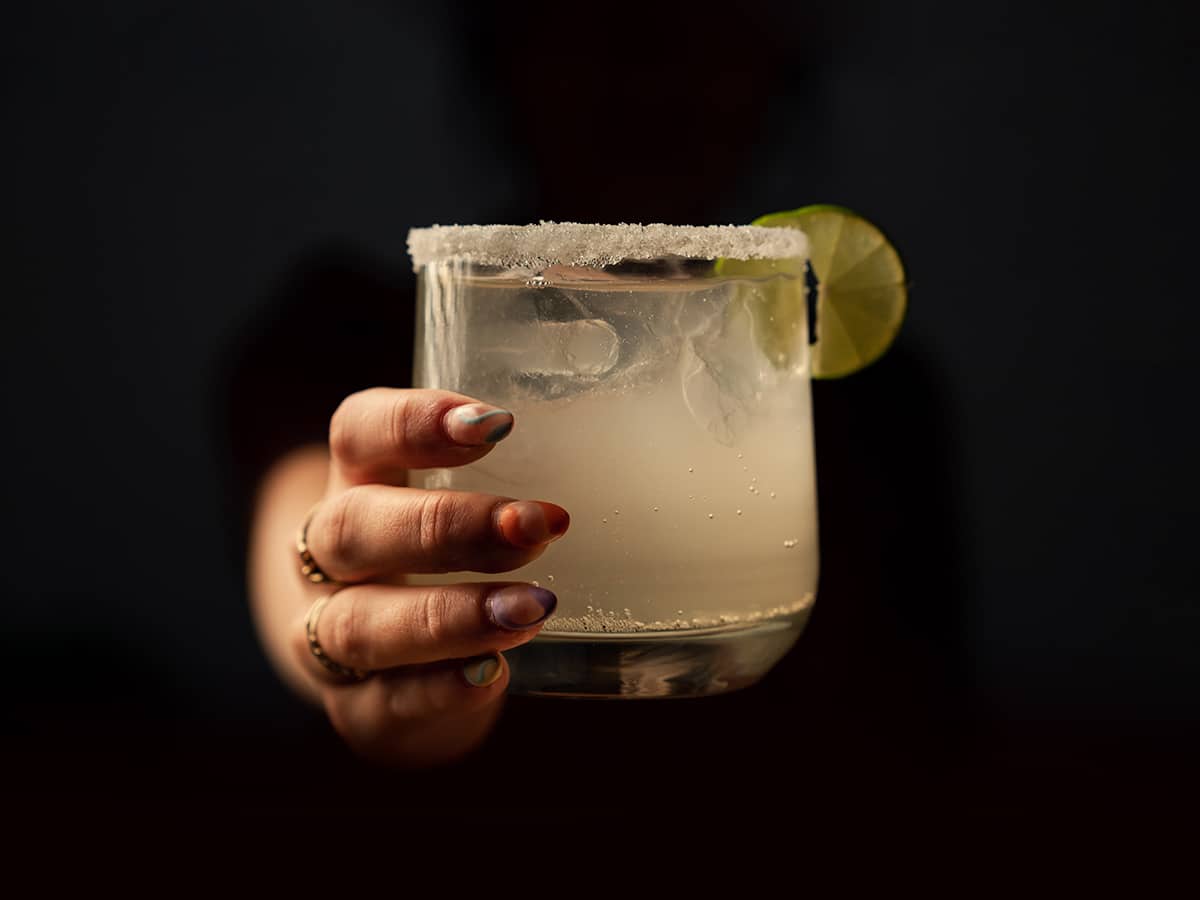
3. The Margarita
As the most popular tequila-based cocktail globally, the Margarita’s impact is significant. Utilizing blanco tequila, lime juice, and triple sec, it bridges the gap between sweet, sour, and salty. Market reports suggest that the Margarita is a primary driver for the "premiumization" of the tequila industry, as consumers increasingly demand 100% agave spirits.
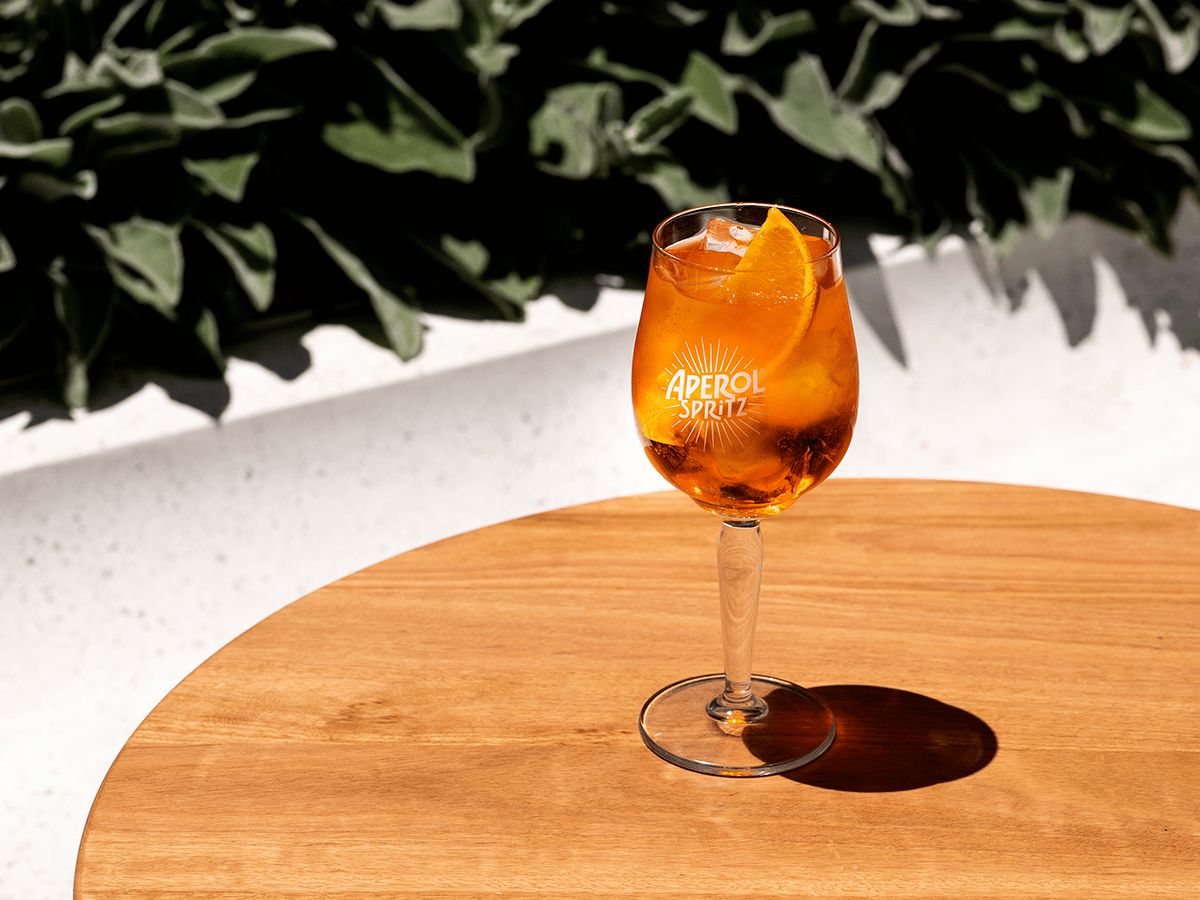
4. The Aperol Spritz
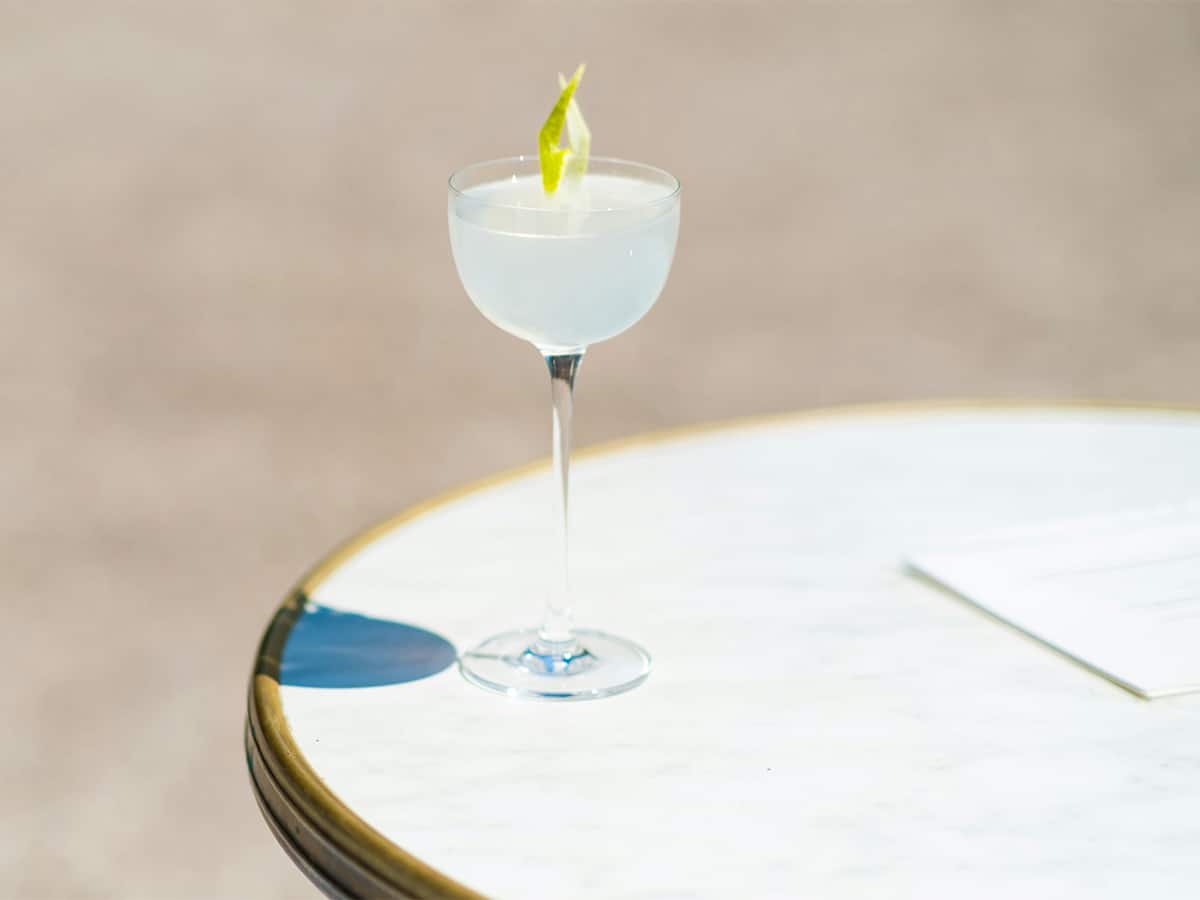
The Aperol Spritz has become a cultural phenomenon, characterized by its bright orange hue and low alcohol by volume (ABV). Its growth is linked to the rise of social media aesthetics and the "all-day dining" trend, where lower-strength drinks allow for extended socializing without excessive intoxication.
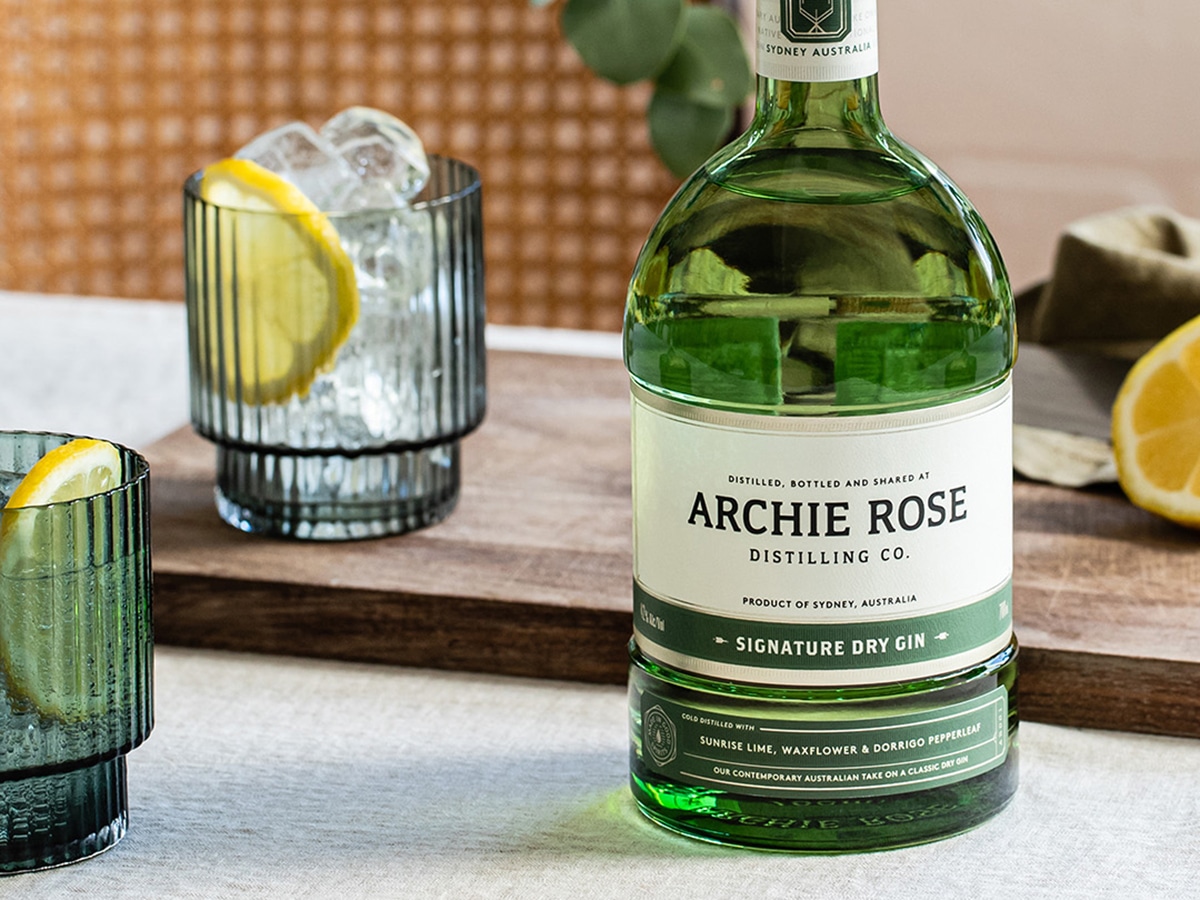
5. The Gin & Tonic
The G&T has undergone a "Renaissance" in the last decade, particularly in Spain, where it is served in large "copa" glasses with elaborate garnishes. The evolution of premium tonic waters, featuring botanicals like elderflower and Mediterranean herbs, has turned this two-ingredient drink into a complex tasting experience.
6. The Mojito
The Mojito remains the quintessential beach cocktail. Its preparation requires "muddling"—the gentle bruising of mint leaves to release essential oils without extracting bitter chlorophyll. The addition of soda water provides the necessary dilution to make the drink approachable in high temperatures.
7. The Paloma
While the Margarita is more famous, the Paloma is often cited by bartenders as the superior summer tequila drink. By combining tequila with grapefruit soda (or fresh grapefruit juice and soda), it offers a more nuanced bitterness and higher carbonation, which is more effective at quenching thirst.
8. The Whisky Highball
The Whisky Highball is the hallmark of Japanese bar culture, where it was perfected in the 1950s. The technique involves specific ice carving and precise stirring to ensure the carbonation of the soda water is preserved, proving that even "heavy" whiskies can be transformed into light summer refreshments.
Market Trends and Economic Impact
The "Summer Cocktail" is a vital economic engine for the global beverage market. According to the Distilled Spirits Council of the United States (DISCUS), spirit sales consistently peak during the warmer months, with tequila and gin seeing the highest seasonal growth.
The industry is currently witnessing three major trends:
- Premiumization: Consumers are opting for "fewer but better" drinks, leading to a surge in sales for craft gins and estate-grown tequilas.
- The "NOLO" Movement: The Non-Alcoholic and Low-Alcoholic sector is expanding at a Compound Annual Growth Rate (CAGR) of over 7%. This has led to the creation of zero-proof gins and aperitifs that allow for the "ritual" of the summer cocktail without the alcohol content.
- Ready-to-Drink (RTD) Innovation: The demand for portability has led to a boom in high-quality canned cocktails. Brands are now producing "bar-strength" Margaritas and Spritzes that utilize real juice and premium spirits, challenging the traditional dominance of beer in outdoor settings.
Expert Consensus and Technical Standards
Professional bodies, such as the International Bartenders Association (IBA), maintain strict standards for these classics to ensure consistency across global markets. "The key to a successful summer beverage program is temperature management," states a report from the Guild of Sommeliers. Experts emphasize three technical requirements:
- Dilution Control: Using large, clear ice reduces the surface area, slowing the melt rate and preventing the drink from becoming watery in the sun.
- Glassware Pre-chilling: Serving a cocktail in a room-temperature glass can raise the drink’s temperature by up to 5 degrees Celsius within minutes.
- Freshness of Acid: Bottled citrus juices lose their bright enzymatic properties within hours; thus, "à la minute" squeezing is considered the industry gold standard.
Broader Implications for the Hospitality Industry
The mastery of summer cocktails is no longer optional for hospitality venues; it is a prerequisite for seasonal viability. As tourism rebounds globally, the "cocktail economy" is becoming a central pillar of the "experience economy." Destinations that can offer high-quality, culturally relevant summer serves—such as the Aperol Spritz in Venice or the Mojito in Havana—leverage these drinks as part of their regional identity.
Furthermore, the shift toward lighter, more botanical drinks aligns with broader global health trends. Consumers are increasingly wary of high-calorie, sugar-laden beverages, pushing mixologists to find sweetness through natural fruit reductions and herbal infusions. This evolution suggests that the future of the summer cocktail lies in a "farm-to-glass" approach, where the quality of the seasonal produce is just as important as the spirit itself.
In conclusion, the summer cocktail is a sophisticated intersection of history, chemistry, and commerce. From its medicinal roots in the 16th century to its current status as a multi-billion dollar global industry, the category continues to adapt to changing consumer values. Whether through the lens of a classic Negroni or a modern non-alcoholic Spritz, the fundamental goal remains unchanged: providing a balanced, chilled, and restorative experience that complements the unique atmosphere of the summer season.




 Jia Lissa
 Yuyun Lusiyani
 Joko Widodo
 Eva Lovia

 Pevita Pearce