
 Lina Irawan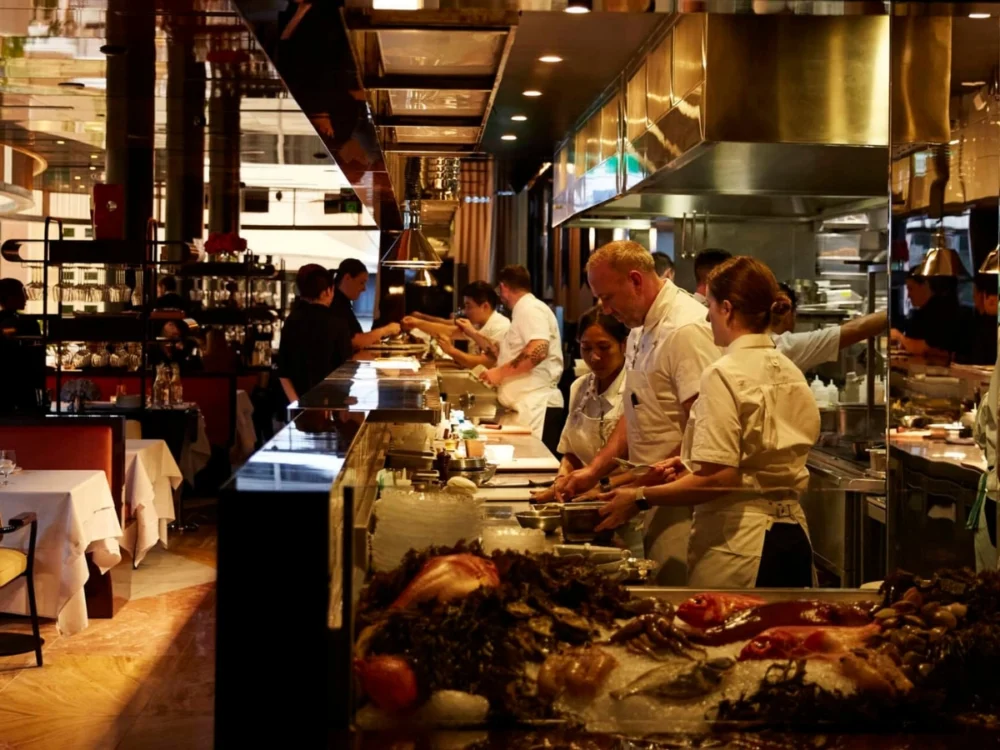
The Intersection of Brutalist Architecture and Modern Gastronomy
The opening of The Grill at The International represents a significant milestone in the ongoing $170 million redevelopment of the MLC Centre at Martin Place. Designed by the renowned architect Harry Seidler and completed in 1977, the MLC Centre has long been a cornerstone of Sydney’s architectural identity, characterized by its modernist, brutalist aesthetic and structural innovation. The integration of The Grill into this historic site highlights a growing trend where hospitality groups leverage landmark architecture to create a "sense of place" that transcends the traditional dining experience.
The International is conceived as a multi-level culinary destination, encompassing a wine bar, a rooftop terrace, and the flagship restaurant, The Grill. This "hub" model of dining reflects a strategic shift in urban planning, where single venues provide diverse experiences to retain foot traffic within a single precinct. The Grill’s culinary program is centered on fire-driven cooking techniques and the utilization of premium, locally sourced produce. This movement toward "elemental" cooking—utilizing charcoal and open flames—has gained traction globally as a response to the highly processed nature of modern food production.
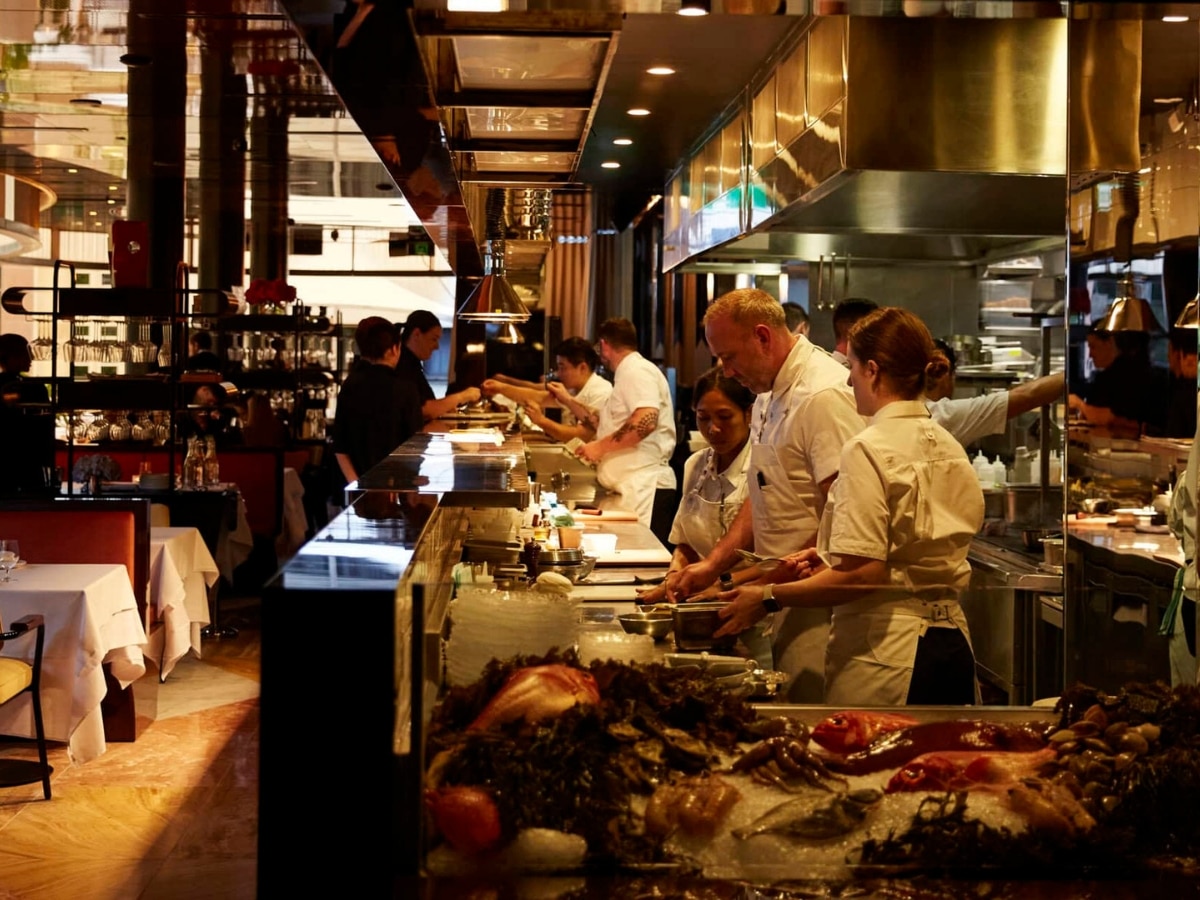
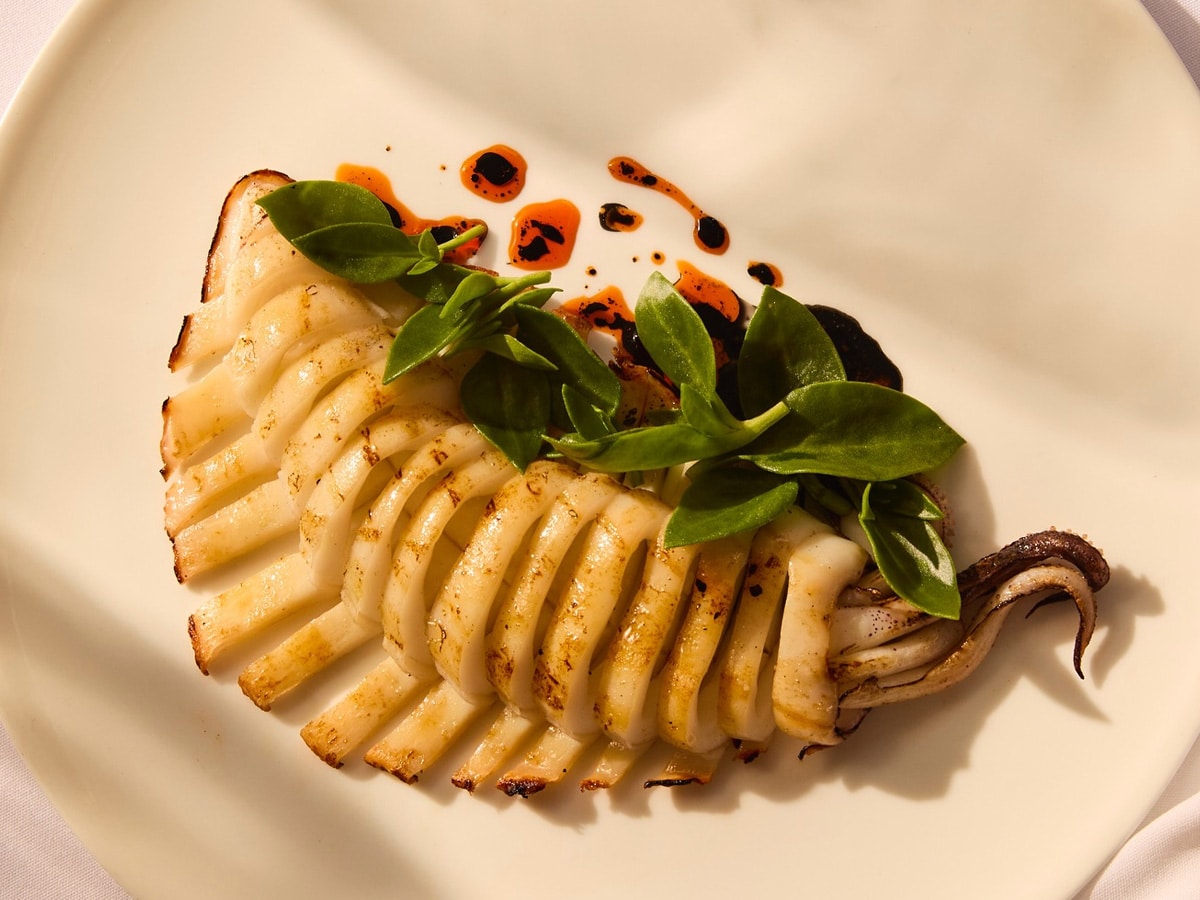
Industry analysts note that the success of such venues often hinges on the synergy between the kitchen and the cellar. At The Grill, the wine program, managed by sommelier Max Gurtler, emphasizes unconventional pairings that challenge traditional viticultural norms. One notable example of the venue’s innovative approach to "high-low" gastronomy is the pairing of fried chicken with caviar—a dish that exemplifies the democratization of luxury ingredients in a refined setting. This approach caters to a demographic that values both technical culinary skill and a relaxed, yet sophisticated, atmosphere.
The Evolution of Gender-Neutral Personal Care
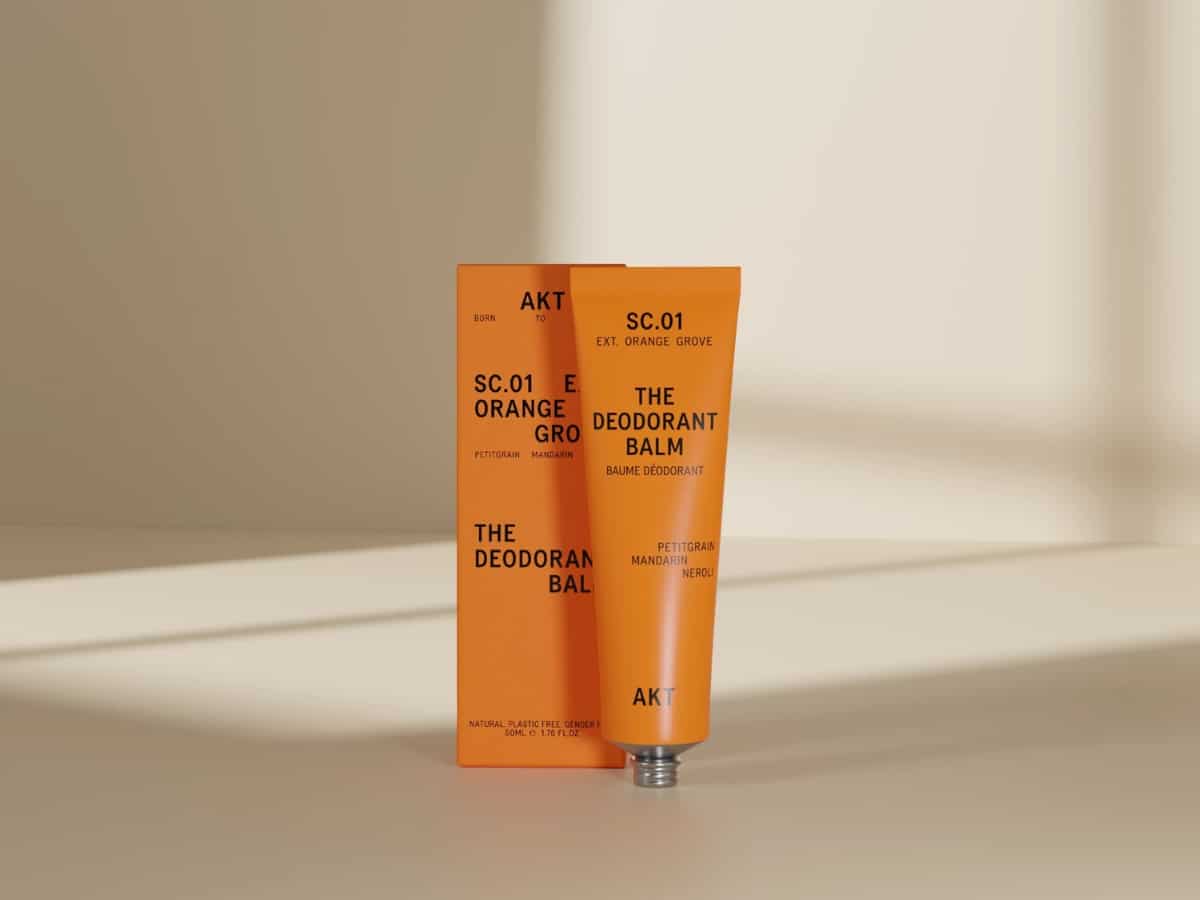
The grooming industry is currently undergoing a paradigm shift, with the global men’s personal care market projected to reach approximately $115 billion by 2028. A key driver of this growth is the emergence of gender-neutral brands like AKT Skincare, which prioritize efficacy and portability over traditional gender-based marketing. AKT’s expansion into the Australian market with its range of deodorant balms and skincare products addresses a specific void in the "active professional" segment: the need for high-performance products that withstand rigorous daily routines, such as morning athletic training followed by office environments.
The technical formulation of AKT’s products, particularly the deodorant balm, utilizes a blend of mineral-based ingredients designed to neutralize odor without the use of aluminum salts or harsh chemicals commonly found in mass-market aerosols. This shift toward "clean beauty" is reinforced by the brand’s commitment to plastic-free packaging, aligning with broader consumer demands for environmental sustainability. For urban professionals who frequent public facilities—such as municipal pools where chlorine exposure is a primary concern—the demand for portable, effective skin barriers and cleansers has never been higher.

Chronologically, AKT was founded by West End performers Ed Currie and Andy Coxon, who sought to create a product that could endure the physical demands of live theater under hot stage lights. This origin story resonates with modern consumers who view "performance-tested" claims as a marker of quality. The brand’s success illustrates a broader trend where niche, founder-led companies are disrupting the dominance of legacy conglomerates by focusing on specific use cases and superior ingredient profiles.
Heritage Aesthetics and the Cyclical Nature of Eyewear Trends
In the fashion sector, the release of the Ray-Ban Idan frame signals a return to the "bold geometry" of the late 1960s and early 1970s. Ray-Ban, a subsidiary of the EssilorLuxottica group, has historically maintained its market leadership by oscillating between technical innovation and the revival of its extensive archives. The Idan, characterized by its square silhouette and retro-inspired colorways, taps into a pervasive cultural nostalgia for the "Golden Era" of British rock and roll and the subsequent Britpop movement of the 1990s.
The square frame aesthetic is historically associated with cultural icons such as John Lennon and Keith Richards, serving as a visual shorthand for a specific type of intellectual rebellion. Fashion historians observe that eyewear trends often move in thirty-year cycles; the current resurgence of 1990s style—itself a revival of 1960s trends—has created a "double-layered" nostalgia that appeals to both Gen Z consumers and Gen X traditionalists. The recent reformation of the band Oasis and the global "Year of Oasis" phenomenon have further catalyzed demand for "Britpop-adjacent" accessories.
From a market perspective, the eyewear industry is seeing a move away from oversized, logo-heavy designs toward more structured, "architectural" frames. The Ray-Ban Idan fits this requirement, offering a balance between vintage character and modern manufacturing standards. Data from retail analytics firms suggest that "heritage-plus" products—classic designs updated with modern lens technology—account for a significant portion of luxury eyewear sales, as consumers increasingly view sunglasses as long-term investments rather than disposable fashion items.
Chronology of Development and Market Impact
The timeline of these developments suggests a synchronized effort across the hospitality, beauty, and fashion industries to capitalize on the post-pandemic recovery of urban centers.
- 2021-2022: The initial phases of the MLC Centre refurbishment begin, focusing on restoring Harry Seidler’s original vision while modernizing the retail and dining podiums.
- 2023: AKT Skincare gains international traction, moving from a niche UK-based theatrical favorite to a global contender in the natural deodorant space.
- Early 2024: The International opens its doors in Sydney, signaling the return of "power dining" to the Martin Place precinct.
- Late 2024: Ray-Ban launches the Idan collection as part of its seasonal update, strategically timed to coincide with a global resurgence in retro-modernist fashion.
The broader implications of these trends are twofold. First, there is a clear move toward "curated quality." Whether it is a sommelier-selected wine, a performance-tested deodorant balm, or a historically significant eyewear frame, consumers are gravitating toward products with a narrative of expertise and intentionality. Second, the "active professional" lifestyle is dictating product design; the emphasis on portability, durability, and multi-functional use (from the gym to the boardroom) is a common thread across all three sectors.
Conclusion and Future Outlook
The integration of high-concept dining, specialized skincare, and heritage-inspired fashion reflects a sophisticated consumer base that values the intersection of form and function. The Grill at The International demonstrates how architectural preservation can coexist with modern culinary trends to revitalize urban spaces. Similarly, AKT Skincare’s rise highlights the market’s appetite for gender-neutral, high-performance personal care that prioritizes both the user’s health and the environment. Finally, Ray-Ban’s continued success with archival-inspired designs like the Idan proves that heritage remains one of the most powerful currencies in the global fashion market.
As these industries continue to evolve, the focus will likely remain on "elevated essentials"—products and experiences that offer a tangible improvement to daily life while maintaining a connection to cultural and historical contexts. For the modern consumer, the "favourite" items of the week are no longer just commodities; they are reflections of a broader commitment to quality, sustainability, and aesthetic integrity. The ongoing success of these brands and venues will depend on their ability to maintain this balance between honoring the past and innovating for an increasingly demanding future.




 Jia Lissa
 Yuyun Lusiyani
 Joko Widodo
 Eva Lovia

 Pevita Pearce