
 Joko Widodo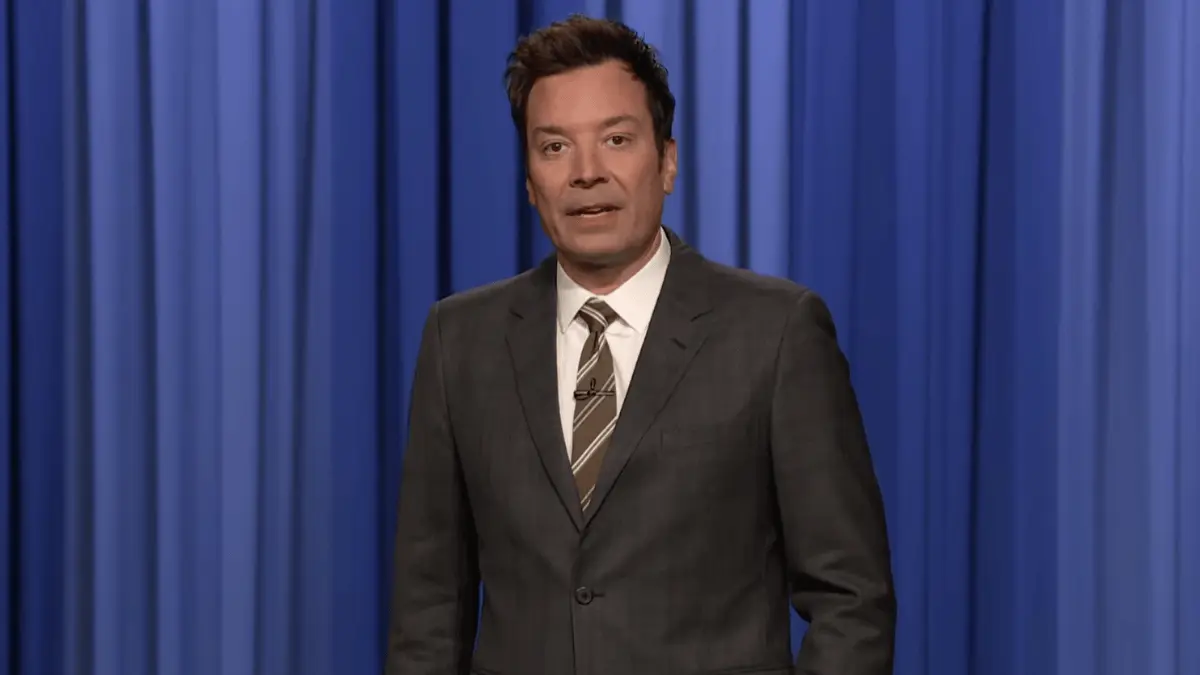
Late-night television host Jimmy Fallon has once again turned his comedic lens on President Donald Trump, this time satirizing the President’s recent inflammatory remarks suggesting that reporters from prominent media outlets should face arrest for their coverage of his rallies. During Tuesday night’s episode of “The Tonight Show,” Fallon framed Trump’s aggressive stance against the press as a sign of a growing intolerance for critical reporting, while simultaneously suggesting that journalists themselves are unfazed by such threats. The segment, which has garnered significant attention online, highlights the ongoing and often contentious relationship between the current presidential administration and segments of the media.
The genesis of Fallon’s latest material stems from President Trump’s public pronouncements following a recent rally in Ohio. Reports from various news organizations, including The New York Times, indicated that attendance at the event was below the venue’s capacity. This assessment apparently incensed the President, leading him to publicly question the integrity of the reporting and, in a significant escalation, propose punitive measures against journalists. Trump’s suggestion that reporters should be arrested for their coverage has been widely interpreted as a direct challenge to the First Amendment’s protections of free speech and a free press.
Fallon, in his characteristic style, distilled this controversy into a series of jokes, aiming to highlight the perceived absurdity of the President’s stance. He presented the scenario of Trump’s threat and then offered a hypothetical, humorous retort from the perspective of a journalist. "Reporters aren’t worried," Fallon quipped, imagining their internal monologue. "They’re like, ‘If we can sit through a two-hour Trump speech, we can handle prison. Eh, we’re good.’" This punchline not only pokes fun at Trump’s often lengthy and impassioned speeches but also implies a resilience and dedication among journalists to their work, even in the face of perceived intimidation.
The Ohio Rally and Disputed Attendance Figures
The specific event that triggered Trump’s ire was a rally held in Ohio. The discrepancy in reporting centered on the perceived size of the crowd. While the President and his supporters often claim massive turnouts at his events, independent media observations suggested a more modest attendance on this particular occasion. This divergence in reporting is not uncommon in political rallies, where the optics of crowd size can be a significant factor in public perception and political messaging. However, Trump’s reaction moved beyond mere dismissal of the reports to outright threats of legal action.
Fallon further elaborated on the rally’s coverage, humorously misinterpreting the media’s descriptions. "Trump’s mad because reporters said his Ohio rally was small," Fallon stated. "Well, they didn’t technically say it was small. They just said, ‘It’s cute.’" This comedic reframing plays on the subtle nuances of language and perception, suggesting that the media’s critique was less about direct insult and more about understated observation.
Adding another layer to the comedic critique, Fallon pointed out a factual discrepancy regarding the venue itself. "Trump claimed that his rally in Ohio was at the Ohio Arena, even though he spoke at a high-school gymnasium. Oops." This observation, if accurate, suggests a potential misrepresentation of the event’s scale, further fueling the debate about the accuracy of information presented by the Trump campaign. Fallon then extended this idea into a future hypothetical, joking that a future rally advertised for "Texas Stadium" might actually be held in "a LongHorn Steakhouse in the birthday-party room." These exaggerated scenarios serve to underscore the perceived disconnect between Trump’s pronouncements and reality, as interpreted by the late-night host.
A Pattern of Media Confrontation
The incident in Ohio and Fallon’s subsequent commentary are part of a larger and well-documented pattern of President Trump’s adversarial relationship with the press. Throughout his political career and presidency, Trump has frequently characterized critical news coverage as "fake news" and has often attacked individual journalists and news organizations. His rhetoric has at times been described as hostile, and critics argue that it contributes to a climate of distrust and even danger for those working in journalism.
This pattern is further illustrated by Trump’s recent targeting of female journalists. On Monday, prior to Fallon’s monologue, President Trump reportedly referred to Fox News’s Jessica Tarlov as a "loser" and told CNN’s Kristen Holmes, "Your whole outfit is fake, and so are you." These remarks, made in a public forum, have been condemned by press freedom advocates as personal attacks that go beyond professional critique and border on harassment. Fallon’s inclusion of these incidents in his segment underscores the broader context of Trump’s ongoing criticism of the media, demonstrating that the Ohio rally issue is not an isolated event but rather part of a consistent approach.
Analyzing the Implications: Free Speech, Press Freedom, and Political Discourse
President Trump’s suggestions of arresting journalists raise significant concerns about the health of democratic discourse and the fundamental principles of free speech and press freedom. In the United States, the First Amendment to the Constitution provides robust protections for the press, recognizing its vital role in a democratic society as a watchdog holding power accountable. The idea of government officials threatening journalists with arrest for their reporting is seen by many as a direct assault on these constitutional guarantees.
The implications of such rhetoric are multifaceted. Firstly, it can have a chilling effect on journalism. When reporters fear potential repercussions for their work, they may be less inclined to pursue stories that are critical of those in power, thereby limiting the public’s access to important information. This can lead to a less informed electorate and a weakening of democratic accountability.
Secondly, the President’s language can embolden those who are already hostile to the press. When the highest office in the land signals disapproval or disdain for journalists, it can validate and amplify negative sentiments, potentially leading to increased harassment, threats, and even violence against members of the media. The Committee to Protect Journalists (CPJ) has repeatedly expressed concern about the rising tide of hostility towards journalists globally, and rhetoric from political leaders plays a significant role in this trend.
Thirdly, such confrontational language can further polarize public opinion. In an already deeply divided political landscape, the framing of journalists as adversaries rather than as providers of information can deepen partisan divides and make constructive dialogue more difficult. When citizens are encouraged to distrust all news sources that do not align with their political viewpoints, it becomes harder to establish a common understanding of facts, which is essential for addressing complex societal issues.
The Role of Late-Night Comedy
Late-night comedy shows like “The Tonight Show” often serve as a cultural barometer, reflecting and commenting on the prevailing political and social climate. Jimmy Fallon’s decision to address Trump’s threats against the press through humor is a common tactic employed by comedians to engage with serious issues in an accessible and often memorable way. By using satire, Fallon can highlight what he perceives as the incongruities or hypocrisies in political actions and statements, encouraging his audience to think critically about these issues.
The effectiveness of comedic commentary in influencing public opinion or policy is debatable. However, such segments undoubtedly contribute to the broader public conversation surrounding these topics. They can introduce controversial ideas to a wider audience, spark discussions, and provide an outlet for public frustration or amusement. In this instance, Fallon’s jokes serve to draw attention to the seriousness of Trump’s statements by framing them in a humorous, yet pointed, manner, implicitly questioning the appropriateness and legality of such threats.
Broader Context: Historical Tensions Between Presidents and the Press
The relationship between the U.S. presidency and the press has historically been complex and often fraught with tension. From Thomas Jefferson’s famous declaration that he would rather have newspapers without a government than a government without newspapers, to Theodore Roosevelt’s coining of the term "muckraker" for investigative journalists, presidents have long engaged with the media in a variety of ways, both cooperative and confrontational.
However, the current level of public animosity expressed by President Trump towards the press is seen by many as exceeding historical norms. While past presidents have certainly had their disagreements with reporters and news organizations, the consistent and often aggressive rhetoric of "fake news" and accusations of being "enemies of the people" represent a significant departure. This has led to a heightened sense of concern among press freedom advocates and civil liberties organizations about the potential erosion of democratic norms and institutions.
Conclusion: A Continual Dialogue
Jimmy Fallon’s mocking of Donald Trump’s threats to arrest journalists is more than just a late-night joke; it is a reflection of a significant ongoing debate about the role of the press in a democracy and the boundaries of presidential authority. While Fallon uses humor to critique the President’s actions, the underlying issues—press freedom, the First Amendment, and the importance of an informed citizenry—remain critical concerns for the health of American democracy. The continued public discourse, whether through political rallies, news reporting, or even late-night comedy, underscores the enduring importance of these principles and the vigilance required to protect them. The interactions between President Trump and the media will undoubtedly continue to be a focal point of public attention and analysis.

 Yuyun Lusiyani
 Ana Megawati
 Eva Lovia
 Jia Lissa
 Pevita Pearce