
 Joko Widodo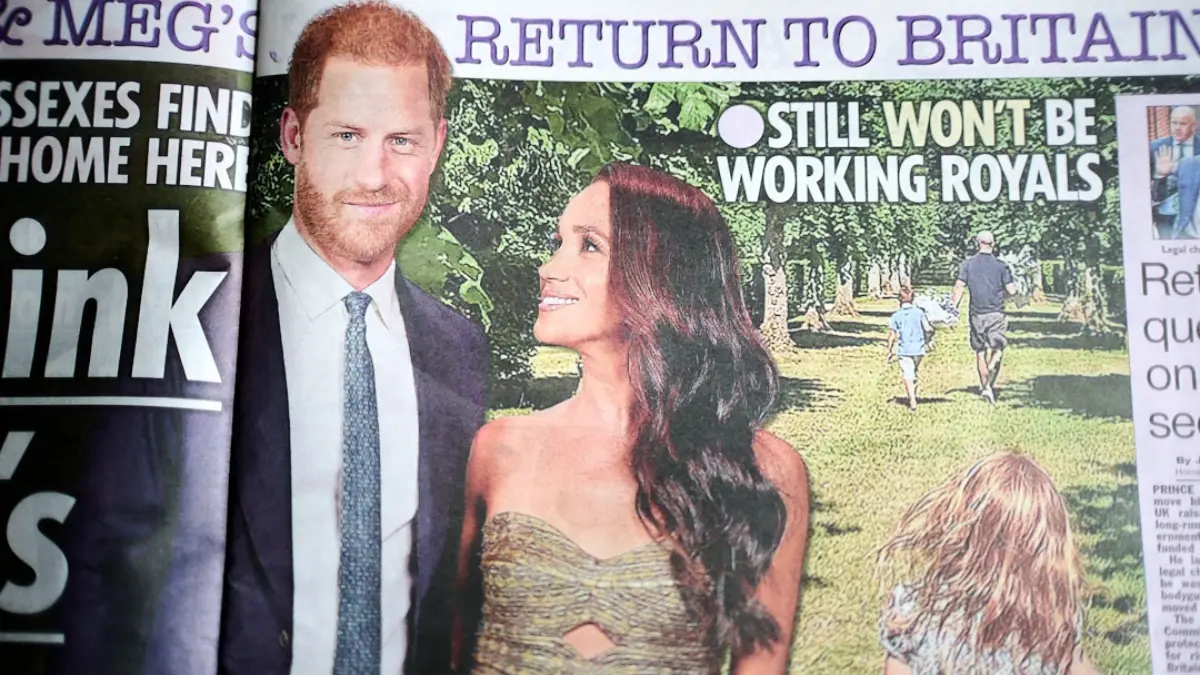
Prince Harry has revealed that he experienced a period of depression for approximately two weeks following his family’s move to Canada in late 2019. The Duke of Sussex described this state as an "adrenaline crash," a phenomenon he attributes to the sudden cessation of the high-stress environment he had been accustomed to for years. This candid admission offers a deeper insight into the personal challenges faced by the royal as he and his wife, Meghan Markle, navigated a significant transition in their lives and their relationship with the British monarchy.
The revelation came during Harry’s participation in a MasterClass titled "Redefining Grief: Building Resilience Through Loss," where he engaged in a discussion with neuroscientist Dr. Mary-Frances O’Connor. In this educational setting, designed to explore complex emotional experiences, Prince Harry elaborated on the physiological and psychological impact of his abrupt shift in circumstances. He explained that his body had become accustomed to functioning on a constant stream of adrenaline, a response honed by years of navigating intense public scrutiny and the pressures associated with his role as a senior royal.
The Adrenaline Crash: A Sudden Shift in Equilibrium
Prince Harry articulated that the move to Canada, intended to provide "some space away from everything just to be able to think," inadvertently triggered a profound internal imbalance. He recounted the immediate aftermath of their arrival in Canada: "Being in Canada, away from the stressful environment where presumably my body was just pumped full of adrenaline, within two or three days, I experienced this adrenaline crash, something that I’d never experienced before." This abrupt withdrawal of external stressors led to a feeling of being fundamentally impaired.
"It was as if I needed stress in order to get the adrenaline to make my brain function because I became useless around the house," Harry admitted. This statement underscores a concerning dependence on high-stakes situations for basic functionality, a coping mechanism developed over time. The subsequent period of depression, lasting for about two weeks, was characterized by an inability to perform even routine tasks without the perceived necessity of adrenaline. "I actually slipped into depression for about two weeks and I felt like I couldn’t function without adrenaline," he further elaborated.
Timeline of Transition and Royal Departure
The sequence of events leading to this revelation is crucial for understanding the context. In early 2020, Prince Harry and Meghan Markle formally announced their decision to step back as senior members of the British royal family. This decision, often referred to as "Megxit," followed months of mounting speculation and public commentary regarding the couple’s desire for a more independent life and their struggles with the intense media attention.
The initial move to Canada occurred in late 2019, with the couple initially residing on Vancouver Island before relocating to California in the United States in March 2020. This period marked a significant severance from the established routines and responsibilities of royal life. The transition involved not only a geographical relocation but also a fundamental redefinition of their public roles and personal boundaries. The financial implications were also substantial, with the couple indicating their intention to become financially independent, a goal that has since been pursued through various commercial ventures.
Unprocessed Grief and the Legacy of Princess Diana
The discussion surrounding Prince Harry’s mental health also delved into the profound and enduring impact of his mother, Princess Diana’s, tragic death in 1997. Harry spoke candidly about the long period of emotional suppression he experienced in the wake of her passing. "For 15, 20 years, when I was being asked, ‘Are you okay?’ My response was, ‘I’m fine.’ It was numbness, emotional shutdown," he revealed. This consistent deflection of his true feelings, he suggests, was facilitated by the constant adrenaline surge that masked deeper emotional pain.
His participation in military service, he noted, provided a structured environment that, while challenging, also offered a framework for confronting trauma and panic attacks. He described harrowing experiences, including the visceral sensation of his "shirt collar tightening around his neck and caused him to suffocate," a potent metaphor for the suffocating nature of his internal struggles. The military training, he implies, helped him to begin to process these deeply ingrained issues, even if the full resolution remained elusive.
A significant turning point for Harry was the realization that his happiness was not a betrayal of his mother’s memory. The guilt and grief he carried for years began to dissipate as he understood Princess Diana’s ultimate wish for his well-being. "But the reality is, what I discovered was actually that she just wanted me to be happy," he stated. This profound shift in perspective was "huge" for him, providing a sense of liberation and a "whole different outlook on life." This insight allowed him to move beyond the confines of guilt and embrace a future where personal happiness was a legitimate pursuit.
Broader Implications and Public Discourse on Mental Health
Prince Harry’s willingness to share such personal and vulnerable experiences continues to contribute significantly to the ongoing global conversation about mental health. By speaking openly about depression, adrenaline crashes, and the long-term effects of grief, he not only humanizes himself but also encourages others to seek help and destigmatize mental health challenges. His platform as a globally recognized figure lends immense weight to these discussions, potentially empowering countless individuals to address their own struggles without fear of judgment.
The timing of these revelations, following a period of intense public scrutiny and personal upheaval for the Sussexes, further amplifies their impact. It offers a nuanced perspective on the pressures faced by individuals in the public eye and the often-unseen emotional toll that comes with it. The narrative suggests that even those who appear to have everything can experience profound mental health challenges, a crucial message in fostering empathy and understanding.
Supporting Data and Expert Perspectives
The concept of an "adrenaline crash" following a period of intense stress is a recognized phenomenon in psychology and physiology. When the body is subjected to prolonged stress, it releases cortisol and adrenaline to help cope. While this response is crucial for survival in acute situations, chronic exposure can lead to what is known as "burnout." When the source of the stress is removed, the body’s hormonal levels can drop significantly, leading to symptoms of fatigue, depression, and an inability to concentrate. This is precisely what Prince Harry described as an "adrenaline crash."
Furthermore, the connection between unprocessed grief and mental health issues is well-documented. The death of a parent, particularly at a young age, can have profound and lasting effects on an individual’s psychological well-being. If this grief is not adequately processed, it can manifest in various forms, including depression, anxiety, and difficulty forming healthy relationships. Prince Harry’s journey toward accepting his grief and prioritizing his happiness aligns with therapeutic approaches that emphasize emotional processing and self-compassion.
Potential Reactions and Future Outlook
While direct official statements from Buckingham Palace regarding Prince Harry’s personal mental health disclosures are unlikely, given the established protocol of maintaining a degree of privacy in such matters, the broader implications of his candor are significant. His continued advocacy for mental health, alongside his wife Meghan, reinforces their commitment to using their experiences to benefit others.
The Sussexes’ journey since stepping back from royal duties has been marked by a deliberate effort to forge their own path, one that prioritizes their well-being and allows them to pursue ventures aligned with their values. Prince Harry’s latest revelations offer a deeper understanding of the personal motivations behind these significant life choices. His ability to articulate these complex emotional states, and to draw connections between his past traumas and his present experiences, suggests a continued dedication to personal growth and healing. The ongoing public discourse surrounding his mental health journey is likely to remain a significant aspect of his public narrative, serving as a testament to the universal nature of emotional challenges and the importance of open dialogue.




 Yuyun Lusiyani
 Ana Megawati
 Eva Lovia
 Jia Lissa
 Pevita Pearce