Lina Irawan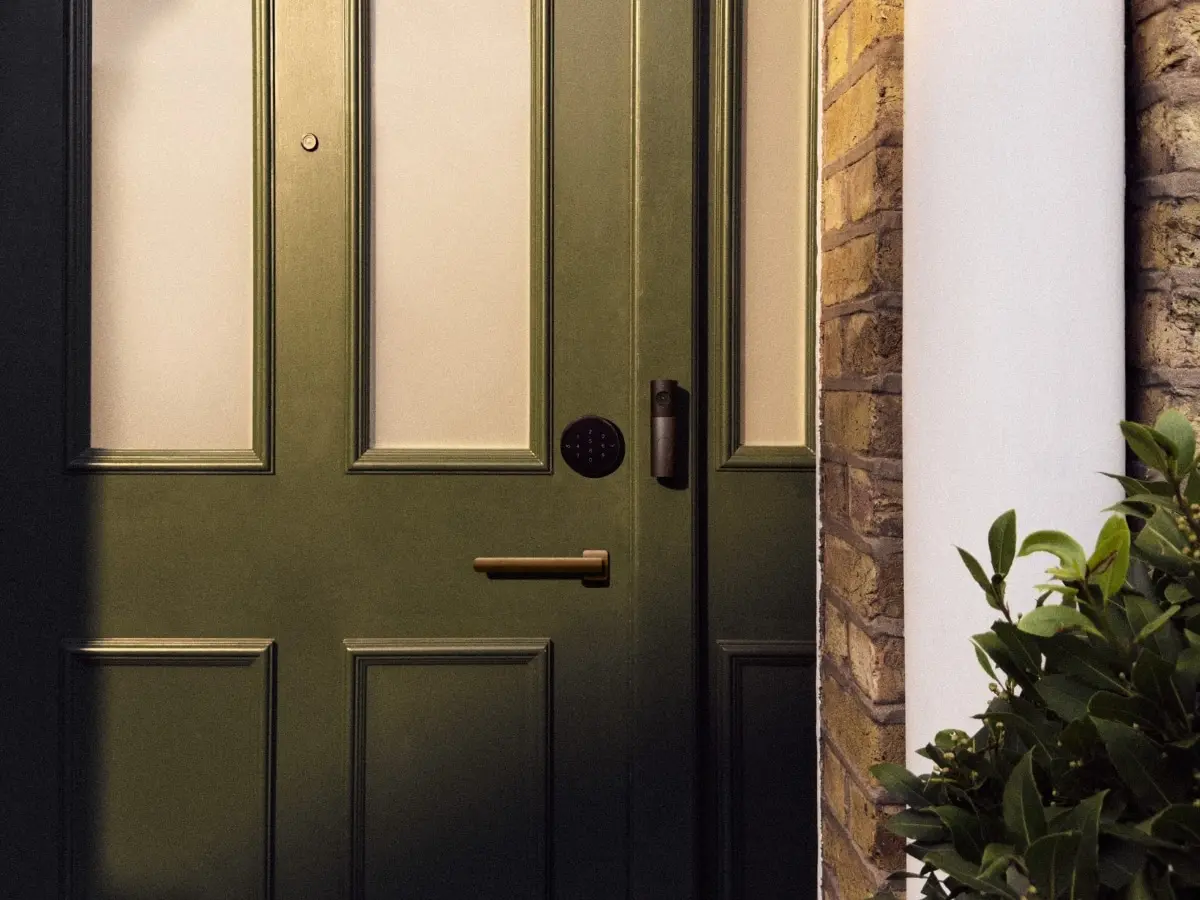
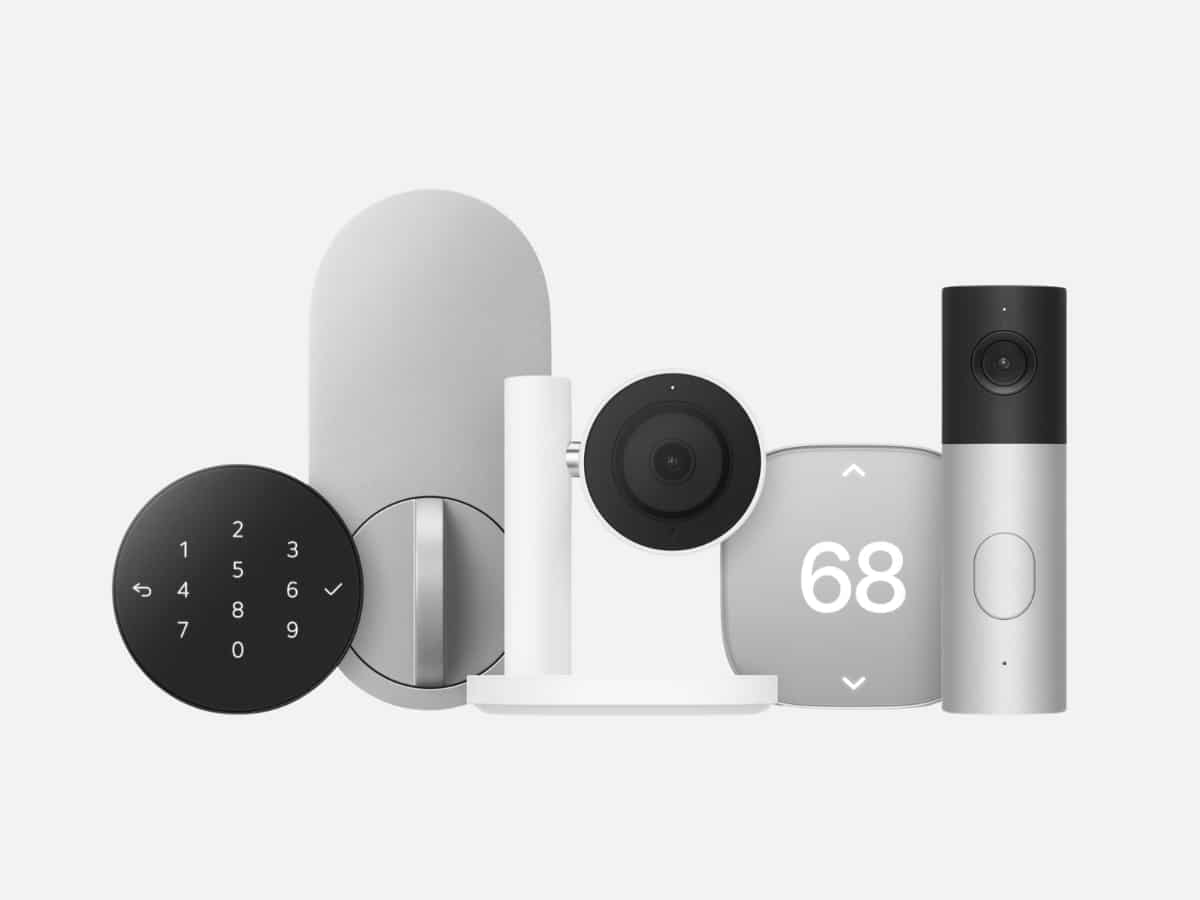
Apple has officially signaled a major escalation in its bid to dominate the domestic technology market, unveiling the Apple Home Collection, a comprehensive suite of smart home accessories developed in collaboration with LG Electronics and Schneider Electric. This strategic move marks a departure from Apple’s traditional approach of providing the software framework—HomeKit—for third-party manufacturers, instead moving toward a more tightly integrated, Apple-branded experience. The new lineup, which includes advanced security cameras, video doorbells, smart locks, and climate control systems, aims to simplify the often-fragmented smart home landscape by eliminating the need for secondary manufacturer applications and dedicated third-party accounts.
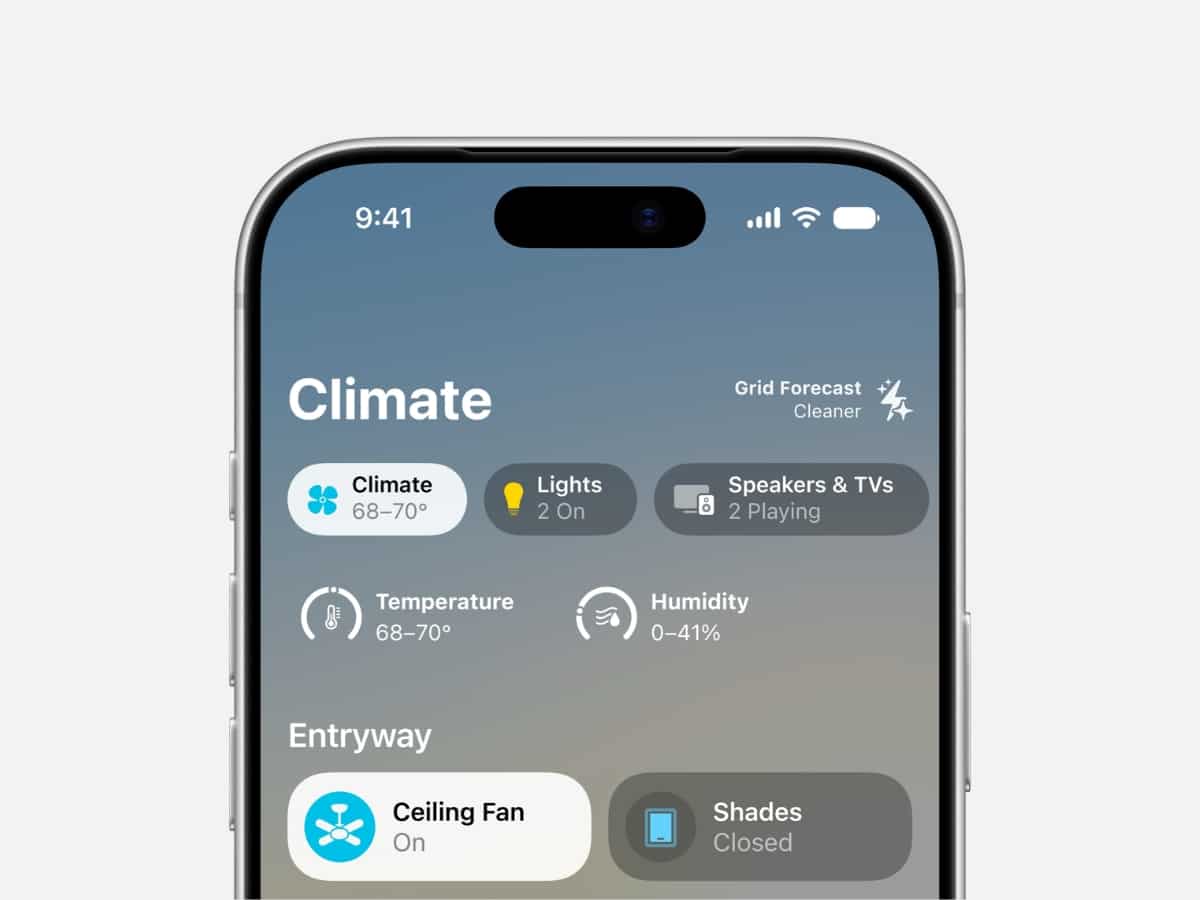
The core of the Apple Home Collection is built upon the principle of seamless integration within the iOS ecosystem. Users can initialize new accessories with a simple tap of an iPhone, utilizing Near Field Communication (NFC) and Ultra Wideband (UWB) technologies to bypass the cumbersome setup processes typical of competing platforms. Management of all devices is centralized within the Apple Home app, positioning the tech giant as a direct competitor to established market leaders like Amazon’s Ring and Google’s Nest.
Technical Specifications and Hardware Overview
The 2026 collection is headlined by four distinct security cameras manufactured by LG Electronics. These devices are equipped with sensors capable of capturing video at 2.5K resolution, providing a significant fidelity upgrade over the 1080p standard found in many entry-level smart home systems. The lineup includes the LG Video Doorbell, which features a dual-camera array. This configuration allows for simultaneous monitoring of visitors and the ground area where packages are typically placed, addressing a common blind spot in single-lens doorbell designs.
For perimeter security, the Floodlight Cam and Outdoor Cam utilize high-intensity lighting and advanced sensors to provide color night vision. Unlike traditional infrared systems that produce grainy, monochromatic footage, these cameras maintain color accuracy in low-light conditions, which is critical for identifying specific details such as clothing colors or vehicle shades during security incidents.
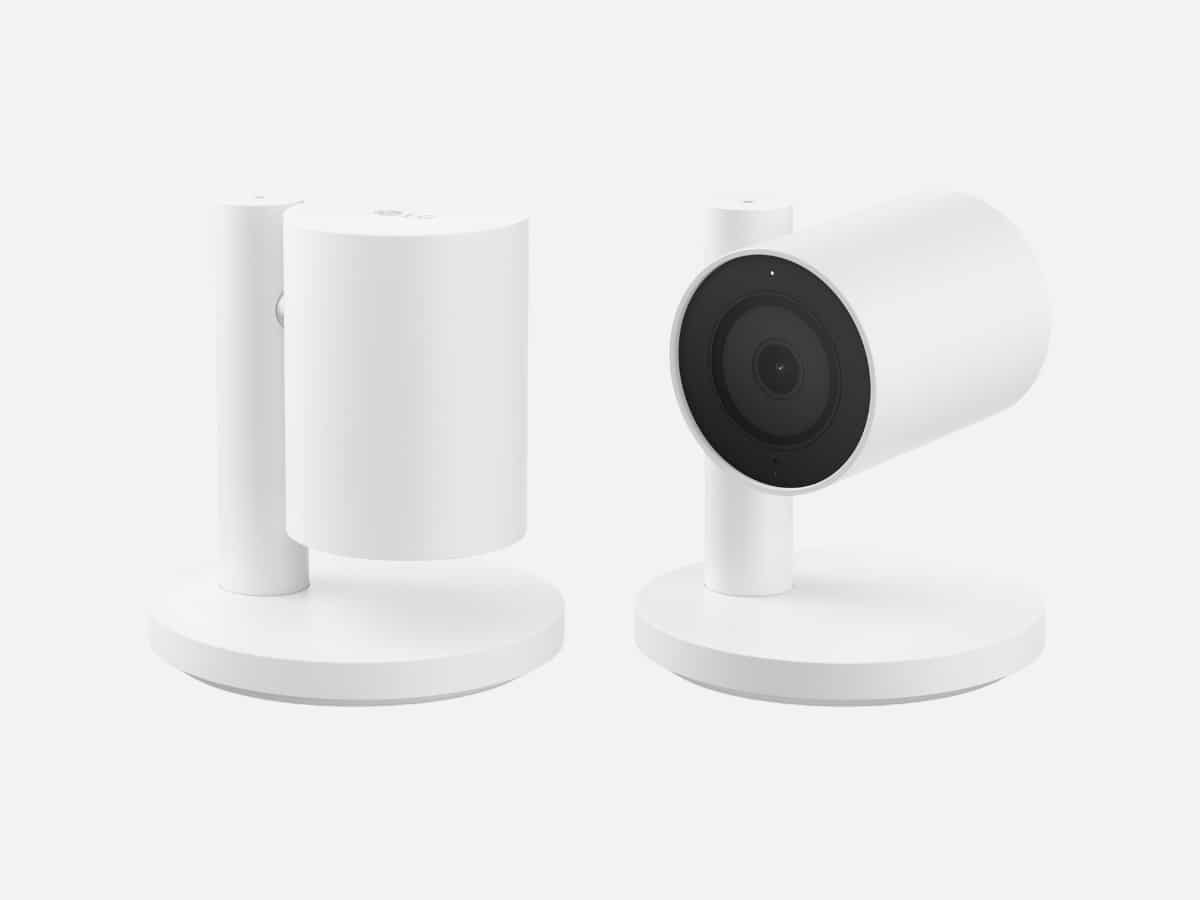
One of the most notable design innovations is found in the LG Indoor Cam Plug-In. Addressing persistent consumer anxiety regarding indoor surveillance, the camera features a physical privacy mechanism. When the primary household member is detected at home via their iPhone or Apple Watch, the camera lens physically tilts downward into the housing. This provides a visible, mechanical confirmation that the device is not monitoring the room, a feature Apple emphasizes as a "privacy-first" design choice.

Access Control and the Integration of Ultra Wideband Technology
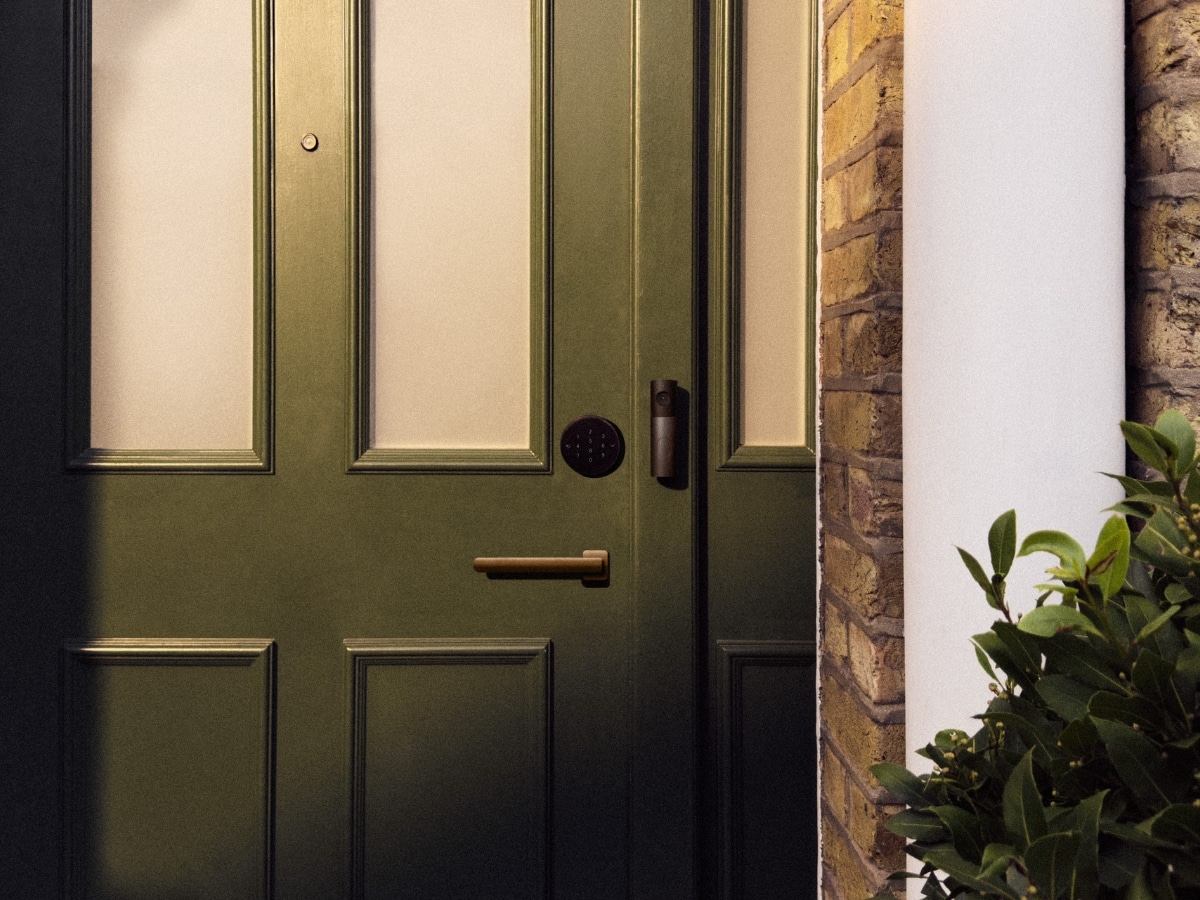
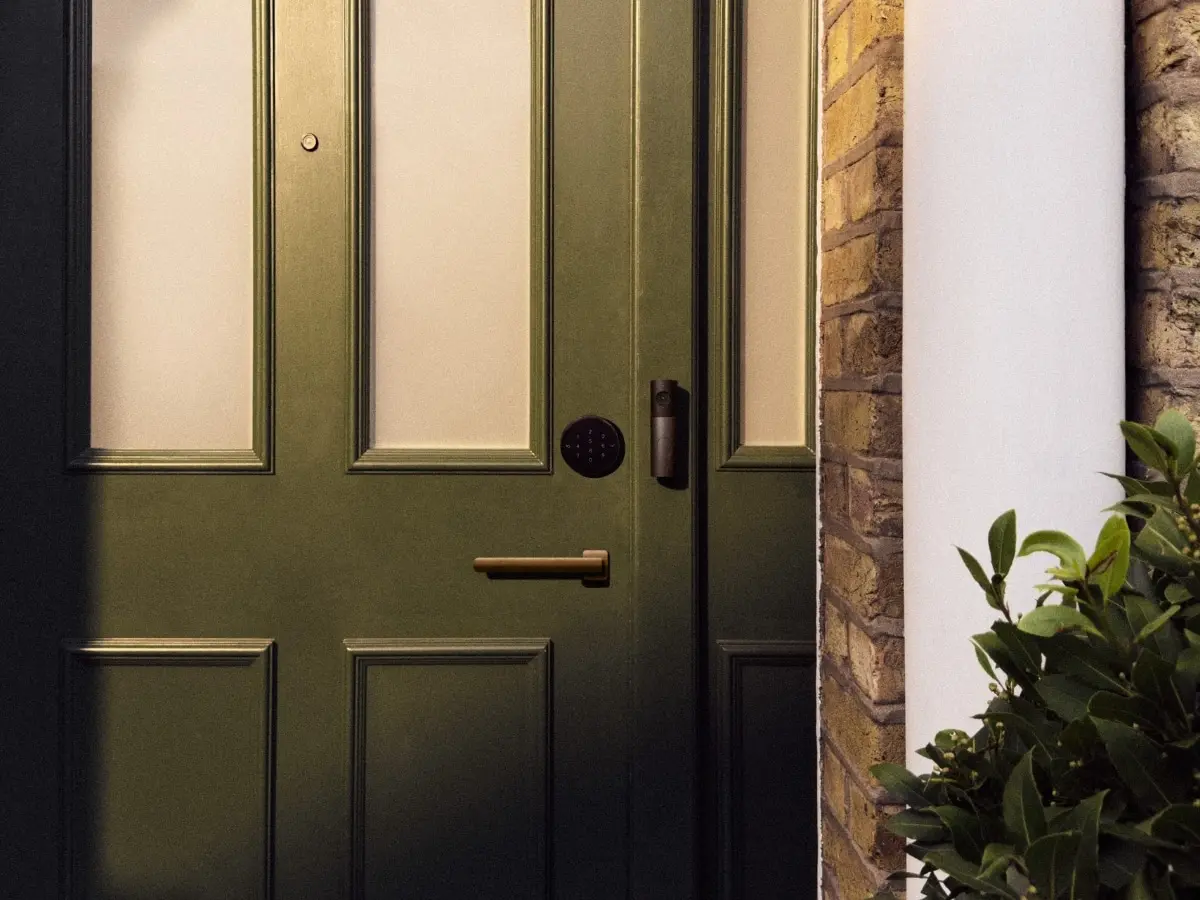
The LG Smart Deadbolt Lock represents a significant leap in residential access technology. While most smart locks rely on Bluetooth or NFC—the latter requiring the user to physically tap their device against the lock—the new LG model incorporates Ultra Wideband (UWB) technology. This allows for "hands-free" entry; the lock can triangulate the precise position of an approaching iPhone or Apple Watch and disengage the deadbolt as the user reaches the door.
To ensure reliability, the lock includes a physical PIN pad and a traditional key cylinder as redundancies. Crucially, Apple has confirmed that the lock’s core authentication functions operate locally. This means that even in the event of a total internet outage, the encrypted "handshake" between the user’s device and the lock remains functional, preventing users from being locked out due to server failures.
The lock also adheres to the Matter standard and the Aliro protocol. Matter is a cross-industry communication standard designed to ensure that smart home devices from different manufacturers can interact reliably. Aliro, a more recent development, focuses specifically on the standardization of digital keys, allowing smartphones and wearables to function as secure credentials across a wide variety of electronic locks and access points.
Climate Control and Energy Efficiency Partnership
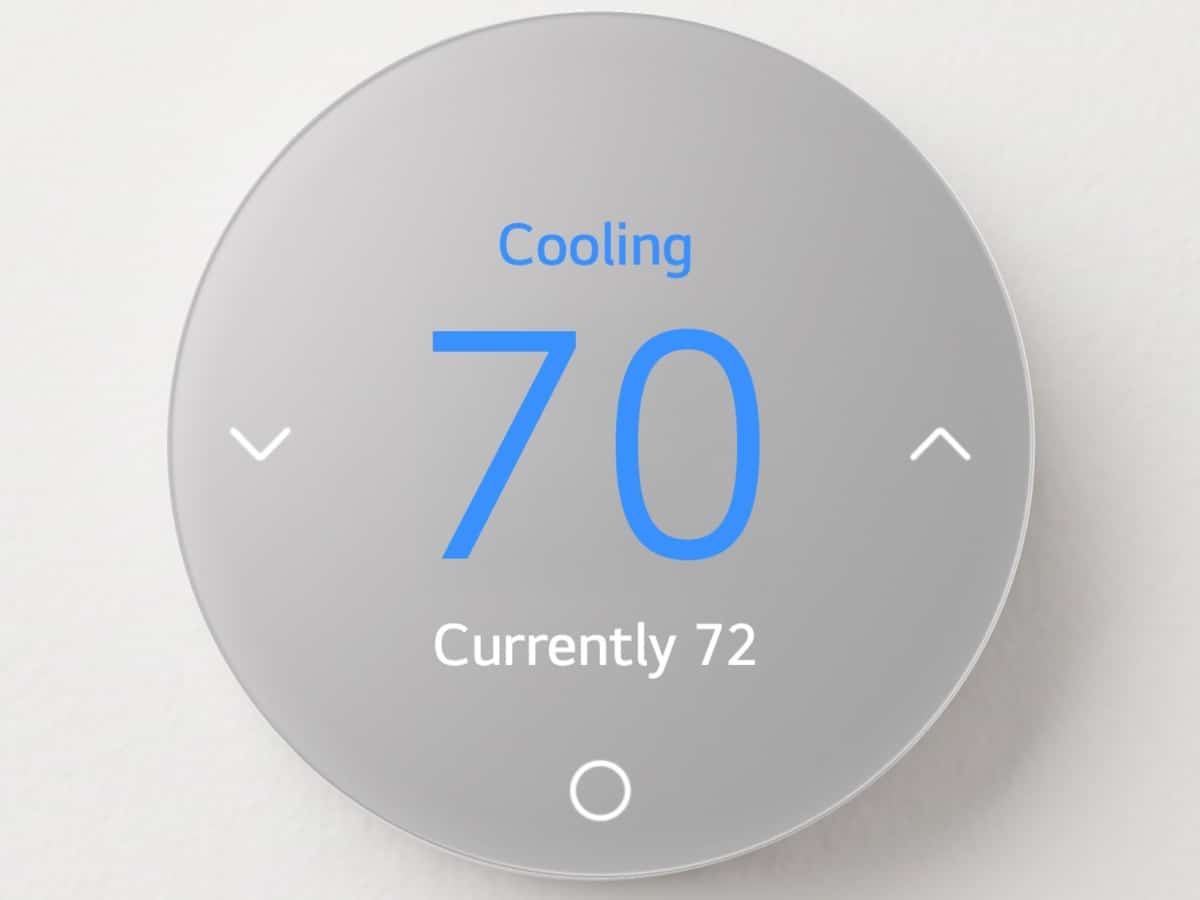
In addition to security, the Apple Home Collection addresses home automation and energy management through a partnership with Schneider Electric, a global leader in energy digital transformation. The collaboration has produced a new smart thermostat and dedicated room sensors designed to optimize HVAC (heating, ventilation, and air conditioning) usage.
These devices utilize Apple’s "Adaptive Temperature" feature. By leveraging data from the various sensors placed throughout the home, the system can determine occupancy levels and adjust temperatures dynamically. For instance, the system can prioritize cooling the bedroom at night while ignoring unoccupied living spaces, or automatically transition to an energy-saving mode when the last occupant leaves the premises. This focus on "micro-zoning" is intended to reduce the environmental footprint of large homes and lower utility costs for consumers.
The Privacy Imperative and the LG Controversy
The launch of the Apple Home Collection comes at a time of heightened scrutiny regarding the data practices of smart home manufacturers. Apple has doubled down on its commitment to privacy, asserting that all video footage and personal data processed through the Home app are encrypted end-to-end. Under this architecture, neither Apple, LG, nor Schneider Electric can access the raw data.
However, the partnership with LG has raised questions due to recent allegations involving the manufacturer’s smart TV division. In late 2026, investigations by independent security researchers alleged that certain LG smart TVs were scanning local home networks to identify other connected devices and potentially capturing audio data for advertising purposes.
LG has defended its practices, stating that its voice-recognition features are only active upon user command and that it adheres to strict data deletion policies. Apple’s counter-strategy involves isolating the Home Collection hardware from the manufacturer’s traditional software ecosystems. By requiring no LG account and processing all AI-generated descriptions and footage searches through Apple’s Private Cloud Compute or local Home Hubs (such as the fourth-generation Apple TV 4K), Apple aims to insulate its users from the data-harvesting practices often associated with smart hardware.
Pricing and Market Positioning
The Apple Home Collection is positioned as a premium offering in the smart home market. The announced pricing for the North American market is as follows:
- LG Indoor Cam: USD $199.95
- LG Video Doorbell: USD $249.95
- LG Smart Deadbolt Lock: USD $349.95
- LG Floodlight Cam: USD $399.95
- Smart Thermostats: Starting at USD $199.95
In addition to the hardware costs, users seeking to utilize the full suite of security features—including ten days of encrypted event history and natural-language footage search—must maintain an active iCloud+ subscription. While Apple frames this as a benefit by consolidating services, it effectively ties the hardware’s most advanced features to a recurring monthly fee.
Regional Availability and Regulatory Challenges
The initial rollout of the Apple Home Collection is notably limited. Sales are slated to begin in the United States and Canada in late 2026, with a limited selection of products reaching the United Kingdom in December. A broader expansion is planned for early 2027, though several key markets remain excluded.
Australia, for instance, has no confirmed release date. This delay has left local consumers uncertain as to when they might access the integrated ecosystem. Furthermore, the European Union faces a more significant hurdle. Due to ongoing disputes between Apple and EU regulators regarding the Digital Markets Act (DMA), Apple has delayed the launch of "Siri AI" and related features in the region. Because the Apple Home Collection relies heavily on these AI capabilities for footage analysis and voice control, the entire lineup—along with the new Apple HomeView display—remains unavailable in the EU indefinitely.
Analysis of Broader Implications
Apple’s entry into the hardware side of the smart home market represents a fundamental shift in the company’s services strategy. By controlling both the hardware (via partners) and the software, Apple is creating a "walled garden" within the home that is difficult for competitors to penetrate. The move toward Matter and Aliro standards suggests that Apple recognizes the need for interoperability, but its insistence on the Apple Home app as the sole interface ensures that the user experience remains firmly under its control.
For the broader industry, this partnership validates the importance of privacy as a marketable feature. As consumers become increasingly wary of "always-on" microphones and cameras, the physical privacy shutters and end-to-end encryption offered by the Apple Home Collection may set a new baseline for the industry. However, the high entry price and the requirement for existing Apple hardware (like the Apple TV or HomePod) to act as a hub may limit the collection’s appeal to the most dedicated members of the Apple ecosystem.
As the 2026 holiday season approaches, the success of the Apple Home Collection will likely depend on whether consumers perceive the convenience of a "no-extra-app" lifestyle as worth the premium price tag. For now, the tech world watches as Apple attempts to turn the "smart home" from a collection of gadgets into a unified, secure, and highly profitable extension of the iPhone.



 Ana Megawati
 Joko Widodo
 Eva Lovia
 Jia Lissa