
 Lina Irawan
A comprehensive longitudinal study conducted by Flinders University has revealed a seismic shift in the Australian social fabric, indicating that younger generations are increasingly turning away from alcohol consumption. The research, titled "OK Boomer" and published in the prestigious scientific journal Addiction, draws upon more than two decades of data to illustrate that Generation Z is nearly 20 times more likely to abstain from alcohol than the Baby Boomer generation. This trend suggests that the traditional image of the Australian "larrikin" with a beer in hand is being replaced by a more health-conscious and economically prudent youth demographic. By accounting for age, demographic variables, and socioeconomic status, the researchers have identified a genuine generational pivot rather than a temporary phase of youthful moderation.
Analysis of the Flinders University Generational Study
The study, led by Dr. Gianluca Di Censo from Flinders University’s National Centre for Education and Training on Addiction (NCETA), utilized data from the Household, Income and Labour Dynamics in Australia (HILDA) Survey. This extensive dataset comprised 23 waves of survey responses from 23,368 Australians aged 18 and older. The primary objective was to compare the drinking habits of five distinct generations: the Silent Generation (born 1928–1945), Baby Boomers (1946–1964), Generation X (1965–1980), Millennials (1981–1996), and Generation Z (1997–2012).
The findings were stark. After adjusting for sociodemographic factors, the researchers found that Gen Z had 17.74 times the adjusted odds of abstaining from alcohol compared to Baby Boomers. Millennials were 9.67 times more likely to abstain, and Gen X members were 3.29 times more likely to choose a lifestyle free of alcohol than their Boomer predecessors. Dr. Di Censo emphasized that these figures represent a sustained change in behavior. "This isn’t just a phase; it appears to be a sustained change in behavior that could have long-term public health benefits," he noted. The data indicates that younger Australians are not merely delaying their entry into drinking culture but are actively rejecting it as a central pillar of their social identity.
Frequency versus Intensity: The Nuances of Consumption
While the trend toward total abstinence is clear, the study also highlights a complex relationship between those who continue to drink. The research distinguishes between "abstinence" and "moderation," finding that younger people who do choose to drink do not necessarily consume less per session than older generations. Among active drinkers, Millennials and Gen X reported consuming more alcohol on a "typical occasion" than Baby Boomers. In contrast, Gen Z drinkers showed no statistical difference from Boomers in the amount consumed during a single sitting.
However, when measuring total weekly consumption, the generational gap reappeared. Gen Z and Millennials reported lower total weekly consumption than Baby Boomers. Interestingly, the Silent Generation—now aged 80 and older—recorded the highest weekly consumption among those who still drink. This suggests a pattern of "little and often" among the oldest Australians, whereas younger drinkers may participate in more sporadic, higher-intensity sessions, or forgo alcohol entirely.

Historical Context: From the Six O’Clock Swill to the Sober Curious
To understand the magnitude of this shift, one must consider Australia’s historical relationship with alcohol. For much of the 20th century, drinking was deeply entwined with the Australian concept of "mateship" and social belonging. The infamous "six o’clock swill"—a period of frantic drinking between the end of the workday and the early closing of pubs—entrenched a culture of rapid consumption that persisted in various forms for decades.
The pub has traditionally served as the "third place" in Australian society—a communal space outside of home and work. However, the rise of "sober curiosity" and movements like "Dry July" and "Febfast" have begun to erode the social stigma once attached to non-drinking. The Flinders study suggests that the social pressure to drink, which was a hallmark of the Boomer and Gen X eras, is significantly lower for Gen Z. This generation is the first to come of age in an era where health wellness is a primary social currency, and where the negative long-term effects of alcohol are widely publicized and understood.
Socioeconomic Drivers and the Digital Shift
Researchers and sociologists point to several external factors driving the decline in youth drinking. Dr. Kirrilly Thompson, a co-author of the Flinders study, argues that digital socialising, rising living costs, and heightened health awareness are reshaping how young people spend their time and money.
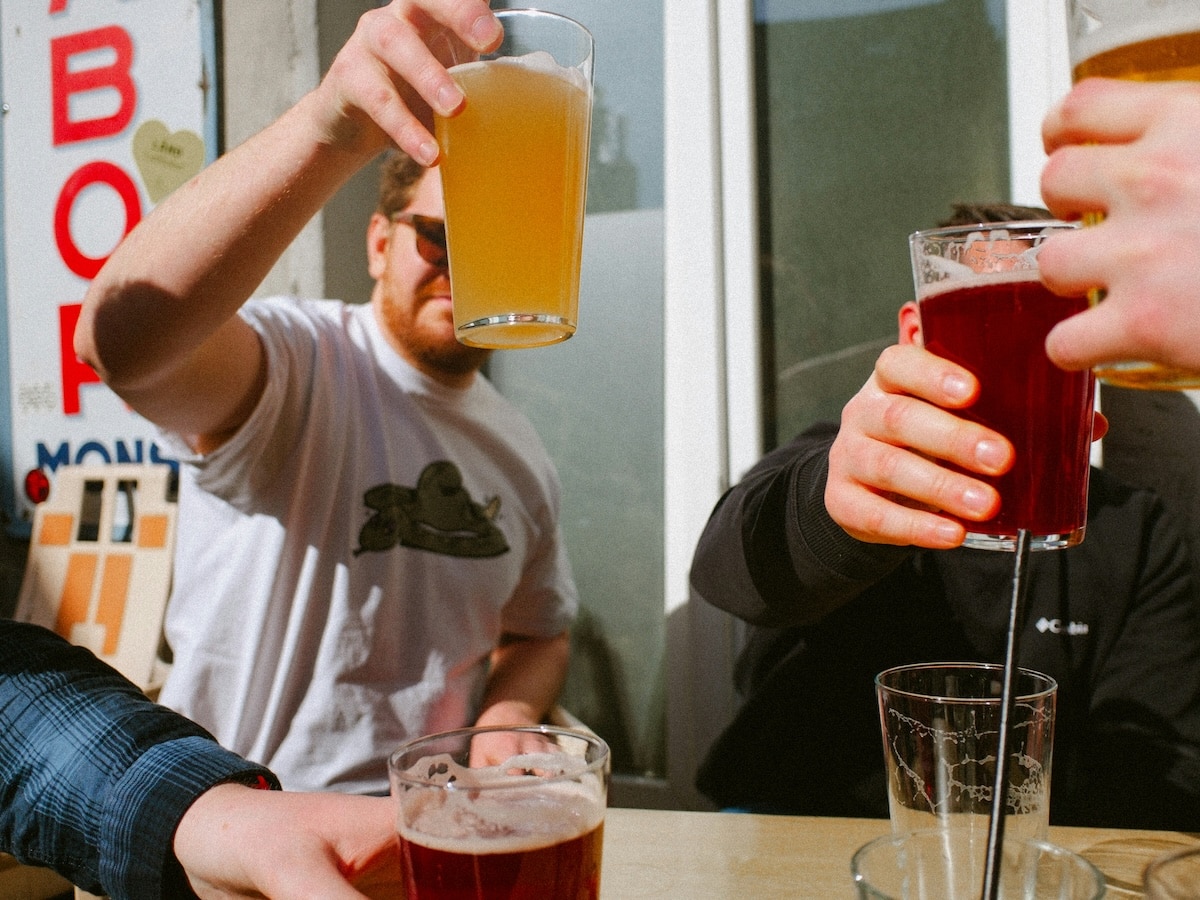
- Economic Pressures: The rising cost of living in Australia, particularly in major cities like Sydney and Melbourne, has made regular pub visits prohibitively expensive for many young adults. With the price of a standard pint of beer frequently exceeding $12–$15 and cocktails reaching $25, the "knock-off drink" has become a luxury rather than a daily habit.
- The Digital Environment: Unlike previous generations who relied on physical venues like pubs and clubs to meet peers, Gen Z socializes largely through digital platforms. Gaming, streaming, and social media provide social connectivity that does not require a physical "drinking" environment. Furthermore, the permanence of social media means that "drunken behavior" can be recorded and shared instantly, creating a social incentive for Gen Z to remain sober and maintain control over their public image.
- Health and Wellness: There is an increasing awareness of the link between alcohol and mental health, sleep quality, and long-term physical ailments. Gen Z is often characterized as a "wellness-focused" generation, prioritizing fitness and mental clarity over the temporary escapism provided by alcohol.
Industry Adaptation: The Rise of Non-Alcoholic Alternatives
The alcohol industry has not been blind to these shifting demographics. Major players like Diageo and independent startups are pivoting their strategies to cater to a "moderation-first" consumer base. Sarah Shimmons, marketing and brand director at Diageo Australia, observed that the "occasion" for drinking is changing. "Twenty years ago, people would have just come home from work and opened a bottle of wine," Shimmons stated. Now, consumers are looking for "meaningful occasions" and are more likely to opt for premium products or non-alcoholic alternatives when they do choose to participate.
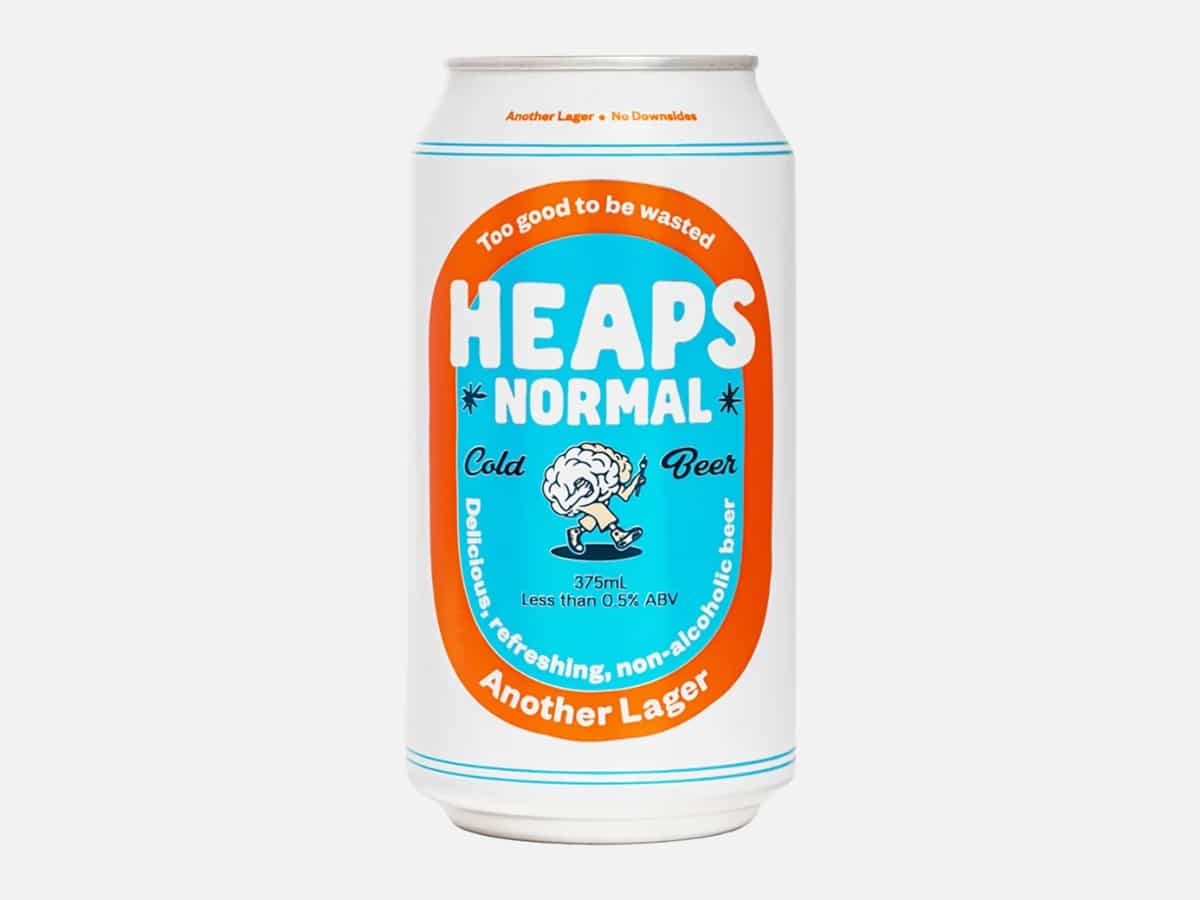
The non-alcoholic beer, wine, and spirit market in Australia has seen exponential growth. Companies like Heaps Normal, an independent non-alcoholic craft brewer, have found massive success by marketing to people who want the social experience of a beer without the impairment. This "premiumization" of the market reflects a shift where quality and social experience are prioritized over the volume of alcohol consumed.
Public Health Implications and Ongoing Challenges
While the increase in abstinence among the youth is a positive sign for public health, experts warn that Australia still faces significant challenges regarding alcohol-related harm. The Flinders study highlighted that while Gen Z is abstaining in record numbers, "risky drinking" remains a concern for those who do partake. Furthermore, older generations continue to exhibit high rates of weekly consumption, which carries its own set of health risks, including increased susceptibility to liver disease, cardiovascular issues, and certain cancers.
The concept of "grey-area drinking"—where consumption is not necessarily "alcoholism" but exceeds health guidelines—remains prevalent among middle-aged and older Australians. Public health advocates argue that while the youth are leading the way, policy changes and educational campaigns must continue to target all age groups to reduce the national burden of alcohol-related illness.
Future Outlook: A New Social Architecture
The Flinders University research provides a definitive data point in the ongoing evolution of Australian culture. If the trends observed in Gen Z and Millennials continue, the Australian social landscape of the future will look markedly different from the one inhabited by Baby Boomers. The "pub" may survive, but its survival likely depends on its ability to offer more than just alcohol—repositioning itself as a hub for community, food, and inclusive social experiences.
As Dr. Thompson concluded, "Generation Z are redefining what it means to socialise and celebrate, and they’re doing it with less alcohol." This shift represents a broader movement toward intentionality in social habits. While the iconic image of the Australian pub remains a part of the national identity, the requirement to be holding a drink to be part of the conversation is rapidly becoming a relic of the past. The "OK Boomer" study serves as a reminder that as society changes, so too must our understanding of the rituals that bring us together. The next generation is proving that a "good time" is no longer synonymous with a "glass in hand."




 Yuyun Lusiyani
 Ana Megawati
 Eva Lovia
 Jia Lissa
 Pevita Pearce
 admin
admin