Ana Megawati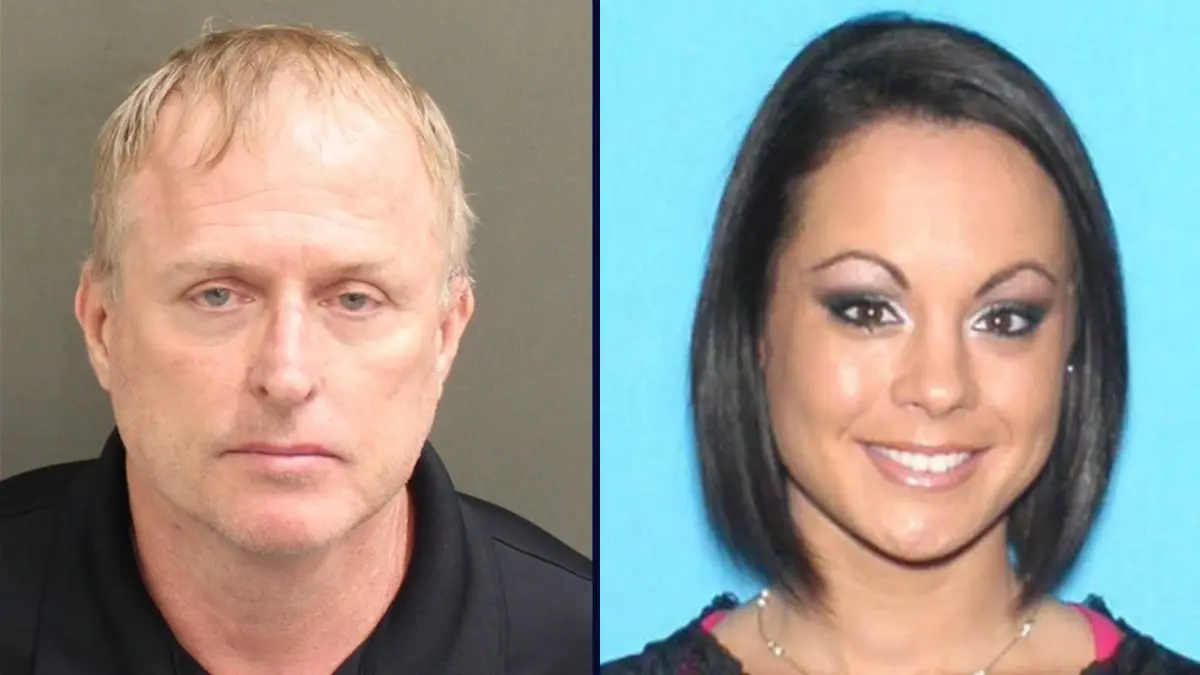
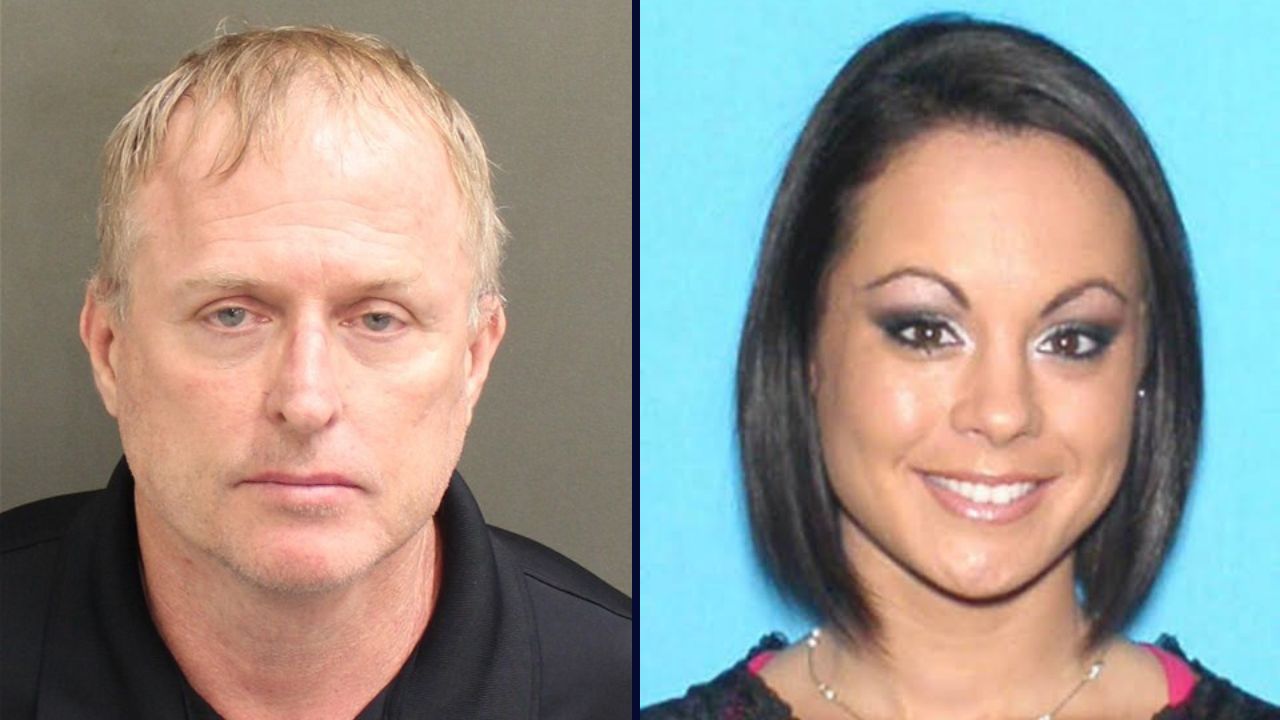
Orlando, Florida – Nearly fifteen years after Michelle Parker vanished under mysterious circumstances following her appearance on the syndicated television show "The People’s Court," authorities have arrested her former fiancé, Dale Smith Jr., on a second-degree murder charge. The arrest, announced by the Orlando Police Department, brings a significant development to one of Central Florida’s most enduring and high-profile cold cases, offering a glimmer of hope for justice to a family and community that has long sought answers.
Dale Smith Jr., now 55, was taken into custody on Wednesday, October 28, 2026, marking a dramatic turning point in the investigation into Parker’s disappearance on November 17, 2011. Parker, a 33-year-old mother of twins, was last seen after dropping her children off at Smith’s Orlando home. While Smith had been considered a person of interest by investigators for years, the absence of a body and direct evidence had, until now, prevented an arrest. His apprehension underscores the unwavering persistence of law enforcement and the transformative impact of advancements in forensic technology.
The Eerie Disappearance: November 17, 2011
The day Michelle Parker disappeared was fraught with an unsettling coincidence. On November 17, 2011, the same day she vanished, an episode of "The People’s Court" aired featuring Parker and Smith in a contentious dispute over a $5,000 engagement ring. The television appearance, which brought their tumultuous relationship into the public eye, inadvertently became part of the chilling narrative surrounding her disappearance.
According to police and family accounts, Parker had dropped off her then 3-year-old twins at Smith’s home in Orlando. She was reportedly driving her black Hummer H3. After leaving Smith’s residence, Parker was never seen or heard from again. The immediate aftermath of her vanishing sparked widespread concern and a frantic search operation involving law enforcement, volunteers, and her distraught family.
Within days, key pieces of evidence began to surface, hinting at a sinister turn of events. Parker’s Hummer was discovered abandoned in a parking lot near the Mall at Millenia, several miles from Smith’s home. The vehicle showed no signs of forced entry, but its discovery intensified fears for her safety. Weeks later, her iPhone was found submerged under a bridge in the Waterford Lakes area, further east of where her vehicle was located. The discovery of the phone, a critical communication device, in such an unusual location, immediately raised suspicions of foul play. Despite these findings, investigators could not locate Parker herself, and her body has never been recovered.
A Troubled Romance and a Public Dispute
The relationship between Michelle Parker and Dale Smith Jr. was characterized by volatility and conflict. The pair had been engaged to be married, but the engagement was ultimately called off amid numerous arguments and accusations. The specific catalyst for their "People’s Court" appearance was Smith’s lawsuit against Parker, alleging she had thrown her engagement ring off a ninth-story hotel balcony during a convention in Georgia. He claimed to have rushed downstairs to search for the ring but was unable to find it.
During the televised court proceedings, presided over by Judge Marilyn Milian, Parker presented a starkly different narrative. She accused Smith of physical abuse and infidelity, painting a picture of a relationship marred by distrust and violence. Parker testified that she had attempted to make the relationship work for the sake of their twin children but ultimately found it impossible. Judge Milian ultimately ordered Parker to pay Smith $2,500, a compromise from the original $5,000 claim. The airing of this emotionally charged episode on the very day Parker disappeared cast a long, dark shadow over Smith and the entire case, making it a focal point of public scrutiny and media attention.
The accusations of domestic violence, though unproven in a criminal court at the time, added a deeply disturbing layer to the missing person investigation. Research consistently indicates that a history of domestic disputes can be a significant risk factor in cases of intimate partner violence and homicide, making such details crucial to investigators.
The Long Road to Arrest: A Cold Case Rekindled
For nearly fifteen years, Michelle Parker’s disappearance remained one of Florida’s most vexing cold cases. Despite extensive initial investigations, countless interviews, and the consistent focus on Smith as a person of interest, a lack of definitive evidence prevented an arrest. The emotional toll on Parker’s family, particularly her children who grew up without their mother, was immeasurable. They endured years of agonizing uncertainty, holding vigils, participating in media appeals, and relentlessly pushing authorities to continue their pursuit of justice.
In recent years, however, the Orlando Police Department intensified its efforts, demonstrating a renewed commitment to solving the case. Orlando Police Chief Eric Smith addressed reporters at a press conference, stating, "Smith was the last known person to see or hear from Michelle on Nov. 17, 2011, after she dropped their children off at his home. Over the past year, we expanded our investigative team looking into this case and took a fresh, focused look at all the evidence. We re-examined testimony and conflicting statements made by the suspect and used advanced and digital forensics to uncover and analyze additional evidence."
This renewed focus highlights a broader trend in law enforcement, where cold case units are increasingly leveraging technological advancements to re-examine dormant investigations. Often, evidence that was once inconclusive or impossible to process with older methods can yield critical breakthroughs with modern forensic tools.
Digital Forensics: The Game Changer
Detective Phil McMican elaborated on the crucial role of modern technology in securing the arrest. He explained that "advancements in digital technology that were not available when Parker went missing were key in making the arrest." Specifically, McMican cited "location data on phones and other electronic devices" as pivotal.
The evolution of digital forensics over the past decade and a half has been revolutionary. In 2011, while cell phone data was available, the sophistication of its collection, analysis, and interpretation was far less advanced than it is today. Modern digital forensics can now meticulously reconstruct movements, communications, and activities through:
- Cell tower triangulation and precise GPS data: Providing highly accurate location histories.
- Cloud data analysis: Accessing backups from smartphones, tablets, and computers that may contain deleted messages, photos, or browsing history.
- Social media activity: Tracing digital footprints across various platforms.
- Wearable technology data: Information from smartwatches or fitness trackers, if present.
- Vehicle telemetry data: Modern cars often record location, speed, and other operational data.
- Internet of Things (IoT) devices: Data from smart home devices, if applicable.
These technologies allow investigators to piece together a digital mosaic of a suspect’s and victim’s movements and interactions, often filling in gaps that traditional physical evidence might miss. In cases where physical evidence is scarce or a body is never found, digital footprints can become paramount in establishing a timeline, placing suspects at critical locations, or uncovering motive.
Beyond technology, McMican also emphasized the significance of the suspect’s own "inconsistent statements during depositions in a civil case." He noted, "Very specific questions were asked of him numerous times over the years, where he gave different answers to those same questions." Such inconsistencies, especially when given under oath or to law enforcement, can be compelling circumstantial evidence, suggesting an attempt to conceal information or mislead investigators. These discrepancies, when combined with new digital evidence, likely formed a robust case for probable cause.
The Challenge of a "No Body" Case
The fact that Michelle Parker’s body has never been recovered presents a significant challenge for prosecutors. "No body" homicide cases are notoriously difficult to try, as the absence of a victim’s remains often means there is no direct evidence of the cause of death, time of death, or even definitive proof that a death occurred. However, legal precedent has shown that such cases can be successfully prosecuted through strong circumstantial evidence.
Prosecutors typically rely on a combination of factors in these cases:
- Last known sighting: Placing the victim with the suspect shortly before disappearance.
- Motive: Evidence of a troubled relationship, financial disputes, or other reasons for the suspect to harm the victim.
- Opportunity: The suspect having the means and time to commit the crime.
- Concealment of evidence: Actions taken by the suspect to hide the crime, such as disposing of a body, vehicle, or phone.
- Conflicting statements/lies: Inconsistencies in the suspect’s accounts.
- Forensic evidence: Even without a body, trace evidence (DNA, fibers, digital data) can be crucial.
- Flight or unusual behavior: Actions by the suspect post-disappearance that suggest guilt.
The second-degree murder charge in Florida typically implies that the killing was not premeditated but committed during the commission of a felony or with a depraved mind without regard for human life. Conviction for second-degree murder in Florida can carry a penalty of up to life imprisonment.
Official Responses and the Path Forward
Upon Smith’s arrest, he was booked into the Orange County Jail without bond. Authorities have stated that additional details about the case will be released through a probable cause arrest affidavit and during future court hearings. This standard procedure ensures that sensitive investigative details are not jeopardized prematurely and allows the legal process to unfold.
Chief Eric Smith reiterated the department’s unwavering commitment to justice, stating, "In Orlando, we do not back down, and we do not give up. We will continue to pursue justice for every victim and hold those responsible accountable." This statement serves as a powerful message to families of other cold case victims and a testament to the dedication of the Orlando Police Department.
While Parker’s family has not yet issued a formal public statement following the arrest, the development undoubtedly represents a monumental, albeit bittersweet, step toward justice after nearly fifteen years of agonizing uncertainty. For the Parker family, who have tirelessly advocated for their loved one, this arrest offers the first tangible movement towards closure and accountability, though the pain of her absence and the lack of her body will undoubtedly endure.
Broader Implications for Cold Case Investigations
The arrest of Dale Smith Jr. in the Michelle Parker case underscores several critical implications for modern law enforcement and cold case investigations:
- Persistence Pays Off: It highlights the importance of maintaining cold case units and consistently revisiting unsolved crimes, even decades later. Law enforcement agencies across the country are increasingly dedicating resources to these cases, understanding the profound impact they have on families and community trust.
- Technological Evolution: The case serves as a prime example of how rapid advancements in forensic science, particularly digital forensics, are transforming the ability to solve previously intractable cases. Data that was once overlooked or unavailable can now provide crucial linkages and evidence.
- The Power of Circumstantial Evidence: It reinforces the legal principle that robust circumstantial evidence, meticulously gathered and analyzed, can lead to successful prosecutions even in the absence of a body.
- Victim Advocacy: The enduring advocacy of Michelle Parker’s family likely played a significant role in keeping her case alive and ensuring it remained a priority for investigators.
As Dale Smith Jr. awaits trial, the legal proceedings will undoubtedly bring more details to light, providing a clearer picture of what transpired on that fateful day in November 2011. For the family of Michelle Parker and the Orlando community, this arrest signifies a long-awaited chapter in a tragic story, offering a measure of hope that justice, though delayed, may finally be served. The case remains a poignant reminder of the devastating impact of violence and the relentless pursuit of truth.


 Joko Widodo
 Eva Lovia
 Jia Lissa
 Lina Irawan