
 Lina Irawan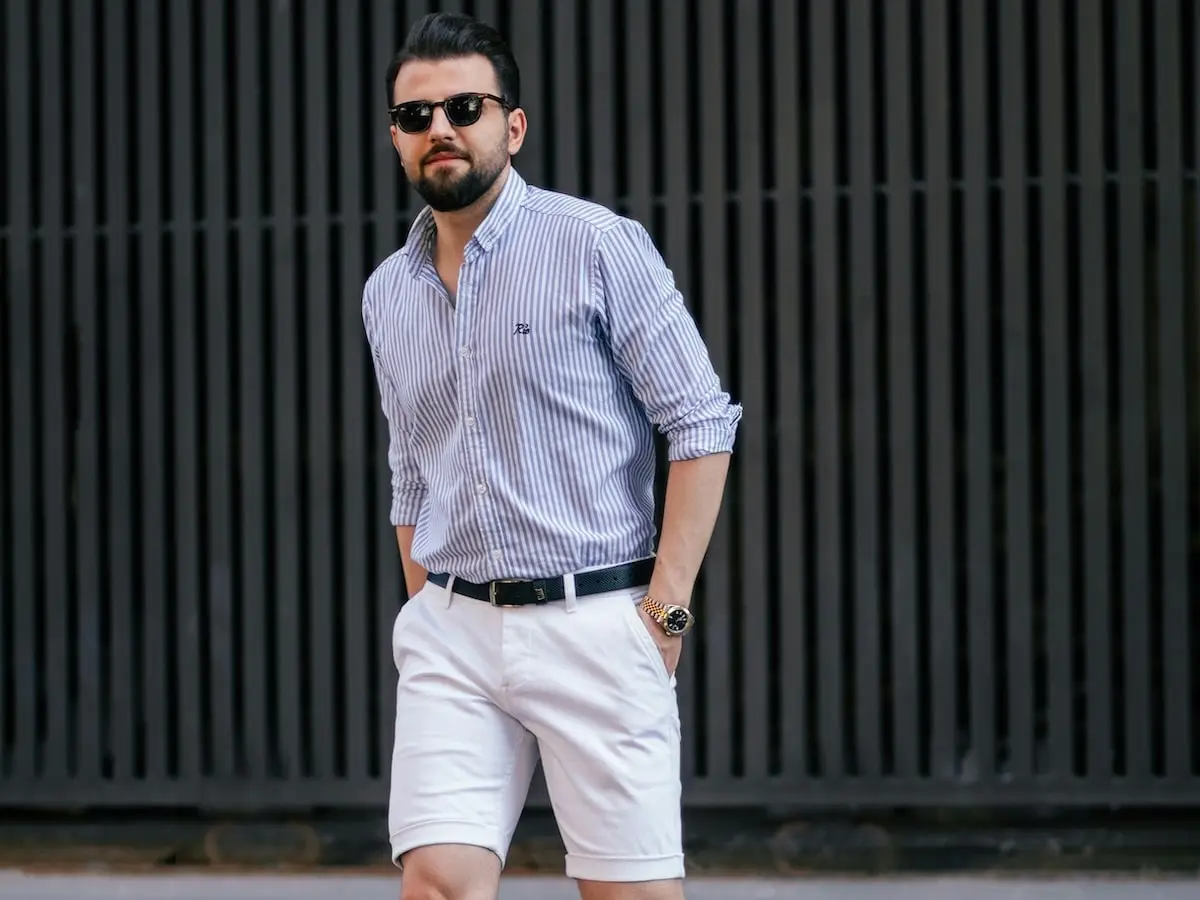
As global temperatures continue to reach record highs and the traditional boundaries of the corporate environment undergo a post-pandemic metamorphosis, the question of whether men should be permitted to wear shorts in the office has transitioned from a fringe debate to a central HR consideration. In 2026 and looking toward 2027, the "Great Casualization" of the workforce has seen sneakers become standard and ties become optional, yet the final frontier of legwear remains a point of contention. For many professionals, particularly those navigating the sweltering summers of Australia, the Mediterranean, or the American South, the requirement to wear full-length trousers in 35-degree Celsius heat is increasingly viewed as an outdated vestige of 20th-century formality.
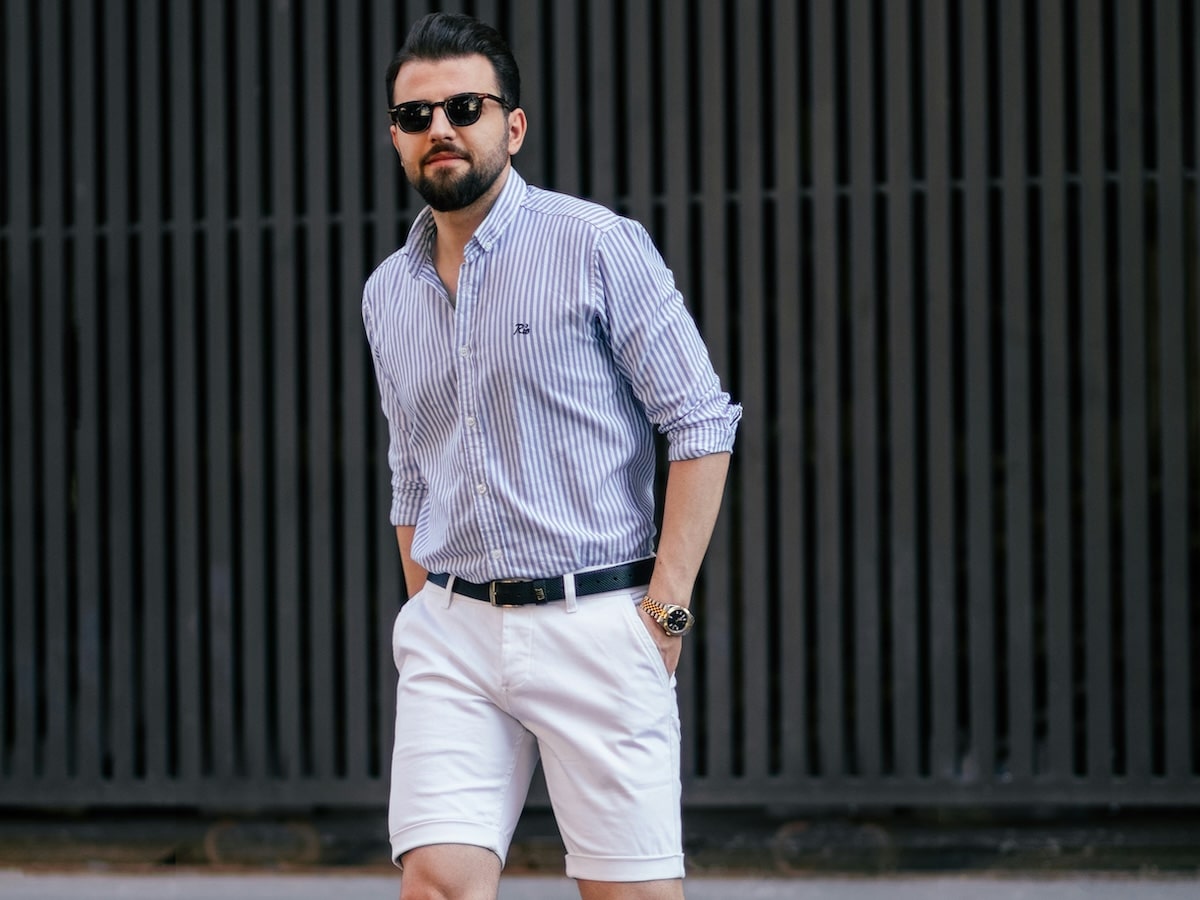
The current landscape of professional attire is a patchwork of industry-specific norms. While creative agencies, technology startups, and retail headquarters have largely embraced the short as a viable summer staple, traditional sectors such as law, high finance, and management consulting remain bastions of the full-length trouser. This tension highlights a broader societal shift regarding professional identity and the physiological realities of the modern workplace.
The Evolution of Workplace Attire: A Chronological Overview
The journey from the rigid three-piece suits of the mid-20th century to the potential acceptance of tailored shorts has been marked by several key cultural milestones:

- 1950s–1960s: The Era of Uniformity: Post-WWII corporate culture demanded a uniform look—dark suits, white shirts, and narrow ties. Deviating from this was considered a sign of unreliability.
- 1966: The Bermuda Precedent: In Bermuda, the "Bermuda short" was officially adopted as business attire for men, paired with long socks and a blazer, proving that shorts could be integrated into a formal hierarchy if regulated.
- 1990s: The Rise of "Casual Friday": Driven by the marketing efforts of brands like Dockers, the concept of a relaxed Friday dress code took hold. This introduced chinos and polos to the office, though shorts remained strictly forbidden.
- 2005: Japan’s "Cool Biz" Campaign: The Japanese government introduced the "Cool Biz" initiative to reduce electricity consumption by setting office air conditioning to 28 degrees Celsius. This encouraged men to ditch jackets and ties, though it stopped short of endorsing shorts.
- 2020–2022: The Remote Work Catalyst: The COVID-19 pandemic fundamentally altered the perception of professional clothing. As meetings moved to video platforms, "waist-up" dressing became the norm, and many men grew accustomed to the comfort of shorts during the workday.
- 2024–2026: The New Professionalism: In the current era, the return to office (RTO) mandates have collided with employee demands for comfort, leading many firms to revise their handbooks to reflect "smart casual" or "dress for your day" policies.
The Case for Change: Climate and Productivity Data
The push for shorts in the office is not merely a matter of fashion; it is increasingly backed by environmental and productivity concerns. According to recent climate data, the number of "extreme heat" days in major metropolitan hubs has increased by nearly 20% over the last decade. A study by the Society for Human Resource Management (SHRM) suggests that physical discomfort in the workplace can lead to a 10-15% decrease in cognitive performance and overall productivity.
Furthermore, the environmental impact of maintaining office temperatures at 20-21 degrees Celsius to accommodate suit-clad employees is significant. Proponents of relaxed dress codes argue that allowing lighter attire, including shorts, could allow buildings to operate at higher ambient temperatures, potentially reducing carbon emissions from HVAC systems by up to 10% annually.

Expert Perspectives: The Nuance of Professional Image
Despite the logical arguments for comfort, the visual impact of shorts in a professional setting remains a hurdle. Christina Robert White, a prominent Melbourne-based image consultant and stylist, emphasizes that while the "pro-shorts" movement is gaining momentum, societal expectations are slow to evolve.
"I’m team men and pro-shorts, but we have to wait for societal change and workplace policies to catch up," White notes. She explains that the primary barrier is the perception of authority. "Would you take your banker, your lawyer, or someone at one of the Big Four seriously if they had shorts on? That’s the unfortunate truth at the moment. It comes down to how you want to come across in your work environment."

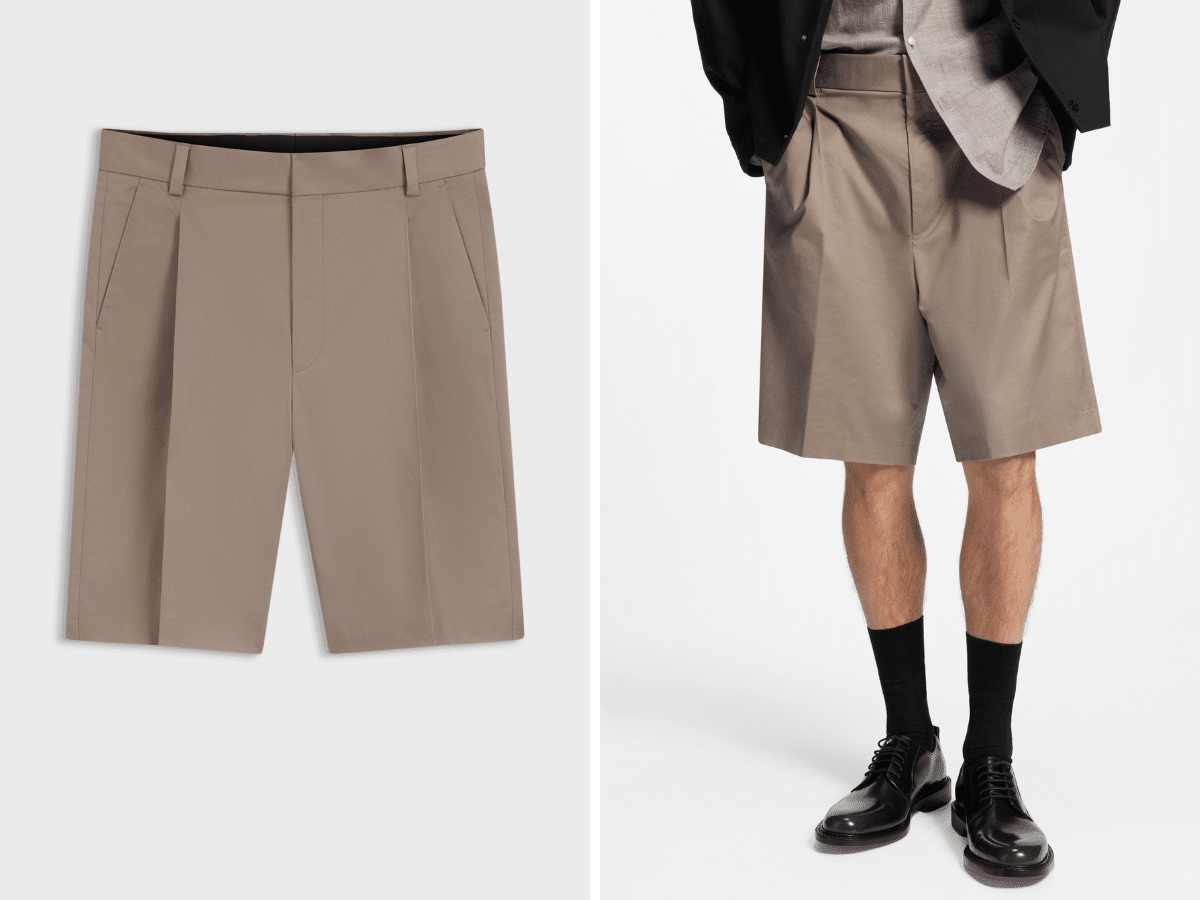
The consensus among image experts is that if shorts are to be worn, they must be "elevated." This means moving away from the casual aesthetics of the weekend and toward a highly structured, tailored silhouette that mimics the formality of a chino or a suit trouser.
The Protocol: How to Wear Shorts Professionally
For those working in industries where shorts are permitted, the difference between looking like a professional and looking like a tourist lies in the details. Experts recommend a four-pillar approach to office-appropriate shorts:
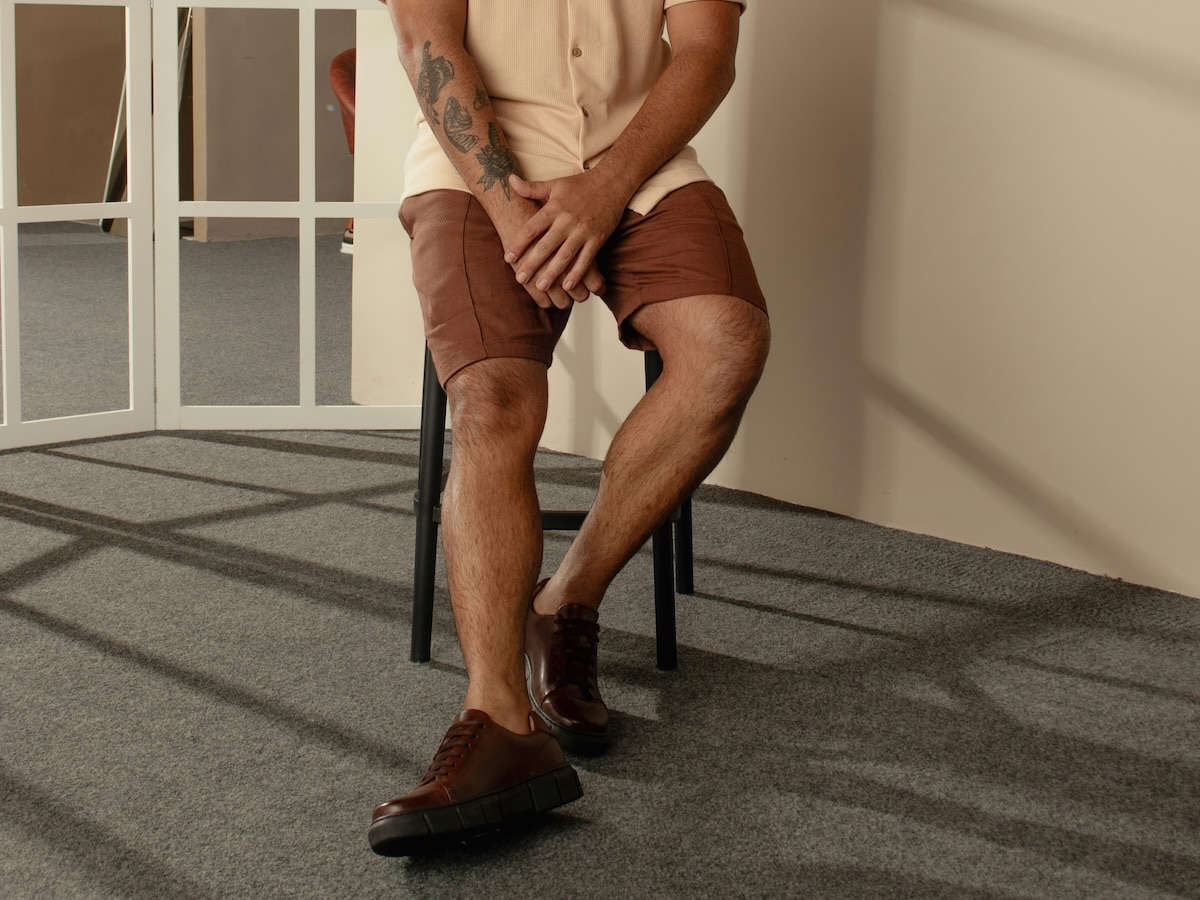
1. Structure and Fabric Selection
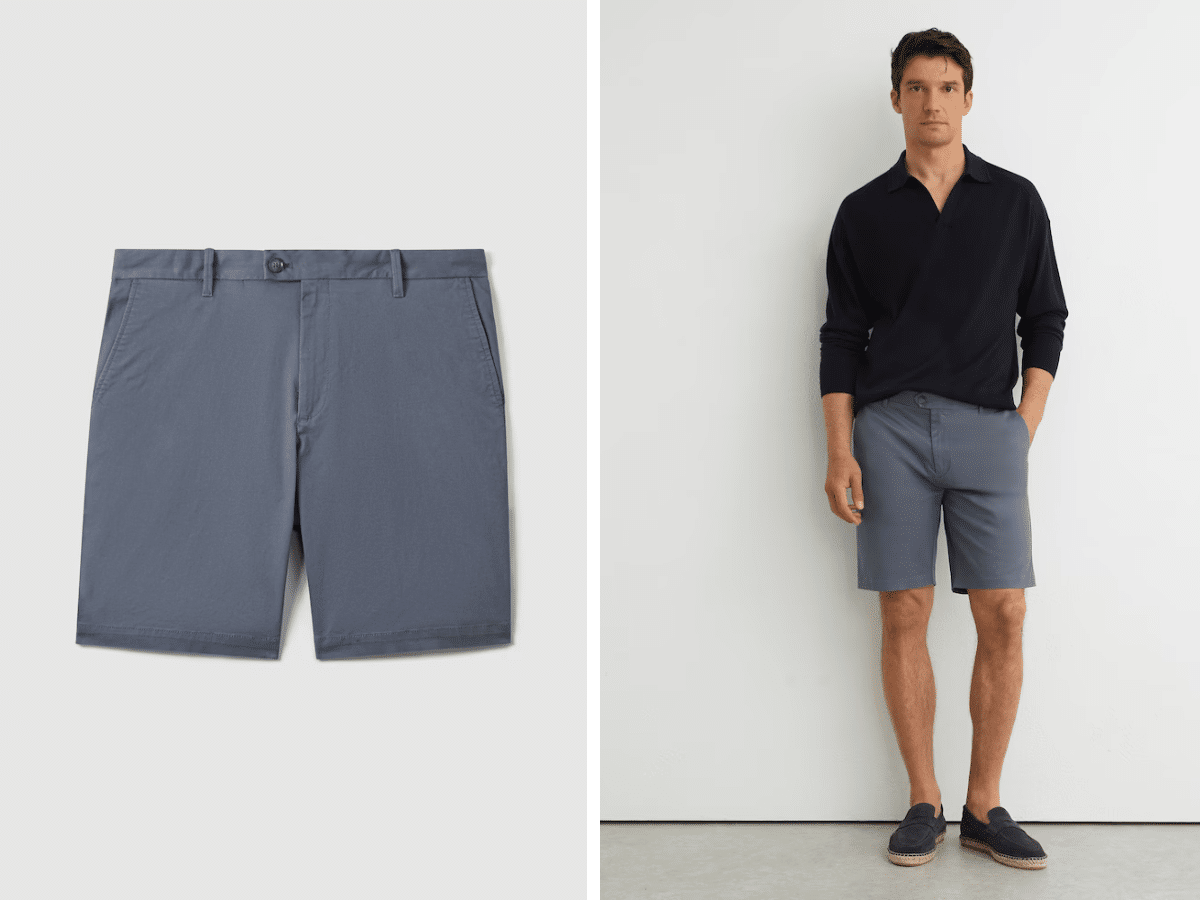
The office is no place for cargo pockets, elastic waistbands, or distressed denim. The gold standard for workplace shorts is the tailored chino style. Ideally, these should be crafted from a high-quality cotton sateen or a structured linen-wool blend. These fabrics provide a slight sheen and hold a crease, which adds a level of formality.
2. The Critical Matter of Length
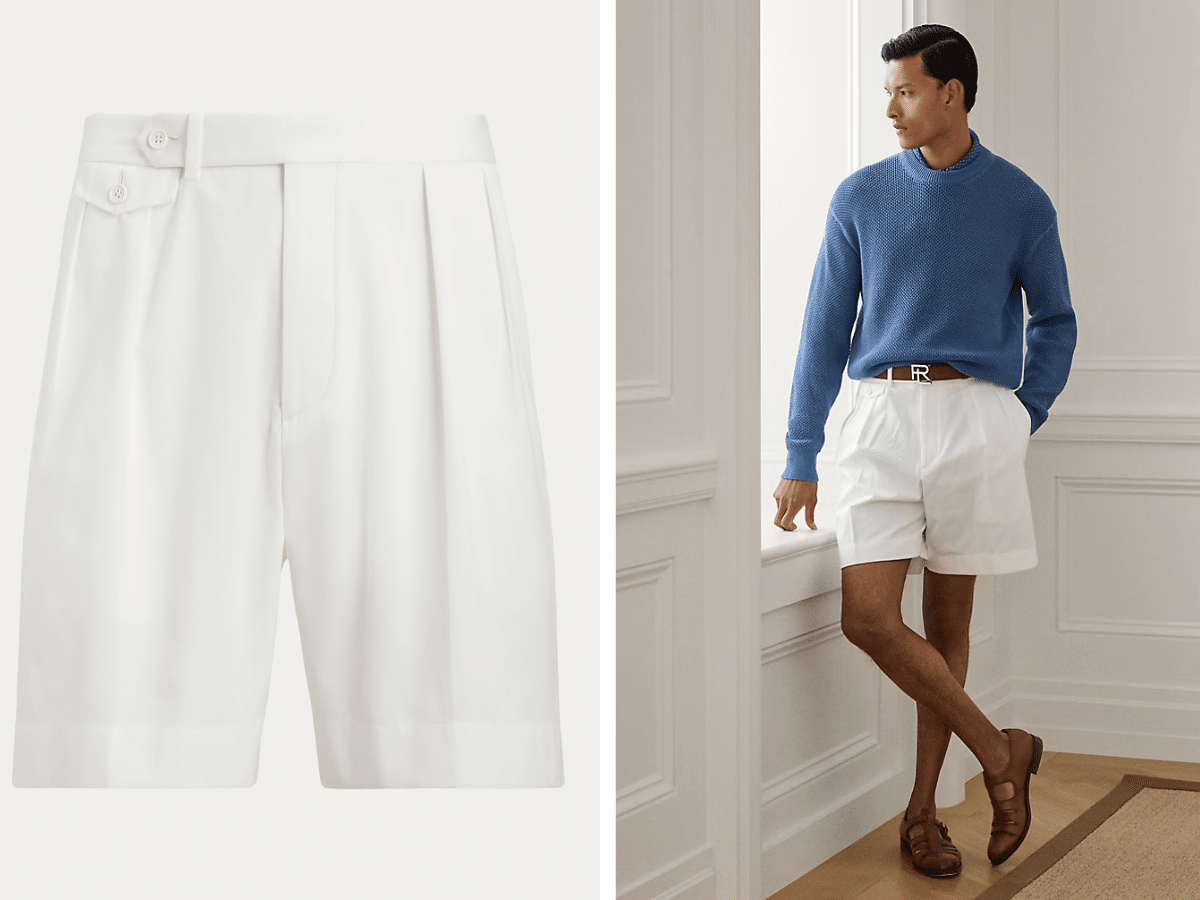
While fashion trends for 2026 have seen a return to shorter, 5-inch inseams for leisurewear, the office requires more coverage. A professional short should typically finish one to two inches above the knee. Anything higher risks looking overly casual or "comical," as White describes it. Conversely, shorts that fall below the knee border on "pedal pushers" or outdated cargo styles, both of which undermine a professional silhouette.
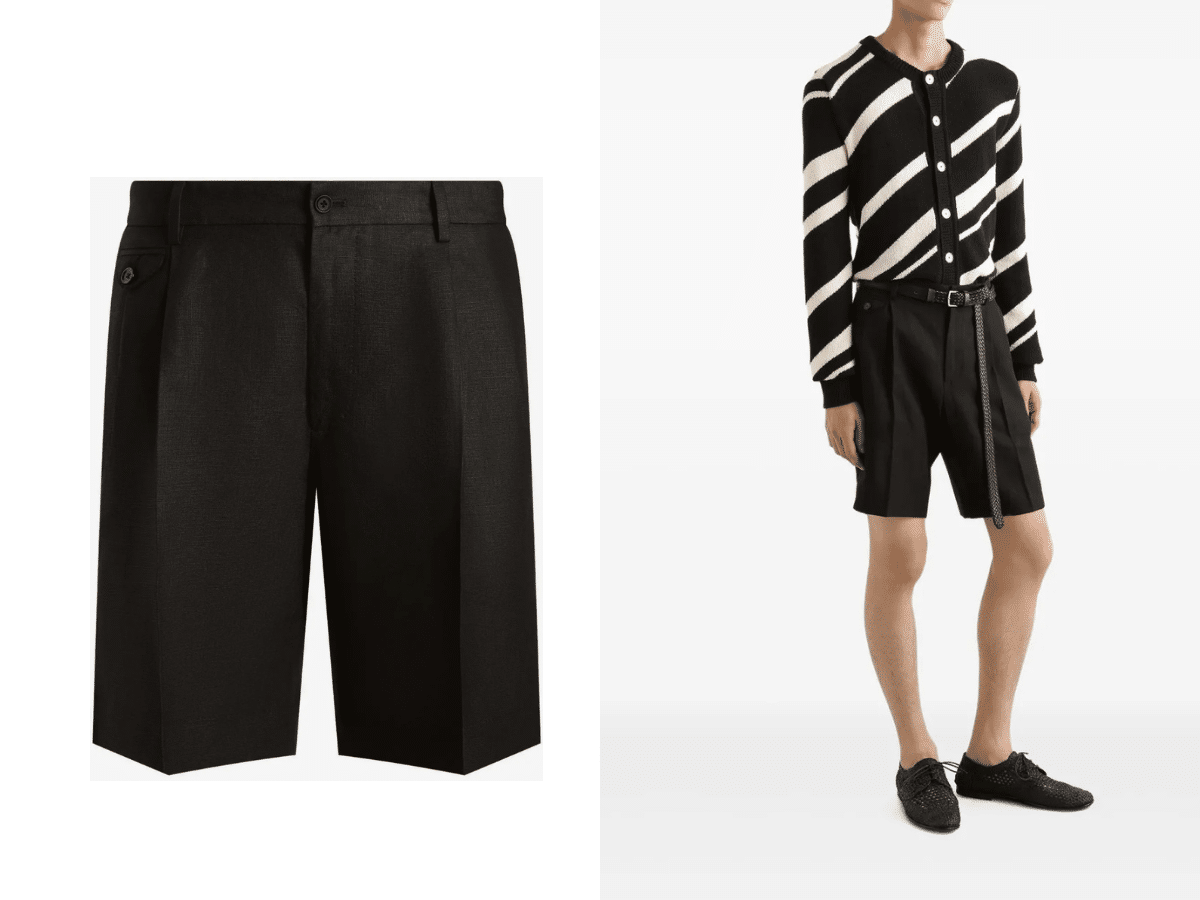
3. Complementary Pieces
The shorts are the most casual element of the outfit, which means every other piece must work harder to maintain a professional tone.
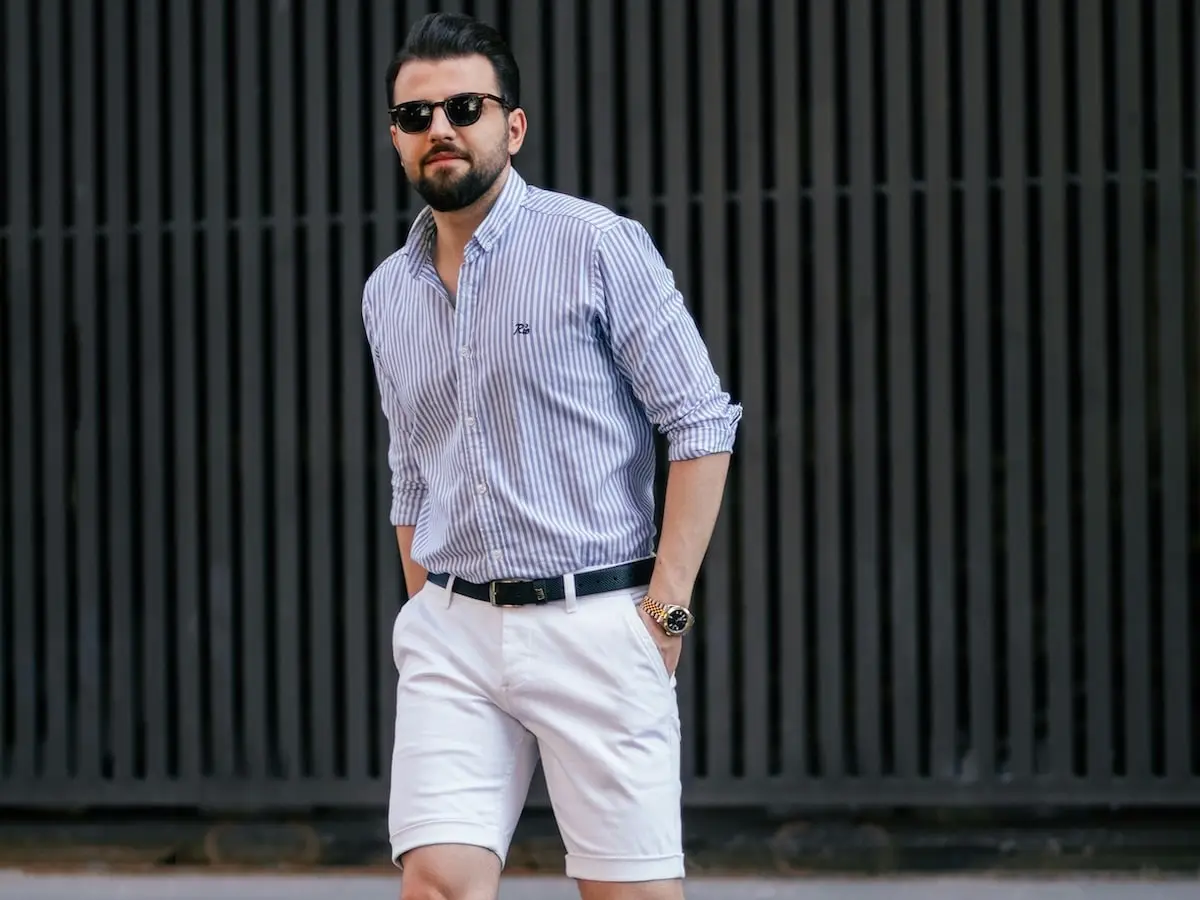
- The Shirt: A crisp, tucked-in Oxford cloth button-down or a high-gauge knitted polo is essential. A "full tuck" is mandatory to maintain a clean waistline.
- The Belt: A leather belt that matches the shoes provides a visual break and signals that the outfit was intentional.
- The Layer: In air-conditioned environments, a lightweight unlined blazer or a structured chore coat can be paired with tailored shorts to create a "short suit" aesthetic that is both modern and professional.
4. Footwear and the "Sock Gap"
The choice of shoe can immediately validate or invalidate the outfit. Loafers in suede or leather, boat shoes, or minimalist white leather sneakers are the preferred options. A major point of contention is the sock. "The invisible sock is very, very important," White advises. "Visible socks will really bring the tone down and have that daggy appearance." While "crew socks" are trending in street fashion, they remain a "don’t" in a conservative professional context.
Industry Standards: A Comparative Table
| Industry Sector | Acceptability of Shorts | Recommended Style |
|---|---|---|
| Creative / Tech | High | Tailored chinos, linen blends, paired with sneakers. |
| Retail / Marketing | Moderate | Structured shorts, loafers, tucked-in polos. |
| Education / Non-Profit | Moderate | Neutral tones, knee-length, smart-casual shirts. |
| Law / Finance | Low | Generally not permitted except on specific "field days." |
| Public Relations | High (Internal) | Fashion-forward tailored shorts, blazers. |
Official Responses and Corporate Policy Trends
In response to shifting norms, several multinational corporations have begun updating their "Employee Handbook" sections on grooming and attire. In 2025, several tech giants in Silicon Valley and Sydney updated their policies to "Gender Neutral Comfort Standards," which explicitly allow shorts of a "professional length and material."
However, the "Big Four" accounting firms—Deloitte, PwC, EY, and KPMG—generally maintain a more cautious stance. While they have moved toward "Dress for Your Day," the internal consensus remains that if a client is involved, trousers are the default. Reaction from HR leaders suggests that the "shorts movement" is being viewed as a recruitment and retention tool. In a competitive labor market, the flexibility to dress for comfort is often cited by Gen Z and Millennial employees as a significant factor in workplace satisfaction.
Broader Implications: Gender Equity and Modernism
The debate over shorts also touches on the topic of gender equity in the workplace. For decades, women have had the option to wear skirts and dresses of varying lengths to remain cool during summer months. Critics of the "no-shorts" rule for men argue that it is a double standard that ignores the physiological needs of male employees.
As we move toward 2027, the professional landscape is likely to see a continued softening of these rules. The rise of the "short suit"—a matching blazer and tailored shorts—has been seen on runways from Paris to Milan, suggesting that high fashion is providing the blueprint for the next phase of corporate evolution.
Conclusion: The Verdict for 2026-2027
While we have not yet reached a point of universal acceptance, the office short is no longer the "fashion faux pas" it once was. The modern professional must navigate this transition with a high degree of situational awareness. The rule of thumb for the upcoming seasons is simple: assess the industry, prioritize structure over comfort, and ensure that the ensemble is clearly distinguishable from weekend leisurewear. As workplace culture continues to prioritize results over rigid formalities, the sight of a well-tailored pair of shorts in the boardroom may soon be as common as the once-controversial "sneakers with a suit."


 Yuyun Lusiyani
 Joko Widodo
 Eva Lovia
 Jia Lissa
 Pevita Pearce
 admin
admin