
 Lina Irawan
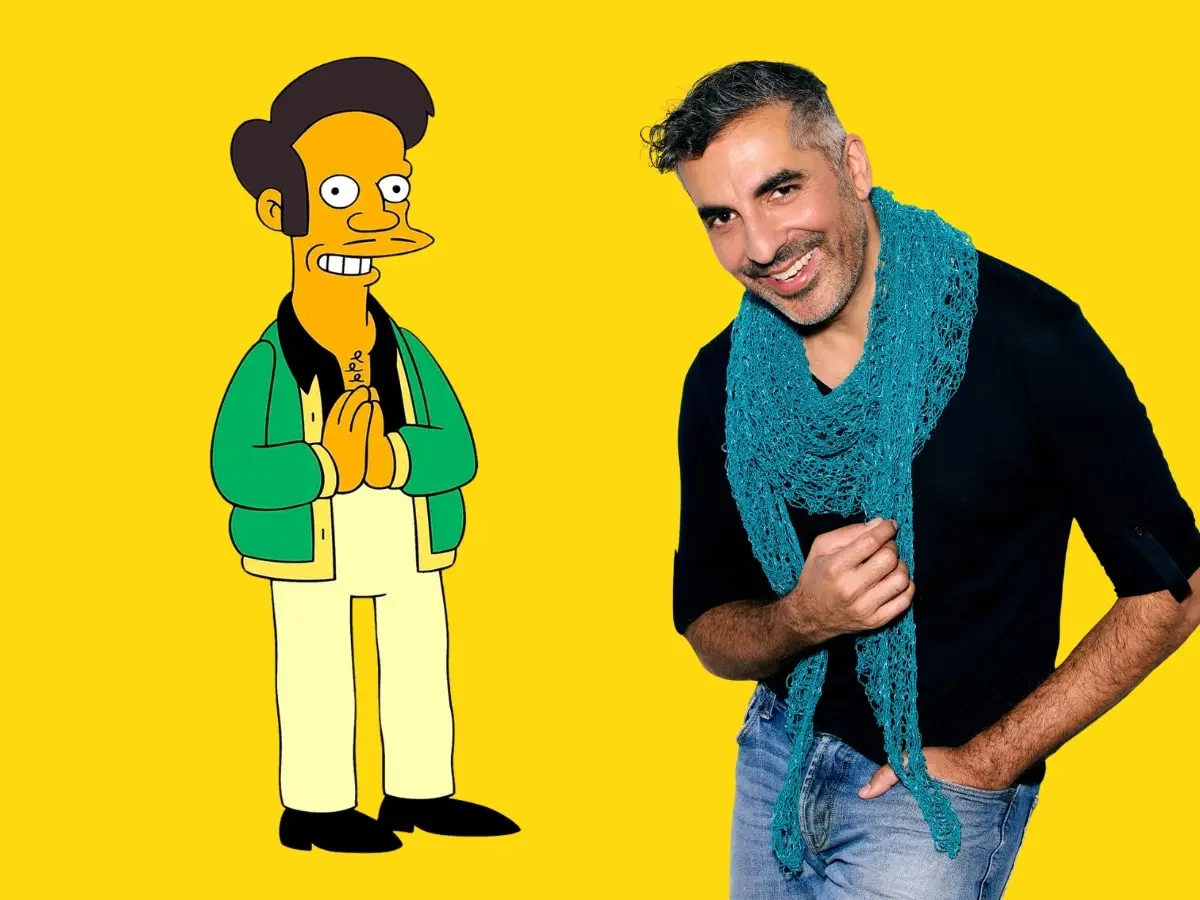
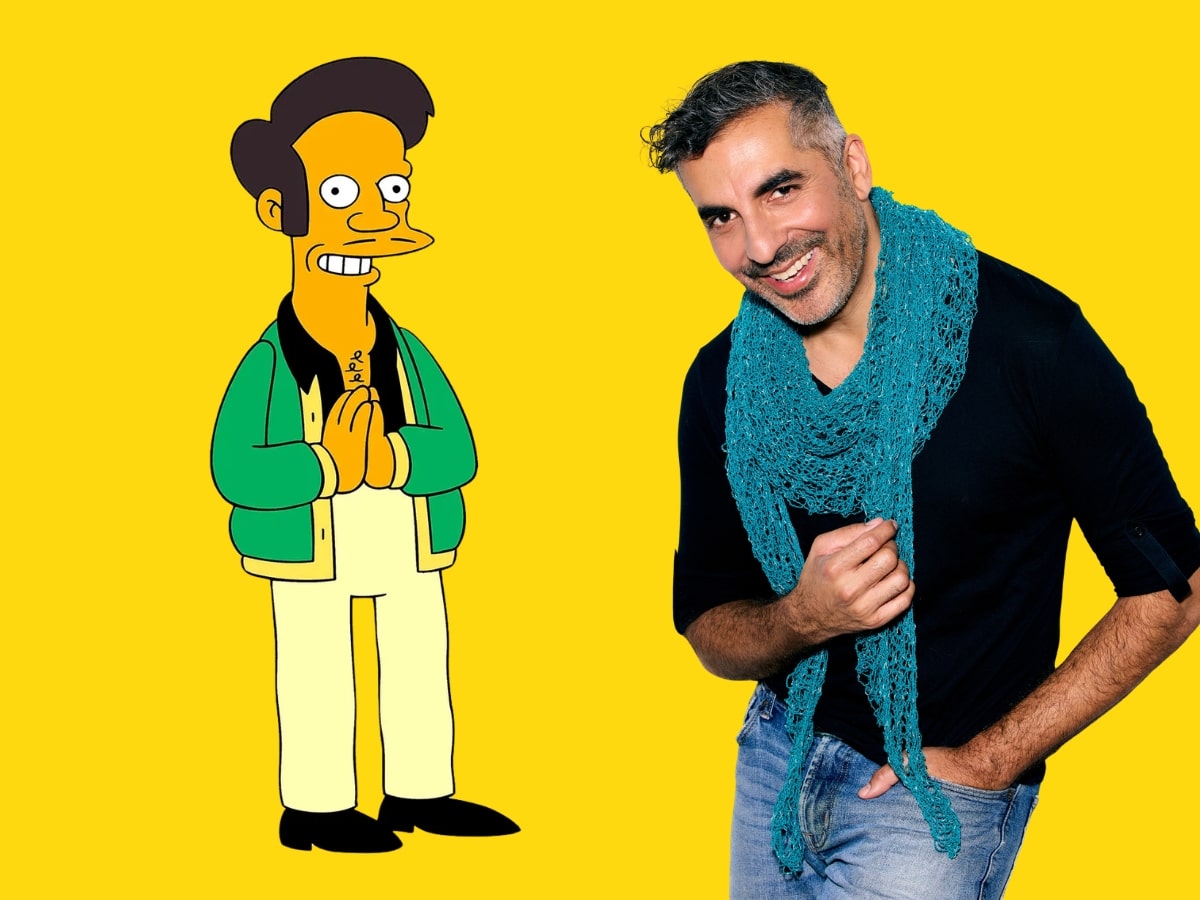
The long-running animated sitcom The Simpsons has officially reintroduced one of its most storied and controversial characters, Apu Nahasapeemapetilon, to a speaking role. After nearly a decade of silence following a global conversation regarding racial stereotypes in animation, the proprietor of Springfield’s Kwik-E-Mart returned to the screen with a new voice in the recent episode "Treehouse of Horror Presents: The Revengening." South Asian actor Sunil Malhotra has stepped into the role previously held by Hank Azaria, marking a significant pivot in the show’s 36-year history and its approach to cultural representation.
The transition comes as part of a broader structural shift within the production of The Simpsons, which has spent the last several years auditing its casting practices. Malhotra’s debut as Apu was joined by the introduction of actress Janina Gavankar as the new voice of Apu’s wife, Manjula. The return of these characters to active dialogue represents the culmination of years of internal deliberation and public scrutiny that began in 2017.
The Evolution of the Apu Controversy
The decision to silence and eventually recast Apu was not an overnight development but the result of a protracted cultural debate. For nearly 30 years, Hank Azaria, a white actor, provided the voice of Apu, utilizing an exaggerated Indian accent that became one of the show’s most recognizable—and eventually, most criticized—elements.
The turning point occurred in 2017 with the release of the documentary The Problem with Apu, written by and starring comedian Hari Kondabolu. The film argued that Apu served as a primary source of South Asian stereotypes in the United States, particularly for those who grew up in the 1990s and early 2000s. Kondabolu and other interviewees highlighted how the character’s portrayal—ranging from his occupation as a convenience store owner to his catchphrases—was frequently used as a tool for racial bullying and systemic caricature.
Initially, the show’s response was met with further criticism. In the 2018 episode "No Good Read Goes Unpunished," the writers addressed the controversy through a meta-commentary between Lisa and Marge Simpson, suggesting that things that were once "inoffensive" were now "politically incorrect." The scene was widely panned by critics as dismissive, leading to a period of reflection for both the producers and Hank Azaria himself.
Chronology of the Casting Transition
To understand the weight of Sunil Malhotra’s casting, it is essential to look at the timeline of the character’s disappearance and the show’s subsequent reform:
- October 2017: Apu speaks for what was then the final time in the episode "The Serfsons." Shortly thereafter, The Problem with Apu premieres.
- April 2018: The Simpsons attempts to address the controversy in "No Good Read Goes Unpunished," sparking a secondary backlash.
- January 2020: Hank Azaria officially announces he will no longer voice Apu. He later expresses in various interviews that he underwent a process of "unlearning" and felt it was necessary to step aside to allow for authentic representation.
- June 2020: In the wake of the Black Lives Matter movement and heightened sensitivity toward racial justice, the producers of The Simpsons release a formal statement: "Moving forward, The Simpsons will no longer have white actors voice non-white characters."
- 2021–2023: Several recurring characters are recast. Alex Désert takes over as Carl Carlson from Hank Azaria; Kevin Michael Richardson replaces Harry Shearer as Dr. Hibbert; and Tony Rodriguez takes over the role of Julio.
- November 2024: Apu returns to a speaking role in "Treehouse of Horror Presents: The Revengening," voiced by Sunil Malhotra.
Sunil Malhotra and the Reclamation of Apu
Taking on a role with such heavy cultural baggage was a complex decision for Sunil Malhotra. An experienced voice actor known for his work in various high-profile animated series and video games, Malhotra acknowledged the initial hesitation he felt when the opportunity arose.
In a recent interview with Variety, Malhotra revealed that his "stomach sank" upon receiving the audition call. The actor was acutely aware of the character’s history and the potential for backlash from both sides of the debate—those who felt the character should have been retired and those who resisted the change in voice. However, after engaging in deep discussions with showrunner Matt Selman and co-executive producer Cesar Mazariegos, Malhotra viewed the opportunity as a chance for "reclamation."
"Could I make the character my own, and reclaim him in some way?" Malhotra reflected. He described the process as a "deeply collaborative experience," aimed at evolving the character into someone that South Asian audiences could recognize without the sting of caricature. The goal was to maintain the "Simpsons-y" essence of the character while grounding the performance in a more authentic South Asian identity.
Strategic Recasting and Production Shifts
The recasting of Apu is part of a systemic change at Fox and Disney (which now owns the franchise). The show has moved away from the "repertory company" model of the 1990s, where a small group of versatile white actors voiced nearly the entire town of Springfield. This shift reflects a broader industry trend toward "authentic casting," particularly in animation, where the visual appearance of a character is now expected to align with the ethnic background of the voice performer.
Supporting data suggests this shift is not just social but also practical. According to industry reports on diversity in media, audiences—particularly younger demographics—are significantly more likely to engage with content that demonstrates cultural competency. By reviving Apu through a South Asian lens, The Simpsons attempts to retain a beloved legacy character while mitigating the reputational risks associated with the previous portrayal.
Matt Selman, the current showrunner, has been vocal about the show’s desire to keep Apu as a fixture of Springfield. "We love this character, and wanted to bring him back in a smart way that allowed him to evolve," Selman stated. This evolution implies that Apu will no longer be the butt of jokes centered on his ethnicity, but rather a character whose humor is derived from his personality, his role as a father, and his experiences as a business owner in the surreal landscape of Springfield.
Official Responses and Cultural Implications
The reaction to Malhotra’s debut has been a mixture of curiosity and cautious optimism. Within the South Asian creative community, the move is seen as a necessary, if belated, correction. While some critics argued that the character was too tainted by his past to be salvaged, others believe that erasing Apu would have been a secondary disservice, as he was, for many years, one of the few South Asian faces on mainstream television.
The introduction of Janina Gavankar as Manjula further signals the show’s commitment to this new direction. Gavankar, an established actress with a strong background in both live-action and voice work, brings a new dimension to a character who was often sidelined. The question remains as to how the show will handle the couple’s eight children—the octuplets—who have also been absent from major storylines during the hiatus.
From a journalistic perspective, the return of Apu serves as a case study in how long-running intellectual properties navigate changing social mores. Unlike other shows that might "cancel" a character or ignore past mistakes, The Simpsons has chosen a path of active revision. This involves a delicate balance: preserving the nostalgia that keeps the show profitable while updating the content to meet modern standards of inclusivity.
Analysis of the Character’s Future
As The Simpsons continues its record-breaking run, the re-integration of the Nahasapeemapetilon family will be closely watched. The success of this transition will depend on the writing. Recasting the voice is the first step, but the narrative treatment of Apu must also shift to avoid the tropes of the past.
The broader implications for the animation industry are clear: the era of "vocal blackface" or "brownface" has effectively ended for major network productions. The precedent set by The Simpsons—a show once considered the vanguard of irreverent, "anything goes" comedy—sending a clear signal that cultural sensitivity and comedic excellence are not mutually exclusive.
By bringing Apu back, the producers are betting that the character is larger than the controversy that surrounded him. With Sunil Malhotra at the helm, Apu Nahasapeemapetilon is no longer a silent background figure or a point of contention, but a reclaimed resident of Springfield, ready to serve the community at the Kwik-E-Mart once again. The "Thank you, come again" catchphrase may remain, but the voice behind it now carries a different weight, marking a new chapter in the history of American television.




 Yuyun Lusiyani
 Joko Widodo
 Eva Lovia

 Pevita Pearce

 admin
