
 Eva Lovia
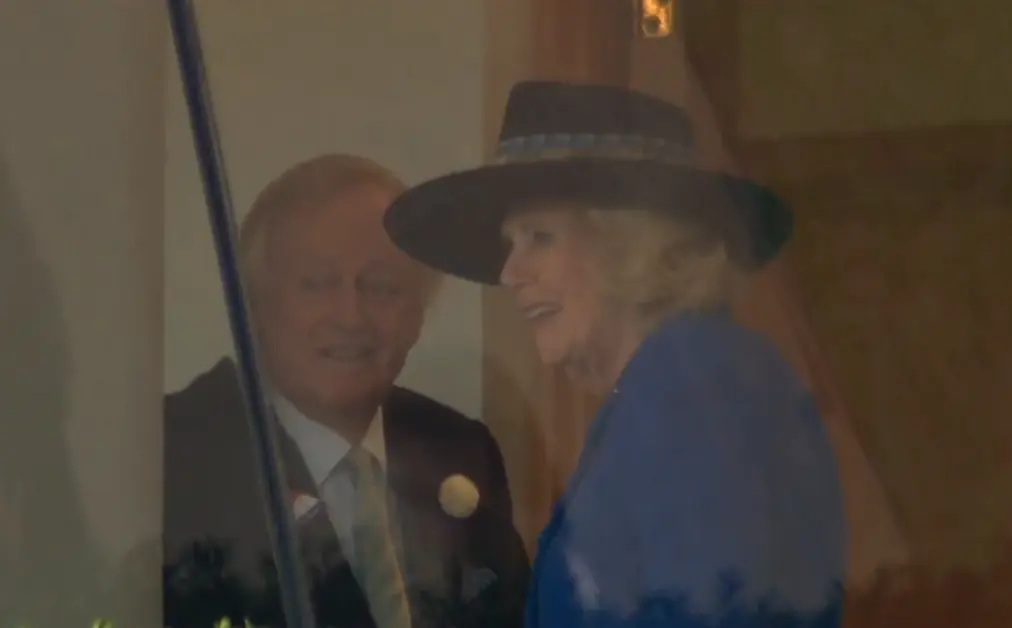
The historic grounds of Ascot Racecourse buzzed with anticipation on Saturday as British Champions Day, the prestigious culmination of the British Flat racing season, unfolded. Amidst the thundering hooves and the cheers of the discerning crowd, members of the Royal Family were present, gracing the event with their continued patronage of equestrian sport. A particularly heartwarming moment captured the attention of observers as Zara Tindall, daughter of the Princess Royal, shared a warm and visibly affectionate reunion with Queen Camilla. The photograph, taken at the Berkshire venue, depicted the pair exchanging smiles and greetings, a testament to their shared passion for horses and the sport.
Royal Presence and Shared Equestrian Heritage
Queen Camilla, a known enthusiast and long-time supporter of British racing, and Zara Tindall, an accomplished Olympic equestrian herself, were among the distinguished guests in the Royal Box. Their presence underscored the deep-rooted connection between the Royal Family and the world of horse racing, a tradition that spans generations. The image of their reunion highlights not only their familial bond but also their shared dedication to the equestrian world.
Also seen within the exclusive confines of the Royal Box was Andrew Parker Bowles, Queen Camilla’s former husband. His attendance, alongside the Queen and Zara Tindall, further cemented the social significance of the event, drawing together individuals with a long-standing association with the Royal Family and the racing fraternity.
British Champions Day: A Grand Finale
British Champions Day is not merely another race meeting; it is the grand finale of the British Flat racing calendar, attracting the finest equine athletes and the most talented jockeys from across the globe. Held annually in October, it features a spectacular lineup of Group One races, offering substantial prize money and the ultimate accolades for owners, trainers, and breeders. The event typically draws a significant crowd, both in person and through international broadcast viewership, cementing its status as a premier sporting occasion.
The history of British Champions Day dates back to 2011 when it was established to consolidate the season’s major championship races into a single, high-profile fixture. This strategic move aimed to enhance the sport’s appeal, provide a clear focus for major contests, and offer a grand spectacle to conclude the flat racing season. The races featured on the card are carefully selected to represent the pinnacle of achievement across different distances and age groups, making it a true test of equine excellence.
The Highlight: Qatar Racing Champion Stakes
The jewel in the crown of the day’s racing was undoubtedly the Group One Qatar Racing Champion Stakes, a prestigious contest for horses aged three years and older over a mile and a half. This year’s renewal promised a thrilling spectacle, and it delivered with a superb performance from Ombudsman. Under a masterful ride from jockey William Buick, Ombudsman reversed the form from the previous year, overcoming his rival Calandagan to secure a memorable victory for trainers John and Thady Gosden.
The race itself was a tactical affair, with the six-runner field remaining tightly bunched for much of the journey. As the horses entered the home straight, the intensity heightened. Ombudsman, demonstrating an impressive turn of foot, surged forward, first sweeping past Bay City Roller and then digging deep to hold off the persistent challenge of Calandagan in a thrilling finish. This victory was particularly significant for Ombudsman, offering a welcome redemption after a somewhat disappointing performance in the Juddmonte International at York earlier in the season.
Trainer’s Praise and Future Prospects
Trainer John Gosden, a renowned figure in the racing world, lauded William Buick’s confident and expertly judged ride. He described Ombudsman’s performance as "special," highlighting the horse’s resilience and class. The victory in the Champion Stakes not only added another prestigious Group One to Ombudsman’s record but also significantly enhanced his racing pedigree.
The success in the Champion Stakes opens up exciting possibilities for Ombudsman’s future. While no definitive plans have been announced, the Breeders’ Cup Turf, held annually in the United States, is a likely target. This prestigious international race would provide another significant test for the talented colt and an opportunity to compete on a global stage. The decision will undoubtedly be made after careful consideration of the horse’s well-being and his readiness for such a demanding undertaking.
Supporting Data and Racing Context
The Qatar Racing Champion Stakes boasts a significant prize fund, typically in the region of £1.3 million, making it one of the most lucrative races in British racing. This substantial reward attracts top-tier horses and trainers, ensuring a highly competitive field. The race has a rich history, with past winners including some of the most celebrated names in Flat racing.
The British Flat racing season typically commences in early spring and concludes with British Champions Day in mid-October. This period encompasses a multitude of prestigious races, from the Classics like the 1,000 Guineas and the Derby to major handicaps and Group races held at iconic venues such as Newmarket, Epsom, Goodwood, and of course, Ascot. The season is a testament to the dedication of breeders, owners, trainers, jockeys, and the many individuals who work tirelessly behind the scenes to ensure the welfare of the horses and the smooth running of events.
Broader Impact and Implications
The presence of members of the Royal Family at events like British Champions Day serves to underscore the importance of equestrian sport in British culture. Their patronage provides significant visibility and support, contributing to the continued popularity and economic viability of racing. Zara Tindall’s own achievements as an Olympic medalist not only highlight her personal dedication but also inspire a new generation of riders and enthusiasts.
The success of horses like Ombudsman and the skilled performances of jockeys such as William Buick contribute to the narrative of British racing excellence. These victories resonate within the sport, influencing breeding decisions, training strategies, and future race planning. The analysis of such performances often involves examining factors such as pedigree, race tactics, track conditions, and the overall fitness and temperament of the equine athlete.
Furthermore, events like British Champions Day contribute significantly to the local economy, attracting tourists and generating revenue through hospitality, betting, and related industries. The meticulous organization and execution of such high-profile events are a testament to the professionalism and dedication of the racing industry as a whole. The ongoing commitment to horse welfare and the development of sustainable practices within the sport are also crucial aspects that continue to shape its future. The integration of advanced veterinary care, ethical training methods, and responsible retirement plans for horses are all areas of increasing focus and development. The sport’s ability to adapt and innovate in these areas will be critical to its long-term success and public perception. The continued evolution of technology, from advanced training aids to sophisticated data analysis, also plays a role in optimizing performance and ensuring the well-being of the horses.
The enduring appeal of horse racing, as evidenced by the continued Royal engagement and the enthusiastic crowds at Ascot, suggests that this historic sport remains a vibrant and cherished part of the British sporting landscape. The blend of athletic prowess, strategic competition, and the inherent grace of the equine athlete continues to captivate audiences, ensuring that events like British Champions Day will remain significant fixtures for years to come. The interplay between tradition and innovation within the sport allows it to maintain its relevance in a rapidly changing world, appealing to both seasoned enthusiasts and newcomers alike. The dedication of all involved, from the stable hands to the race organizers, is fundamental to the continued success and appeal of this multifaceted and dynamic industry.


 Yuyun Lusiyani
 Joko Widodo

 Pevita Pearce

 admin
 Lina Irawan
