
 Yuyun Lusiyani
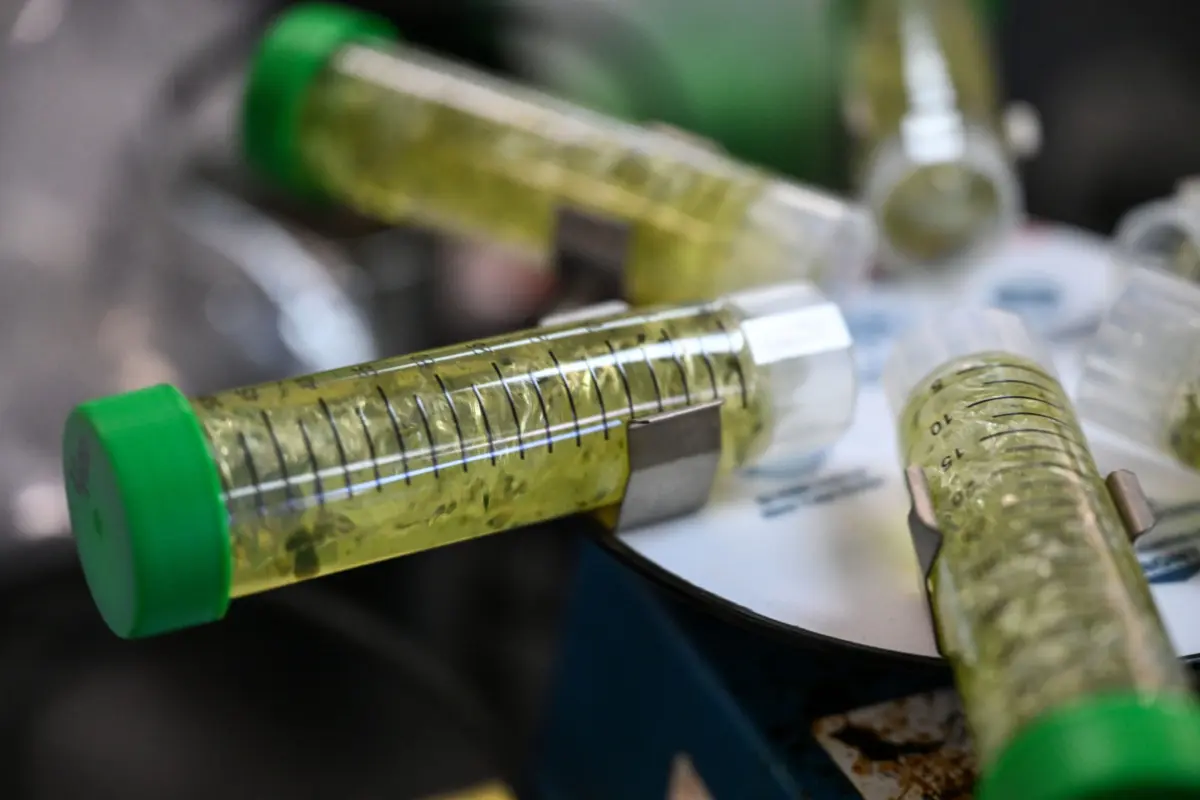
A new state audit has cast a significant shadow over Colorado’s pioneering legal recreational marijuana market, revealing that the agency tasked with regulating it, the Marijuana Enforcement Division (MED), potentially exposed consumers to contaminated products. The comprehensive report, released Monday, highlights systemic inconsistencies in oversight and critically loose state regulations governing the testing of marijuana products for contaminants, leading to a substantial portion of the market evading crucial safety checks.
Audit Uncovers Pervasive Testing Gaps and Regulatory Failures
The findings are stark: nearly 75% of marijuana processed for eventual sale between 2023 and 2025 bypassed testing for pesticides. This alarming statistic underscores a fundamental breakdown in the regulatory framework designed to safeguard public health in the nation’s first state to legalize adult-use cannabis. The audit, publicly available via DocumentCloud, meticulously detailed a series of failures, including the MED’s inability to adhere to regular inspection schedules and its insufficient random checks at dispensaries for potentially hazardous products. Compounding these issues, the report found that the agency’s delayed warnings to the public allowed contaminated products to remain on shelves for extended periods, sometimes spanning months or even years, before consumers were adequately informed.
These critical conclusions resonate strongly with a series of investigations published earlier this year by The Denver Gazette and ProPublica. Those reports had already highlighted significant lapses within the MED regarding its policing of contaminants entering the legal marketplace, particularly concerning intoxicating hemp derivatives and product safety. One egregious case brought to light by the news organizations involved a marijuana sleep aid pill. Despite consumer complaints to regulators regarding severe liver damage, it took a staggering 15 months for the manufacturer to cease production. Subsequent analysis revealed the pills contained herbal extracts known to cause hepatic injury. While auditors clarified that they did not uncover evidence of "widespread health and safety issues," they unequivocally stated that the existing deficient regulations rendered consumers vulnerable to potential harm.
Protracted Delays in Public Advisories and Product Recalls
The audit’s timeline for regulatory action paints a concerning picture of inefficiency. Unsafe products were found to have remained on the market for as long as three years before the Marijuana Enforcement Division issued a public warning. A detailed review of the agency’s health and safety advisories from 2023 through 2025 revealed that, on average, contaminated products subject to an advisory lingered on dispensary shelves for over seven months – a timeframe mirroring the findings of the earlier journalistic investigations.
Furthermore, the audit pinpointed significant delays in the advisory process itself. In 2025, it took the MED an average of three and a half months to issue an advisory once an investigation into potential contamination was initiated. Even after investigators determined that an advisory was warranted, the agency still required an average of one month to officially issue it. "These issues limit MED’s ability to meet its core objective to identify product safety risks and to help ensure that licensed marijuana businesses meet product safety requirements," the audit stated, adding, "As a result, there is an increased risk that marijuana products sold in Colorado may have contaminants or that the potency listed on the labels is inaccurate." This directly impacts consumer trust and the integrity of the regulated market.
The Peril of Self-Sampling: An "Honor Code" System
A central and recurring criticism highlighted by the audit, and previously by journalistic reports, is the absence of independent collection of samples for safety testing. Colorado’s current system allows marijuana businesses to collect their own samples for submission to testing labs. This stands in stark contrast to more than half of states with regulated marijuana markets, where independent labs or third parties are mandated to collect samples, thereby reducing the potential for bias or manipulation.
MED’s own investigators, surveyed by the auditors, candidly admitted that Colorado’s system relies largely on an "honor code" to ensure the safety of marijuana sold in the state’s dispensaries. Auditors explicitly warned that allowing businesses to select their own samples "increases the risk that businesses do not pick samples that are representative of the overall quality of their marijuana product." This systemic flaw raises questions about the validity of test results and the true safety profile of products reaching consumers.
Earlier this year, MED regulators reportedly considered an overhaul that would have required private lab personnel to collect samples. However, this initiative was abandoned after manufacturers voiced concerns about increased costs. On Monday, Kyle Lambert, the enforcement division’s deputy senior director, explained to legislators that the agency opted against the overhaul this year primarily due to the geographic challenges of eliminating self-sampling for rural businesses. "It was decided now wasn’t the right time to propose that as a policy change," Lambert stated, though he added that the agency might still revisit the issue.
State Sen. Byron Pelton, a Republican representing Sterling, strongly challenged this reasoning, arguing that it represents a significant loophole that the agency should prioritize closing. "If I’m a shady character, I know which products I’m going to go sampling and which ones I’m not," Pelton asserted, labeling the practice as a "pretty gray area." This legislative pushback indicates growing pressure for reform within the state government.
Ineffective Voluntary Recalls and Recent Precedents
Beyond testing and advisories, the audit also questioned the effectiveness of the agency’s reliance on businesses voluntarily recalling contaminated marijuana products. The report found that "some of these recalls did not succeed at stopping the businesses from selling potentially unsafe product." This critical finding suggests that even when issues are identified and acknowledged by manufacturers, the current recall mechanisms are insufficient to fully protect the public.
A recent incident, reported last month by The Denver Gazette and ProPublica, serves as a vivid illustration. A Colorado manufacturer voluntarily flagged 49 of its popular marijuana vapes for recall, but only nearly six weeks after a third-party lab had notified both the company and regulators of the presence of methylene chloride. This chemical, which the Environmental Protection Agency seeks to ban for most uses due to its carcinogenic potential, had been present in products consumers had been purchasing for over a year. The MED issued a health and safety advisory only a day after the publications initially reported that the manufacturer had warned dispensaries to cease selling the vapes, highlighting the reactive, rather than proactive, nature of regulatory intervention.
MED’s Official Response and Path Forward
In a statement released Monday night, the Marijuana Enforcement Division acknowledged the audit’s findings, emphasizing that state auditors found no evidence "to support claims of widespread health and safety issues" with marijuana products for sale in Colorado. However, the agency agreed that the audit identified clear areas for improvement. MED senior director Dominique Mendiola stated that the review "allows us to take a critical look at how we can continue to carry out our work, consistent with our commitment to integrity, safety, and continuous operational improvement." The agency committed to assessing current exemptions to testing allowed under state laws and regulations, among other proposed changes. This commitment signals a potential shift towards more rigorous oversight, though the extent and speed of implementation remain to be seen.
Broader Context: Colorado’s Pioneering Role and Evolving Challenges
Colorado’s journey into legal recreational marijuana began on January 1, 2014, when it became the first state in the nation to allow retail sales. This groundbreaking step positioned Colorado as a model for other states considering similar legalization efforts. However, with pioneering comes the responsibility of establishing robust regulatory frameworks, a challenge that has continuously evolved. The MED was established to ensure public safety and market integrity, a task that has become increasingly complex with the advent of new products and market dynamics.
The regulatory landscape has been further complicated by the 2018 federal Farm Bill, which legalized hemp. While intended to support farmers and provide access to non-intoxicating CBD products, the bill inadvertently opened the door for manufacturers to chemically convert CBD into psychoactive compounds like Delta-8 THC, which are often sold as cheaper, unregulated alternatives to traditional marijuana. Colorado was one of the first states to ban chemically converted hemp products in 2021 through regulatory advisories and subsequent legislation, recognizing the "serious risks to public safety" posed by these unregulated substances. Despite these efforts, the issue persists, with a top MED official acknowledging in May 2026 that the amount of chemically converted hemp being sold as marijuana is "greater than the agency has publicly disclosed." State regulators announced plans in April 2026 to crack down on companies illegally selling these products, citing potential tax avoidance and public safety concerns.
Implications for Consumer Trust and Market Integrity
The audit’s findings carry significant implications for consumers and the integrity of Colorado’s regulated cannabis market. At stake is public trust, which is foundational to the success of any legal industry, particularly one that has historically operated in the shadows. When consumers cannot be confident in the safety and labeling accuracy of products, it not only jeopardizes their health but also undermines the very purpose of legalization – to create a safe, controlled alternative to the illicit market.
The identified deficiencies could lead to a erosion of consumer confidence, potentially driving some individuals back to unregulated sources where product safety is entirely unchecked. For the legal industry, these revelations could prompt calls for more stringent regulations, increased testing requirements, and a shift away from self-sampling, which could impact operational costs and market dynamics. The audit serves as a critical wake-up call, not just for Colorado, but for all states engaged in or considering cannabis legalization, underscoring the paramount importance of robust, transparent, and independently enforced safety protocols. The coming months will reveal whether the MED and Colorado legislators will implement the fundamental changes needed to restore confidence and ensure the long-term viability and safety of the state’s groundbreaking cannabis market.
Timeline of Key Regulatory and Market Events:
- January 1, 2014: Colorado becomes the first state to allow retail sales of marijuana for recreational use, initiating a new era in cannabis regulation.
- December 20, 2018: President Donald Trump signs the Farm Bill, legalizing hemp federally. This landmark legislation aims to assist farmers and provide access to CBD products, but also inadvertently creates new regulatory challenges for states.
- May 14, 2021: Recognizing emerging public health concerns, Colorado becomes one of the first states to ban chemically converted hemp products, such as Delta-8 THC, initially through regulatory advisories and later through legislation.
- February 6, 2026: Colorado regulators discuss a proposal to overhaul the current testing system, considering a move away from allowing marijuana manufacturers to choose their own samples, towards independent labs or contractors collecting samples.
- April 13, 2026: State regulators announce a plan to intensify efforts to crack down on companies illegally selling cheaper and potentially hazardous hemp products disguised as marijuana, citing risks to public safety and tax avoidance.
- May 15, 2026: A top Marijuana Enforcement Division official acknowledges in a meeting with industry representatives that the volume of chemically converted hemp being sold as marijuana is significantly higher than previously disclosed by the agency, highlighting the ongoing challenge of market integrity.
- June 10, 2024: A new state audit is released, detailing extensive oversight deficiencies within the Marijuana Enforcement Division and raising significant concerns about consumer safety in Colorado’s legal cannabis market.




 Nila Kartika Wati

 Eva Lovia

 Lina Irawan

 Ana Megawati

 Joko Widodo
