
 Lina Irawan

The landscape of the interactive entertainment industry underwent a seismic shift this week as BioWare, the venerable developer behind some of the most influential role-playing games (RPGs) in history, announced its permanent closure. After more than 30 years of operation, the Edmonton-based studio confirmed via an official statement that it would cease all development activities, effectively ending a tenure that began in 1995. The news has sent shockwaves through the global gaming community, particularly as the closure results in the immediate cessation of development for the highly anticipated Mass Effect 5. While parent company Electronic Arts (EA) has yet to issue a formal directive regarding the future of the studio’s intellectual properties, the announcement marks the conclusion of a chapter that defined the modern narrative-driven RPG.
The Announcement and Immediate Aftermath
In a detailed blog post titled "A Final Update from BioWare," the studio leadership reflected on a legacy spanning three decades. The communique emphasized the emotional connection between the developers and their audience, stating that the "shared adventures" of the past 30 years had become a cornerstone of gaming culture. The studio’s message highlighted the importance of player agency and character-driven storytelling, noting that the debates, choices, and emotional investments of the fans were what truly brought their virtual worlds to life.
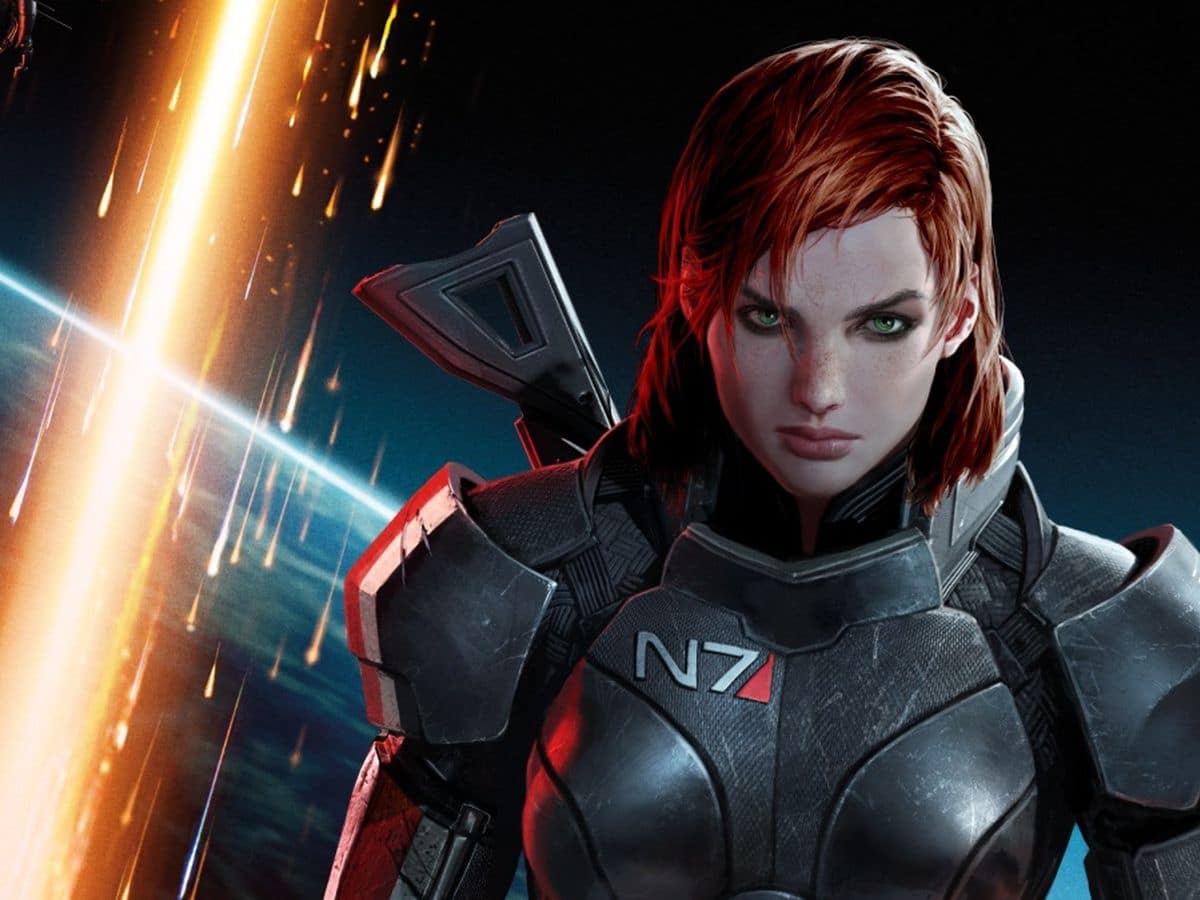
The most immediate and tangible consequence of this dissolution is the halting of Mass Effect 5. The project, which had been in various stages of pre-production and early development for several years, was intended to return the franchise to its roots following the divisive reception of 2017’s Mass Effect: Andromeda. As of this writing, EA has not confirmed whether the project will be transferred to another internal studio, such as Motive or Respawn Entertainment, or if the franchise will be placed on an indefinite hiatus. However, industry analysts suggest that the high production costs and lengthy development cycles characteristic of BioWare titles may have contributed to the parent company’s decision to consolidate resources.
A Chronology of Innovation: From Medical Doctors to Digital Worlds
BioWare was founded in 1995 by Ray Muzyka and Greg Zeschuk, two medical doctors who parlayed their passion for programming into a startup. The studio’s early success was built on the Infinity Engine, a proprietary technology that allowed for complex, isometric tactical combat and deep narrative branching. Their 1998 release, Baldur’s Gate, is widely credited with revitalizing the Western RPG genre on PC, proving that there was still a massive market for deep, Dungeons & Dragons-based experiences.
In 2007, the studio underwent its most significant corporate transition when it was acquired by Electronic Arts as part of a $860 million deal involving VG Holding Corp. This acquisition provided BioWare with the capital necessary to transition into the "AAA" space, leading to the creation of cinematic blockbusters. However, the transition also brought increased pressure for commercial performance and the adoption of the Frostbite engine, which former employees have frequently cited as a source of technical friction during the development of Dragon Age: Inquisition and Anthem.

Retrospective: Seven Pillars of the BioWare Legacy
To understand the weight of BioWare’s closure, one must examine the titles that established the studio as a premier storyteller. The following seven games represent the evolution of the RPG from niche computer software to mainstream cultural phenomena.
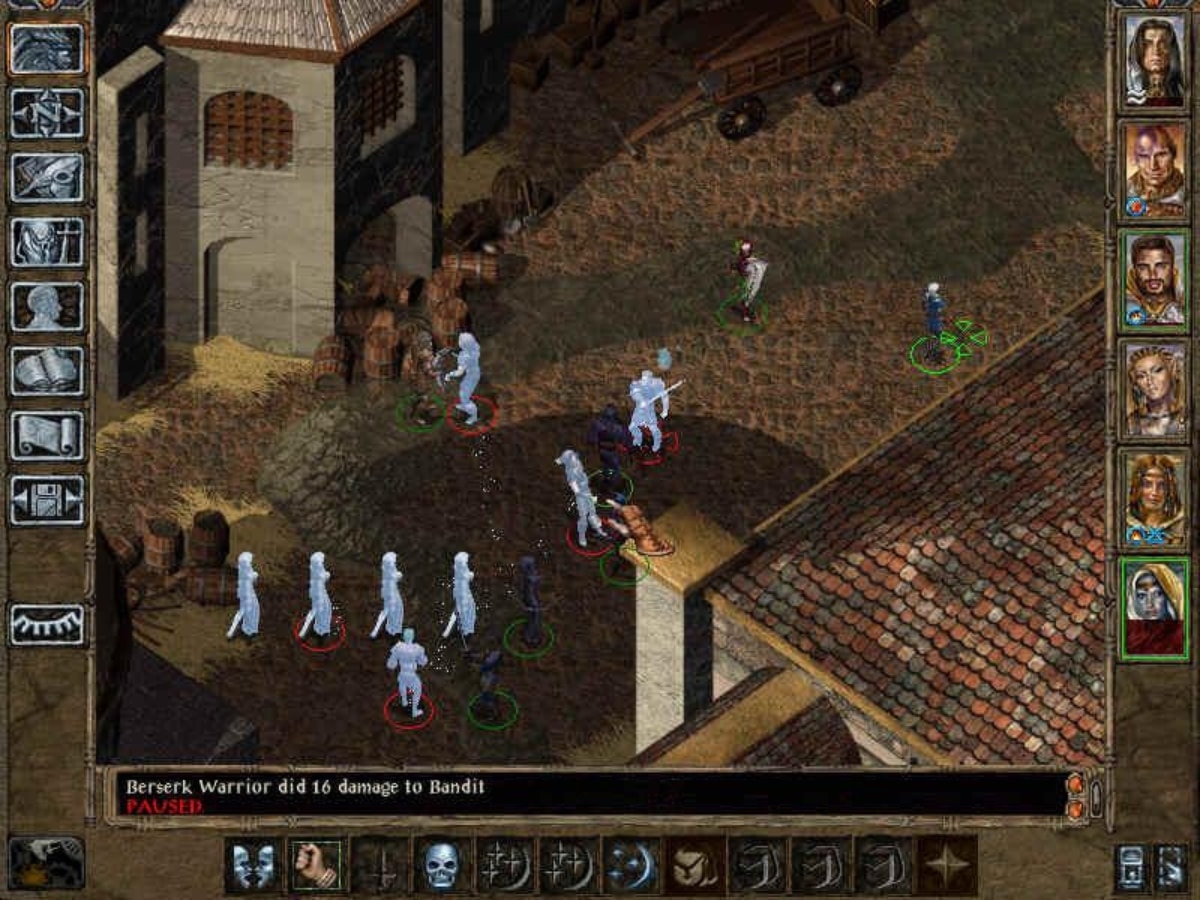
7. Baldur’s Gate 2: Shadows of Amn (2000)
Long before the franchise reached new heights under Larian Studios, BioWare’s Shadows of Amn set the gold standard for the CRPG (Computer RPG). Utilizing the Advanced Dungeons & Dragons 2nd Edition ruleset, the game offered a staggering level of depth. With over 200 hours of potential gameplay, it introduced players to a non-linear quest structure where moral ambiguity was the norm rather than the exception. The inclusion of companions like Minsc and Jaheira established the "BioWare formula": a group of diverse, often clashing personalities who grew alongside the player.
6. Dragon Age: Inquisition (2014)
As the first entry in the series developed for the PlayStation 4 and Xbox One era, Inquisition was a massive undertaking. It successfully bridged the gap between the tactical roots of the series and the demand for open-world exploration. The game was a commercial juggernaut, becoming the most successful launch in BioWare’s history at the time. It won numerous Game of the Year awards, praised specifically for its "War Table" mechanics and the complex political intrigue involving the Mage-Templar war. The character of Solas, in particular, remains one of the most discussed antagonists in modern gaming.
5. Mass Effect (2007)
The original Mass Effect was a bold departure from fantasy. By creating an entirely new science-fiction universe, BioWare moved into the territory of "space opera" previously dominated by Star Wars. It introduced the "Dialogue Wheel," a UI innovation that allowed for more fluid, cinematic conversations. While its combat mechanics were unrefined compared to later entries, its world-building—detailing the history of the Reapers, the Citadel, and various alien species—laid the foundation for one of the most beloved trilogies in the medium’s history.
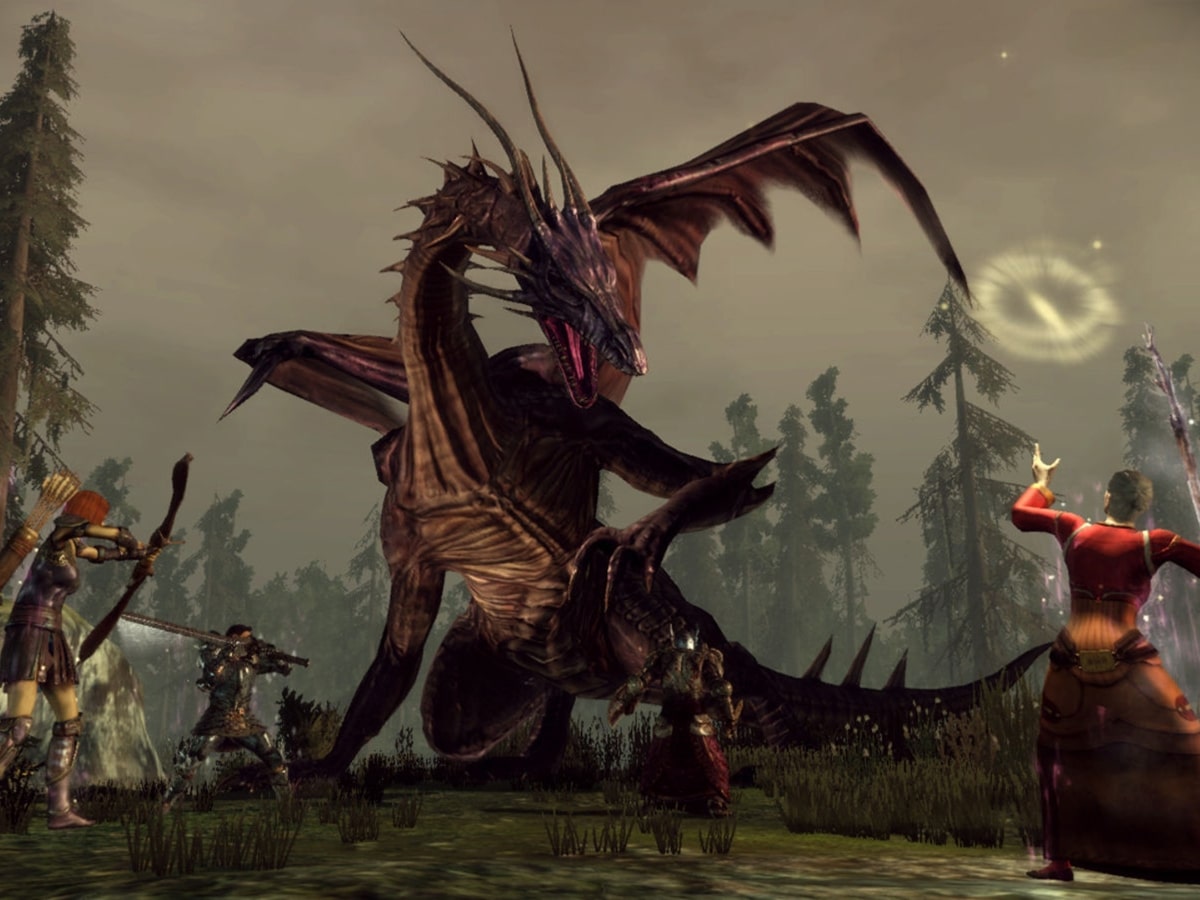
4. Dragon Age: Origins (2009)
Marketed as a "spiritual successor" to Baldur’s Gate, Origins returned to a darker, "low fantasy" aesthetic. Its defining feature was the "Origin" system, where the player’s choice of race and social standing resulted in a completely different opening act and influenced how the world reacted to them throughout the game. The "Tactical Camera" allowed players to pause combat and issue precise orders, a nod to the studio’s PC heritage that was successfully translated to consoles.
3. Mass Effect 3 (2012)
Though its conclusion remains one of the most controversial events in gaming history—prompting an "Extended Cut" DLC to satisfy fan demands—Mass Effect 3 was a technical and emotional triumph. It represented the culmination of five years of player choices. The game’s stakes were unprecedented, tasking players with resolving centuries-old conflicts like the Krogan Genophage and the Geth-Quarian war. It also introduced a successful cooperative multiplayer mode, proving that BioWare’s combat mechanics could thrive in a live-service environment.

2. Star Wars: Knights of the Old Republic (2003)
Before Mass Effect, BioWare proved it could handle a major licensed property with Knights of the Old Republic (KOTOR). Set 4,000 years before the rise of the Galactic Empire, the game gave BioWare the freedom to craft a new history for the Jedi and Sith. Its morality system, which tracked the player’s journey between the Light and Dark sides of the Force, influenced everything from character appearance to the game’s ending. The narrative twist regarding the identity of Darth Revan is still cited by critics as one of the greatest plot developments in any fictional medium.
1. Mass Effect 2 (2010)
Often cited as the pinnacle of the studio’s output, Mass Effect 2 refined the series into a cover-based shooter with deep RPG elements. The game’s structure—built entirely around recruiting a "dirty dozen" style crew for a suicide mission—allowed for intimate, character-focused storytelling. The "Loyalty Mission" mechanic ensured that players were emotionally invested in every member of their squad. The final mission itself was a masterclass in tension, where any character could die permanently based on the player’s previous decisions and leadership choices.
Market Analysis and Industry Implications
The closure of BioWare reflects broader trends within the gaming industry. As development budgets for "AAA" titles frequently exceed $200 million and development cycles stretch to six or seven years, the margin for error has narrowed significantly. BioWare’s recent struggles, including the troubled launch of the looter-shooter Anthem and the mixed reception of Mass Effect: Andromeda, likely placed the studio in a precarious position within EA’s portfolio.
Furthermore, the industry is seeing a shift toward "fewer, bigger" bets. While BioWare’s games were critically acclaimed, they were also incredibly labor-intensive. The loss of this studio signifies a potential reduction in the number of high-budget, single-player, narrative-focused RPGs entering the market. However, the "BioWare DNA" persists in other studios; many former BioWare leads have founded independent outfits, such as Archetype Entertainment and Yellow Brick Games, suggesting that the studio’s design philosophy will continue in a decentralized form.
The Future of the Intellectual Property
Despite the studio’s dissolution, the Mass Effect and Dragon Age brands remain valuable assets for Electronic Arts. In a move that offers some solace to fans, Amazon MGM Studios has confirmed that the Mass Effect television series remains in active development. This project, which recently attached Fast & Furious writer Daniel Casey to write and executive produce, is expected to draw heavily from the lore established in the original trilogy.
For Dragon Age fans, the situation is more opaque. With the studio closed, the future of the setting—Thedas—rests entirely on EA’s willingness to assign the IP to a different developer. Historically, EA has been protective of its flagship brands, but the lack of an immediate roadmap suggests a period of dormancy for these franchises.

In the final analysis, BioWare’s 30-year run was defined by a commitment to the idea that video games could be more than just mechanical challenges; they could be vessels for complex human emotion and philosophical inquiry. While the studio itself is gone, the "BioWare Magic"—a term often used to describe the studio’s ability to pull victory from the jaws of development chaos—leaves behind a legacy of worlds that millions of players called home. The industry now moves forward without one of its most significant pioneers, leaving a void in the RPG genre that may take years to fill.




 Nila Kartika Wati

 Eva Lovia

 Yuyun Lusiyani

 Ana Megawati

 Joko Widodo
