
 Lina Irawan
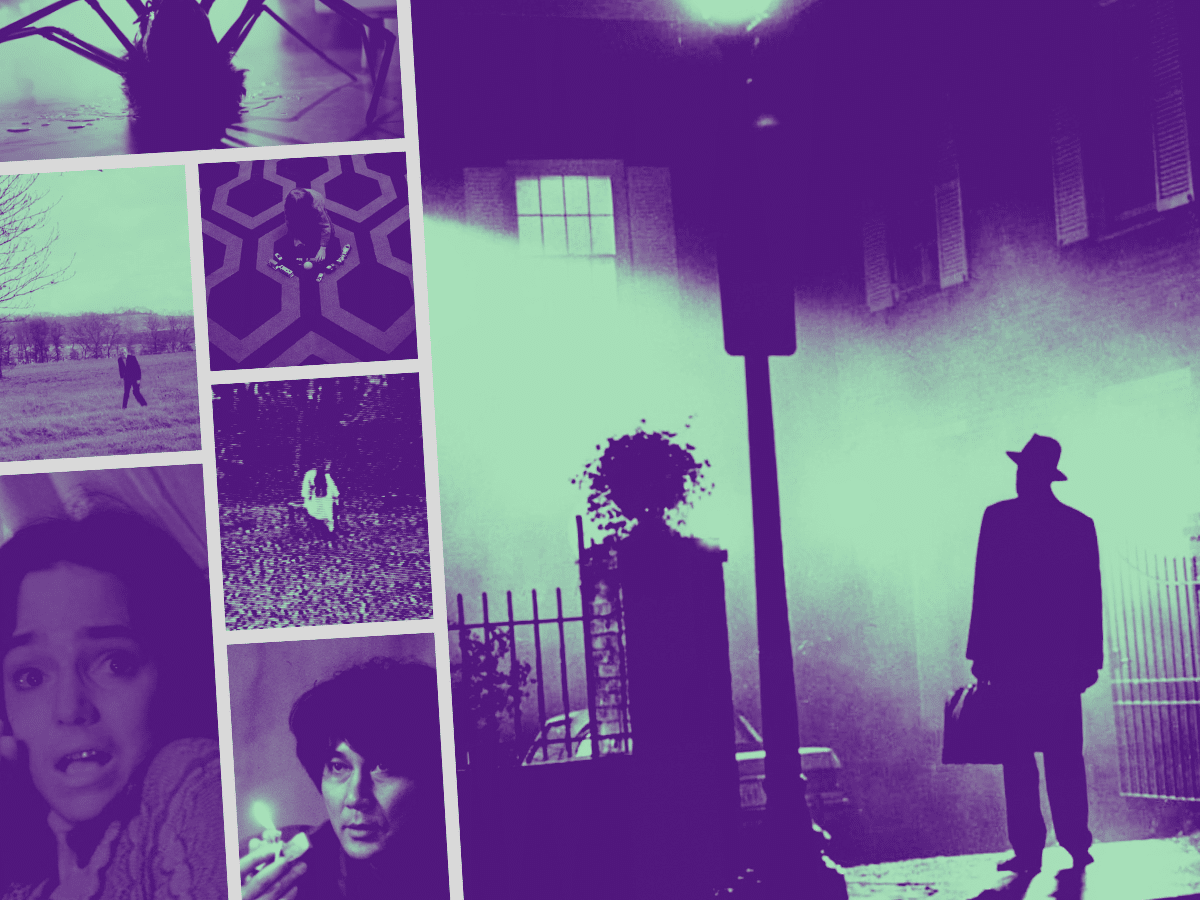
The horror genre has long served as a mirror to societal anxieties, evolving from the gothic shadows of the early 20th century to the visceral body horror of the 1980s and the psychologically complex "elevated horror" of the modern era. While the genre is often dismissed by critics for its reliance on tropes such as jump scares and graphic violence, a comprehensive analysis of cinematic history reveals that horror remains one of the most technically innovative and culturally significant forms of filmmaking. To determine the definitive ranking of the 25 best horror films of all time, an aggregate scoring system was employed, averaging data from the Internet Movie Database (IMDb), Letterboxd, and Rotten Tomatoes’ Tomatometer and Popcornmeter. This methodology ensures a balanced perspective, accounting for both critical acclaim and enduring audience popularity.

The resulting list is topped by Alfred Hitchcock’s 1960 masterpiece, Psycho, which holds an aggregate score of 90.75. The film’s placement at the pinnacle of the genre is a testament to its revolutionary structure and its role in birth of the modern slasher. Following closely is Jonathan Demme’s The Silence of the Lambs (1991) with a score of 90.50, and Ridley Scott’s Alien (1979) at 88.75. These films represent the "prestige" tier of horror—productions that transcended the genre to achieve Academy Award recognition and universal cultural saturation.
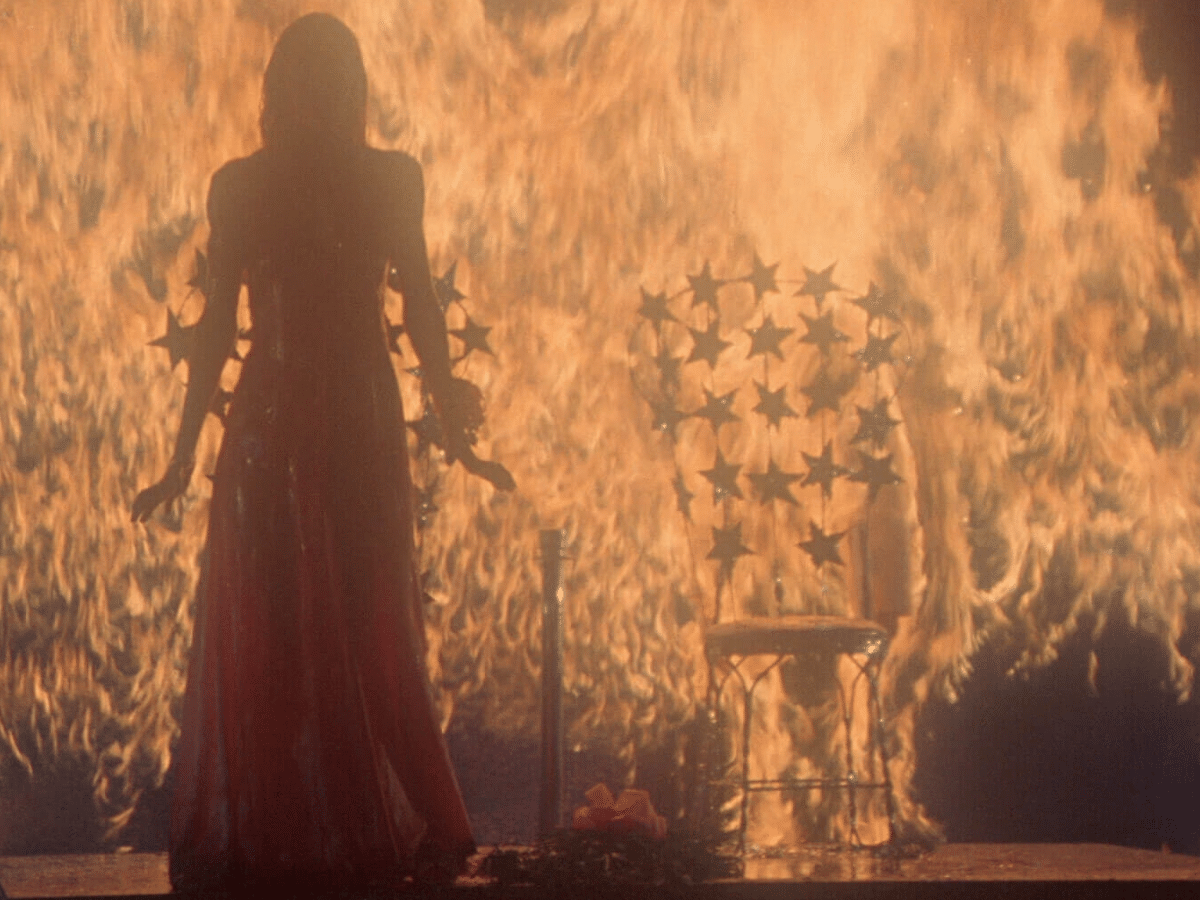
The Foundation of Modern Terror: The Top Five
The upper echelon of the horror canon is defined by films that utilized technical precision to exploit universal fears. Alfred Hitchcock’s Psycho (1960) remains the gold standard. Filmed on a modest budget with a crew from his television series, Hitchcock bypassed the censorship of the era by utilizing rapid-fire editing in the infamous shower scene, creating the illusion of graphic violence without violating the Hays Code. The film’s narrative bait-and-switch—killing off the perceived protagonist in the first act—remains one of the most daring structural choices in cinema history.
The Silence of the Lambs (1991) secured the second spot by bridging the gap between the police procedural and psychological horror. Anthony Hopkins’ portrayal of Dr. Hannibal Lecter, appearing on screen for less than 25 minutes, redefined the cinematic villain as a sophisticated, intellectual predator. The film remains one of the few horror-adjacent titles to sweep the "Big Five" Academy Awards, including Best Picture and Best Director.
Ranked third, Alien (1979) combined the aesthetics of industrial science fiction with the "haunted house" trope. Director Ridley Scott and artist H.R. Giger created a creature that tapped into primal fears of parasitism and sexual violation. Its sequel, Aliens (1986), directed by James Cameron, holds the fifth spot with a score of 88.25. While Aliens shifted the tone toward action-horror, it deepened the lore of the Xenomorph and solidified Ellen Ripley as a feminist icon in a genre historically dominated by male perspectives.
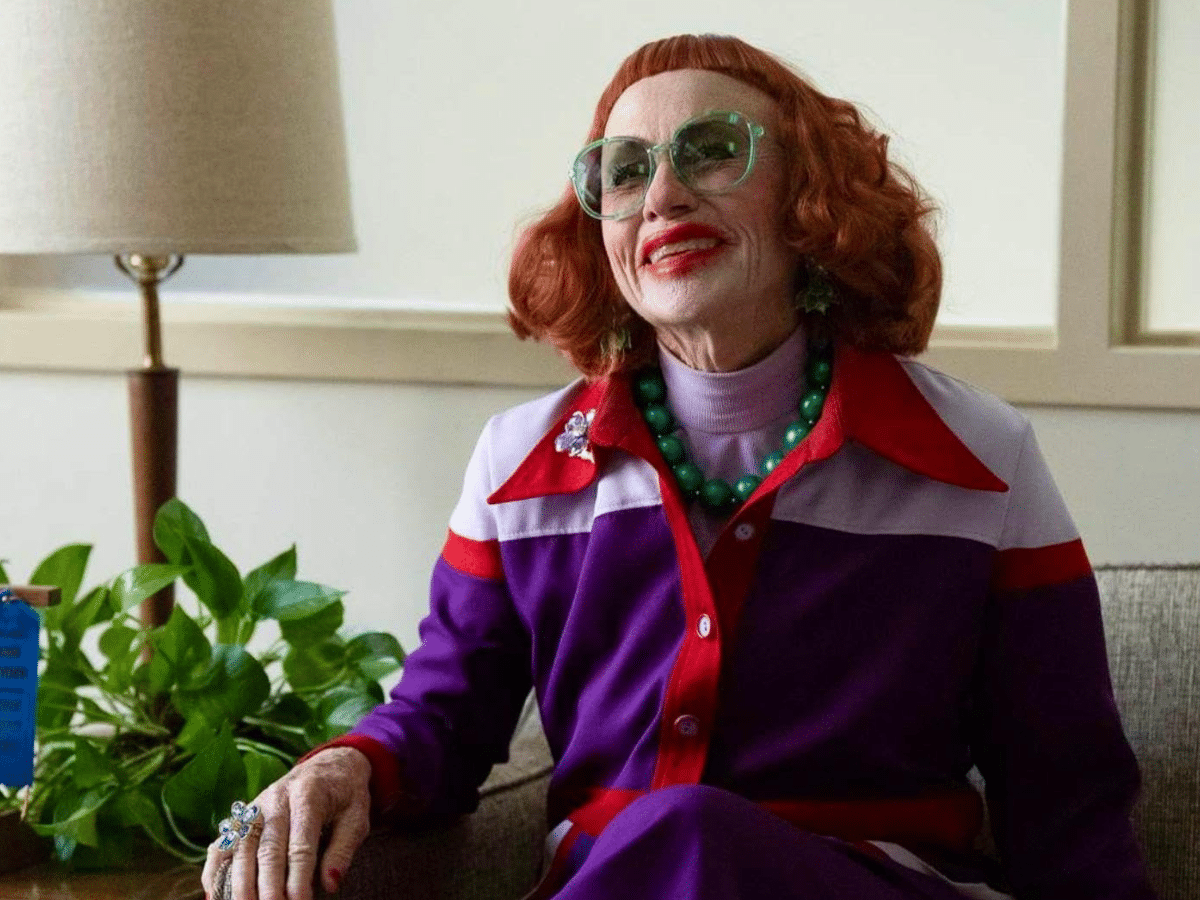
Steven Spielberg’s Jaws (1975) occupies the fourth position (88.50). Beyond its reputation for creating the modern summer blockbuster, Jaws is a masterclass in suspense derived from technical limitations. Because the mechanical shark, "Bruce," frequently malfunctioned, Spielberg was forced to suggest the creature’s presence through John Williams’ two-note score and POV shots, a technique that proved far more terrifying than a full reveal.

Psychological Depths and Supernatural Shifts
The middle tier of the rankings highlights the genre’s ability to explore the fragility of the human mind and the terror of the unknown. Rosemary’s Baby (1968), ranked seventh with a score of 87, utilized the mundane setting of a New York City apartment to explore themes of gaslighting and the loss of bodily autonomy. This film, along with William Friedkin’s The Exorcist (1973), which ranks 21st, signaled a shift in the 1960s and 70s toward "prestige supernaturalism," where the horror was grounded in realistic domestic settings.
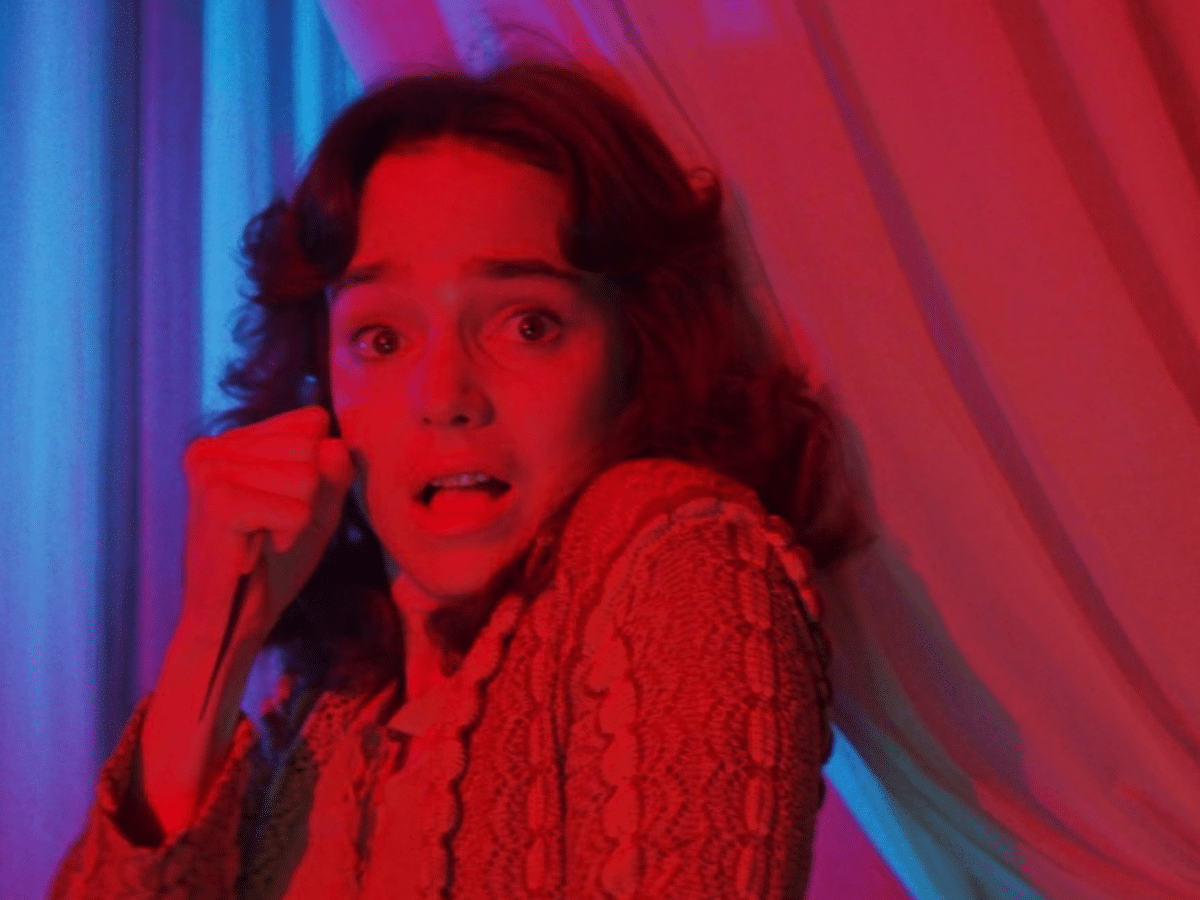
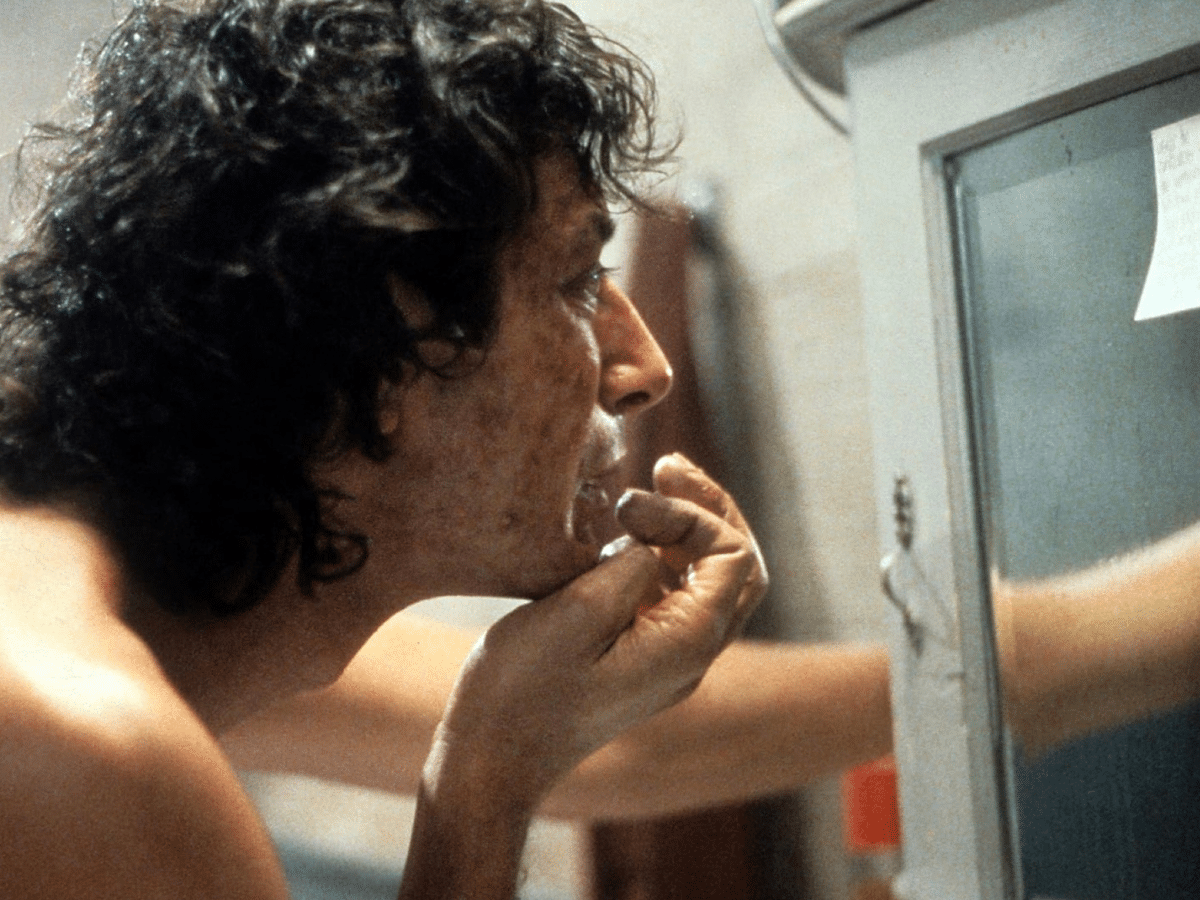
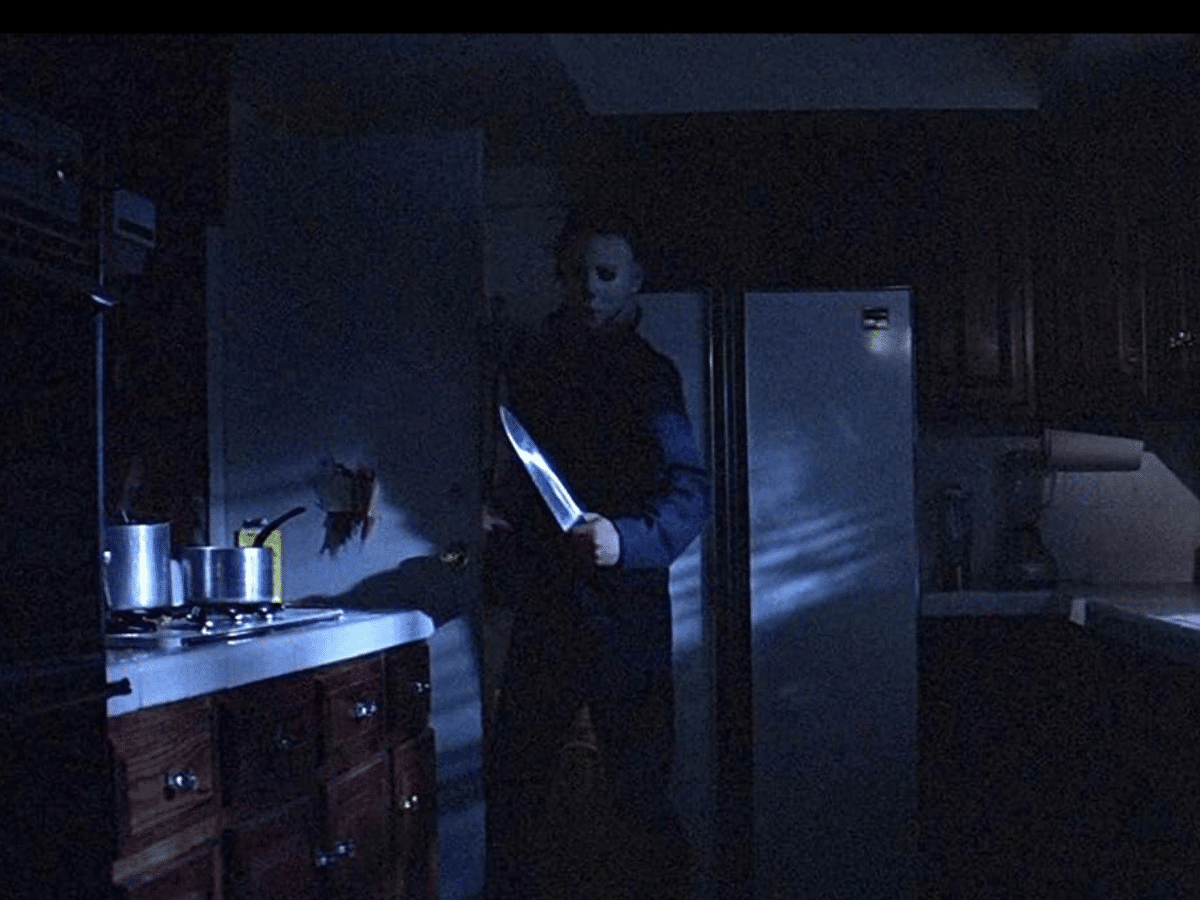
John Carpenter’s The Thing (1982), ranked eighth (86.75), is perhaps the most significant example of a film being vindicated by time. Originally panned by critics for its "repulsive" special effects and nihilistic tone, it is now celebrated for Rob Bottin’s groundbreaking practical effects and its exploration of Cold War-era paranoia. The film’s ambiguous ending remains one of the most debated sequences in horror history.
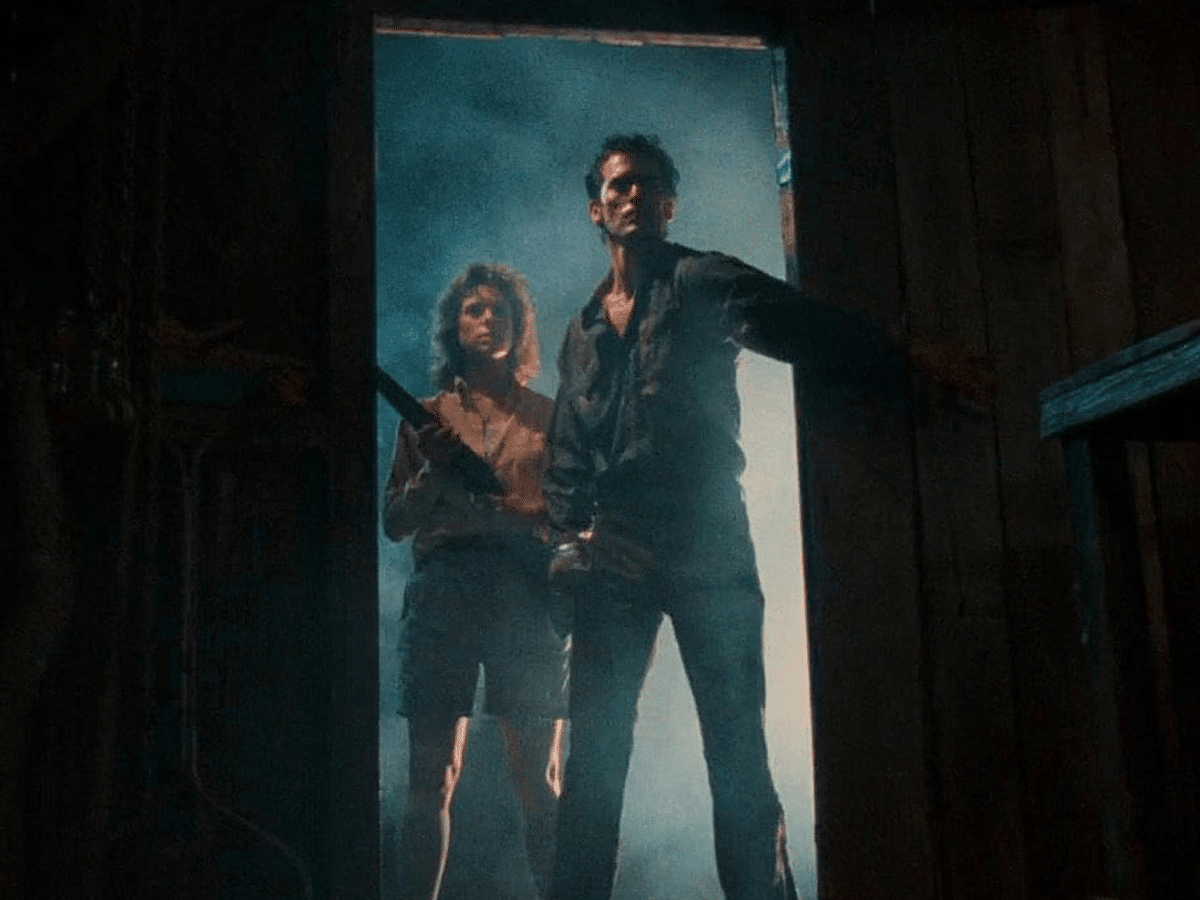
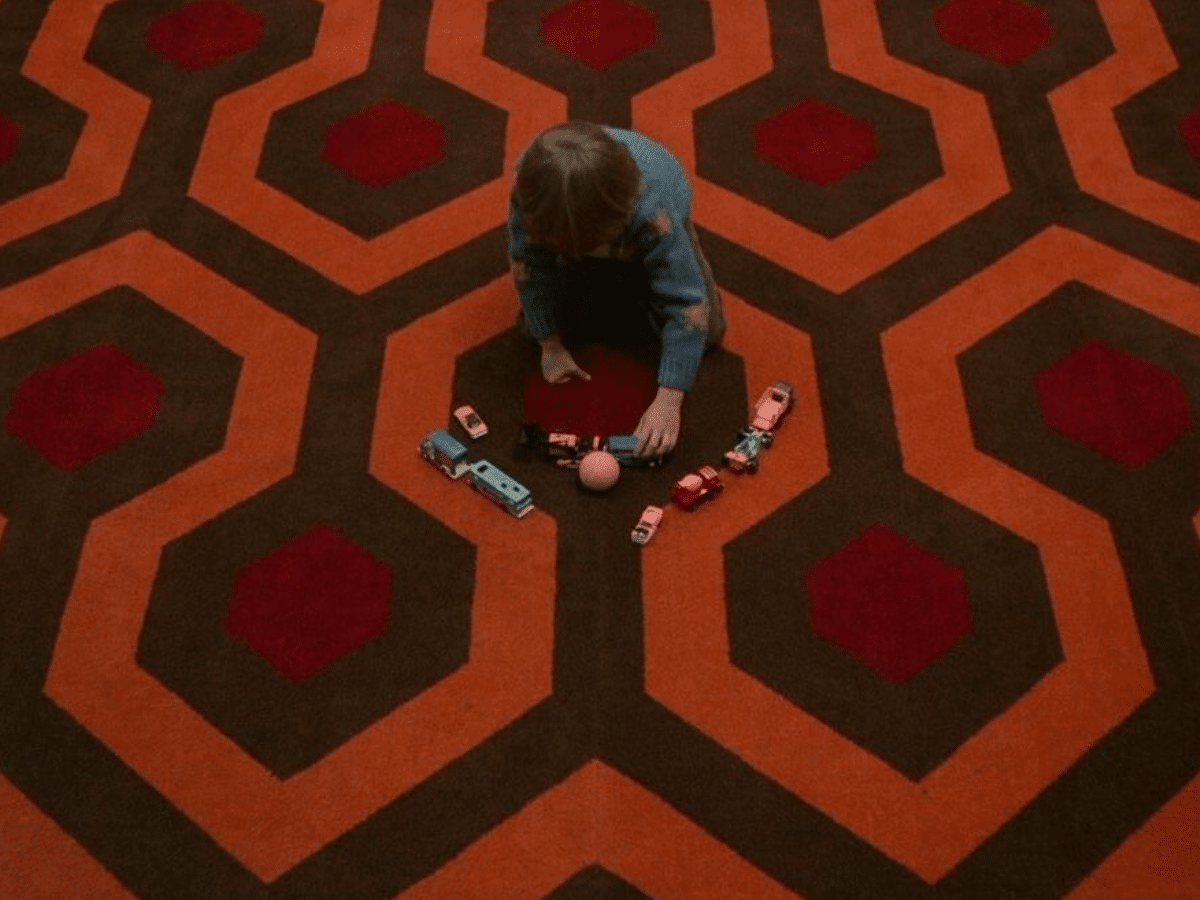
Stanley Kubrick’s The Shining (1980), ranked 10th, continues to fascinate audiences and theorists alike. Despite Stephen King’s public disapproval of the adaptation, Kubrick’s meticulous framing and the haunting performance of Jack Nicholson created an atmosphere of inescapable dread. The film’s use of the Steadicam revolutionized how tension is built through movement, allowing the camera to stalk the characters through the labyrinthine Overlook Hotel.

The Evolution of Social and Contemporary Horror
The 21st century has seen a resurgence in horror that addresses systemic social issues. Jordan Peele’s Get Out (2017), ranked 11th with a score of 86, is the definitive example of this movement. By using the "Stepford Wives" template to examine the commodification of Black bodies and the insidiousness of liberal racism, Peele proved that horror could be both a commercial juggernaut and a profound social critique.
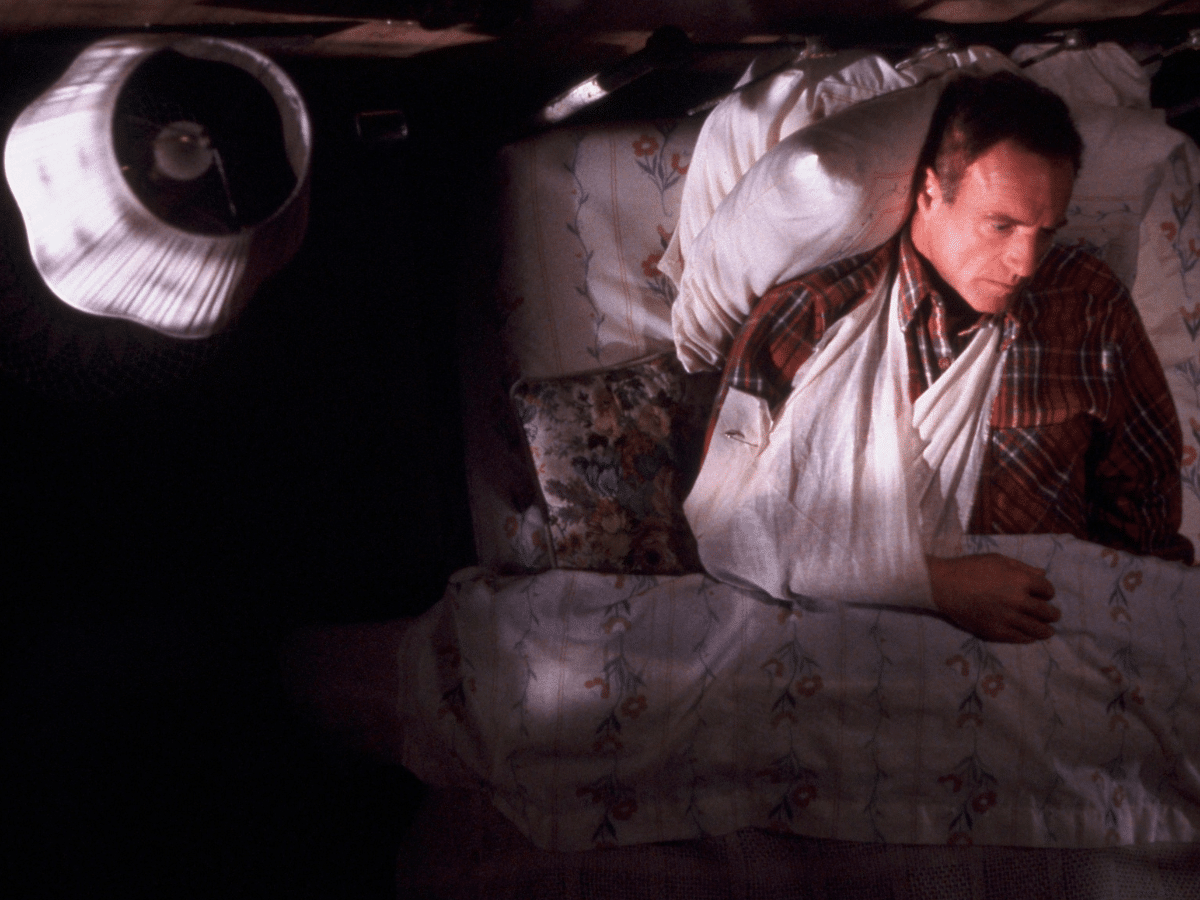
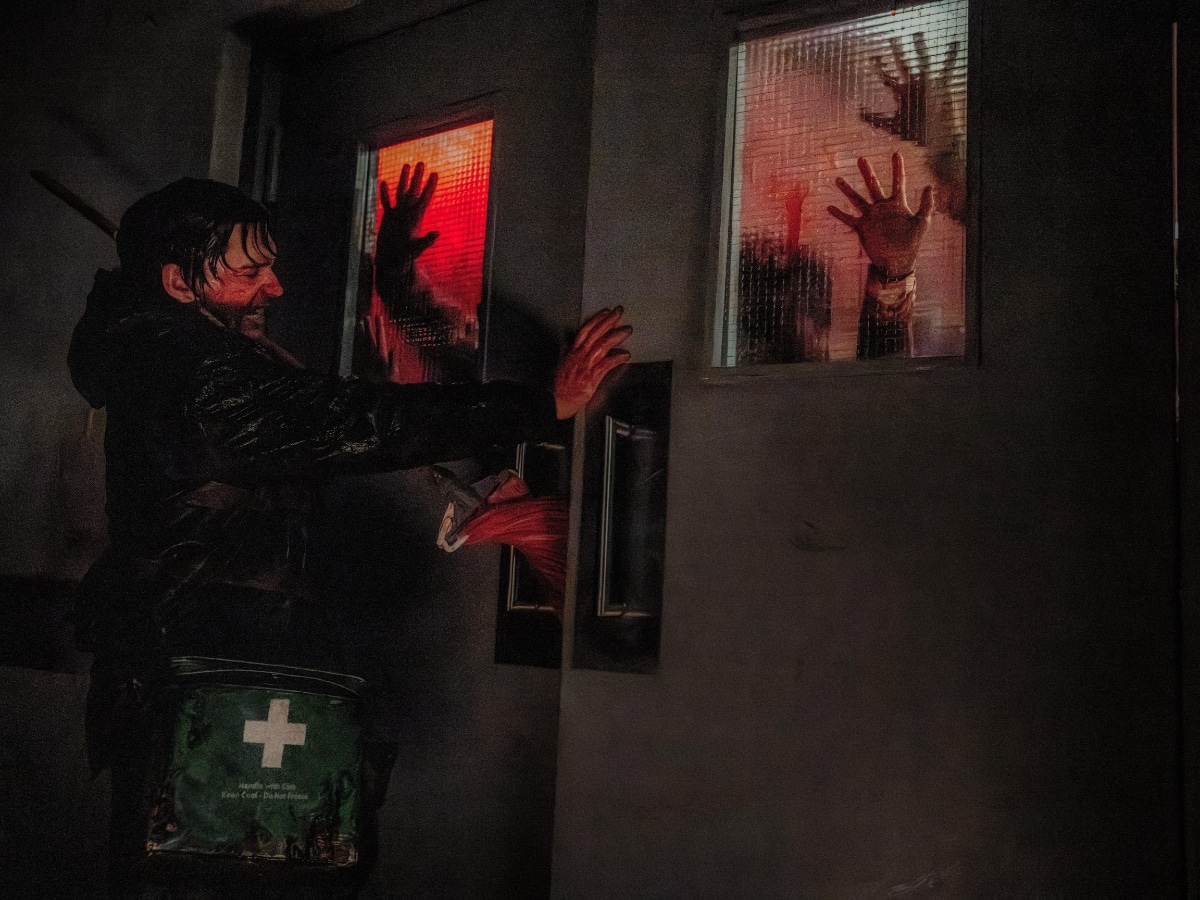
The rankings also reflect the impact of recent and upcoming releases that have challenged established classics. Sinners (2025), directed by Ryan Coogler and starring Michael B. Jordan, ranks sixth (87.50). The film’s integration of Jim Crow-era historical drama with vampire mythology represents a new frontier for the genre, focusing on cultural assimilation and resistance. Similarly, Zach Cregger’s Resident Evil (2026) and Weapons (2025) demonstrate a shift toward "auteur-driven" horror that balances high-concept terror with dark comedy. Cregger’s Resident Evil, in particular, has been noted for its ability to translate the atmospheric tension of survival-horror gaming into a cinematic experience that respects the source material while expanding its narrative reach.
International Contributions to the Genre
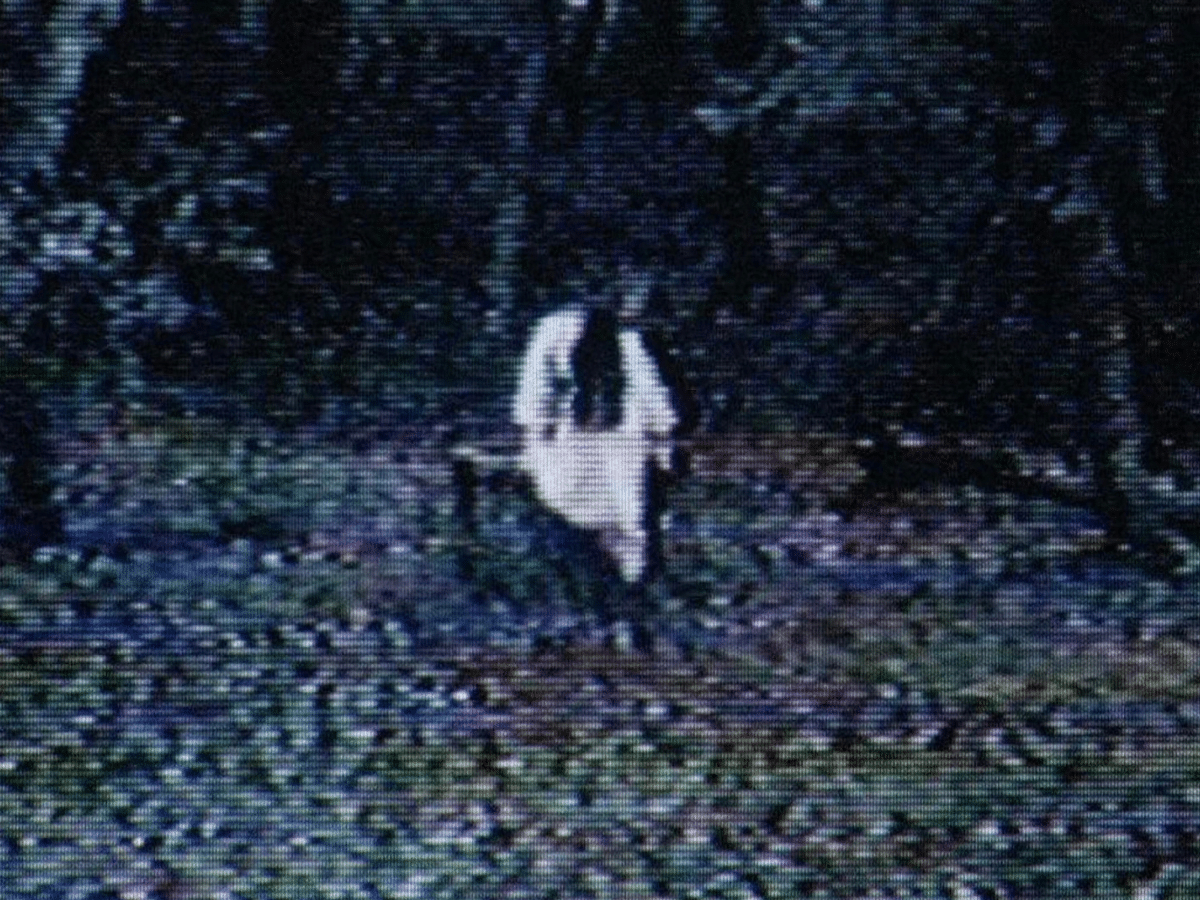
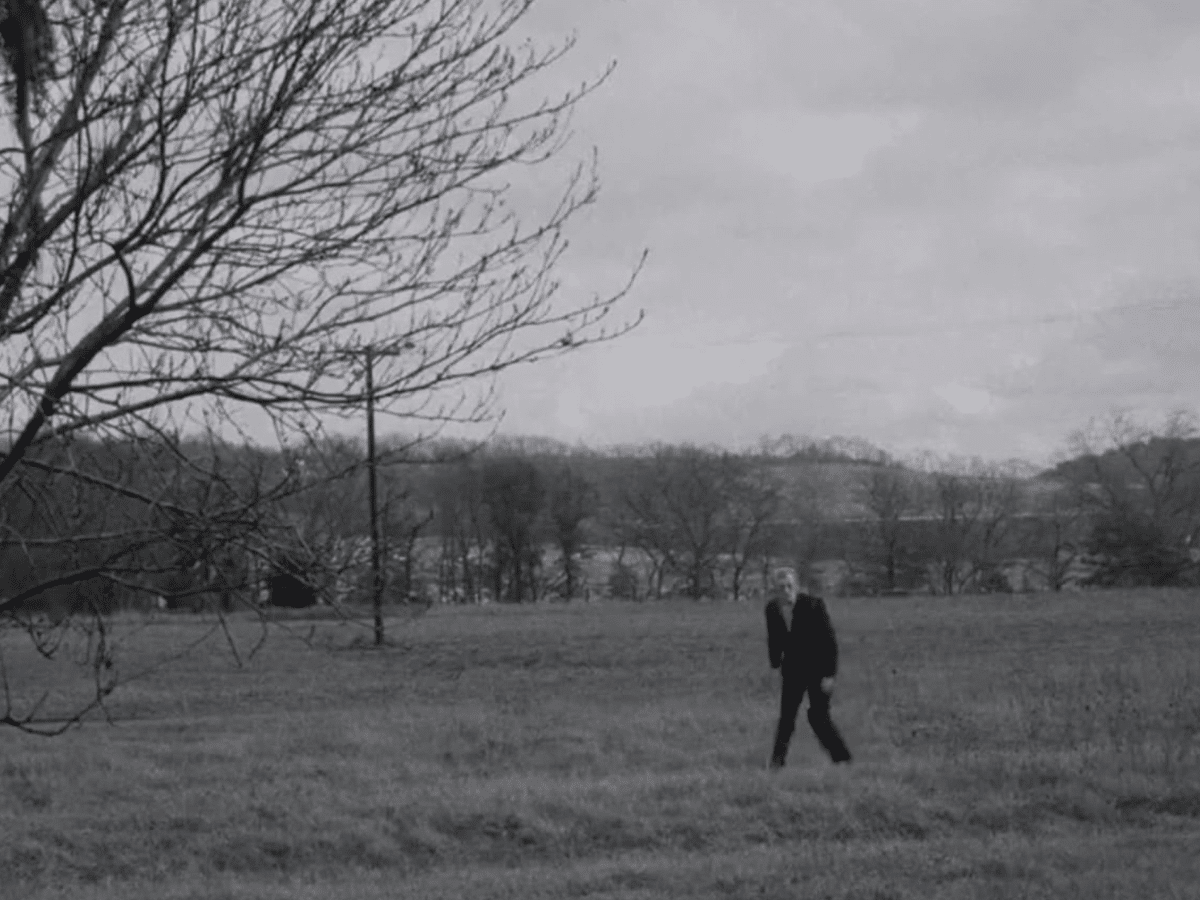
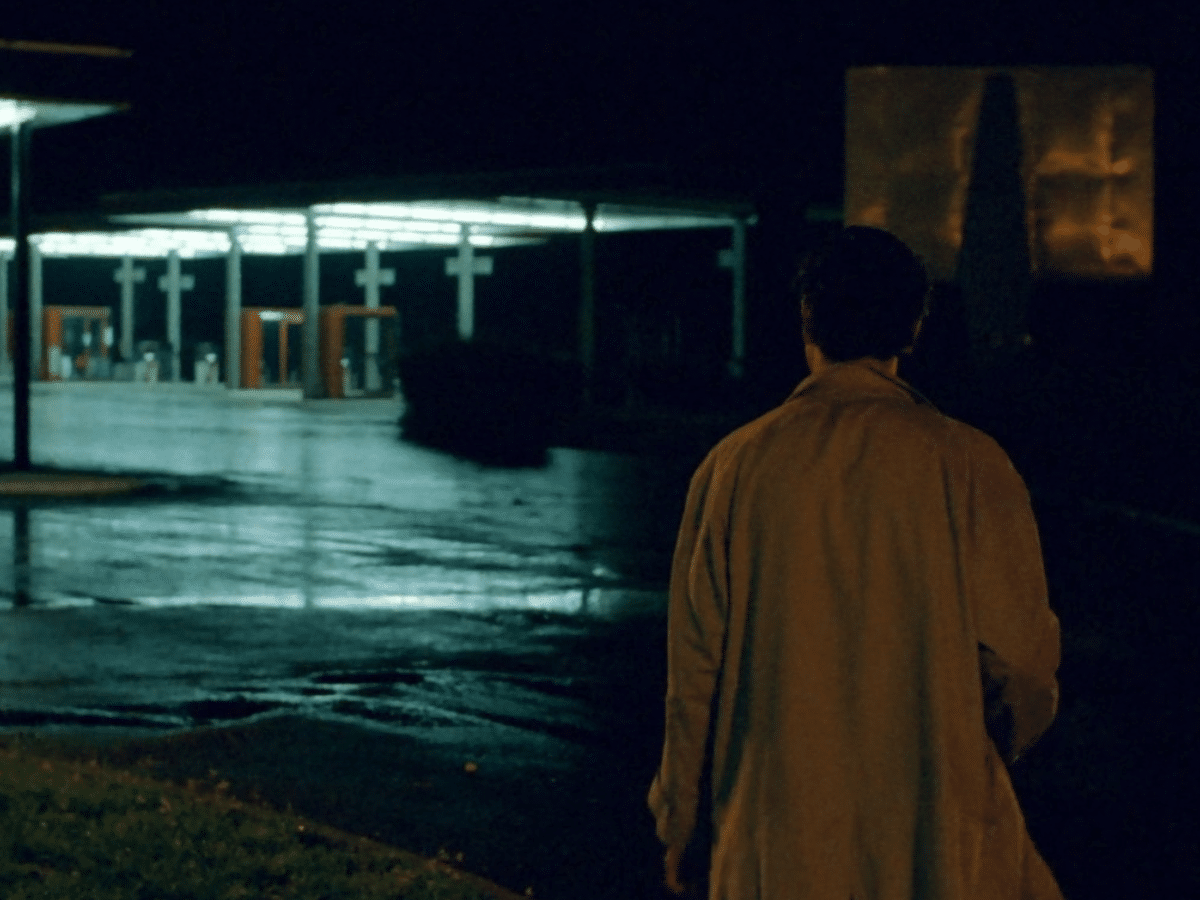
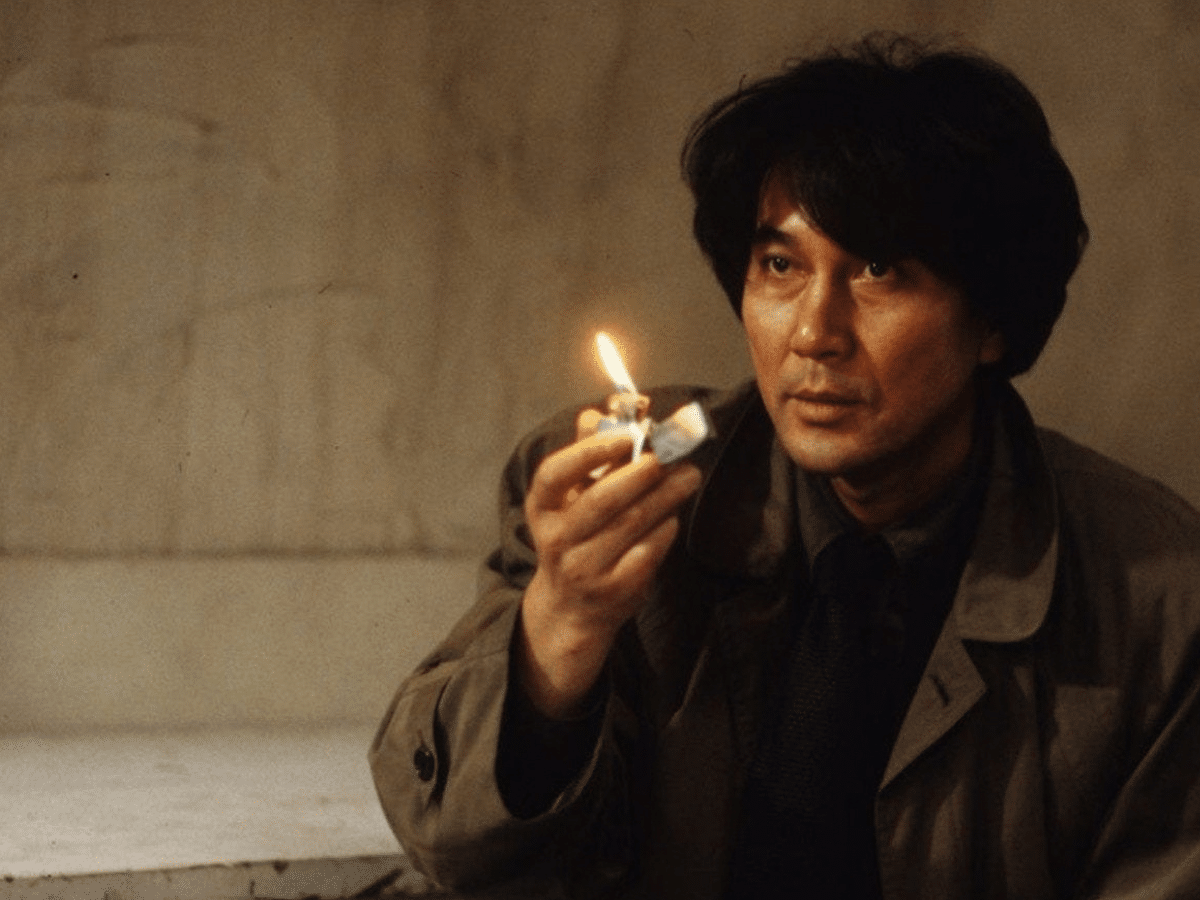
The global landscape of horror is represented by several key titles that introduced new visual languages to the genre. Hideo Nakata’s Ring (1998), ranked 23rd, triggered a global obsession with J-Horror, utilizing the "vengeful spirit" archetype to address anxieties regarding modern technology. Kiyoshi Kurosawa’s Cure (1997), ranked 12th, is a somber, hypnotic exploration of identity and hypnotic suggestion, often cited as one of the most unsettling films ever made.
South Korea’s The Wailing (2016), ranked 18th, showcases the strength of contemporary Asian horror. By blending police procedural elements with traditional shamanism and Christian mythology, director Na Hong-jin created a complex narrative of faith and suspicion that culminates in a devastating finale. These international titles emphasize that while the language of horror is universal, its cultural applications offer unique insights into regional fears.
Chronology of Innovation and Industry Impact
A chronological analysis of the top 25 reveals distinct waves of innovation:
- 1960–1968 (The Psychological Break): Psycho and Rosemary’s Baby move horror from the "monster movie" era into the realm of the mind and the home.
- 1973–1982 (The Technical Revolution): The Exorcist, Jaws, Alien, and The Thing push the boundaries of practical effects and sound design.
- 1986–1991 (The Crossover Success): Aliens and The Silence of the Lambs prove that horror can achieve blockbuster status and critical legitimacy.
- 1997–2016 (The Global Expansion): Ring, Cure, and The Wailing bring non-Western philosophies of terror to a global audience.
- 2017–Present (The Social Auteur Era): Get Out, Sinners, and Weapons use horror as a vehicle for complex social and political commentary.
The financial impact of these films is equally significant. Jaws and The Exorcist were, at their respective times, the highest-grossing films ever made, adjusted for inflation. This commercial viability has historically allowed directors to take greater creative risks, leading to the stylistic diversity seen in the current rankings.
Critical Analysis and Enduring Legacy
The longevity of these films is rarely tied to their "scare factor" alone. Instead, their high rankings are a result of their ability to function as high-quality cinema regardless of genre. The Silence of the Lambs is a masterclass in character development; The Shining is an architectural marvel; Alien is a triumph of production design.

Furthermore, the genre’s tendency to reflect the "monsters" of the time—whether they be the nuclear anxieties of the 1950s, the urban decay of the 1970s, or the digital isolation of the 2000s—ensures its continued relevance. As filmmakers like Jordan Peele and Zach Cregger continue to push the boundaries of what horror can represent, the list of the "best of all time" will likely continue to expand, incorporating new voices that find terror in the ever-changing landscape of the human experience.
In conclusion, the 25 films identified in this ranking represent the pinnacle of cinematic achievement. From Hitchcock’s early subversion of audience expectations to the modern sociopolitical critiques of the 2020s, these movies demonstrate that horror is not merely about the jump scare, but about the profound, often uncomfortable, exploration of the things that haunt us most. Whether through the lens of a shape-shifting alien or the quiet manipulation of a neighbor, these films have earned their place in history by forcing us to look directly into the dark.




 Nila Kartika Wati

 Eva Lovia

 Yuyun Lusiyani

 Ana Megawati

 Joko Widodo
