
 Yuyun Lusiyani
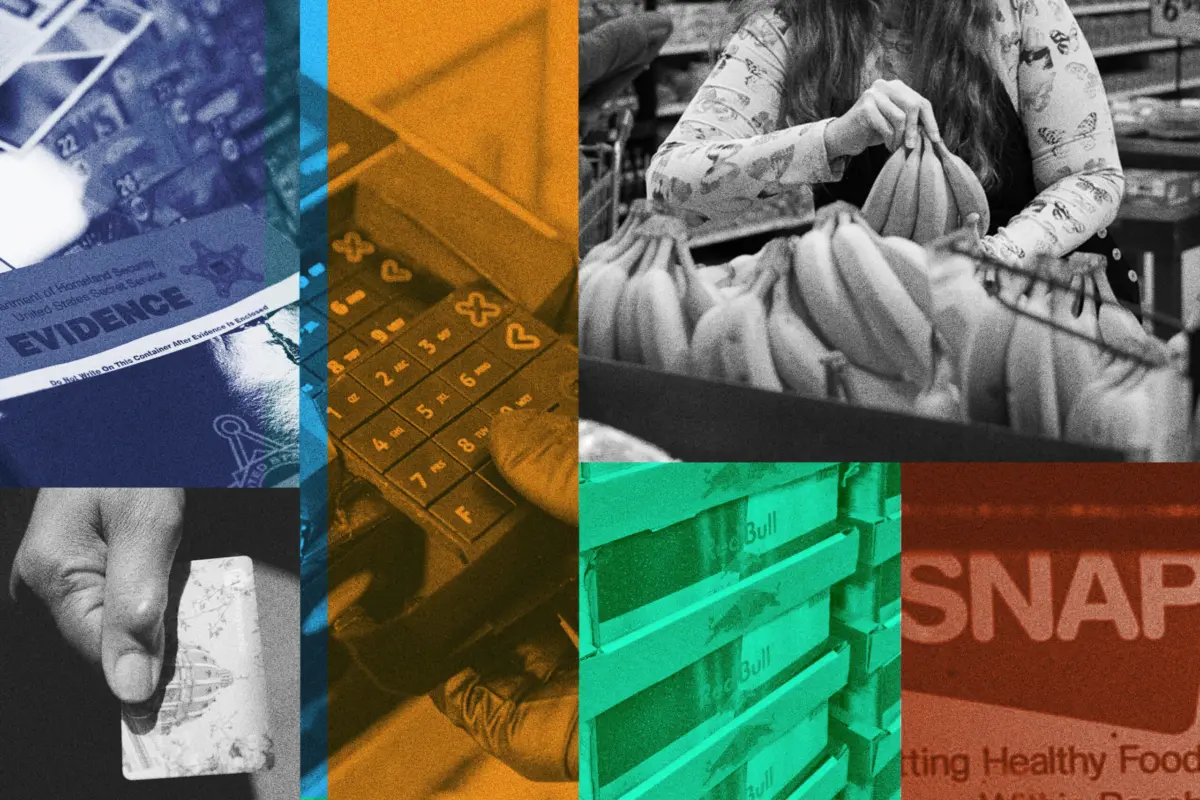
The Trump administration this week announced a sweeping overhaul of the nation’s food stamp payment system, mandating the transition to modern chip-enabled benefit cards to shield vulnerable families from rampant electronic theft. This decisive action comes just one week after a groundbreaking ProPublica investigation exposed how a staggering $470 million in Supplemental Nutrition Assistance Program (SNAP) benefits were pilfered from recipients last year alone, largely due to the technologically antiquated nature of the current magnetic stripe cards. The move signals a significant federal effort to fortify the security of a crucial safety net program relied upon by millions of Americans.
The Silent Crisis: How Outdated Technology Fueled Mass Theft
For years, the Electronic Benefits Transfer (EBT) cards, which replaced paper food stamps starting in the 1990s, have operated with a fundamental security flaw: a simple magnetic stripe. While initially a leap forward from paper coupons, this technology has become dangerously obsolete in the digital age. Unlike modern credit and debit cards, which largely adopted EMV (Europay, MasterCard, and Visa) chip technology over a decade ago, most EBT cards have remained susceptible to "skimming." Skimming involves criminals secretly installing devices on point-of-sale (POS) terminals or ATMs to illegally copy card numbers and PINs from the magnetic stripe. These stolen details are then used to create fraudulent cards, draining beneficiaries’ accounts within minutes or hours.
The scale of this fraud, as highlighted by ProPublica’s investigation, is nothing short of a national crisis. The report meticulously detailed the harrowing experiences of countless victims—low-income families arriving at grocery store checkouts only to discover their entire month’s food assistance had been wiped out by thieves. This not only causes immediate financial hardship but also inflicts immense emotional distress, forcing families already struggling to make ends meet to confront unexpected food insecurity. The investigation also underscored repeated failures by both Congress and the U.S. Department of Agriculture (USDA) to enforce a national upgrade to EBT card security, despite the clear and present danger posed by the outdated technology. The USDA, according to two internal officials, widely circulated ProPublica’s reporting within the department, indicating the immediate impact of the exposé.
SNAP, designed to supplement the food budget of low-income families, serves over 40 million Americans each month, distributing benefits totaling over $100 billion annually. The theft of even a small portion of these funds can have devastating consequences for individuals and families who depend on every dollar for their nutritional needs. Law enforcement agencies across the country have reported a dramatic increase in EBT skimming operations, often perpetrated by sophisticated organized crime rings that operate across state lines, making it difficult for individual state agencies to combat effectively.
A Long-Awaited Modernization: The New USDA Rule Details
The new proposed rule, officially published by the USDA’s Food and Nutrition Service (FNS) on Friday, mandates a nationwide transition from magnetic stripe-only EBT cards to those equipped with digital microchips and tap-to-pay functionality. This aligns EBT card security with the industry standards that have been commonplace for commercial credit and debit cards for more than a decade. EMV chip technology encrypts transaction data, making it exponentially more difficult for criminals to skim and clone cards. Tap-to-pay, or contactless payment, adds another layer of security by generating unique transaction codes for each purchase, further deterring fraud.
Beyond the hardware upgrade, the rule also calls for the creation of new federal "SNAP EBT Operating Standards." These standards are intended to be dynamic, subject to ongoing revision, ensuring that federal and state agencies can collectively keep pace with evolving best practices in the credit card industry and adapt to the ever-changing tactics of fraudsters. This proactive approach aims to prevent future security lags, establishing a framework for continuous improvement in the program’s integrity.
The efficacy of chip card technology in curbing EBT fraud is not merely theoretical. Several states have already taken the initiative to transition to chip cards independently, yielding impressive results. California, for instance, saw an 83% reduction in the theft of SNAP and other public benefits within two years of adopting the advanced technology. Despite these clear successes, more than 40 states have yet to implement chip cards, leaving hundreds of thousands of lower-income Americans perpetually vulnerable to theft. News outlets like NPR have also recently amplified reports on this critical issue, underscoring the widespread nature of the crisis.
A Chronology of Delays and Growing Pressure
The journey to modernize EBT cards has been protracted and fraught with delays. The current EBT system itself was a product of federal legislation in the 1980s and 90s, aimed at streamlining benefit distribution and reducing stigma associated with paper coupons. By the early 2000s, EBT cards were widely adopted across all states. However, as commercial banks began their migration to EMV chip cards around 2010-2015, driven by liability shifts and a desire to combat rising card-present fraud, EBT systems largely remained stagnant.
The USDA’s proposed rule, while just announced, has reportedly been "in the works" since 2023. Its prolonged delay has been attributed to several factors, including understaffing within the USDA, exacerbated by budget cuts implemented by the Department of Government Efficiency last year. Additionally, a significant backlog of other regulatory priorities at the White House budget office reportedly pushed the EBT security overhaul further down the agenda. The sudden acceleration and announcement of the rule this week, immediately following the ProPublica investigation, strongly suggest that increased public scrutiny and media pressure played a decisive role in overcoming these bureaucratic hurdles. White House and USDA officials have not yet responded to requests for comment regarding this sudden shift in prioritization.
The Financial and Logistical Hurdles for States
While the federal mandate is a welcome development for beneficiaries, it presents significant financial and logistical challenges for states. The estimated total federal and state cost of implementing these changes is $283 million. This includes the expense of printing and mailing new chip-enabled cards, upgrading point-of-sale (POS) terminals at grocery stores and other authorized retailers, and conducting training for state administrators and retail staff.
A major concern voiced by multiple current and former FNS officials, as well as state program administrators, is the potential lack of federal funding to support this transition. Many states are currently budget-strapped, partly due to the President Donald Trump’s "One Big Beautiful Bill Act," which significantly slashed states’ funding for administering their SNAP programs. These crucial dollars could have been utilized to upgrade EBT systems and facilitate the distribution of new cards. The congressional debate over the upcoming Farm Bill further highlights this dilemma: the Senate’s version reportedly includes funds specifically for this purpose, but the House version does not. The ongoing deadlock between Democrats and Republicans on overall SNAP spending leaves the allocation of federal aid for the chip card transition in uncertainty.
Despite the upfront cost, the long-term benefits are clear. The estimated $283 million investment pales in comparison to the more than $600 million in SNAP and other benefits that are stolen from existing magnetic stripe cards annually. This suggests that the modernization will yield significant savings in fraud prevention over time, in addition to restoring trust and security for beneficiaries.
Advocacy and Expert Perspectives: A Unified Call for Security
The announcement has been met with cautious optimism from consumer advocates and cybersecurity experts. Justin King, policy director for Propel, a company that assists SNAP recipients with benefit access, called the mandate "a big deal for low-income households" and expressed genuine surprise at the administration’s decision. "Theft rings don’t care about state lines. You’re just squeezing a balloon if you update one state at a time," King stated, emphasizing the critical importance of a national standard. "A national standard means there’s nowhere left to go" for criminals.
Cybersecurity experts have long championed EMV chip technology as a fundamental safeguard against card-present fraud. "The magnetic stripe is inherently insecure for today’s digital threats," explained Dr. Evelyn Reed, a payment security specialist. "It transmits static data that can be easily copied. EMV chips, by contrast, generate a unique, cryptogram for each transaction, making stolen data virtually useless for subsequent fraudulent purchases. It’s a foundational security measure that should have been in place for EBT cards years ago."
Grocery store associations, while acknowledging the potential costs of upgrading POS systems, generally support measures that reduce fraud. "Retailers bear some of the costs and administrative burdens associated with EBT fraud," said a spokesperson for a national grocery association. "More secure payment methods benefit everyone involved – our customers, our businesses, and the integrity of the program."
A Striking Political Pivot: Vice President Vance’s Evolving Stance
Perhaps one of the most remarkable aspects of this announcement is the striking rhetorical pivot by Vice President JD Vance, who also serves as the administration’s "fraud czar." On Wednesday, while campaigning in Ohio, Vance convened a press conference where he explicitly emphasized that low-income families are often the victims of SNAP fraud.
This stance stands in stark contrast to Vance’s historical public comments and the administration’s broader narrative. In the past, Vance has frequently portrayed SNAP recipients as perpetrators of fraud, famously stating, "There are people who have Lamborghinis who currently receive SNAP benefits." Research by ProPublica reporter Gabriel Sandoval, reviewing dozens of Vance’s speeches, social media posts, and press accounts, consistently found that he and other Trump officials have often framed SNAP recipients as exploiters of the system. Vance’s 2016 memoir, "Hillbilly Elegy," which brought him national prominence, contained similar sentiments, describing SNAP recipients in Kentucky and Ohio as people who "live off of government largesse" and "show little interest in honest work."
However, this week in southern Ohio, Vance adopted a dramatically different tone. He declared, "Step back for a minute and realize that the [SNAP] program is one of the most important social service programs that we have in the United States of America." He continued at length, asserting that food stamps ensure "all of our fellow citizens, particularly children, are able to have a full belly at the end of every single night, that regardless of whether they can pay for a meal, we don’t let American children and American families go hungry. That is one of the most important and sacred things that our tax dollars go to."
This rhetorical about-face, while not immediately explained by the White House or Vance’s press office, suggests a strategic shift in the administration’s approach to social welfare programs, potentially aimed at broadening political appeal or responding to mounting evidence that fraud disproportionately harms vulnerable populations. Vance further reinforced this new narrative by having Attorney General Todd Blanche and other top officials detail recent SNAP theft prosecutions. These included ongoing EBT card skimming cases in Oregon, where criminal groups allegedly pilfered account numbers and PINs from legitimate beneficiaries to purchase and resell bulk goods like energy drinks and baby formula, netting over $3 million – precisely the type of fraud ProPublica had highlighted.
Vance poignantly articulated the human cost of this fraud: "The simple reality is that it is actually a very tough thing to go through a [grocery store checkout] line with kids. To present that card, to expect to be able to take that food home to your family, to be able to cook it and provide a meal for your kids, and to be told that because of the theft of a fraudster, that you are being rejected. And there are hundreds of thousands of families all across our country, all across the state of Ohio who have had that experience."
Public Comment Period and The Path Forward
The USDA’s proposed rule now enters a 60-day public comment period, during which stakeholders including state SNAP administrators, grocery store owners, consumer advocacy groups, and the general public can submit feedback and raise logistical questions. These comments will be reviewed by agency officials before the rule is formally enacted.
Following the formal enactment, states will be granted a two-year window to transition to chip-enabled EBT cards. The ability of states to meet this deadline will largely hinge on several factors, including the availability of federal funding, the complexities of their existing EBT infrastructure, and their capacity to manage large-scale card issuance and system upgrades. Despite these challenges, the mandate represents a critical step towards safeguarding a vital program and protecting millions of Americans from predatory theft. The ultimate success of this initiative will depend on sustained federal support, diligent state implementation, and a continued commitment to adapting security measures against an ever-evolving threat landscape.




 Nila Kartika Wati

 Eva Lovia

 Lina Irawan

 Ana Megawati

 Joko Widodo
