
 Yuyun Lusiyani
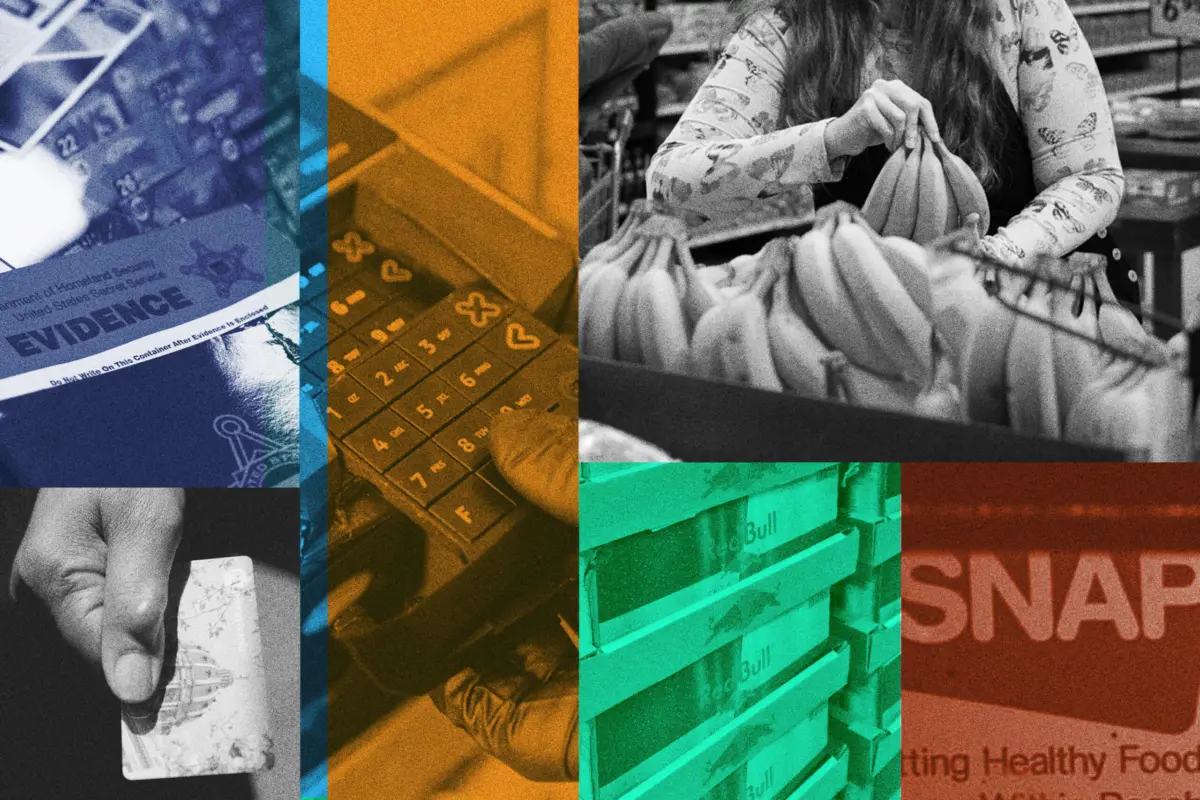
The Trump administration this week announced a significant overhaul of the nation’s food stamp payment system, a critical move aimed at modernizing benefit cards and providing much-needed protection for vulnerable families against electronic theft. This announcement arrives just one week after a compelling investigation by ProPublica brought to light the staggering scale of the problem, revealing that an estimated $470 million in Supplemental Nutrition Assistance Program (SNAP) benefits were illicitly drained from recipients’ accounts last year alone, largely due to the technological obsolescence of the current Electronic Benefits Transfer (EBT) card system.
The Pervasive Threat: Outdated Technology and the Human Cost of Theft
For years, millions of low-income American families have relied on EBT cards to access their SNAP benefits, a vital lifeline ensuring access to nutritious food. However, the foundational technology behind these cards – a simple magnetic stripe – has remained largely unchanged for decades, leaving them acutely vulnerable to sophisticated criminal operations. This outdated design contrasts sharply with the widespread adoption of chip technology (EMV) in commercial credit and debit cards over the past decade, which significantly enhanced security. The ProPublica report underscored this critical disparity, detailing harrowing accounts from victims who arrived at grocery store checkouts only to discover their monthly food assistance had vanished, stolen by fraudsters through various skimming techniques. The investigation also highlighted a consistent pattern of inaction from both Congress and the U.S. Department of Agriculture (USDA) in upgrading these essential cards nationwide, despite growing evidence of rampant fraud. According to USDA officials, the recent ProPublica reporting was widely circulated within the department, serving as a powerful catalyst for the administration’s accelerated action.
-
The Mechanics of Skimming:
EBT cards, with their magnetic stripe technology, are notoriously easy targets for "skimming." Criminals employ devices, often hidden within legitimate point-of-sale (POS) terminals or ATMs, to secretly capture card data when a card is swiped. These devices, known as skimmers, can be subtle overlays on card readers or even internal components. Simultaneously, fraudsters often install miniature cameras or fake keypads to record Personal Identification Numbers (PINs). Once both the card data and PIN are obtained, criminals can clone the EBT card, creating duplicates that are then used to make illicit purchases, often for bulk goods like energy drinks, baby formula, or even expensive electronics, which are then resold for profit. The simplicity of this method and the lack of robust encryption on magnetic stripes have made it an attractive target for organized crime rings, leading to an escalating crisis across the nation. -
The Human Toll of Theft:
The financial loss incurred by EBT theft extends far beyond monetary value; it represents a direct assault on the food security of vulnerable households. For families living paycheck to paycheck, or relying entirely on SNAP benefits, the sudden depletion of their funds means immediate hunger and distress. Victims often describe feelings of helplessness, anger, and betrayal. Unlike credit card fraud, where consumers are typically protected by federal regulations limiting liability to $50 and banks often cover the rest, SNAP benefit theft has historically left recipients with little recourse. Federal law initially prevented states from replacing stolen benefits, leaving families to bear the full brunt of the loss. While some states have begun to use federal discretionary funds to replace stolen benefits, it has been an inconsistent and often cumbersome process, exacerbating the hardship for those already struggling. This crisis has garnered attention from various news outlets, including NPR, further amplifying the urgency for a nationwide solution.
A Decade of Delay: The Road to Modernization
The journey towards modernizing EBT cards has been protracted, marked by technological inertia, bureaucratic hurdles, and a perceived lack of political will. The new proposed rule, officially issued by the USDA’s Food and Nutrition Administration (FNA) on Friday, although only now seeing the light of day, has been under development since 2023. Its implementation, however, faced continuous delays.
-
The Genesis of EBT and Its Limitations:
The Supplemental Nutrition Assistance Program, formerly known as the Food Stamp Program, was established in 1964 as a cornerstone of the nation’s social safety net. For decades, it relied on physical paper coupons or "food stamps." The transition to Electronic Benefits Transfer (EBT) cards began in the early 1990s and was completed nationwide by 2004. This move was hailed as a modernization effort, replacing paper coupons with a debit card-like system, reducing stigma, improving efficiency, and curbing certain types of fraud associated with paper stamps. However, the EBT system adopted magnetic stripe technology, prevalent in commercial banking at the time, which would soon be surpassed by more secure alternatives. As credit and debit cards evolved to incorporate EMV chip technology starting in the mid-2000s and accelerating in the 2010s, EBT cards largely remained static, creating an ever-widening security gap. -
Unheeded Warnings and Escalating Losses:
Concerns about the vulnerability of magnetic stripe EBT cards are not new. Advocacy groups, state administrators, and even some federal officials have been calling for upgrades for several years. Reports from various state agencies documented a steady increase in EBT skimming incidents, particularly over the last five years. However, these warnings often failed to translate into concrete federal action. Reasons cited for the delays included understaffing at the USDA, exacerbated by budget cuts from the Department of Government Efficiency last year, and a significant backlog of other regulations prioritized by the White House budget office. The perceived cost and logistical complexities of a nationwide transition also played a role in the hesitation. -
ProPublica’s Catalyst and USDA’s Response:
The recent ProPublica investigation, published a week prior to the USDA announcement, served as a critical turning point. By meticulously documenting the sheer volume of stolen benefits ($470 million in 2023) and showcasing the devastating impact on individual families, the report brought unprecedented public and political pressure to bear. It explicitly linked the vulnerability to the outdated magnetic stripe technology, contrasting it with the secure chip technology prevalent in commercial banking. The USDA’s swift issuance of the proposed rule, which had been languishing for months, strongly suggests that the intense scrutiny generated by the investigative journalism played a decisive role in prompting the administration to prioritize this long-overdue modernization. White House and USDA officials did not immediately respond to requests for comment on the sudden shift in the rule’s release timeline.
The Proposed Overhaul: A Comprehensive Security Upgrade
The new rule represents a significant leap forward in securing SNAP benefits, aligning EBT technology with modern banking standards. It mandates a nationwide transition that will fundamentally alter how benefits are accessed and protected.
-
Mandating Chip Technology and Tap-to-Pay:
The cornerstone of the proposed rule is the requirement for all 50 states to transition from EBT cards equipped solely with a magnetic stripe to those incorporating digital microchips. These EMV (Europay, MasterCard, and Visa) chips, which have been standard on credit and debit cards for over a decade, utilize encryption to create a unique transaction code for each purchase, making it exponentially more difficult for criminals to skim and clone card data. The rule also introduces support for tap-to-pay technology, offering an additional layer of convenience and security by eliminating the need to insert or swipe a card, further reducing opportunities for physical skimming. This technological upgrade is expected to drastically reduce the most prevalent forms of EBT fraud, bringing the system into the 21st century. -
Establishing EBT Operating Standards:
Beyond the hardware upgrade, the proposed rule also includes the creation of new federal “SNAP EBT Operating Standards.” These standards are designed to be dynamic, subject to ongoing revision. The intent is to establish a collaborative framework between federal and state authorities, ensuring they can collectively keep pace with evolving best practices in the credit card industry and, crucially, adapt to the changing tactics employed by fraudsters. This proactive approach aims to prevent future security vulnerabilities from emerging and to ensure a continuously robust defense against theft. The standards will likely cover aspects such as transaction monitoring, fraud detection protocols, and incident response procedures.
A Patchwork of Progress: State-Level Initiatives and Funding Hurdles
While the federal mandate is a crucial step, the path to full implementation will not be without its challenges, particularly concerning funding and logistical complexities for individual states.
-
California’s Proactive Stance and Documented Success:
A handful of states, recognizing the escalating threat, have already taken the initiative to transition to chip-enabled EBT cards. California stands out as a prime example of success. After adopting state-of-the-art technology, the theft of SNAP and other public benefits in California was reduced by an impressive 83% within just two years. This compelling data from one of the nation’s largest states provides a clear blueprint and strong evidence for the effectiveness of chip card technology in combating benefit fraud. However, more than 40 other states have yet to implement these critical security upgrades, leaving hundreds of thousands of lower-income Americans continually exposed to the risk of having their food assistance stolen. -
The Funding Conundrum: A Federal-State Impasse:
The transition to chip cards, while essential, comes with a significant price tag. The estimated total federal and state cost for these changes is approximately $283 million. While this figure is substantially less than the more than $600 million in SNAP and other benefits currently stolen from existing cards each year, securing the necessary funds presents a major hurdle for many states. Multiple current and former FNA officials, as well as state program administrators, have expressed concern that the USDA is mandating expensive changes without a clear commitment of federal financial support. Many states are currently budget-strapped, partly due to President Donald Trump’s "One Big Beautiful Bill Act," which significantly reduced federal funding for states’ administration of their SNAP programs. These crucial dollars could have been utilized to upgrade EBT systems, print, and mail out new chip cards. The legislative landscape further complicates matters: the Senate’s version of this year’s Farm Bill includes money specifically allocated for this chip card transition, but the House version does not. The ongoing political deadlock between Democrats and Republicans over overall SNAP spending leaves the future of federal funding for this mandate uncertain. -
Industry and Advocacy Reactions:
Despite the funding concerns, the mandate for all states to implement chip EBT cards has been widely welcomed by advocates for low-income households. Justin King, policy director for Propel, a company that assists SNAP recipients with benefit access, described the move as "a big deal for low-income households," adding that he was "legit surprised" by the administration’s decision. King emphasized the critical need for a national standard: "Theft rings don’t care about state lines. You’re just squeezing a balloon if you update one state at a time. A national standard means there’s nowhere left to go" for criminals. Retailer associations, representing grocery store owners who will bear some of the logistical burden of upgrading their point-of-sale systems, will likely engage during the public comment period to address implementation timelines and potential financial assistance for equipment upgrades. State SNAP administrators will also likely use this period to articulate the practical challenges and funding needs associated with the mandate.
A Dramatic Rhetorical Shift: The Administration’s New Stance
Perhaps one of the most striking aspects of this announcement is the dramatic rhetorical shift from Vice President JD Vance, who also serves as the administration’s "fraud czar." His recent statements mark a stark departure from his previous portrayals of SNAP recipients and the program itself.
-
From Accusation to Empathy: Vance’s Evolving Narrative:
On Wednesday, while campaigning in Ohio, Vice President Vance held a press conference and pointedly emphasized that low-income families are often the primary victims of SNAP fraud. This stance is notably at odds with his past rhetoric. Previously, Vance had publicly stated, "There are people who have Lamborghinis who currently receive SNAP benefits," a typical comment reflecting a broader administration narrative that frequently depicted SNAP recipients as perpetrators of fraud. A review of dozens of speeches, social media posts, and press accounts by ProPublica research reporter Gabriel Sandoval consistently found that Vance and other Trump officials had previously focused on recipient fraud.
Furthermore, Vance adopted a strikingly different tone regarding the food stamp program itself. In his 2016 memoir, "Hillbilly Elegy," which brought him national prominence, he wrote that SNAP recipients in Kentucky and Ohio "live off of government largesse" and suggested that many food stamp recipients "show little interest in honest work." Yet, this week in southern Ohio, he declared, "Step back for a minute and realize that the [SNAP] program is one of the most important social service programs that we have in the United States of America." He elaborated, stating that food stamps ensure "all of our fellow citizens, particularly children, are able to have a full belly at the end of every single night, that regardless of whether they can pay for a meal, we don’t let American children and American families go hungry. That is one of the most important and sacred things that our tax dollars go to." The White House and Vance’s press office did not immediately respond to a request for comment on this rhetorical about-face. -
Concrete Action Against Fraudsters:
Following his changed remarks, Vance was joined by Attorney General Todd Blanche and other top officials, who provided detailed accounts of multiple recent SNAP theft prosecutions. These included several ongoing EBT card skimming cases in Oregon, where criminal groups allegedly pilfered SNAP account numbers and PINs from legitimate beneficiaries. The stolen data was then used to purchase bulk quantities of goods, such as energy drinks and baby formula, which the scammers resold for over $3 million. This type of sophisticated, organized fraud aligns precisely with the patterns and scale of theft that ProPublica had highlighted in its recent investigation. Vance eloquently articulated the profound impact of these crimes: "The simple reality is that it is actually a very tough thing to go through a [grocery store checkout] line with kids, to present that card, to expect to be able to take that food home to your family, to be able to cook it and provide a meal for your kids, and to be told that because of the theft of a fraudster, that you are being rejected. And there are hundreds of thousands of families all across our country, all across the state of Ohio who have had that experience." -
The Broader Political Context:
Vance’s sudden shift in rhetoric and the administration’s expedited rule change suggest a potential strategic pivot. While the ProPublica report was undoubtedly a significant impetus, the timing also coincides with an election year. Shifting the narrative to portray low-income families as victims of fraud, rather than perpetrators, could resonate with a broader segment of the electorate and reframe the discussion around welfare programs. It also aligns with the administration’s broader anti-crime platform, emphasizing law enforcement action against organized criminal enterprises. This new posture might aim to demonstrate a commitment to protecting vulnerable populations while simultaneously showcasing effective governance and a crackdown on illicit activities.
Looking Ahead: Implementation, Challenges, and Long-Term Impact
The proposed rule now enters a crucial 60-day public comment period, during which members of the public, including state SNAP administrators and grocery store owners, can submit feedback. These comments, particularly those addressing logistical questions and potential implementation challenges, will be reviewed by agency officials before the rule is formally enacted.
-
The Path to Full Implementation:
Once the rule is finalized, states will be granted a two-year window to fully transition to chip-enabled EBT cards. Meeting this deadline will depend on several factors, including the availability of federal funding, the capacity of state agencies to manage such a large-scale technological overhaul, and the ability of EBT processing vendors to produce and distribute millions of new cards. Logistical hurdles will include updating existing point-of-sale systems at grocery stores, training staff, and ensuring a seamless transition for millions of beneficiaries. The USDA will need to provide clear guidance and potentially technical assistance to states to facilitate this complex process. -
Securing the Safety Net: A Future Outlook:
The move to modernize EBT cards represents a significant victory for digital equity and the integrity of federal assistance programs. By reducing fraud, more benefits will reach their intended recipients, strengthening the social safety net and directly improving food security for millions. It also signals a broader commitment to applying modern security standards across all government benefit programs. While the immediate focus is on SNAP, this precedent could pave the way for similar security upgrades in other public assistance programs that rely on outdated card technology. The long-term impact is expected to be a more secure, efficient, and trustworthy system, where the most vulnerable Americans can access their essential benefits without the constant fear of theft. However, the success of this ambitious overhaul ultimately hinges on sustained federal commitment, adequate funding, and robust cooperation between federal agencies, state governments, and private sector partners.




 Nila Kartika Wati

 Eva Lovia

 Lina Irawan

 Ana Megawati

 Joko Widodo
