
 Lina Irawan
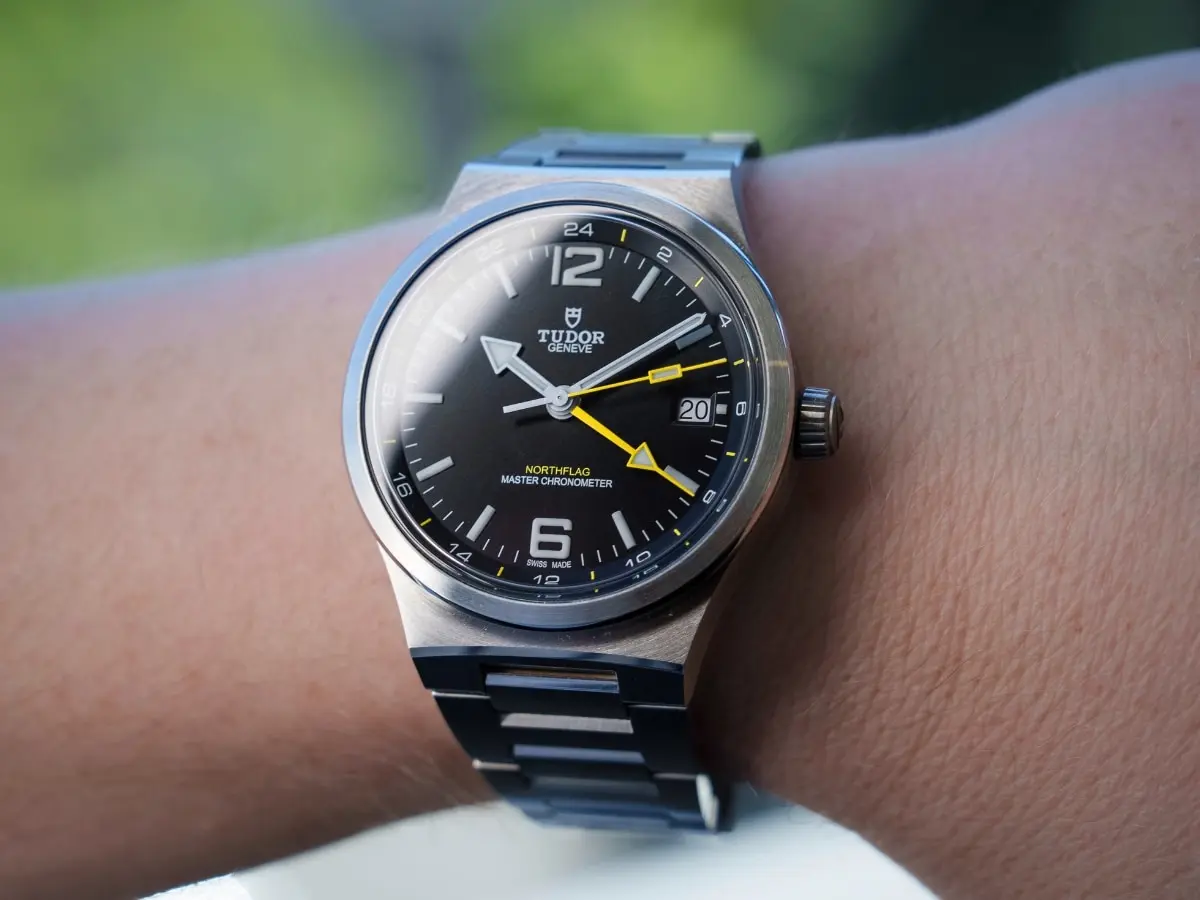
The global watchmaking industry has witnessed a significant series of releases and commemorative events over the past week, highlighted by the strategic resurrection of the Tudor Northflag and a milestone celebration for Seiko. These developments occur amidst a shifting landscape in the horological market, where legacy brands are increasingly blending utilitarian heritage with high-precision modern movements and premium material configurations. From the technical integration of GMT functions in tool watches to the elevation of entry-level brands into the Swiss-made movement category, the latest industry updates reflect a broader trend toward "premiumization" and technical certification.
The Resurgence of the Tudor Northflag and Technical Advancement
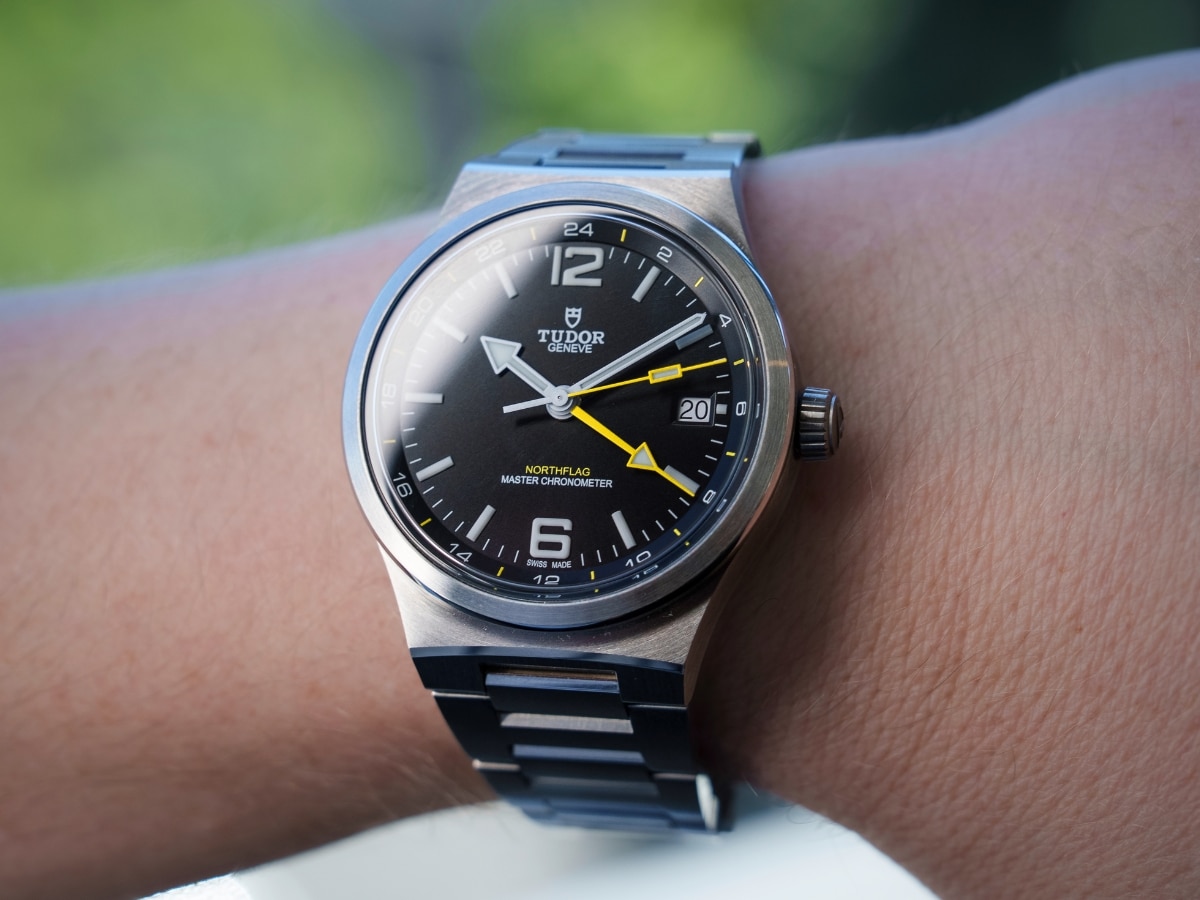
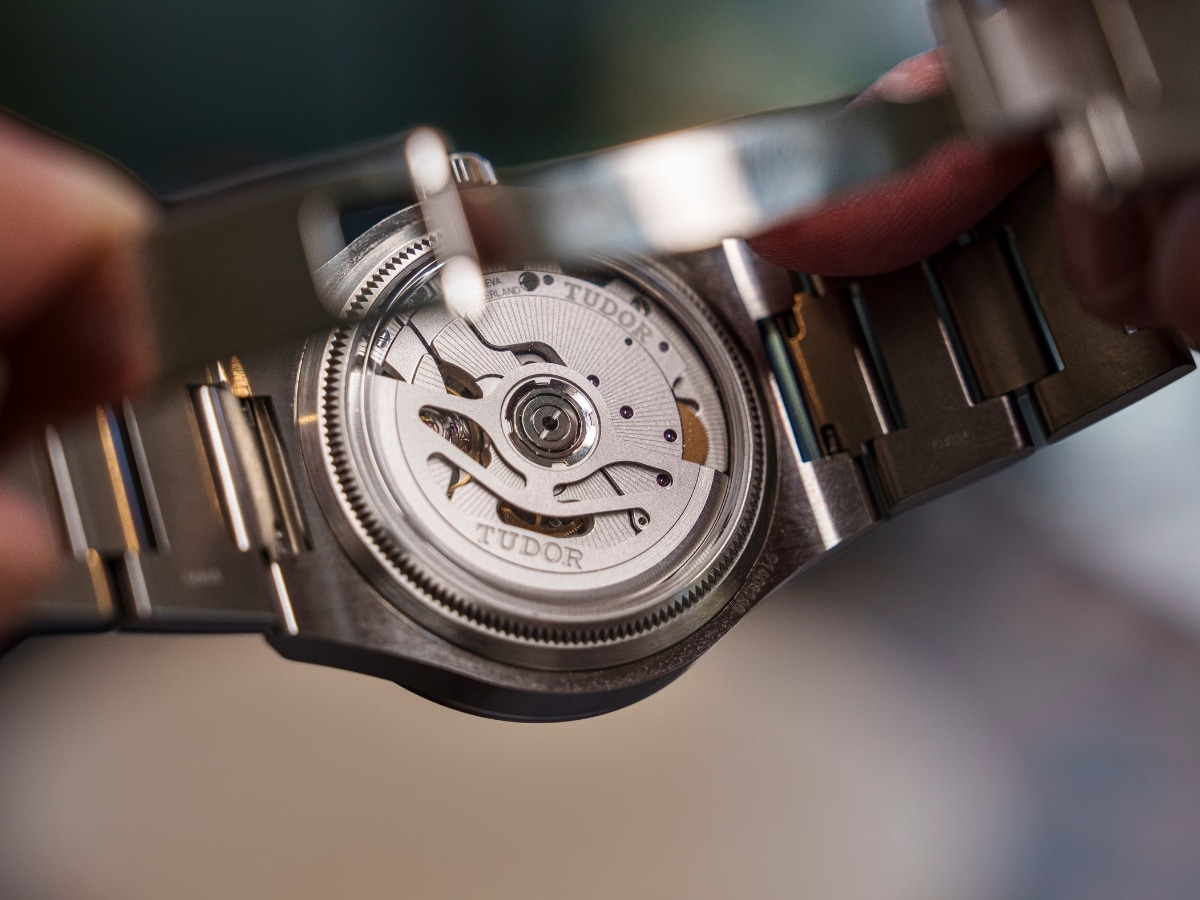
A focal point of recent horological discussion is the reintroduction of the Tudor Northflag, a timepiece that occupies a unique position within the brand’s historical catalog. Originally launched in 2015 as the first Tudor model to feature an in-house movement, the line was discontinued in 2021. Its return marks a strategic pivot for Tudor, as the brand seeks to diversify its offerings beyond the ubiquitous Black Bay series.
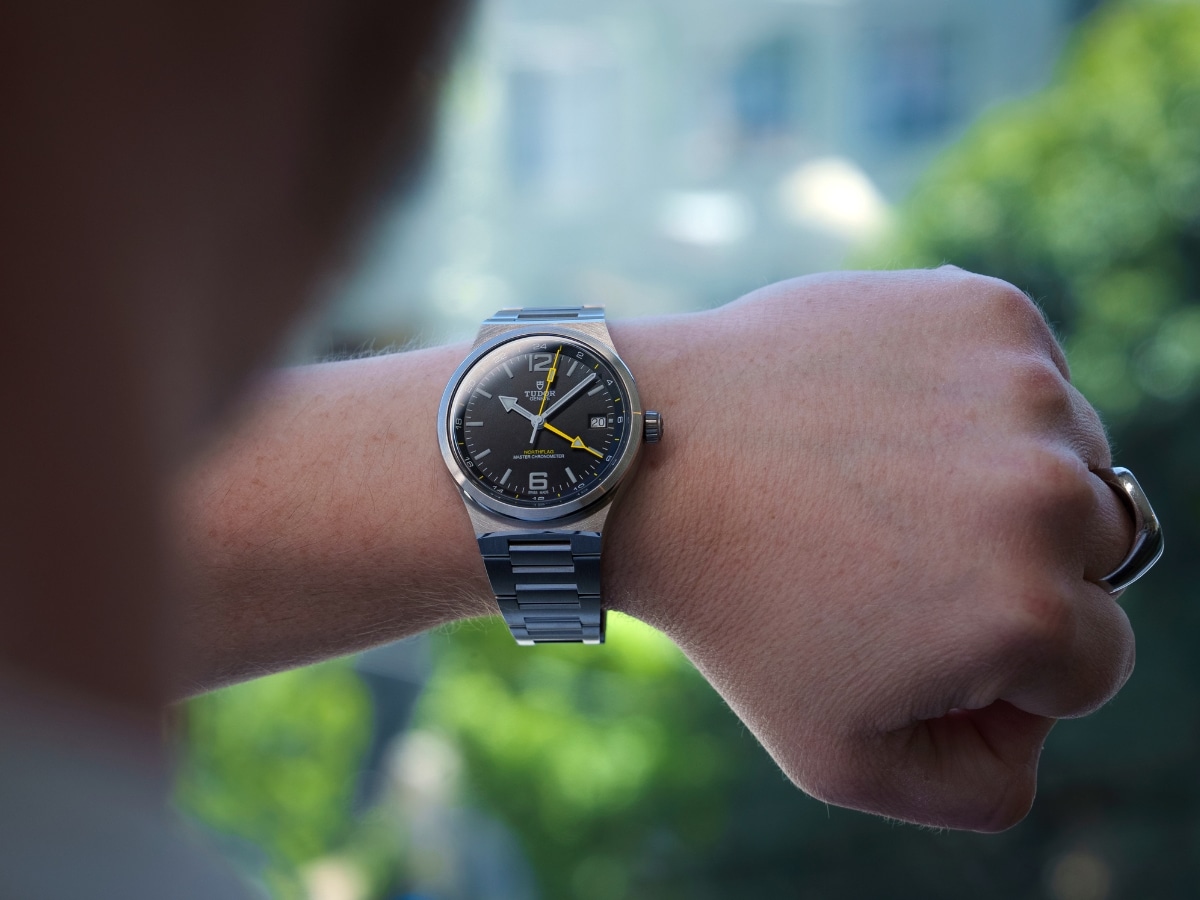
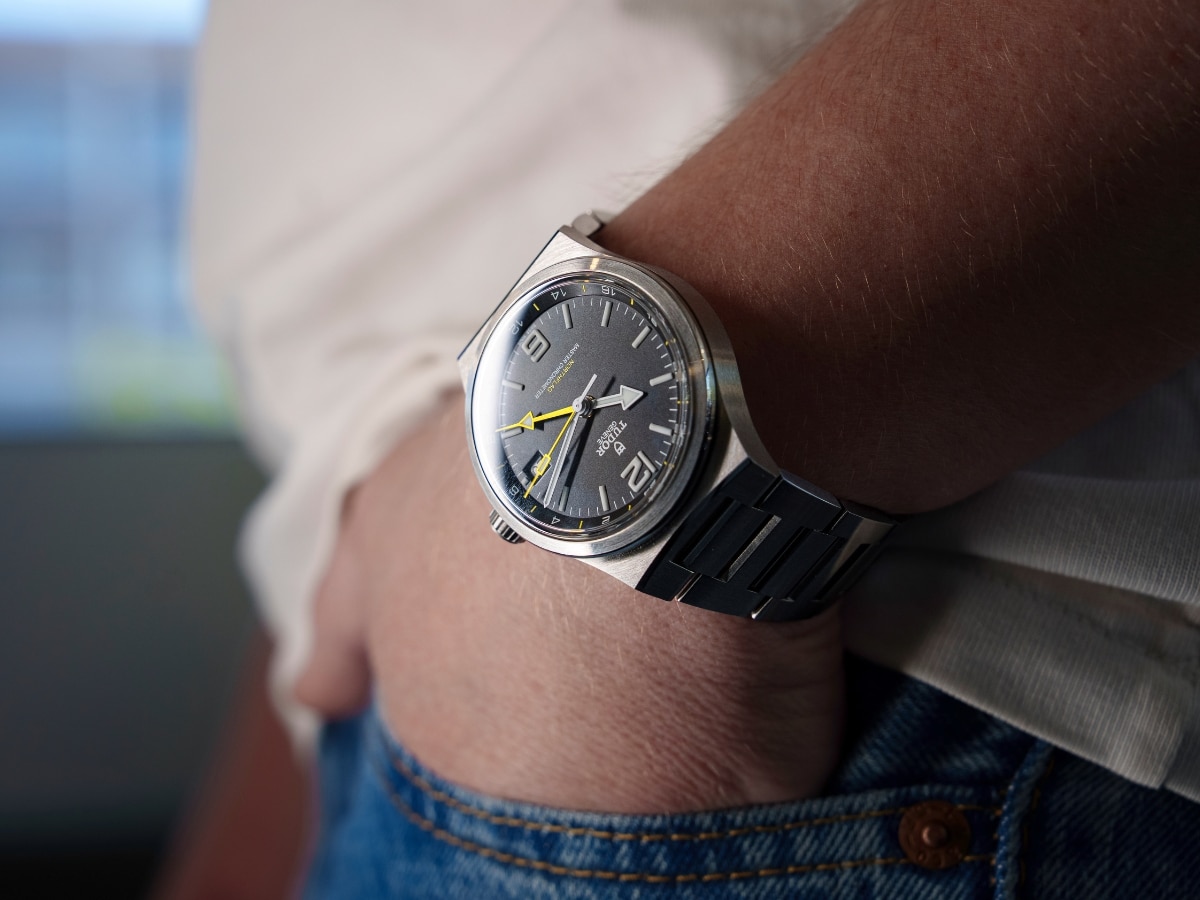
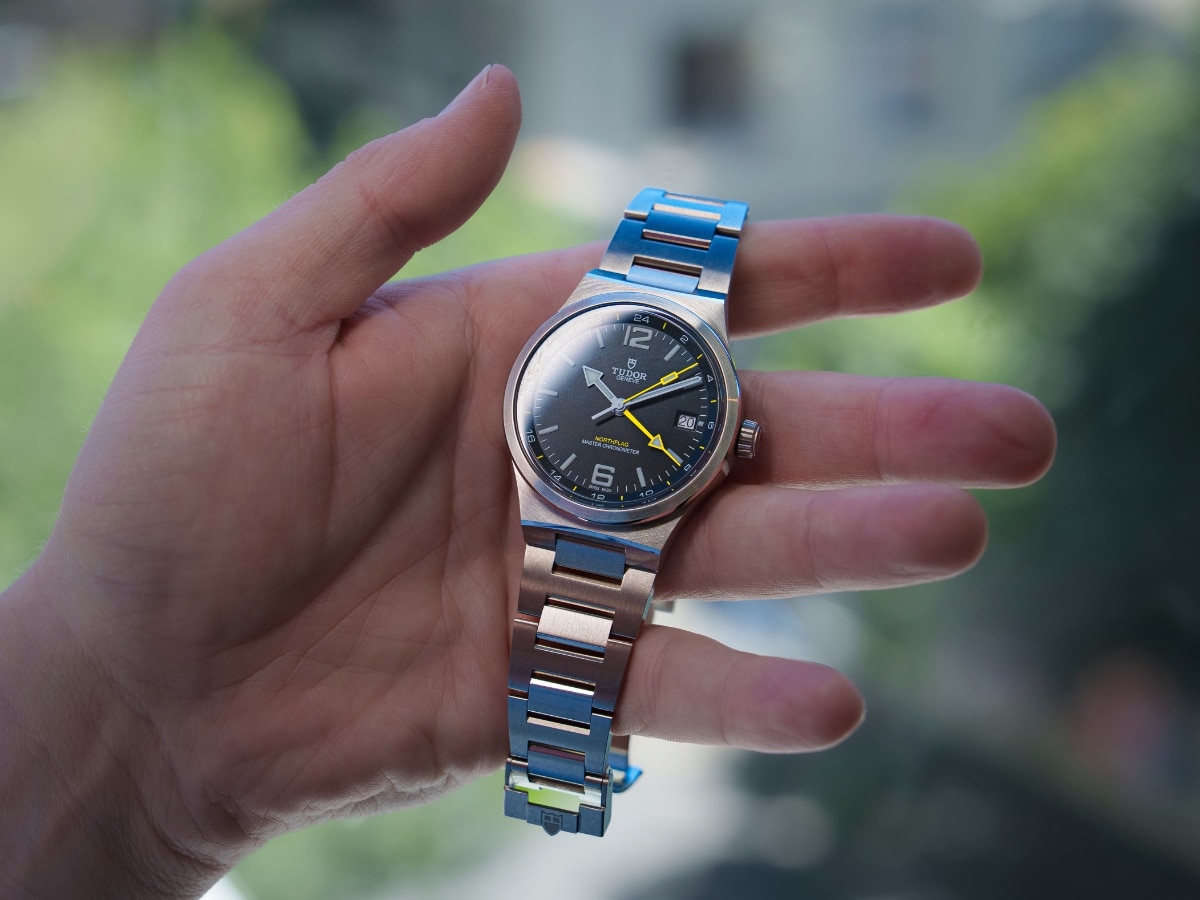
The new Northflag, designated with the updated nomenclature as a single word, maintains the 40mm stainless steel architecture and integrated bracelet design that defined its predecessor. However, the internal mechanics represent a substantial upgrade. The timepiece is powered by the MT5652-U manufacture movement, which has achieved both COSC (Contrôle Officiel Suisse des Chronomètres) and METAS Master Chronometer certification. This dual certification ensures the watch is not only accurate within -0/+5 seconds per day but is also resistant to magnetic fields up to 15,000 gauss.

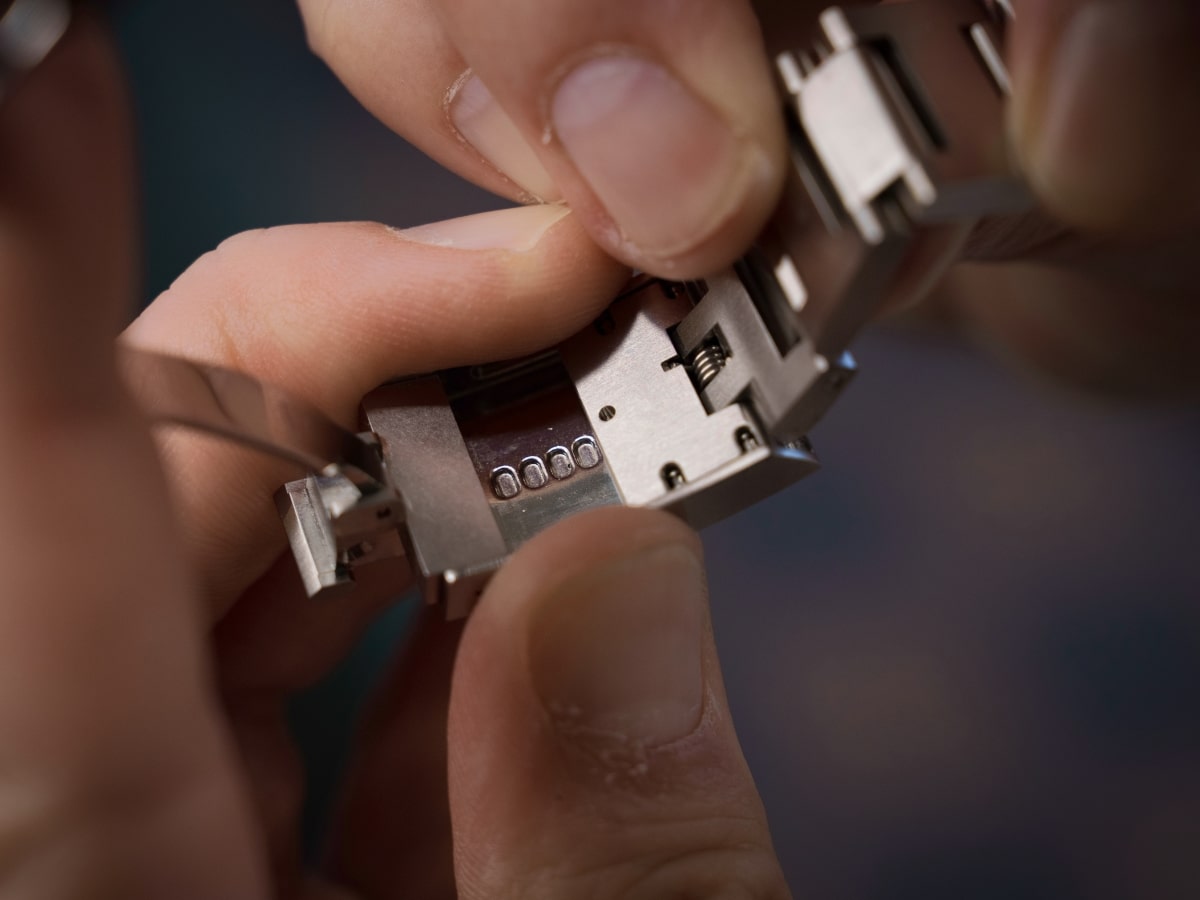
In a departure from the 2015 model, which featured a power reserve indicator, the current iteration integrates a true GMT function. This allows for the tracking of a second time zone, a complication highly valued by contemporary collectors. The aesthetic remains utilitarian, characterized by a matte black dial, large Arabic numerals at 12 and 6, and the signature fluorescent yellow accents on the seconds hand and GMT indicator. Retailing at approximately AUD $7,780, the Northflag is positioned as a rugged alternative to the brand’s dive watch lineup, offering a 65-hour power reserve and a T-fit micro-adjustment clasp for enhanced ergonomics.
Seiko Commemorates 145 Years of Horological Innovation
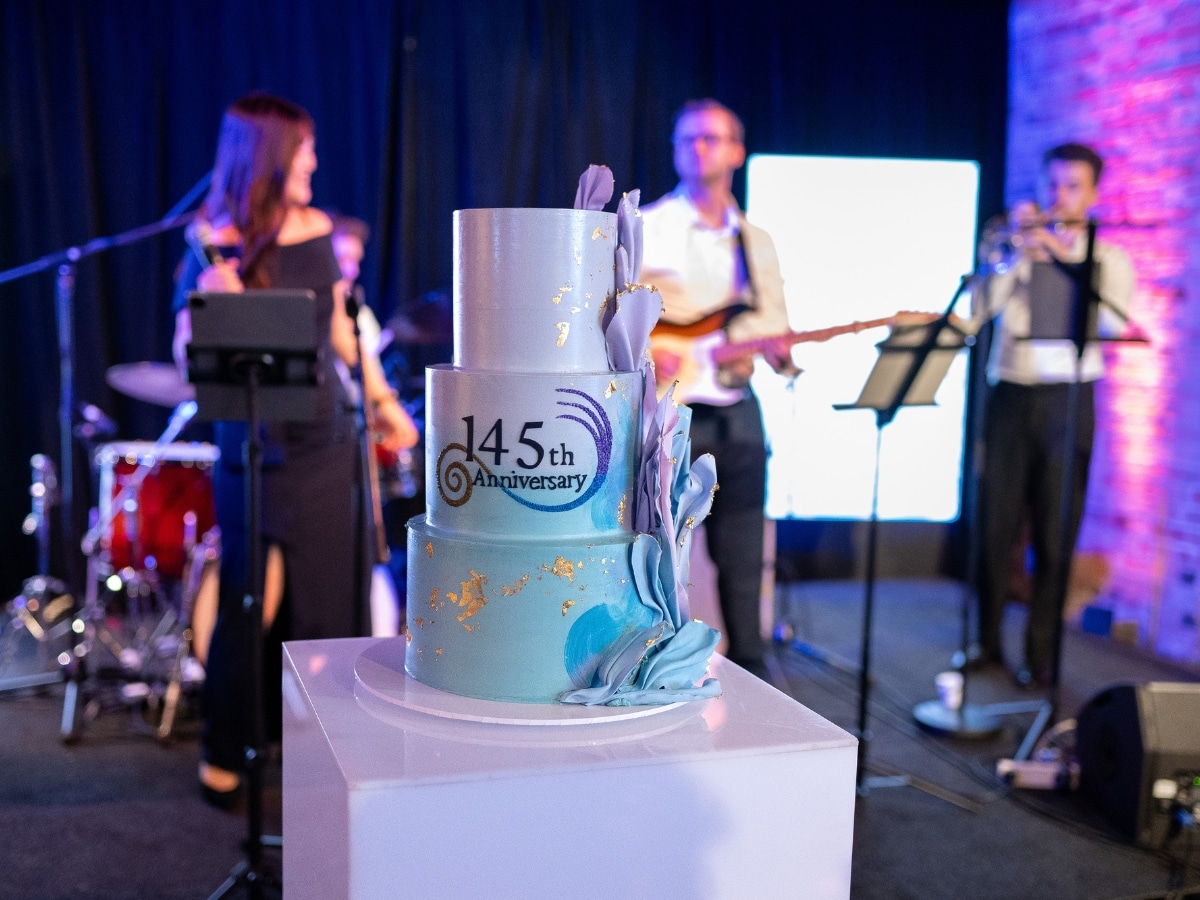
In Sydney, Australia, Seiko hosted a significant gala at Watersedge at Campbell’s Stores to celebrate the 145th anniversary of the company’s founding. Established in 1881 by Kintaro Hattori in Ginza, Tokyo, Seiko has evolved from a clock repair shop into one of the world’s most vertically integrated watch manufacturers. The event served as a showcase for the brand’s current pillars: the Prospex, King Seiko, and Presage collections.
The anniversary event highlighted Seiko’s long-standing commitment to craftsmanship and technical versatility. Attendees were presented with live activations, including racing simulators representing the Prospex line’s sports heritage and traditional Japanese calligraphy demonstrations to honor the design philosophy of the King Seiko range. Industry analysts noted that Seiko’s ability to maintain market dominance across multiple price points—from the entry-level Seiko 5 to the high-end Grand Seiko—remains a cornerstone of its global strategy.
Seiko’s 145-year timeline is marked by several industry-firsts, including the introduction of the first quartz wristwatch, the Astron, in 1969, and the development of the Spring Drive movement. The celebration in Sydney underscores the importance of the Australian market in Seiko’s regional strategy, as the brand continues to expand its retail footprint and enthusiast engagement.
A. Lange & Söhne and the Pinnacle of German Engineering
In the ultra-luxury segment, A. Lange & Söhne has unveiled the Datograph Perpetual, a limited-edition masterpiece that celebrates the 25th anniversary of the Datograph line. Limited to just 50 pieces, this release represents the zenith of Glashütte watchmaking. The timepiece combines a flyback chronograph with a perpetual calendar and the brand’s iconic outsize date display.
The technical specifications of the Datograph Perpetual are formidable. Housed in a 950-platinum case, the watch features a black dial adorned with eleven baguette-cut diamonds acting as hour markers. This choice of materials signals a move toward "stealth luxury," where the value of the timepiece is known to the wearer but remains understated to the casual observer. The movement, a hand-finished caliber comprising hundreds of individual components, allows the perpetual calendar to remain accurate without adjustment until the year 2100. While the price is available only upon request, market trends suggest such high-complication pieces in precious metals continue to see strong demand among private collectors as "investment-grade" horology.
Strategic Shifts in the Mass and Entry-Level Luxury Markets
The past week also saw notable movements from G-Shock and Fossil, two brands traditionally associated with the mass market that are now making plays for increased horological credibility.
G-Shock’s 2500 Series and the "Integrated" Trend
Casio’s G-Shock division has introduced the 2500 Series, colloquially referred to by enthusiasts as the "CasioNaut." This nickname stems from the collection’s aesthetic similarities to high-end integrated-bracelet sports watches. The 2500 Series represents a departure from the brand’s rugged, oversized digital aesthetics toward a more streamlined, analog-centric design. By offering models in both all-steel and vibrant colorways, G-Shock is attempting to bridge the gap between its core demographic and the "lifestyle" watch enthusiast. This move aligns with a broader industry trend where consumers are seeking the durability of a G-Shock with the visual language of a traditional luxury sports watch.
Fossil’s Signature CS-1 and the Premiumization Gamble
Fossil has launched the Signature CS-1 collection, a series of Swiss-made timepieces intended to elevate the brand’s standing in the enthusiast community. The collection includes a 38mm Three-Hand Date Automatic, powered by the reliable Swiss Sellita SW200-1 movement, and a 42mm Master Calendar Chronoquartz.
The pricing strategy for the CS-1 collection—starting at AUD $1,299 for quartz and AUD $1,469 for automatic—has sparked debate among industry observers. While the use of Swiss movements and sapphire crystals represents a significant step up in quality for Fossil, the brand faces the challenge of competing with established entry-level luxury marques like Tissot, Hamilton, and Seiko. The success of this "premiumization" effort will depend on Fossil’s ability to convince consumers that its heritage can support a four-figure price tag.
Avant-Garde Complications: Bell & Ross BR-03 Space Mission
Bell & Ross continues to lean into its identity as a provider of flight-instrument-inspired timepieces with the release of the BR-03 Space Mission. This limited edition of 999 pieces utilizes a playful yet technically complex method of time-telling. The watch replaces traditional hands with a miniature spacecraft to indicate minutes and a representation of the Moon to display hours.
While the BR-03 architecture is rooted in the aesthetics of a cockpit clock, the Space Mission variant demonstrates the brand’s willingness to experiment with "emotional horology." By moving away from pure utility toward storytelling, Bell & Ross is targeting a niche segment of collectors who value whimsy and unique mechanical displays over traditional legibility.
Market Analysis and Industry Implications
The events and releases of the past week provide a snapshot of a watch industry in transition. Several key themes emerge from these developments:
- The Rise of Technical Standards: Tudor’s insistence on METAS certification for the Northflag sets a new benchmark for what consumers expect from "tool watches" in the $5,000–$8,000 price bracket. As more brands adopt these stringent testing protocols, accuracy and magnetic resistance are becoming non-negotiable features for luxury consumers.
- Heritage as a Growth Driver: Seiko’s 145th anniversary and Tudor’s revival of the Northflag demonstrate that historical legitimacy remains a brand’s most valuable asset. Manufacturers are increasingly mining their archives to find "cult classics" that can be modernized for today’s market.
- Aesthetic Convergence: The "CasioNaut" and Fossil’s CS-1 highlight the ongoing obsession with the integrated-bracelet sports watch aesthetic. This design language, popularized in the 1970s by Gérald Genta, has now permeated every level of the market, from $200 digital watches to $200,000 high-complication pieces.
- The Price Gap: The distinction between "fashion watches" and "enthusiast watches" is blurring as brands like Fossil move upmarket. However, as prices rise, consumer scrutiny regarding movement origin, finishing, and long-term value retention increases proportionally.
As the final quarter of the year approaches, the horological market remains resilient, driven by a combination of technical innovation and a deep-seated respect for mechanical tradition. The return of the Northflag and the continued expansion of Seiko’s global influence suggest that the industry is focusing on products that offer both a narrative history and measurable mechanical performance.




 Nila Kartika Wati

 Eva Lovia

 Yuyun Lusiyani

 Ana Megawati

 Joko Widodo
